Newsletters


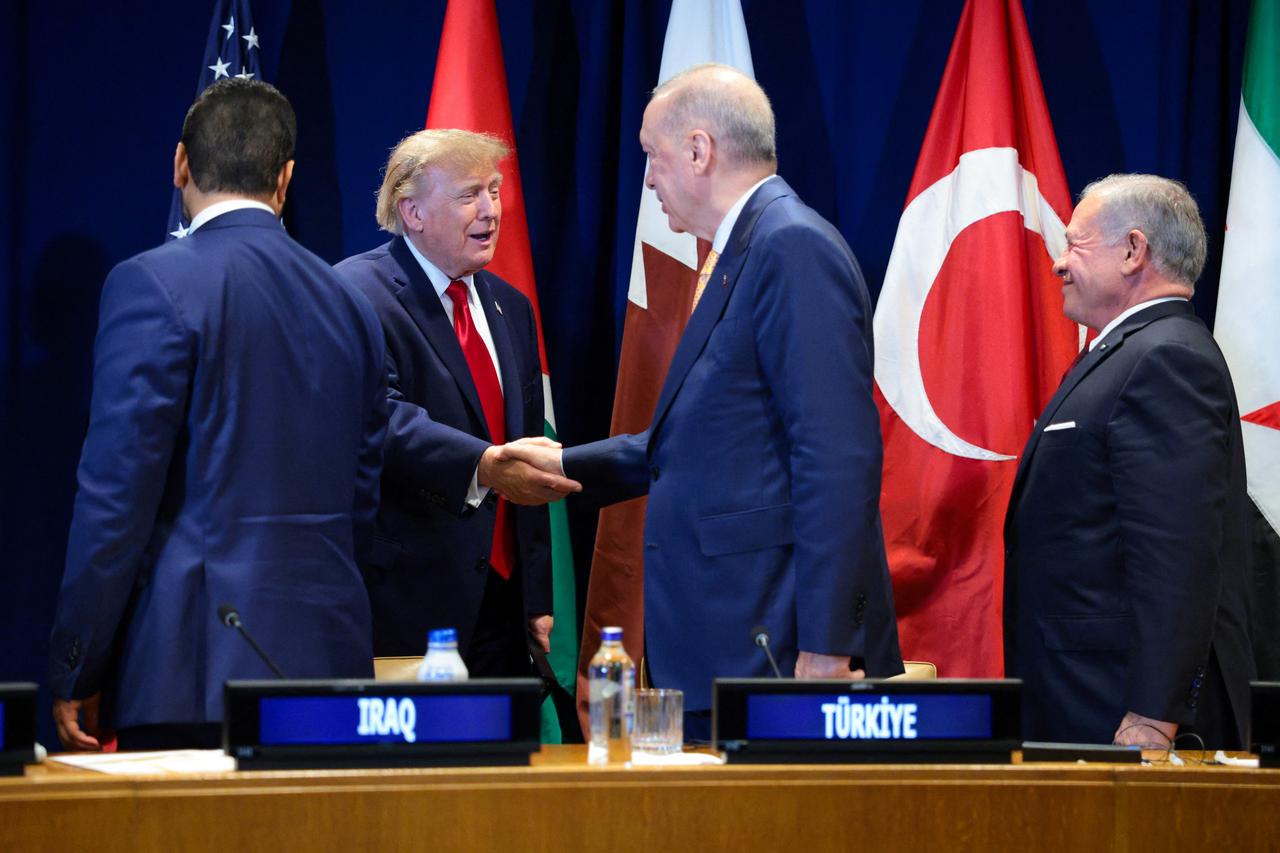


For much of the past decade, Türkiye-U.S. relations were shaped by crises over Syria, the S-400 purchase, sanctions and the F-35 program.
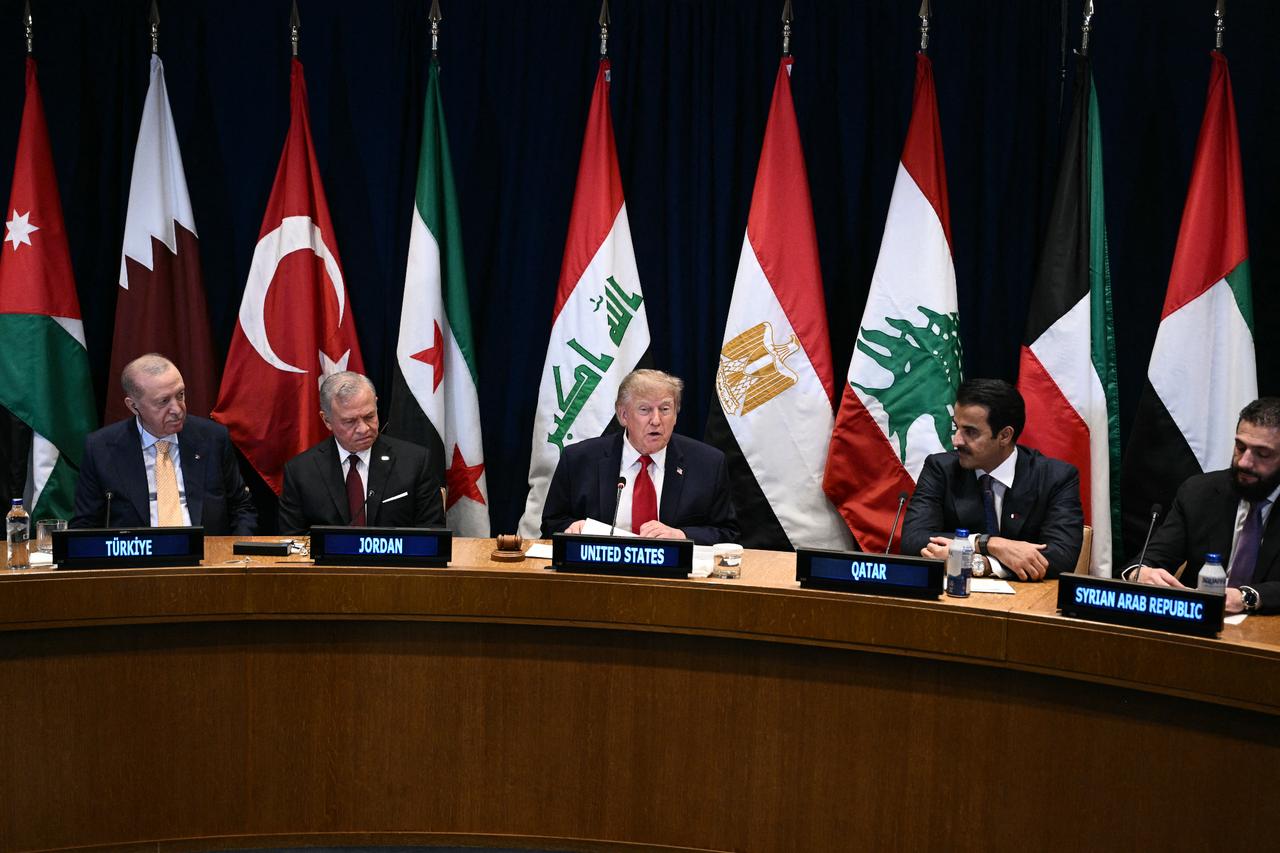
Donald Trump’s second presidency has changed the atmosphere sharply. Erdogan has direct access to the president, while Trump has restored their warm leader-level channel. Yet the central question already lies beyond the current White House.
Türkiye has gained leverage as European allies assume more responsibility for NATO’s defense and Washington looks to regional partners to carry more of the security burden. Whether the current opening survives Trump will depend on how much of it can be separated from Trump himself.
Ankara learned an important lesson during Trump’s first term. Personal access to the president can move American policy quickly, but presidential preference does not erase Congress, legislation or the security bureaucracy.
Trump’s October 2019 decision on U.S. forces in northern Syria followed a call with Erdogan. Yet the same administration later imposed CAATSA sanctions over the S-400 purchase after Türkiye had been removed from the F-35 program.
The same tension remains visible today in the contrast between Trump’s July announcement on CAATSA and a subsequent State Department letter to Congress, saying Türkiye had still not met the statutory conditions for receiving F-35s.
Republican Senate Foreign Relations Committee Chairman Jim Risch has also kept the S-400 at the center, while a bipartisan House group urged Trump to preserve the F-35 prohibition.
This divide runs deeper than the familiar Democrat-Republican distinction. On the one hand, Tom Barrack reflects the president’s more transactional approach and said this week that the S-400 dispute “will be resolved.”
On the other hand, Marco Rubio, for example, comes from a different Republican tradition. As a senator, he co-authored the 2019 Eastern Mediterranean Security and Energy Partnership Act, which promoted U.S. security cooperation with Israel, Greece and Greek Cyprus while restricting an F-35 transfer to Türkiye if Ankara proceeded with the S-400.
The Nov. 3 midterms add a nearer political clock. Control of Congress may change, while the following months will increasingly be shaped by the 2028 presidential race. Foreign-policy narratives around Türkiye can therefore harden well before Trump leaves office.
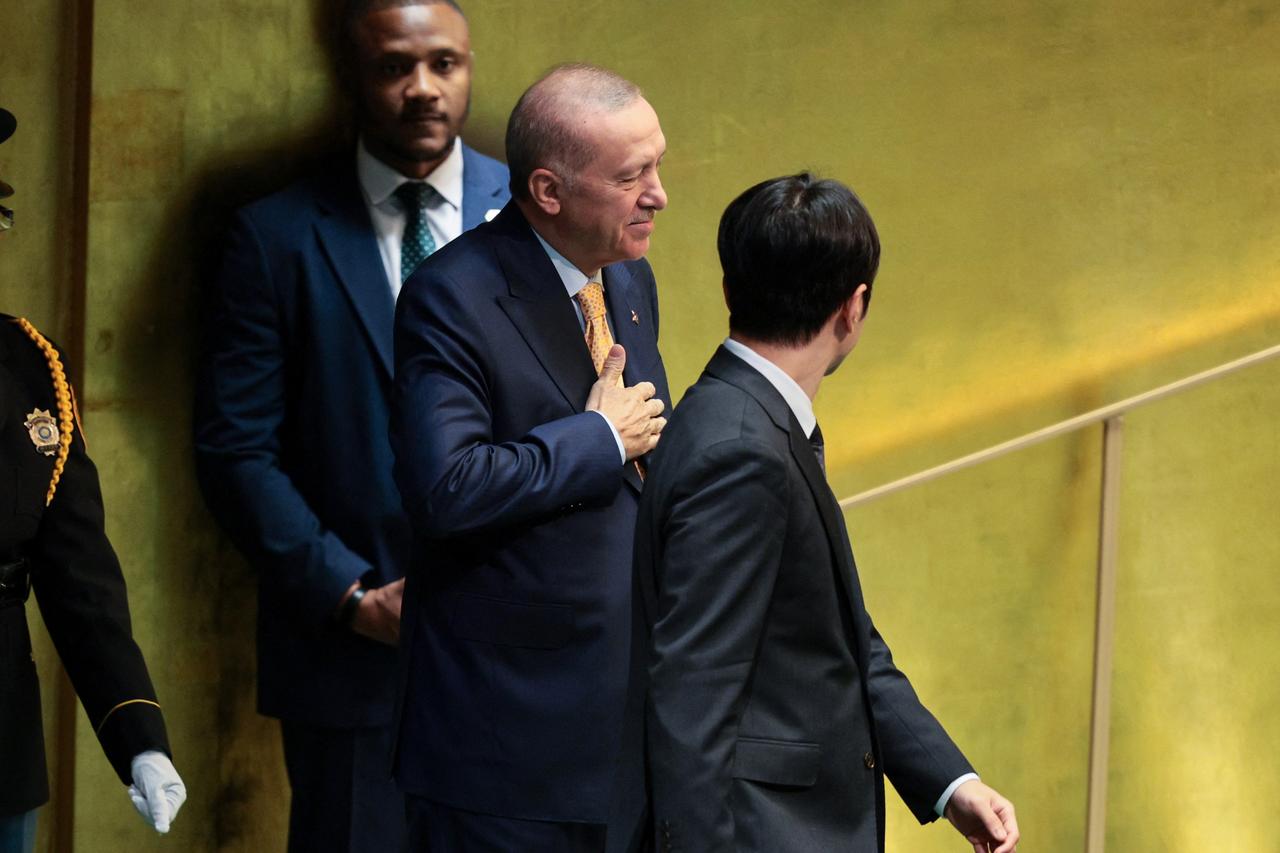

Israel is becoming the clearest bridge between regional disputes and domestic American politics. Israeli strikes in Syria have brought Turkish and Israeli military interests physically closer, prompting Washington to work on a deconfliction mechanism after an August strike near the Turkish border.
Israel, Greece and Greek Cyprus have also expanded military cooperation in the Eastern Mediterranean. Those developments can feed into congressional arguments over weapons sales to Türkiye.
AIPAC opposed Türkiye’s return to the F-35 program in August, citing Israel, Greece and Greek Cyprus among its concerns.
Armenian, Greek and Greek Cypriot-American organizations are active on the same weapons files. Their agendas differ, yet the F-35 can place them on the same side in Congress.
AIPAC-affiliated United Democracy Project had spent $53.6 million by Aug. 21. Presidential access therefore cannot substitute for sustained engagement with Congress.
Iran creates a second test. Türkiye has little strategic interest in a nuclear-armed Iran, an open-ended regional war or the collapse of the Iranian state.
Trump is combining military pressure with a search for a settlement while insisting Tehran cannot obtain nuclear weapons. Ankara can speak to Washington, Tehran and Gulf capitals, giving Türkiye room for a diplomatic role if negotiations regain momentum.
The same geography creates exposure as Iran increasingly shifts trade toward overland routes through Türkiye under U.S. pressure. Washington has already sanctioned a Türkiye-based investment bank and two subsidiaries over alleged Iranian financial networks, showing how quickly the issue can return.
The Gulf dimension reinforces the same dilemma because the Iran war has deepened doubts over American protection, while Türkiye’s Mecca Joint Defence Agreement with Saudi Arabia and Pakistan fits a broader move toward regional burden-sharing. Washington could welcome Turkish capacity where it wants partners to shoulder more of the security burden.
A successor administration could view the arrangement less favorably if Israeli security concerns frame it as a Sunni alignment capable of constraining Israel or altering the regional balance, an interpretation already visible in analysis of the pact.
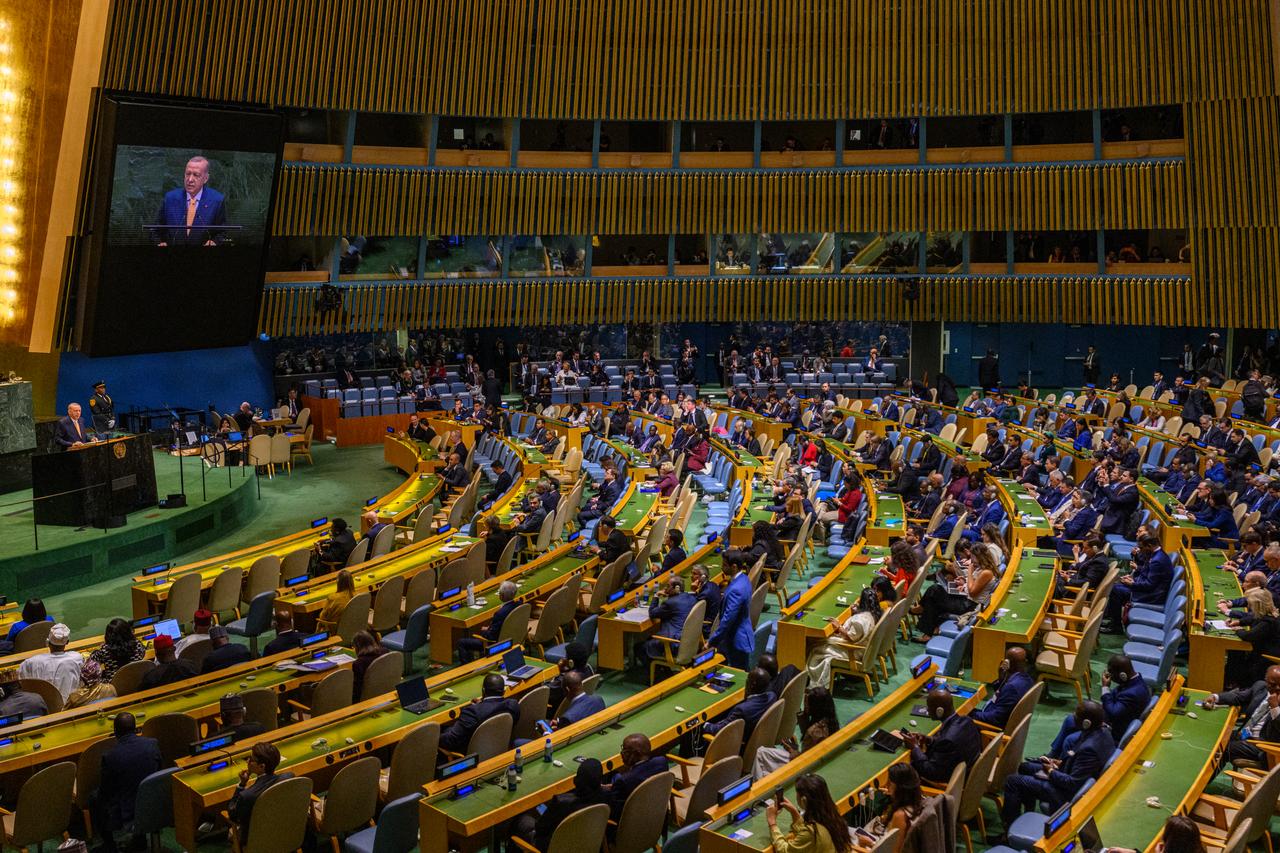
NATO expects European allies and Canada to assume greater responsibility, while the Ankara Summit emphasized expanding allied defense production. Türkiye has NATO’s second-largest army, and its defense industry already works with multiple allies.
The Kurdish file has long supplied recurring points of pressure in Türkiye’s dealings with Washington. The PKK disarmament process and the dissolution of the SDF as an independent military structure narrow some of that space.
Improving Armenia-Azerbaijan relations can strengthen Türkiye’s regional position, but progress between governments should not be confused with a corresponding change in diaspora politics in Washington.
Armenian, Greek and Greek Cypriot-American organizations have coordinated against Türkiye’s F-35 return even as Yerevan has moved toward peace with Azerbaijan and normalization with Türkiye.
Diaspora organizations have their own constituencies and incentives, so their positions cannot simply be equated with those of Yerevan, Athens or Nicosia.
A legally durable settlement of the S-400 issue would remove the clearest statutory obstacle to deeper defense cooperation. Keeping Turkish-Israeli competition in Syria below military confrontation would reduce the chance that Eastern Mediterranean disputes dominate the bilateral agenda.
Strong enforcement against sanctions evasion linked to Iran would likewise reduce the risk of another financial dispute becoming central to the relationship.
Türkiye does not need a relationship free of disagreements to preserve the current opening. A more realistic measure of durability is whether fewer disputes arrive in Washington already backed by legal restrictions, congressional coalitions and organized domestic constituencies.
Trump has created political space for Ankara, while the real test begins when access to Trump is no longer available.


 Set as preferred source
 Set as preferred source


 2 min read
 1 min read