Newsletters


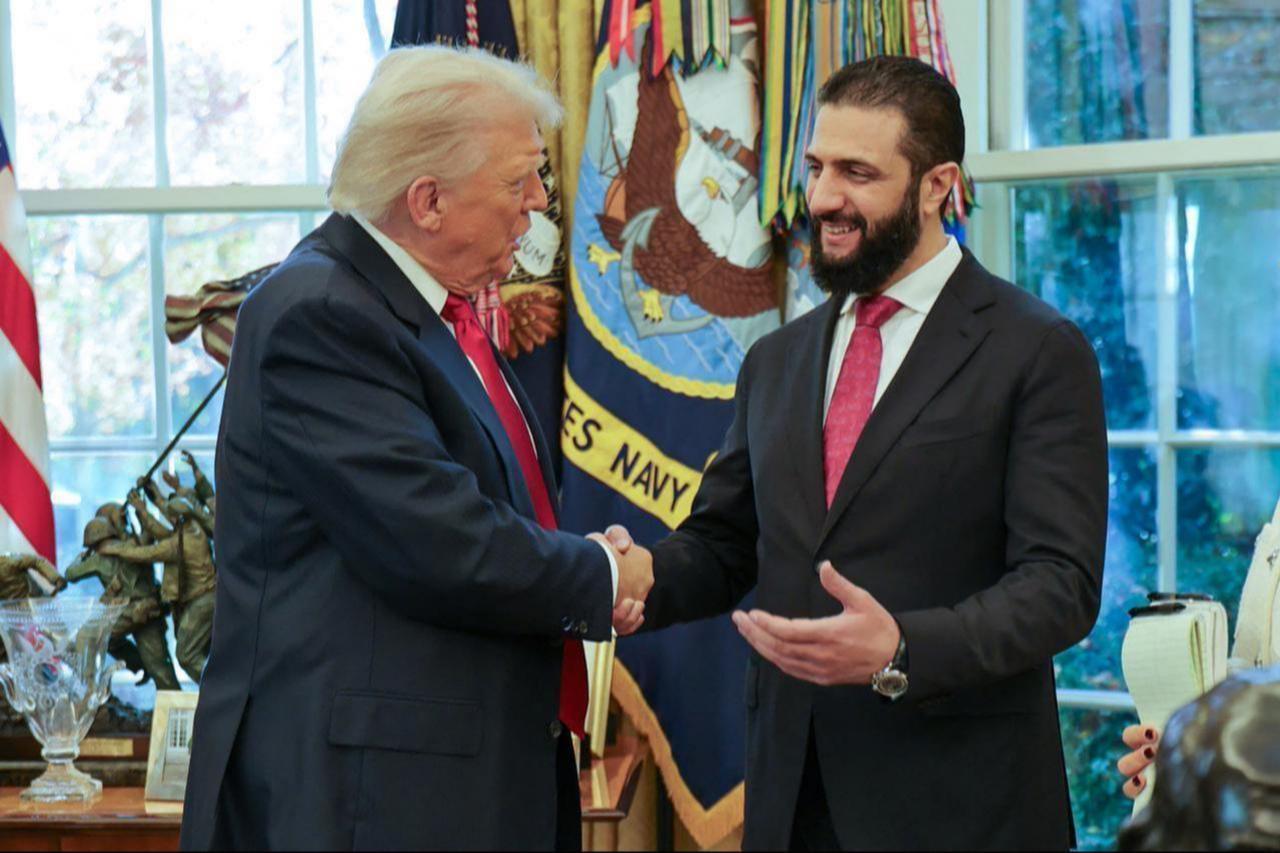


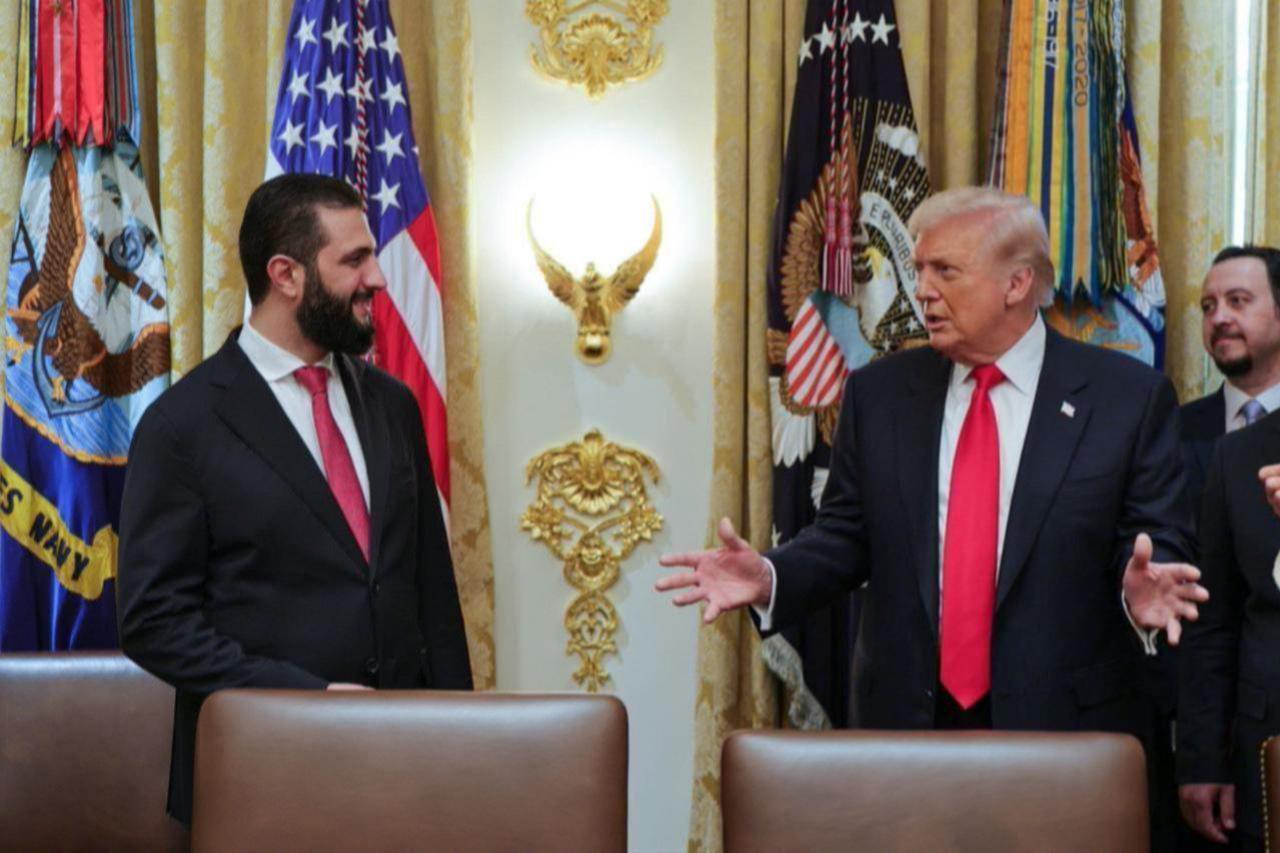
Ever since President Trump publicly floated the idea that Syria's new leadership "would love to help" with surgical strikes on Hezbollah, speculation surrounding a Syrian military deployment into Lebanon continues to mount.
While Syrian President Ahmad al-Sharaa may be studying the playbook of Hafez Assad, who intervened in Lebanon, he appears to be doing so to learn from history rather than repeat its mistakes.
Sharaa has a history of military engagements against Lebanon, or to be more accurate, of military engagements inside Lebanese borders.
When Sharaa operated under his nom de guerre Mohammad al-Jolani and commanded the Nusra Front, his commander for the western Qalamoun region operated across the Lebanese-Syrian border and engaged in hostilities with Lebanese security forces.
At a time when Hezbollah crushed the Syrian armed opposition in the Homs and Damascus countryside, the Nusra Front showed that it could turn the tables around.
 1 min read
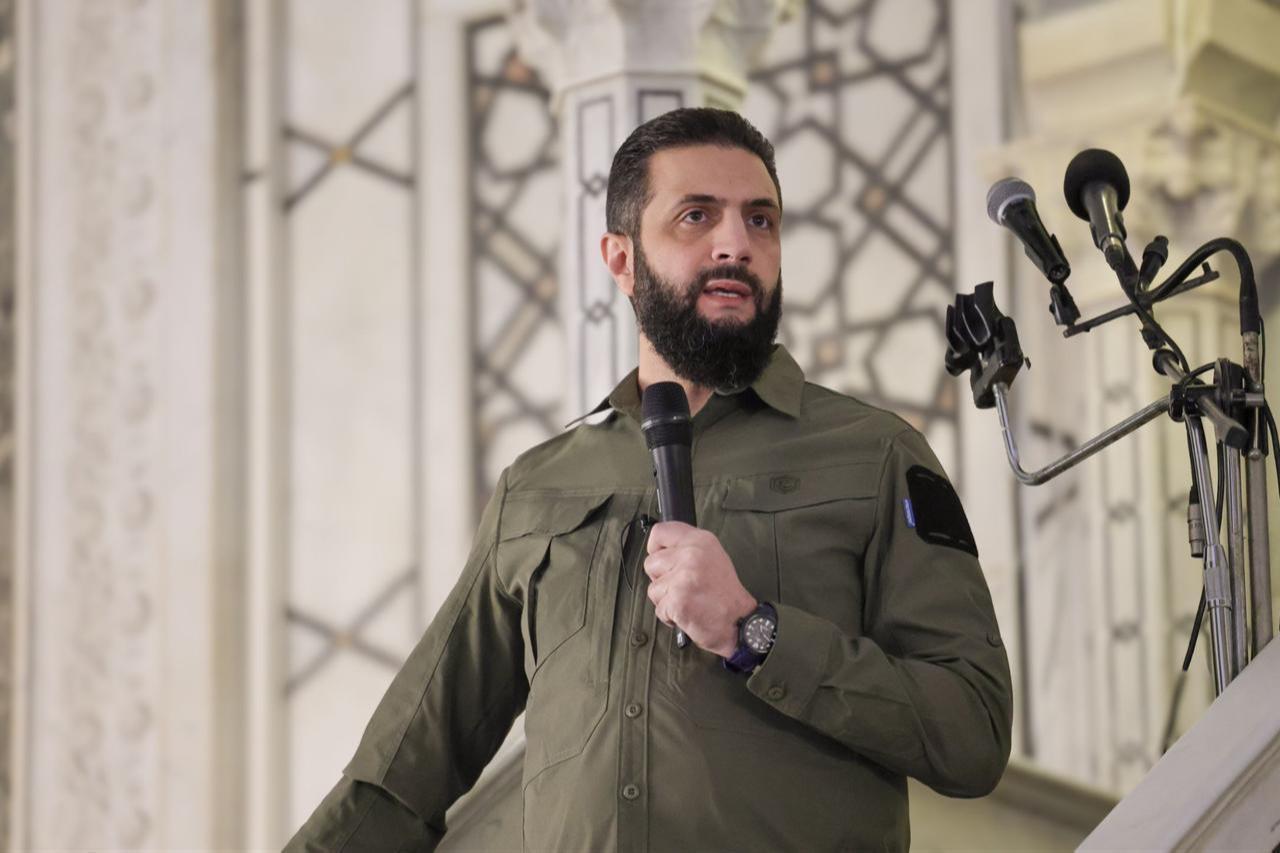
However, this initiative was short-lived. Years later, Sharaa shifted course, adopting a policy of non-interference and halting the export of revolutionary ideas.
Regardless of the Syrian army's military limitations and the complexities of a potential intervention in Lebanon, any Syrian intervention abroad would signal that Sharaa's diplomatic posture was not genuine.
This would result in the loss of much-needed Arab support. More importantly, it would provide Israel with the justification needed to legitimize its security operations in Syria. Giving Israel such legitimacy may result in the end of Sharaa’s presidency.
Many Syria analysts speculate on how closely Sharaa tries to mimic Hafez Assad’s strategy of co-optation, control, and coercion. But Sharaa is too shrewd to ignore Syria’s ultimate failure in Lebanon.
It’s not without reason. Sharaa publicly stated that Hafez killed senior Lebanese political figures.

Trump sees and understands that Sharaa genuinely hates Hezbollah and Iran. He sees that Syria is constructively helping to block arms smuggling to Hezbollah and has helped the Lebanese government to take stronger control of its borders.
Understanding this, he assumes Sharaa would be willing to intervene in Lebanon without understanding the complexities of this plan.
Trump’s statement sounds more like a spur-of-the-moment idea.
And everything about Trump’s handling of the Iran war shows that he relies on instincts over intelligence and strategy.


 Set as preferred source
 Set as preferred source


 1 min read