Newsletters


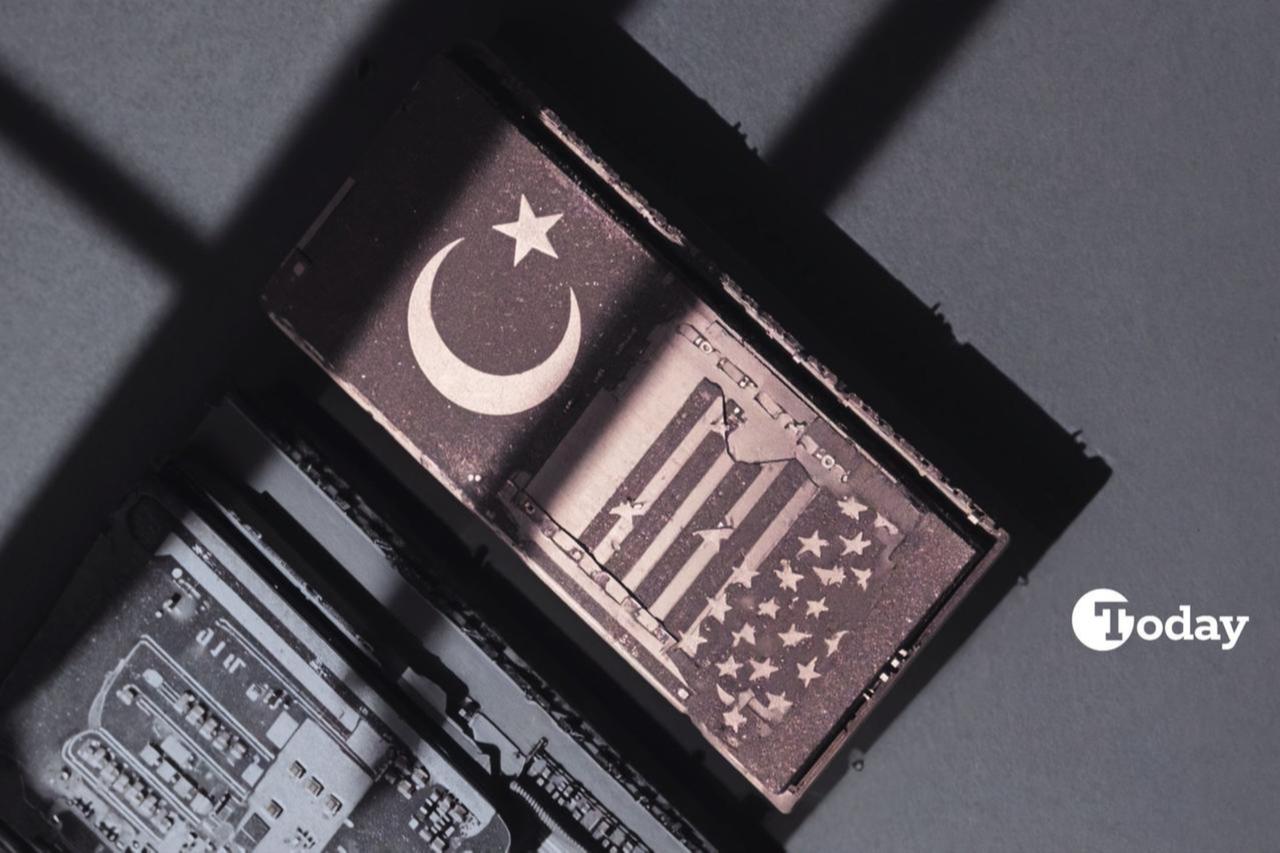


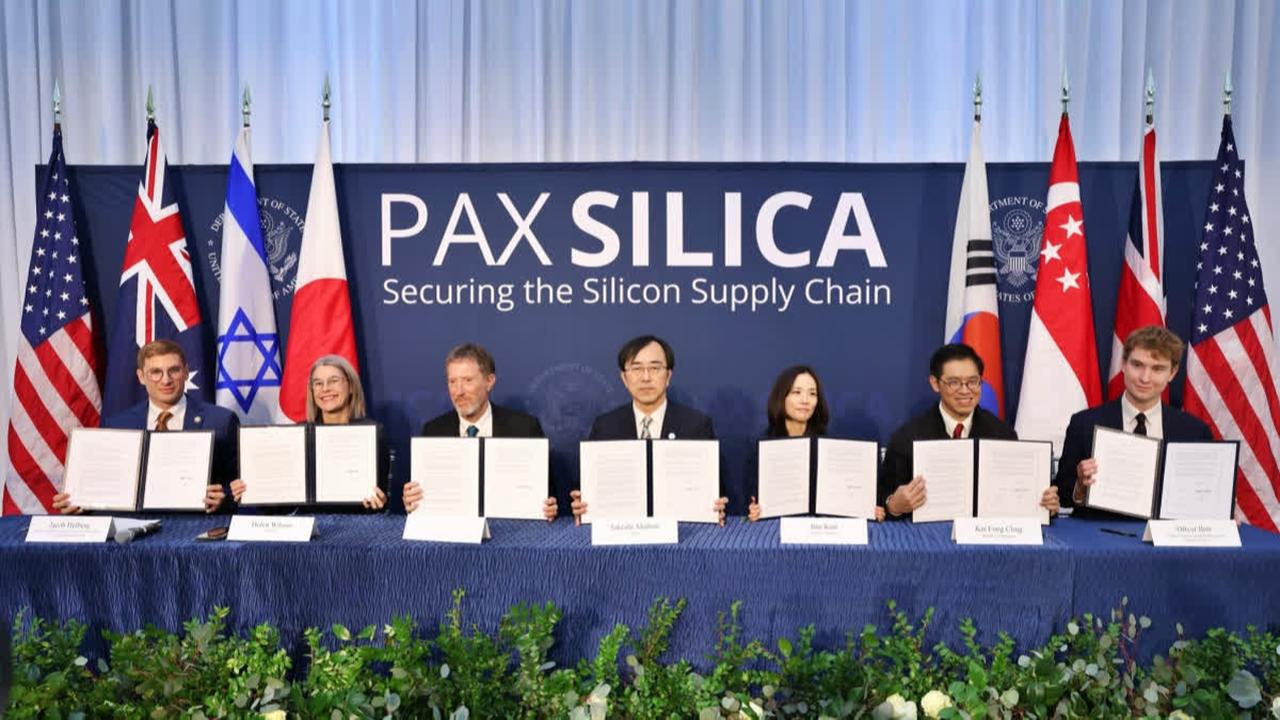
Washington is moving to formalize a new framework for economic security centered on advanced technologies and critical supply chains. Branded “Pax Silica,” the initiative is designed to build a secure, innovation-driven ecosystem spanning critical minerals, energy, advanced manufacturing, semiconductors, artificial intelligence infrastructure, and logistics.
The declaration brings together a core group of U.S. allies and partners, including Japan, Israel, Australia, Singapore, and South Korea, with more countries expected to join and the group seeks new members. A broader summit framework also includes European and Gulf partners, signaling an ambition that extends beyond a narrow tech club into a wider economic security coalition.
At its core, Pax Silica reflects Washington’s response to intensified strategic competition with China. The aim is not only to reduce vulnerabilities in supply chains but also to align industrial policy, private investment, and technological innovation among trusted partners in a way that reinforces long-term geopolitical stability.

The urgency behind Pax Silica is closely tied to China’s overwhelming control of rare earth elements, a group of 17 metals essential to modern industry. China accounts for roughly 70% of global rare earth oxide production and dominates between 85 and 95 percent of processing and refining capacity, giving Beijing leverage across sectors from electric vehicles to defense systems.
This dominance extends well beyond mining. Control over separation, metallization, and magnet manufacturing allows China to influence downstream industries and to deploy export restrictions as a geopolitical tool, particularly amid trade disputes with the United States.
For Washington and its partners, diversifying rare earth supply chains has become a strategic imperative. Pax Silica is intended to provide the institutional framework through which alternative suppliers and processors can be developed, reducing systemic dependence on China over time.
Türkiye enters this conversation with the announcement of a massive rare earth discovery in Eskisehir’s Beylikova field earlier this year. The deposit, estimated at 694 million tons of ore, places Türkiye among the countries with the largest known rare earth resources globally, often compared to China’s Bayan Obo region.
The discovery includes 10 of the 17 rare earth elements considered critical for defense industries, renewable energy systems, electric vehicles, communications technologies, and space applications. Demand for these materials is projected to grow steadily through 2040 as electrification and clean energy deployment accelerate.
Ankara has framed the discovery as a strategic asset tied to its broader goal of economic and geopolitical autonomy. The government has publicly stated its ambition to rank among the world’s top five rare earth producers, signaling that the deposit is seen not merely as a mining project but as a pillar of long-term industrial strategy.
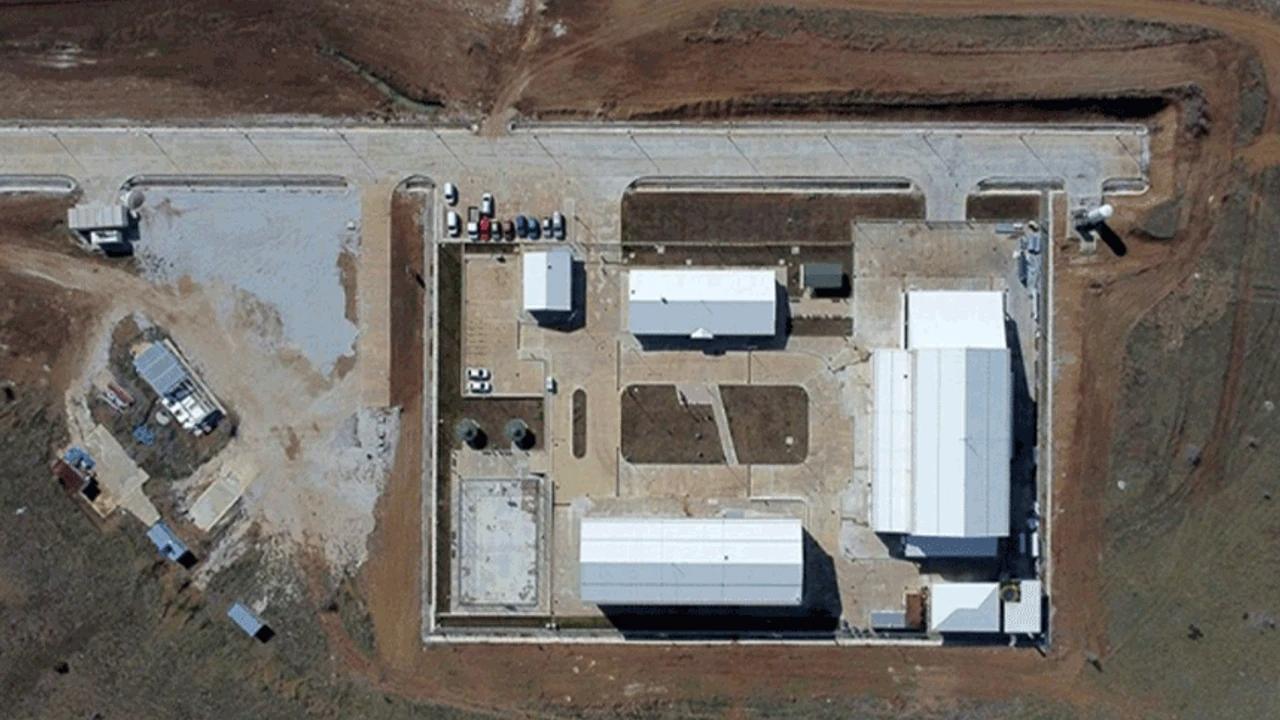
Despite the scale of the reserve, Türkiye faces a familiar challenge: it lacks the full technological capacity to separate, refine, and process rare earth elements at industrial scale. Mining alone does not translate into strategic leverage without downstream processing and value-added capabilities.
Early discussions with Chinese partners failed to resolve this gap. Beijing has historically resisted sharing core separation and refining technologies, and proposals that involved processing Turkish rare earths in China were viewed in Ankara as incompatible with sovereignty over strategic assets.
This impasse pushed Türkiye to look more seriously toward Western partners. From Ankara’s perspective, access to technology transfer, rather than simple investment or offshoring arrangements, is non-negotiable, both for economic reasons and for domestic political credibility.
For Pax Silica, Türkiye represents a combination of scale, geography, and strategic alignment. As a NATO member with deep industrial capacity and proximity to European markets, Türkiye could emerge as a mid-term supplier that materially diversifies Western rare earth supply chains.
Unlike smaller producers, Türkiye’s reserve size offers the possibility of sustained output capable of supporting defense, clean energy, and advanced manufacturing sectors across multiple allied economies. This makes Türkiye more than a marginal contributor; it positions the country as a potential anchor supplier.
Including Türkiye would also reinforce Pax Silica’s credibility as a genuinely global coalition. It would extend the framework into the Eastern Mediterranean and Black Sea regions, areas increasingly relevant to energy and logistics security.
From Ankara’s standpoint, participation in Pax Silica must go beyond raw material supply. The strategic logic rests on an exchange: secure rare earth supply for Western industries in return for meaningful technology transfer, including separation technologies and artificial intelligence capabilities.
AI is particularly central. Rare earth processing, logistics optimization, and advanced manufacturing all increasingly rely on AI-driven systems. Access to this know-how would allow Türkiye to move up the value chain rather than remaining a commodity exporter.
Such an arrangement would also align with Pax Silica’s broader emphasis on innovation-driven security. Integrating Türkiye into AI-enabled industrial ecosystems would strengthen the coalition’s collective competitiveness rather than simply redistributing existing capabilities.
Türkiye’s entry into global rare earth markets will be gradual. If exploration, permitting, and pilot testing proceed smoothly, and if Ankara secures foreign technology and financing, limited industrial-scale production of rare earth oxides could begin within three to five years.
The decision to create the initiative Pax Silica, and the timing, is an amazing coincidence.
If structured around genuine technology sharing and domestic value creation, such cooperation could become one of the most stable pillars of U.S.–Türkiye economic relations over the coming decades, especially when it's considered that the initiative is primarily about the U.S., not the other members in the coalition. In that sense, Türkiye’s inclusion in Pax Silica would not simply fill a gap, but it would reshape the coalition’s strategic depth.


 Set as preferred source
 Set as preferred source



 7 min read