Newsletters


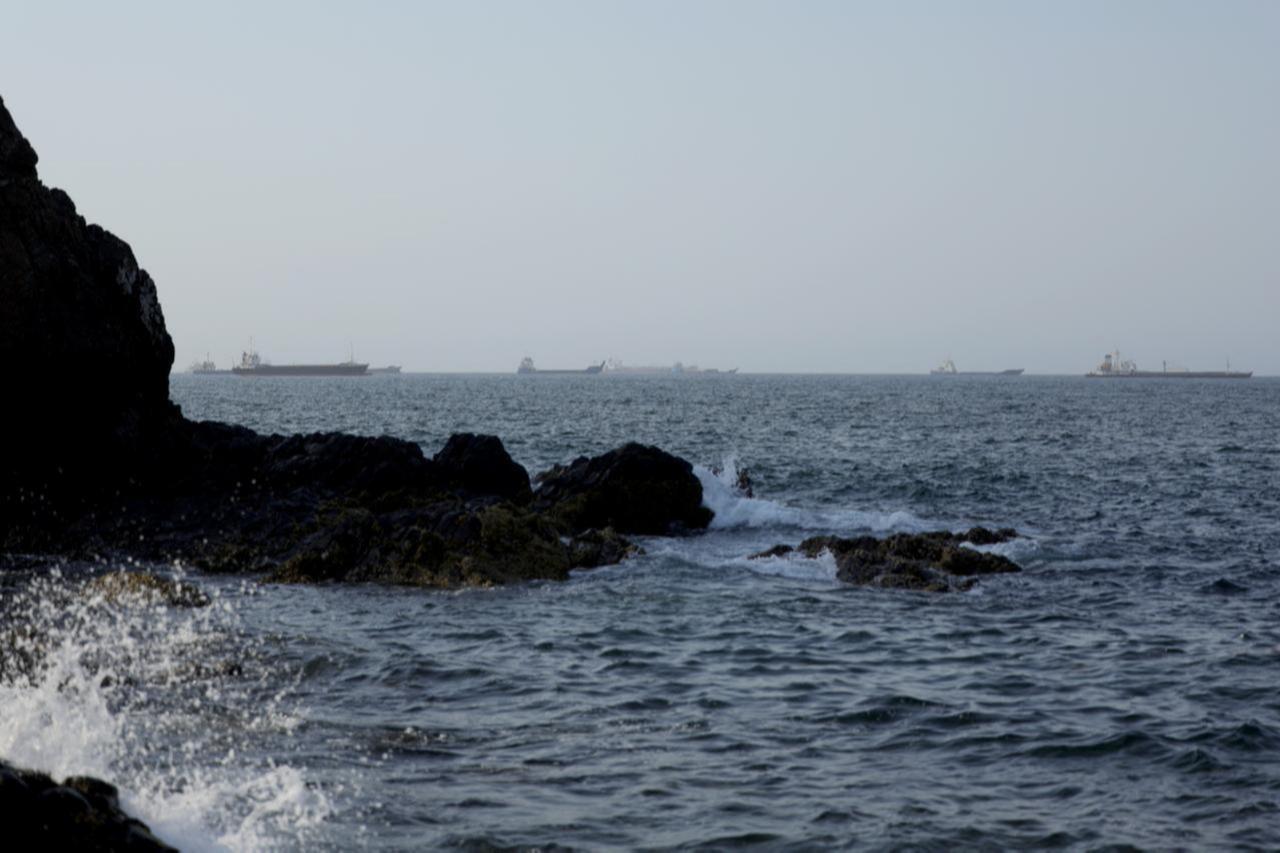


Up to 400 vessels carrying around 6,000 seafarers remain unable to leave the Gulf safely, six months after the Iran conflict began, the International Maritime Organization (IMO) said Friday.
The figure is down sharply from the roughly 20,000 seafarers stranded when the war disrupted shipping through the Strait of Hormuz, but IMO Secretary-General Arsenio Dominguez described conditions there as still "unresolved."
In a statement, Dominguez said thousands of seafarers remain exposed to "heightened risk and uncertainty" and warned that disrupted supplies of fuel, fertilizer and other commodities have "grave" consequences worldwide.
The IMO Council adopted a resolution in July calling for unhindered navigation through the Strait of Hormuz. Dominguez urged member states and the shipping industry to work with the IMO and wider U.N. system to restore freedom of navigation.
He also warned that worsening maritime security from the Black Sea to the Red Sea and Gulf of Aden is "detrimental to us all," particularly for the "innocent seafarers affected."
The IMO earlier said that 24 piracy and armed-robbery incidents were recorded in the Red Sea and Gulf of Aden in just three months, while renewed attacks have also targeted civilian merchant vessels in the Black Sea and Sea of Azov. More than 90 seafarers are currently being held captive in the Gulf of Aden region.
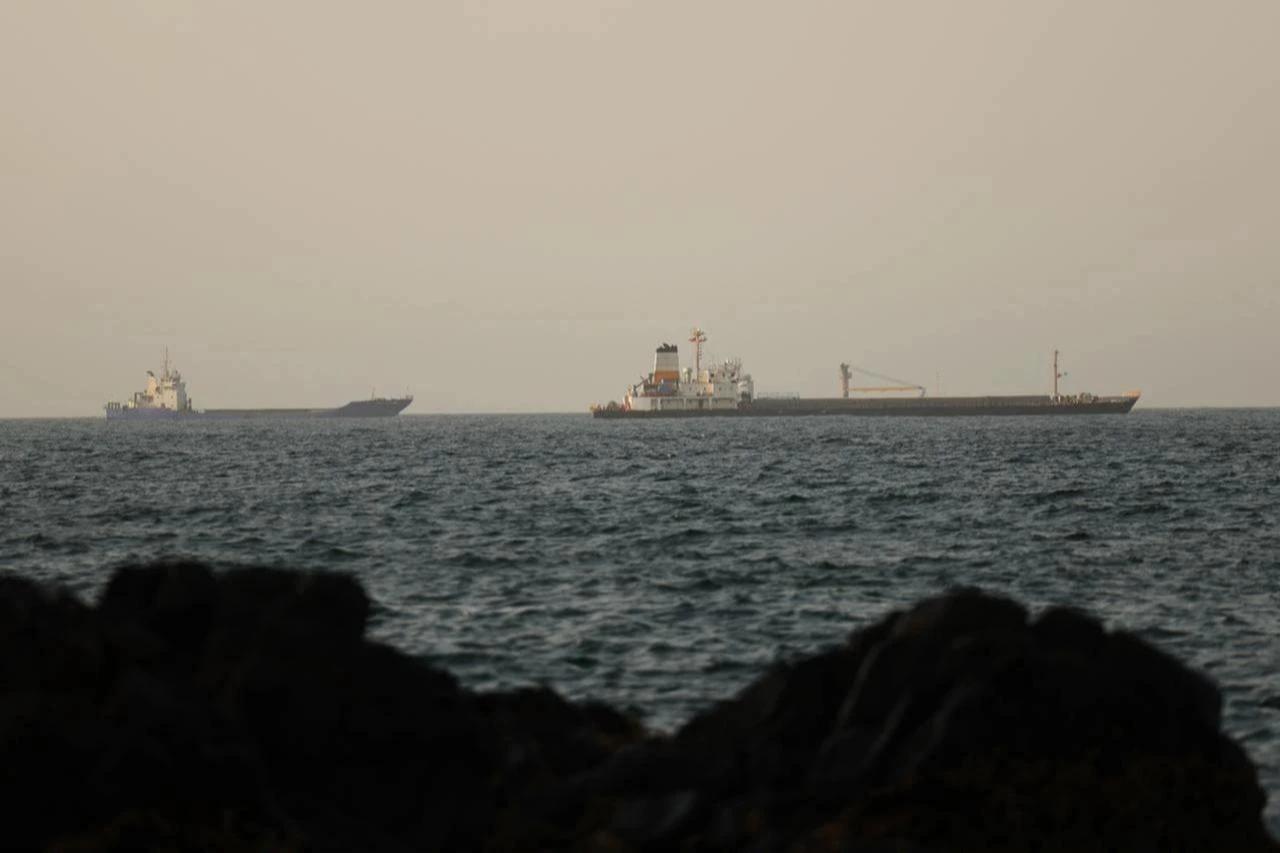

The IMO has verified at least 70 attacks on international shipping since the war began on Feb. 28, with 19 seafarers killed, according to its latest update.
An earlier six-month assessment recorded 68 incidents in the Gulf and neighboring waters, averaging one every 2.6 days. At least 20 seafarers or port workers were reported killed, 35 wounded and one missing in that broader tally.
The U.S. and Iran signed a memorandum of understanding in June and launched negotiations toward a final agreement, but the talks later stalled over security guarantees and freedom of navigation through the Strait of Hormuz.
Meanwhile, Iran and Oman have resumed talks on a temporary arrangement to restore commercial shipping through the strait.
Following consultations in Tehran on Aug. 25, the two countries discussed a phased framework that includes a joint temporary navigation corridor and a project to clear mines from the waterway, with technical negotiations set to continue toward a permanent corridor and future traffic-management arrangements.


 Set as preferred source
 Set as preferred source


 1 min read
 1 min read