Newsletters


At least 46 people were killed after two high-speed trains collided near Urda in Spain’s Toledo province, as emergency crews work to recover victims and hospitals prepare for an influx of injured passengers.
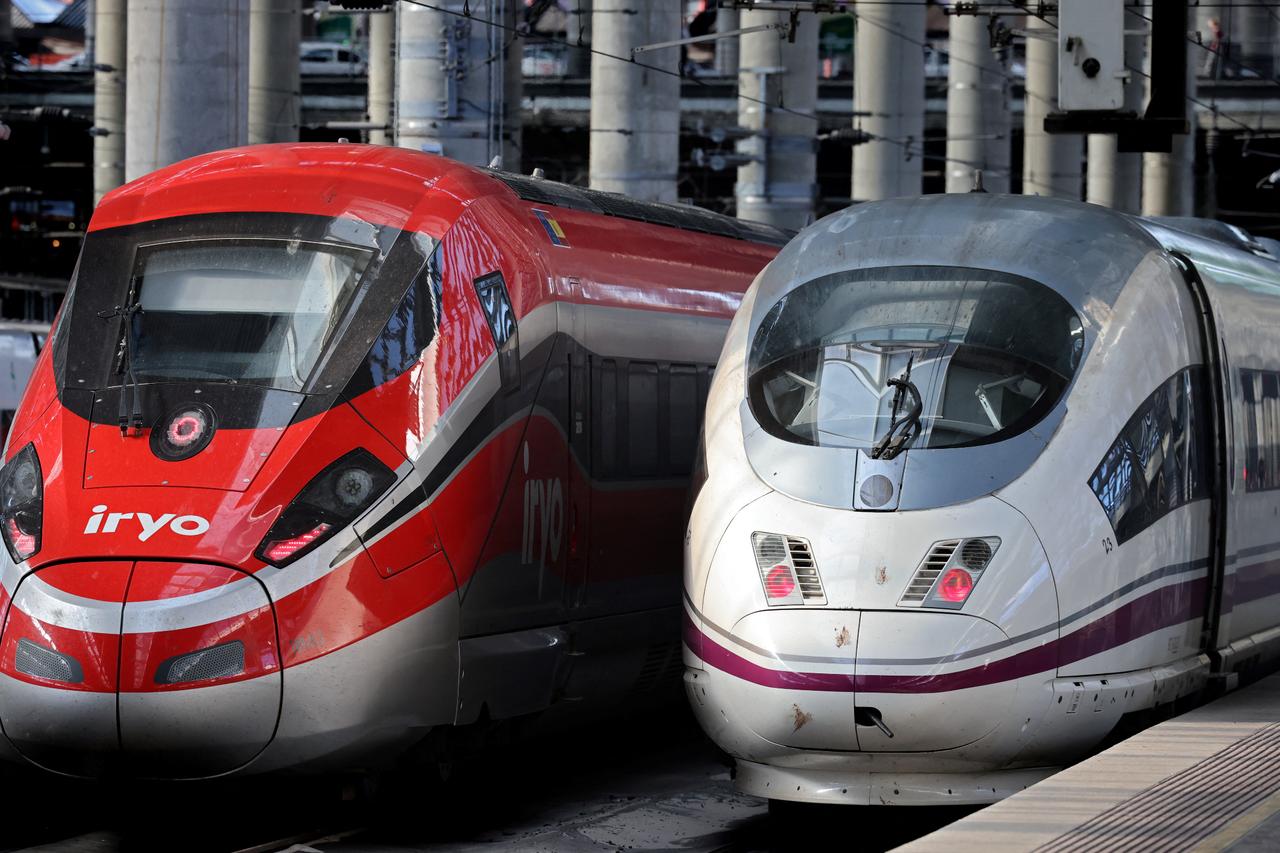
The crash occurred at around 8:54 a.m. local time (07.54 a.m. GMT) and involved a Renfe train traveling from Madrid to Seville and an Iryo service heading in the opposite direction, according to Spanish media reports. Two carriages tumbled down an embankment following the collision.
The exact number of injured passengers remains unknown, according to emergency service sources cited by Spanish media.
Rescue teams from several regions have headed to the crash site as authorities coordinate assistance for victims and their families.
Spain’s Military Emergency Unit has deployed personnel to support rescue operations, while Andalusia has sent intensive care ambulances and a logistical support vehicle. The Madrid regional government has also dispatched eight fire crews and eight emergency medical service units.
Toledo University Hospital has suspended all scheduled surgeries for Wednesday and canceled orthopedic consultations to free up staff and operating rooms for injured passengers. The hospital has prepared 11 operating rooms for emergency treatment.
Medical authorities have also requested equipment from the Madrid region and mobilized staff from other hospitals across Castilla-La Mancha to assist in Toledo.
Meanwhile, Mancha Centro General Hospital in Alcazar de San Juan has called for blood donations, warning that supplies need to be urgently replenished to treat the injured.
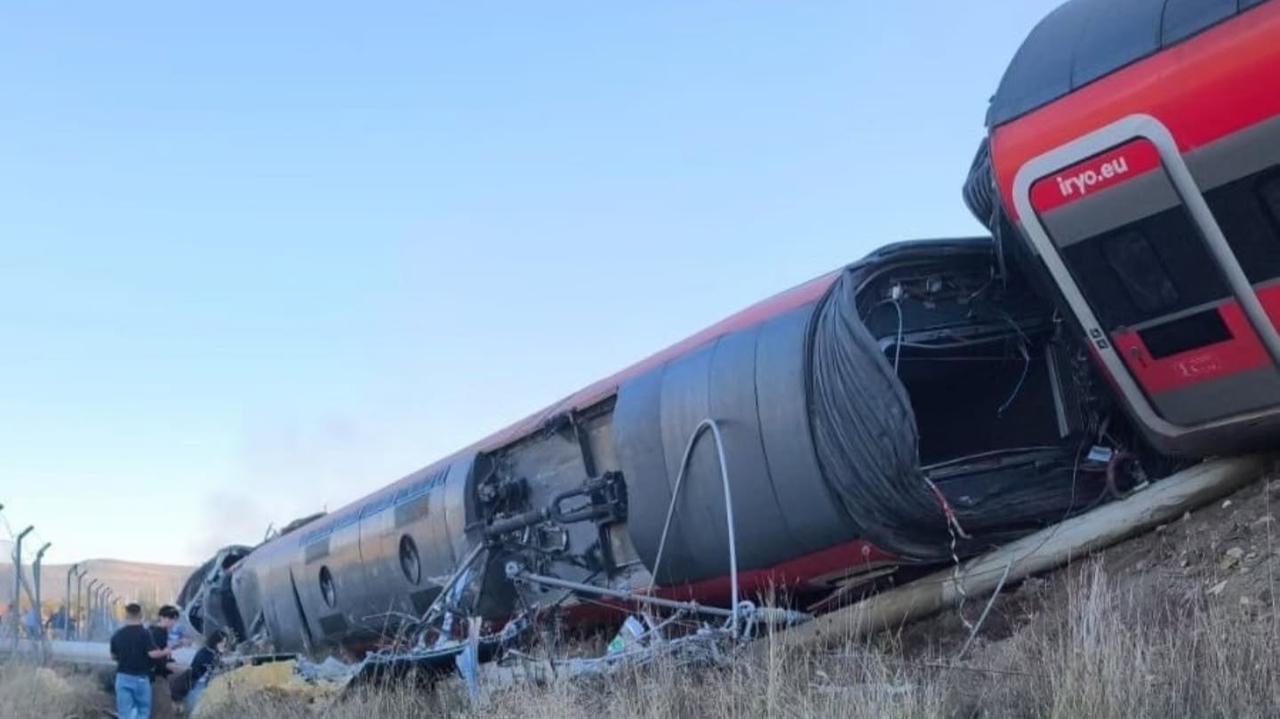

The collision has forced authorities to suspend high-speed rail services between Madrid, Ciudad Real and Andalusia.
Iryo has activated its emergency protocols and canceled all services departing Madrid-Puerta de Atocha for the southern corridor. The company has confirmed that its service 6076, traveling from Madrid to Seville, was involved in the crash near Urda at kilometer 118.
Initial information from Spain’s Transport Ministry indicates that a Renfe AVE train may have struck the Iryo train from behind, causing two Iryo carriages to derail. Authorities have yet to establish the cause of the collision.
Rafael Escudero, spokesman for the Railway Union, has described the crash as unusual in comments to Spanish broadcaster Antena 3. He has pointed out that train movements are monitored in real time and that drivers receive live information about track conditions, including potential obstacles.
The Castilla-La Mancha regional government has activated its emergency plan at operational level 2 in Toledo.
Transport Minister Oscar Puente has left an event in Madrid shortly after arriving, while Castilla-La Mancha regional President Emiliano Garcia-Page has canceled his schedule and headed toward the crash site.
Regional governments in Extremadura, Andalusia and Castilla y Leon have also contacted Castilla-La Mancha authorities to offer assistance.


 Set as preferred source
 Set as preferred source


 1 min read
 1 min read