Newsletters


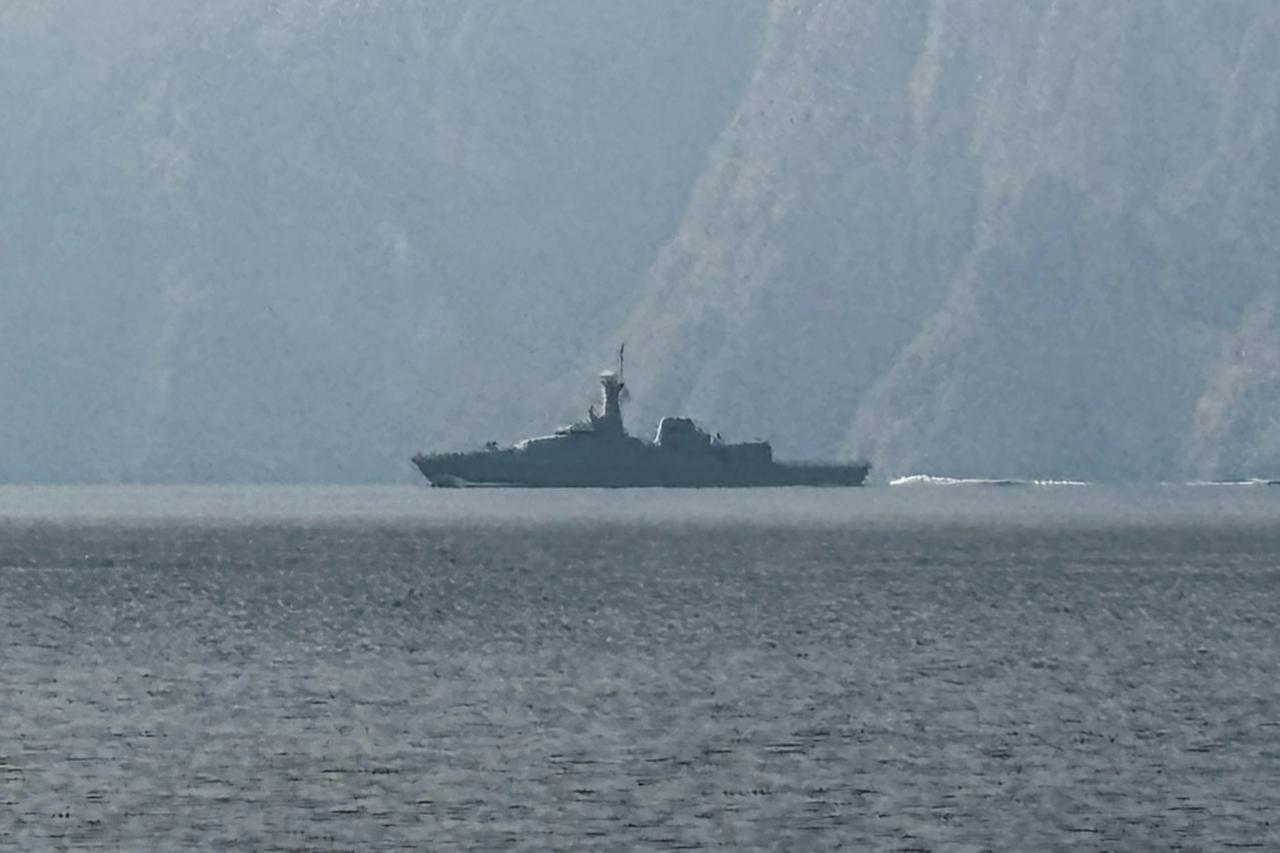


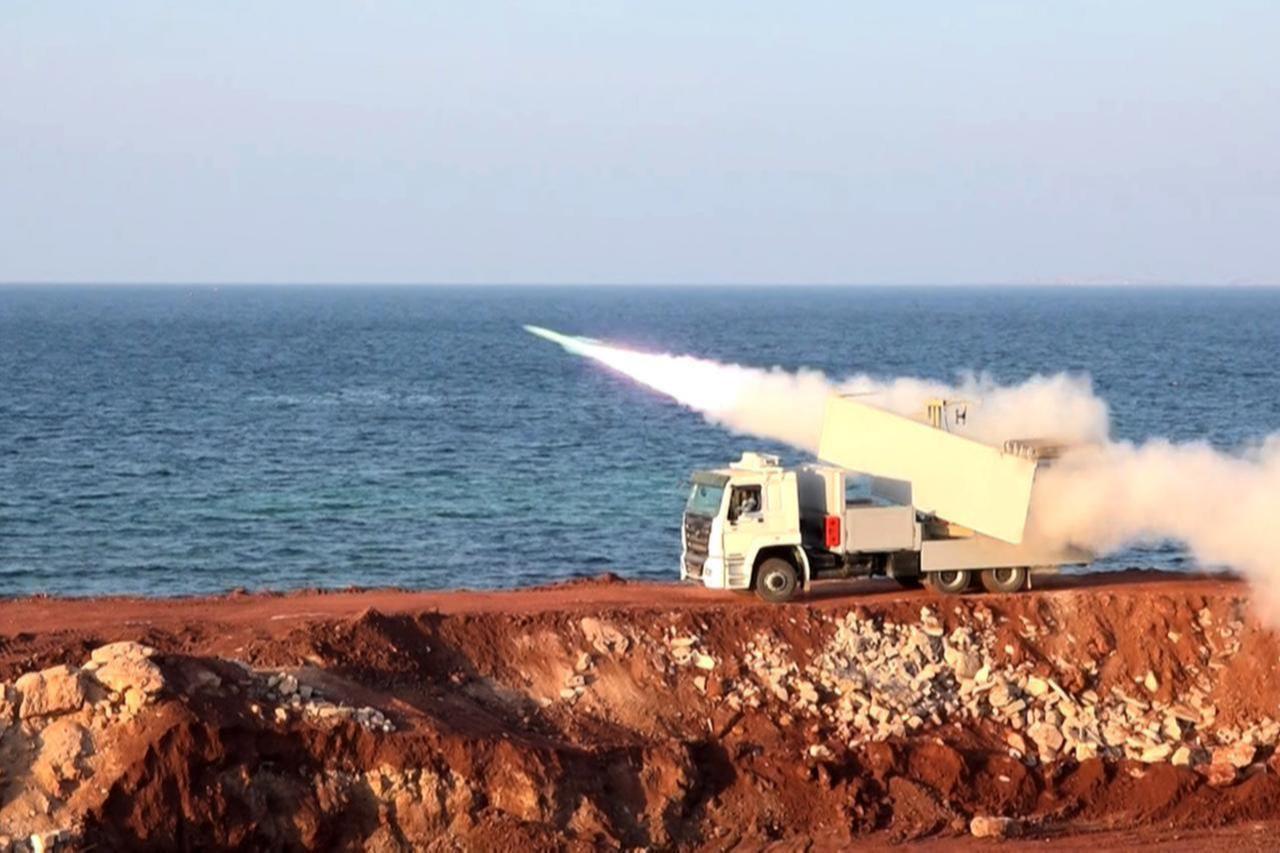
At least 10 vessels have come under attack in or near the Strait of Hormuz in the week since Iran blockaded the waterway in retaliation for US-Israeli strikes, nearly halting commercial traffic through the world's most critical oil chokepoint and killing at least seven crew members.
The campaign of drone and missile strikes, claimed by Iran's Revolutionary Guards, has driven tanker traffic through the strait down by 90% in just one week, according to analysis firm Kpler, which operates the MarineTraffic tracking platform. Only nine commercial ships, including tankers, cargo vessels and container ships, were detected crossing the strait between Monday and Friday, with some intermittently masking their position, according to MarineTraffic data analyzed by AFP.
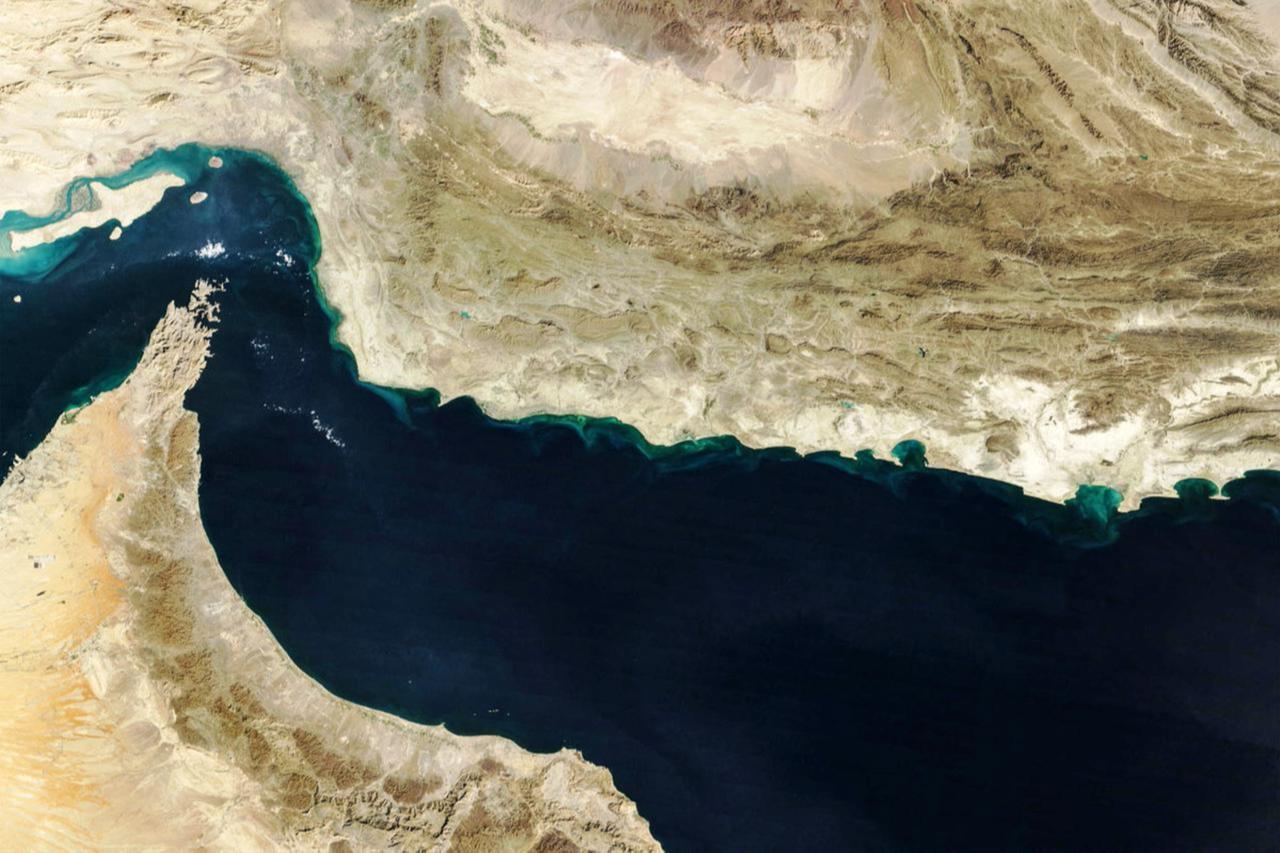
The strait, a narrow passage between Iran and Oman connecting the Persian Gulf to the open ocean, normally carries roughly 20% of the world's oil and liquefied natural gas supply. Its near-total shutdown since the February 28 outbreak of hostilities represents one of the most severe disruptions to global energy flows in decades.

The International Maritime Organization listed nine separate attacks on its website Friday, including four incidents that killed a total of seven people over a single week. Britain's maritime security agency UKMTO issued around 10 alerts for attacks and warnings of suspicious activity but released few details on the vessels involved.
The deadliest single incident came on March 6, when four people were killed in a strike on the Mussafah 2. Indonesia announced Sunday that a vessel matching the Mussafah 2's characteristics and last known position had sunk two days earlier, though with a different casualty toll: Jakarta reported three Indonesian crew members missing, one injured Indonesian survivor, and four survivors of other nationalities.
Three other fatal attacks occurred on March 2, with one person killed in each of the strikes on the Skylight, MKD Vyom, and Stena Imperative. The Hercules Star was also hit that day. Between March 3 and 5, four more vessels were struck: the Libra Trader, Gold Oak, Safeen Prestige, and Sonangol Namibe.
Maritime security firm Vanguard reported that the Mussafah 2 was hit by two missiles while attempting to assist the container ship Safeen Prestige, which had itself been struck two days earlier. The targeting of rescue operations prompted a warning from the Joint Maritime Information Centre, a body run by a Western naval coalition, which said Saturday that "vessels providing assistance or salvage operations to previously targeted vessels may also face elevated risk of follow-on strikes."
The JMIC assessed that the pattern of attacks against anchored vessels, drifting ships, and assistance vessels "indicates a campaign focused on creating operational uncertainty and deterring routine commercial movement rather than a sustained attempt to sink vessels."
Confirmation of individual incidents remains difficult. Drone and missile attacks claimed by Iran's Revolutionary Guards are not always verified by independent sources, some are confirmed only after several days, and the vessels involved are not always identified. Casualty tolls can also vary between sources.
Iran's own posture on the strait has been inconsistent. A Revolutionary Guards general warned on March 2 that Iran would "burn any ship" attempting to cross and would block all Gulf oil exports. Yet Iran's foreign minister, Abbas Araghchi, said Thursday the country had "no intention" of closing the Strait of Hormuz, a notable softening given that Iran itself exports oil through the waterway.
The mixed messaging reflects a longstanding tension in Iranian strategy. Tehran has historically leveraged the threat of a Hormuz closure as geopolitical leverage while recognizing that a full blockade would harm its own economy. The strait is Iran's primary route for its own crude oil exports, and any prolonged shutdown would cut off its revenue alongside that of rival Gulf producers.
Western powers moved to signal they would not accept a prolonged closure. US Energy Secretary Chris Wright said Friday that Washington would escort merchant ships attempting to transit the strait "as soon as it's reasonable to do it." French President Emmanuel Macron said Tuesday he was seeking to build a coalition to secure the "sea lanes essential to the global economy" in the region.
The strait handled roughly 21 million barrels of oil per day prior to the current crisis, and the vast majority of that supply, roughly 84% of crude, is bound for Asian markets. Major economies including China, India, Japan, and South Korea are heavily dependent on Gulf energy shipments that pass through the waterway, and few alternative routes exist to move those volumes.
Only Saudi Arabia and the United Arab Emirates operate pipelines capable of partially bypassing the strait, with a combined spare capacity estimated at around 3.5 million barrels per day, far short of replacing full Hormuz flows.


 Set as preferred source
 Set as preferred source


 1 min read
 1 min read