Newsletters


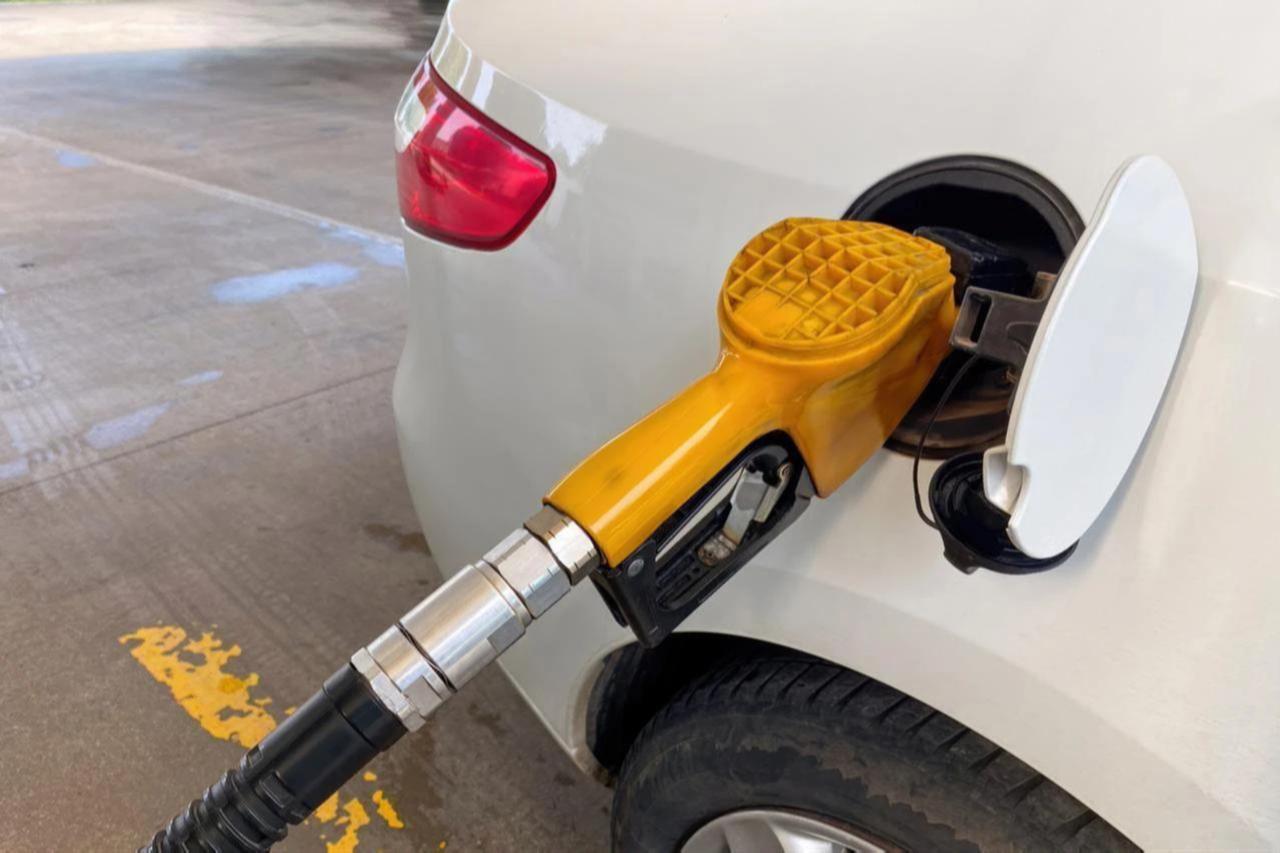


Long lines formed at gasoline stations across Baghdad as residents struggled to find fuel, prompting calls for the Iraqi government to quickly resolve a shortage that has disrupted daily life and taxi services.
Vehicle queues stretched outside stations that remained operational in several parts of the Iraqi capital, while residents said they had spent hours driving between stations in search of gasoline.
Abu Ahmed, a Baghdad resident, said the shortage appeared suddenly.
“Overnight, a fuel crisis suddenly began. There is not even a war in the country. A surprise crisis emerged for reasons we do not know,” he told Anadolu.
He said similar shortages had occurred periodically and urged the government to find a permanent solution.
“At my age, an elderly person like me should be resting at home, but instead I am going from station to station looking for gasoline. We could not even go to Friday prayers,” he said.
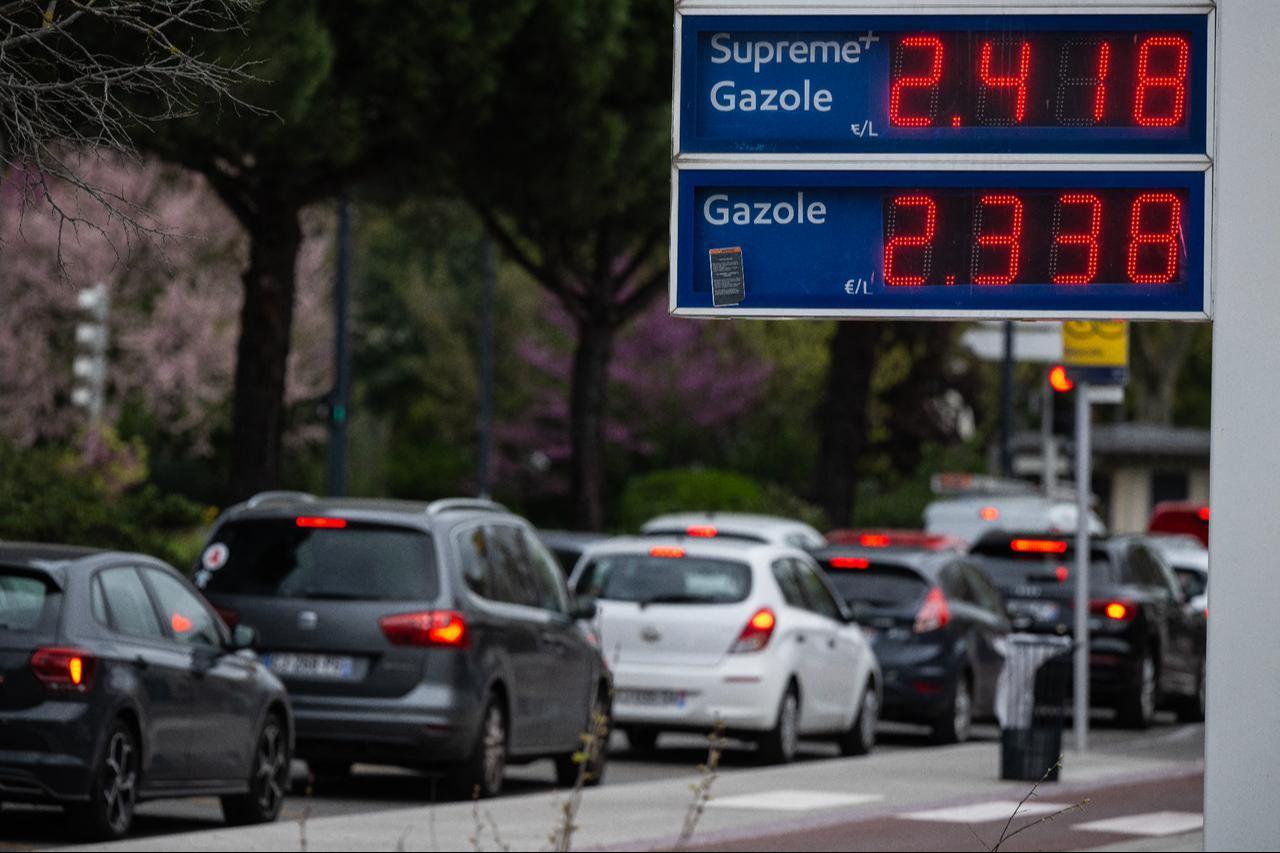

Taxi driver Ziyad Abdullah said he traveled through several areas of Baghdad for nearly two hours before finding a station with fuel.
“I drove all around Baghdad but could not find gasoline. At the station I finally reached, there was a long queue,” Abdullah said.
The congestion at fuel stations has disrupted residents’ daily routines and particularly affected taxi drivers whose work depends on access to gasoline.
The fuel crisis emerged after some stations stopped operating, leading to long vehicle queues that also negatively affected traffic across Baghdad.
 2 min read
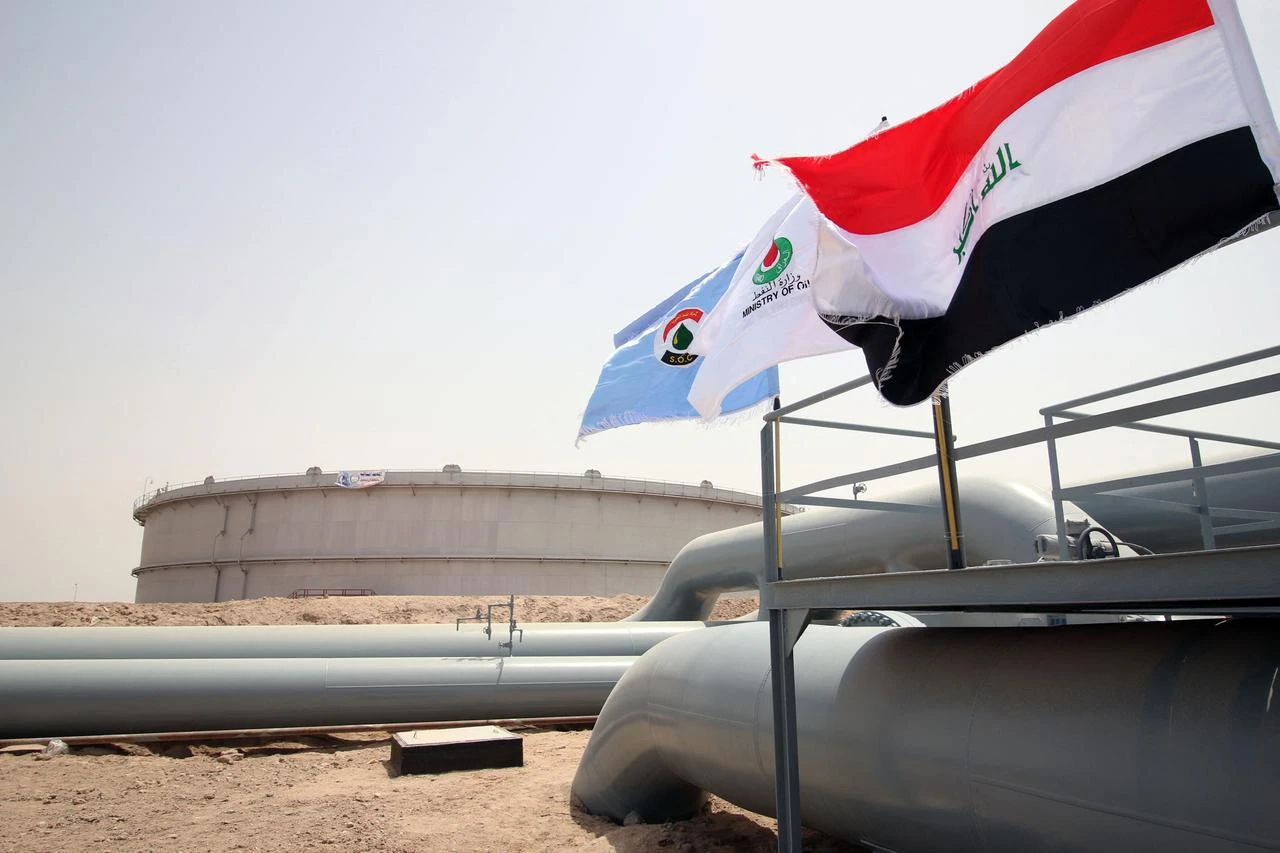
Iraqi Oil Ministry spokesperson Selim al-Rukabi said the congestion at fuel stations resulted from a gap between production and consumption levels.
He said measures were being taken to address the gasoline supply deficit and strengthen the country’s strategic reserves.
Iraq is one of the world’s largest oil producers and exporters, with about 145 billion barrels of proven reserves.
However, the country’s oil production fell by 60% during April, May and June amid the U.S.-Iran war, dropping from 3.3 million barrels per day to 1.3 million barrels per day.
Production began recovering in July and August.


 Set as preferred source
 Set as preferred source


 1 min read