Newsletters


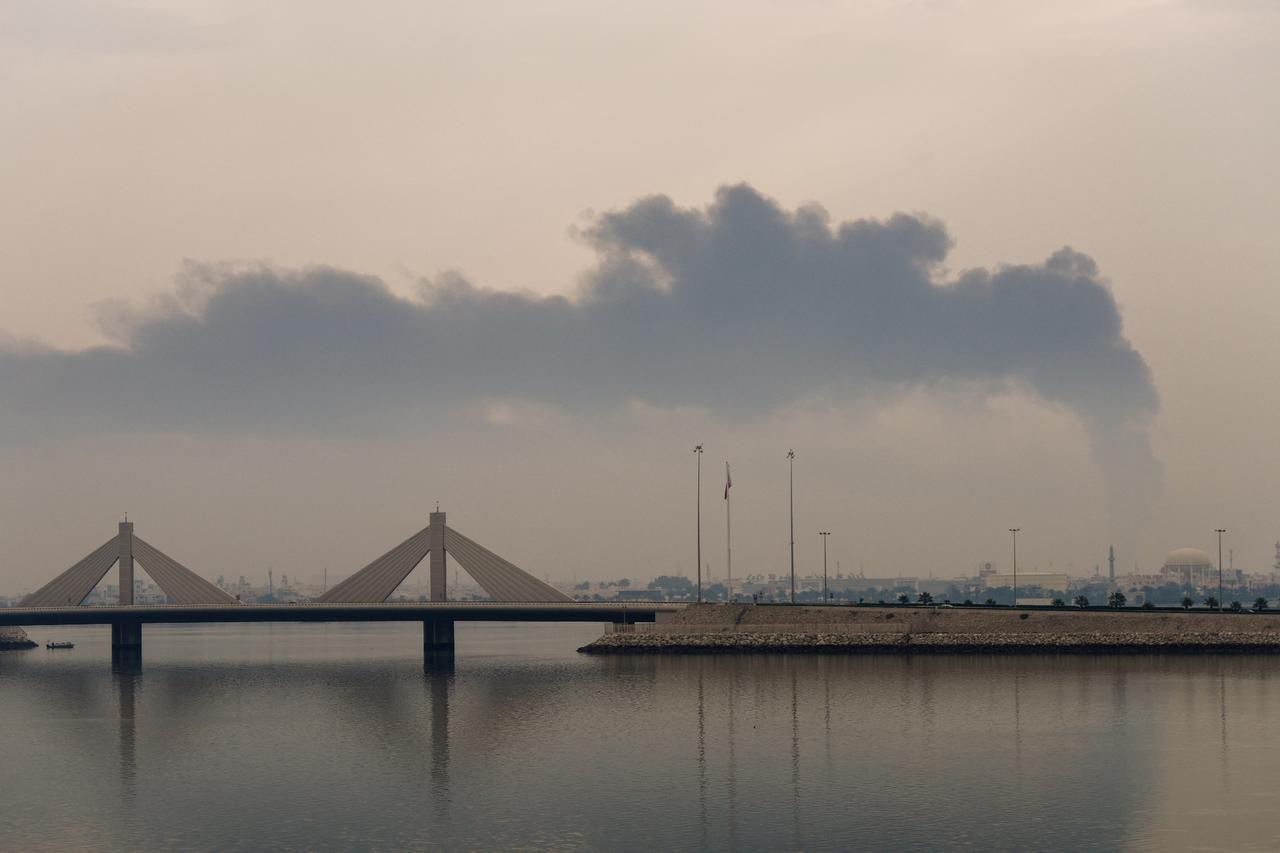


Bahrain gave Saudi Arabia a geopolitical cardiac episode when Shia protesters flooded its streets during the Arab Spring. A decade later, the island hasn't calmed; it has only grown more complicated. Yet, as the shadow of war with Iran stretches across the Gulf, Bahrain may now be the least of Riyadh’s many mounting problems.
If the Gulf were a theater, Bahrain would be the stage on which every tension in the region is performed simultaneously: the Shia-Sunni fault line, the Iran-Arabia rivalry, the American military footprint, and a domestic crackdown running concurrently with missile strikes from above. It is, in the taxonomy of geopolitics, a place where the margin for error has never existed.
The math of Bahrain's vulnerability is not complicated.
The island sits 25 kilometers from the Saudi coast and within eyeline of the Iranian shore. Its population is majority Shia, governed by a Sunni monarchy, and hosts the United States Navy's Fifth Fleet. These facts do not coexist easily. They are the ingredients of a pressure cooker that various regional actors have been heating for fifty years, each convinced the others will flinch first.
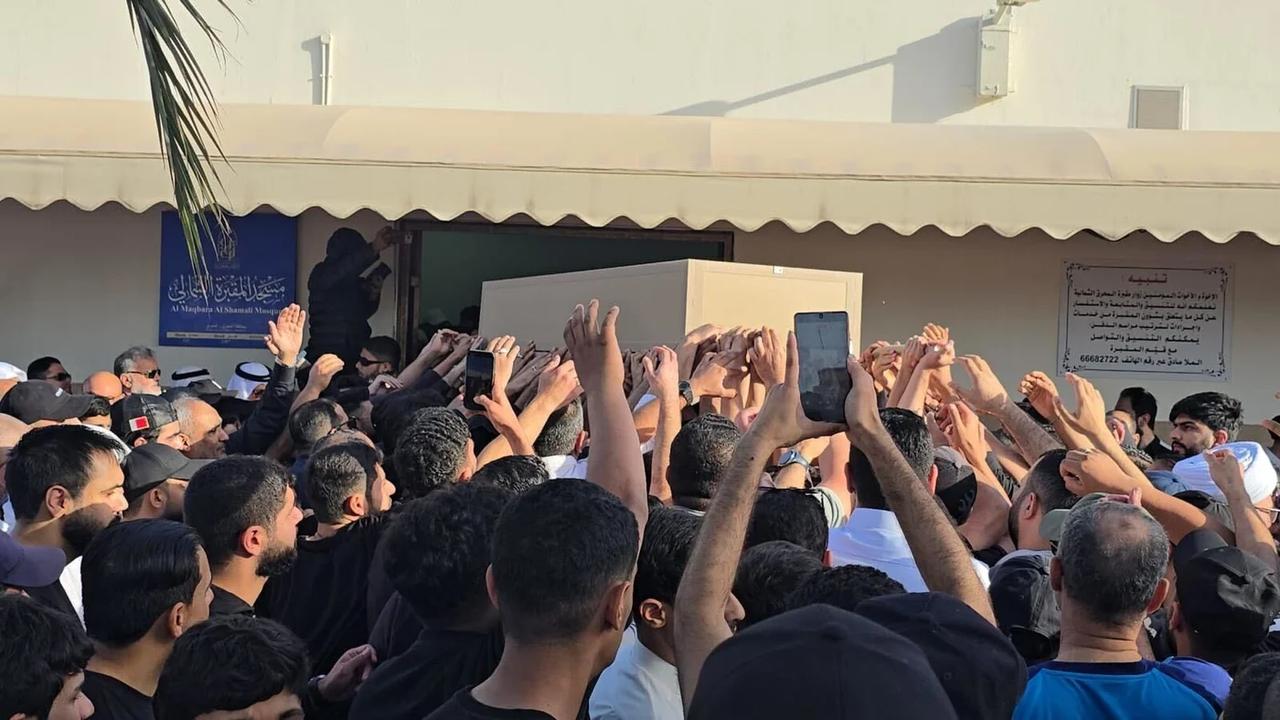

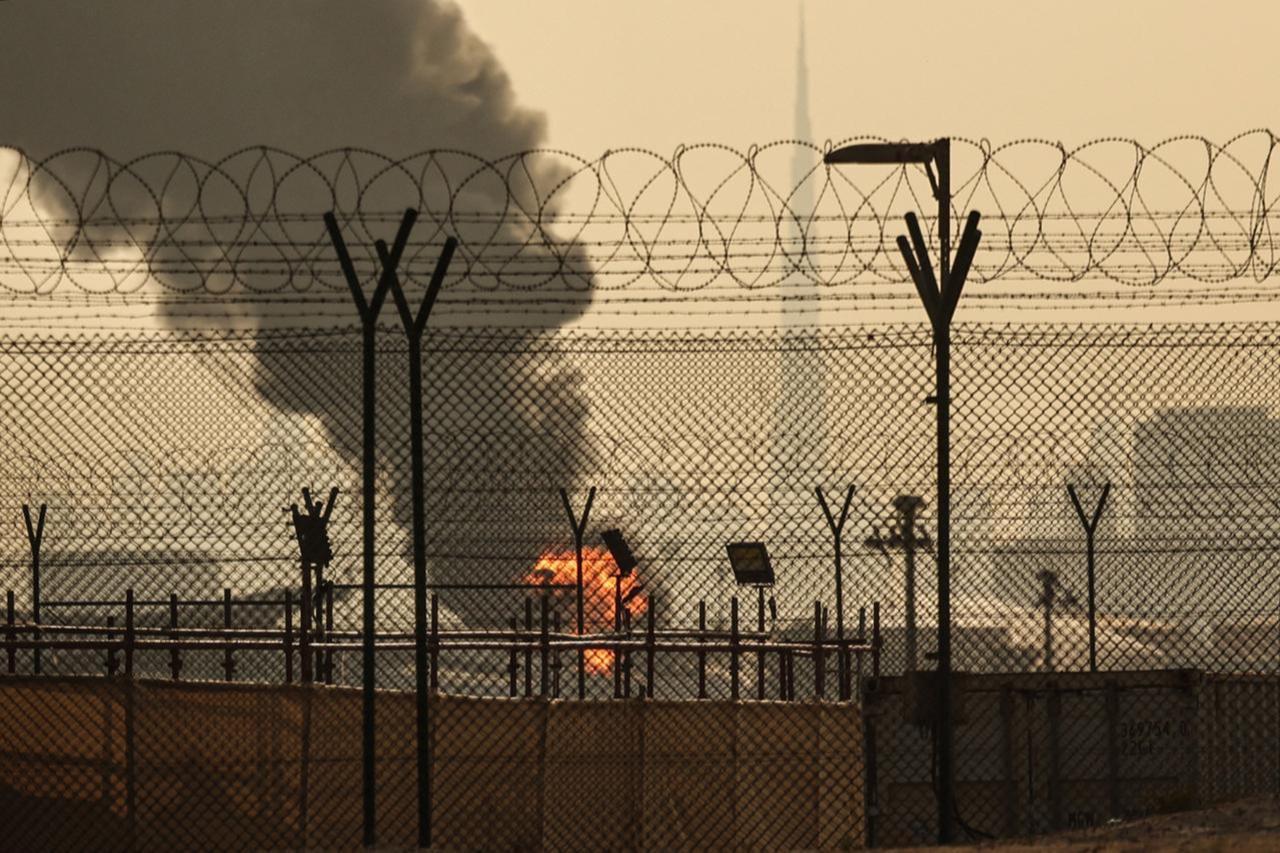
Since Iran began retaliating against Gulf states for the U.S.-Israeli military campaign launched a month ago, Bahrain has intercepted and destroyed 186 missiles and 419 drones. Explosions from direct impacts and debris have been reported across the island.
At least three people have been killed; dozens more injured. For an island the size of Greater London, it is the entire foreground, not only a background noise.
And then there is Mohamed al-Mosawi. On the night of March 19, the 32-year-old went out with friends to eat suhoor, the predawn meal of Ramadan's final days. According to the Bahrain Institute for Rights and Democracy (BIRD), Mosawi and six companions were detained at a checkpoint by security forces. He did not come home.
Now he is believed to be the first death in custody since the war began. The Interior Ministry denies this and says an investigation is underway.
He is not an isolated case, according to the opposition groups. At least 220 people have been arrested since the conflict began, per the institute's records, with the actual number likely higher given what it describes as enforced disappearances.
The crackdown targets predominantly the Shia community, the same community that, in the war's opening days, some reports described as celebrating Iranian strikes on American bases.
The Gulf Cooperation Council has never been a monolith, and the current war has exposed its internal fault lines with unusual clarity.
William Roebuck, executive vice president of the Arab Gulf States Institute and former U.S. Ambassador to Bahrain, draws a map of convergence and divergence.
In an interview with Türkiye Today, all Gulf states, he says, "feel angry at Iran for attacking them in an unjustified manner. They feel like Iran has tried to drag them into a military conflict when they have not committed military aggression against Iran." That much is shared.
Past it, the consensus dissolves. Qatar and Oman have historically positioned themselves as potential mediators, maintaining enough distance from any single axis to remain useful to all. The UAE navigates the particular complexity of a state that is geographically proximate to Iran, commercially intertwined with it, home to a large Iranian population in Dubai, yet publicly willing, in Roebuck's careful phrasing, to be "a bit more open about challenging Iran publicly."
Saudi Arabia, seeing itself as Iran's historical equal in regional weight, moves with the measured deliberateness of a power that believes it can absorb more time than its rivals.
Bahrain has never enjoyed the luxury of its own position. It remained a British protectorate until 1971, when independence arrived less as a liberation than as an administrative reassignment; a byproduct of Britain’s sudden, total retreat from the Gulf.
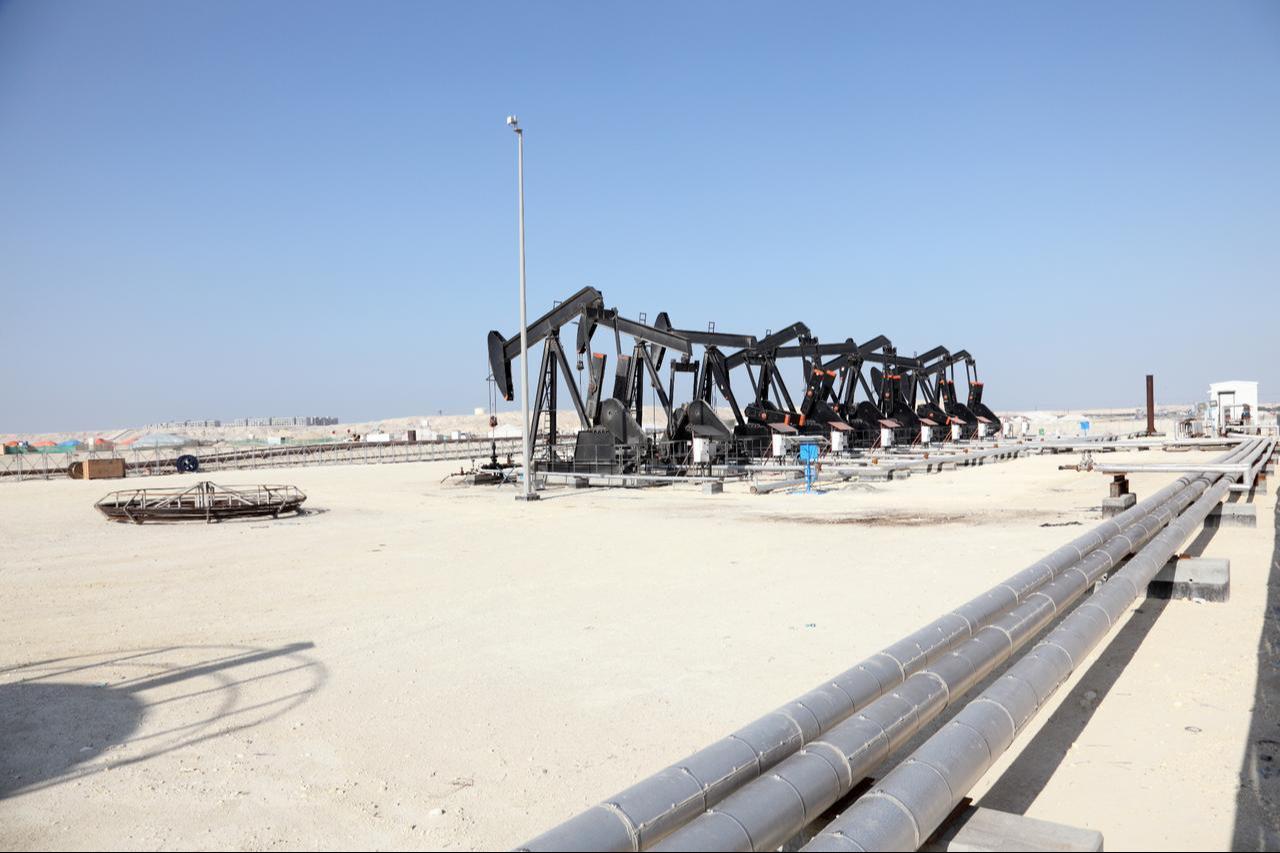
Oil had been discovered in 1932, the first in the Arabian Peninsula, which made Bahrain strategically indispensable before it had the institutions to manage what that meant.
Where other Gulf neighbors consolidated territory and sovereign identity, Bahrain inherited a pre-existing crisis. Iran had claimed the island as its 14th province since the Safavid era; it formally relinquished that claim the same year Britain left, though the move was made with reluctance and remained a matter of public record.
The Shia majority, who had lived under the Al Khalifa Sunni dynasty since the late 18th century, understood from the outset that their country's sovereignty was a negotiation between larger powers conducted largely without them.
By the time the Fifth Fleet anchored itself in Manama in 1995, the island had already spent decades as someone else's calculation.
To understand Bahrain now, one has to begin with the Arab Spring.
In February 2011, hundreds of thousands of Bahrainis gathered at the Pearl Roundabout in Manama, demanding political reform and an end to systematic discrimination against the Shia majority. The government's response, backed by Saudi troops who crossed the causeway, was to dismantle the roundabout itself. The pearl was removed. The circle was erased. The grievances were not.
What followed was a decade of friction that never quite boiled over: opposition figures arrested, citizenship stripped, human rights reports filed into the diplomatic void. Iran was not an innocent bystander. Bahrain repeatedly accused Tehran of interfering in its internal affairs, training opposition figures, and smuggling weapons. The accusations accumulated like compound interest—never fully resolved, always politically useful.
Then came the diplomatic thaw.
William Roebuck describes the pre-war mood: the Gulf states "had developed good diplomatic relations with Iran over the past two, three years through the auspices of China. These diplomatic relations were working. They had reopened their embassies. They don't have great relations with Iran, but they were managing their relations."
That management is now in pieces.
Among all the Gulf actors, Bahrain is the one with the least margin for strategic posture. "They're very vulnerable," Roebuck told Türkiye Today. "Bahrain's a very small country. It's very, very close to Iran. Iran has previously made territorial claims about Bahrain."
The early days of the war produced something politically awkward: credible reports that parts of Bahrain's Shia population were celebrating Iranian strikes on U.S. installations. The regime did not respond subtly. The arrests began.
But Roebuck's more recent read of the mood is more nuanced. His assessment, based on conversations with people in Bahrain, is that this initial sympathy has "died down or disappeared. Because, to be honest, all Bahrainis have suffered under these attacks. There have been casualties and economic losses on all sides, not just for one side of the political spectrum in Bahrain. Those shells and the drones, they have fallen on all communities in Bahrain. So I think there's a sense of a shared danger there."
Missiles are efficient equalizers. The Pearl Roundabout has been paved over for more than a decade, but the grievances it represented remain unburied. Today, however, the math has changed: there is a cold, new distance between political sympathy and the desire to be in the blast radius.
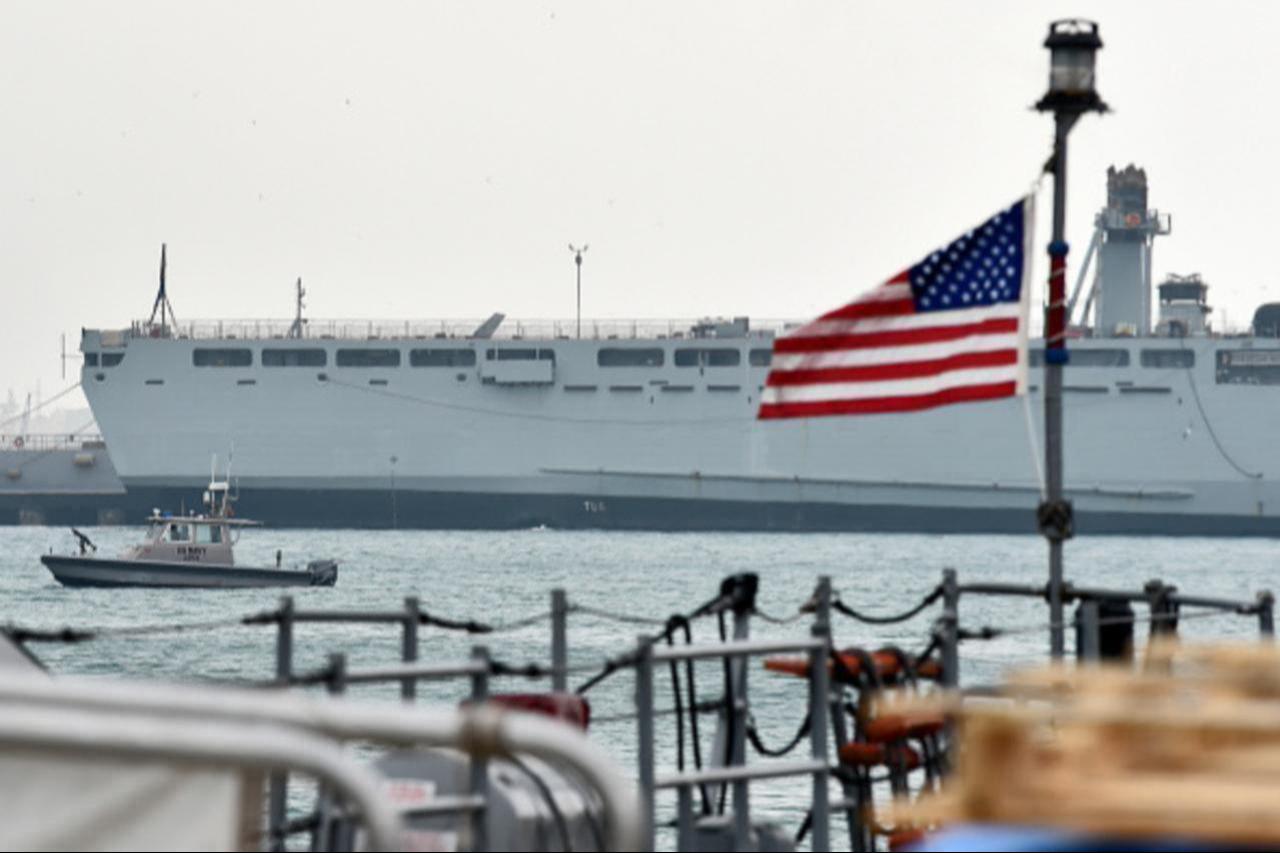
There is a grim coherence to Bahrain's situation. Too small to absorb a war, too divided to present a unified political face to it, too strategically positioned to be ignored by any of the relevant powers. The monarchy governs through a combination of legitimacy and security pressure; the opposition organizes through diaspora networks and human rights documentation; the Iranians fire missiles that land on both communities alike. The Americans are next door, anchored in the Fifth Fleet headquarters, which provides security guarantees and simultaneously makes the island a target.
Somewhere between those facts lies the story of Bahrain: a country whose internal contradictions have always been managed rather than resolved. Today, it is absorbing a war that was never its own, and consequences that are entirely so. The Pearl Roundabout was not rebuilt. They put a highway there instead—faster, more efficient, and considerably harder to gather in.


 Set as preferred source
 Set as preferred source


 1 min read

 1 min read