

 Newsletters


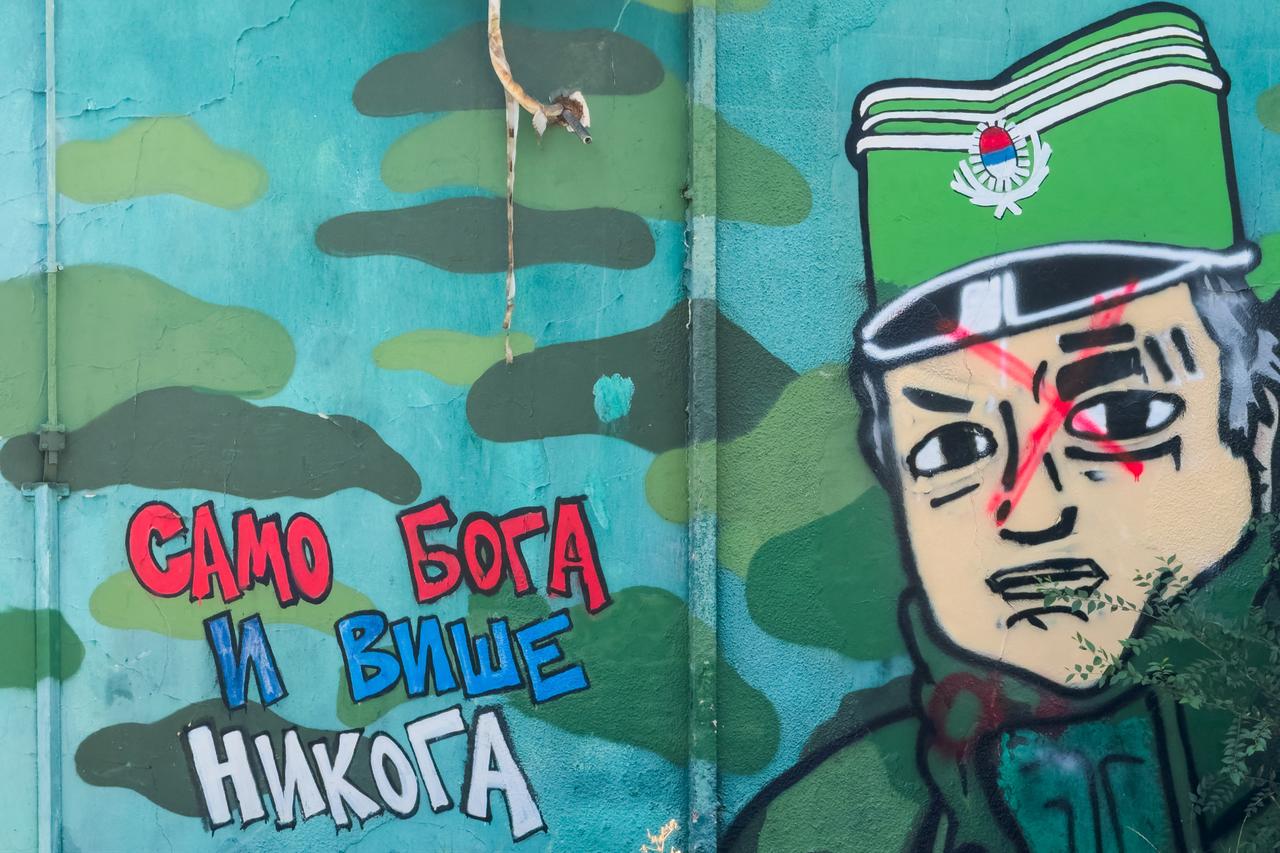


The ceremonial transfer of the body of convicted war criminal Ratko Mladic to Serbia has drawn strong reactions across the Balkans and from European officials.
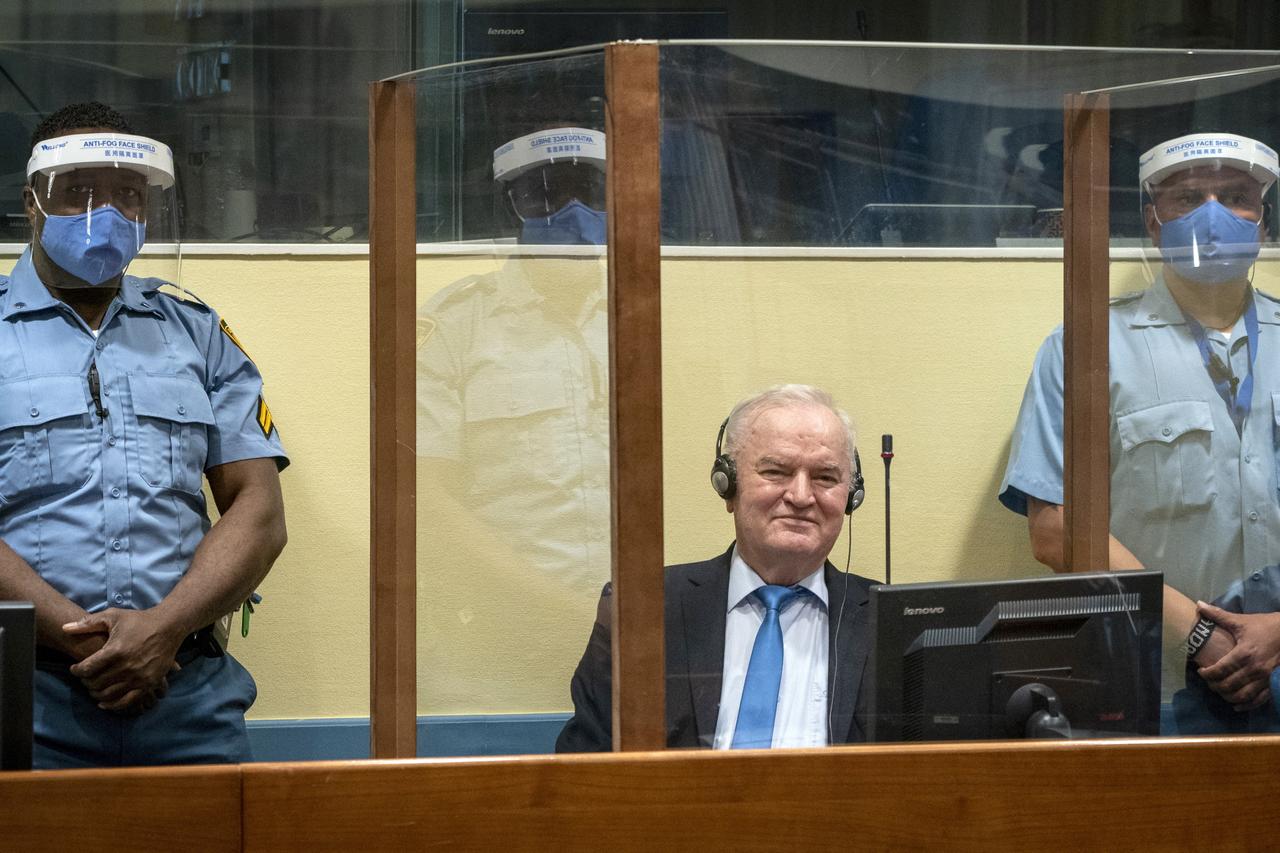
Mladic, who was convicted of the genocide committed against Bosniaks in Srebrenica in eastern Bosnia and Herzegovina in July 1995, died in prison in The Hague, the Netherlands, where he was serving a life sentence for crimes against humanity, genocide and war crimes.
His body was brought to Belgrade after his death at the age of 84 following health problems.
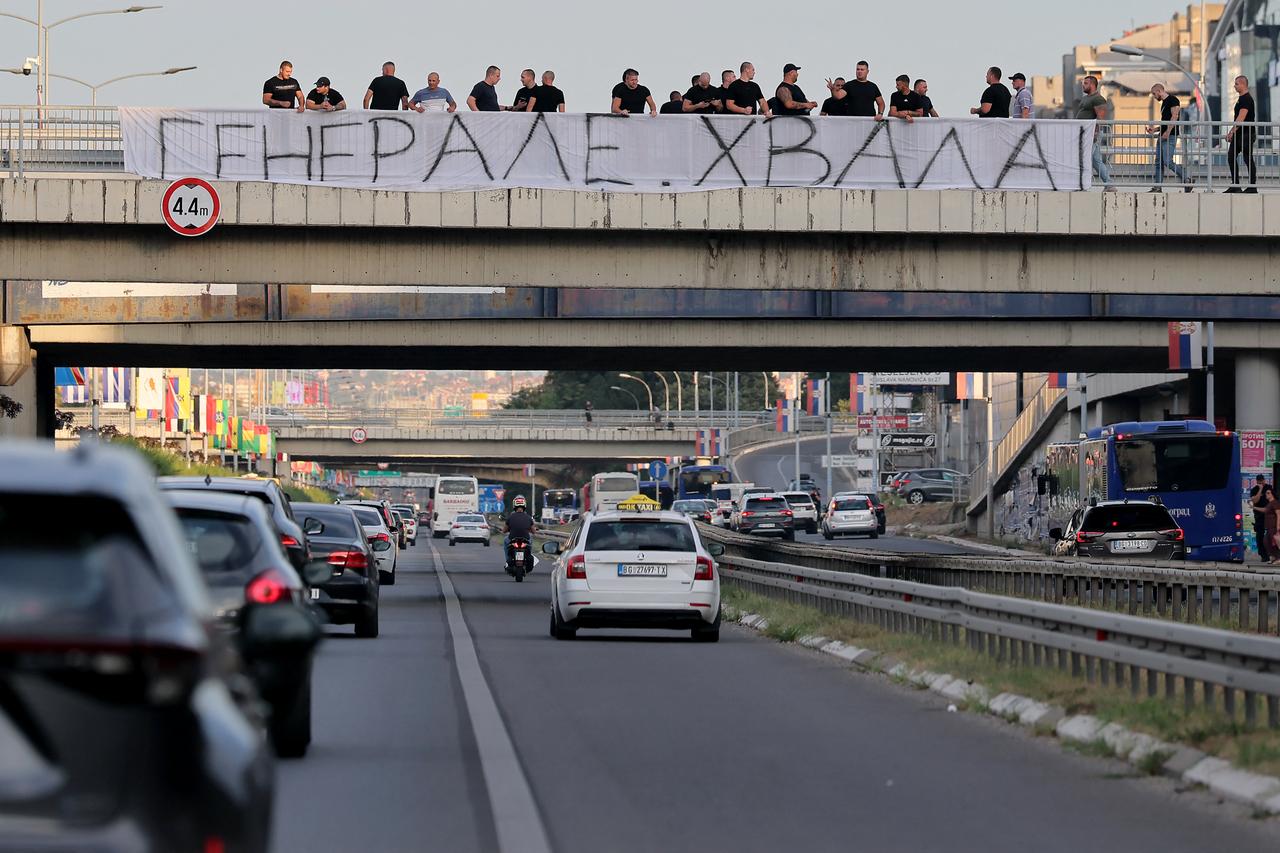
The ceremonial reception of Mladic’s body and plans to bury him Monday with a state ceremony were condemned by leaders and officials in several Balkan countries.

Denis Becirovic, chairperson and Bosniak member of the Presidency of Bosnia and Herzegovina, said Mladic was one of the most ruthless criminals in history.
In a statement published on the Presidency’s website, Becirovic said burying Mladic with a state ceremony amounted to glorifying criminals.
He warned that holding a state ceremony for Mladic could lead to unpredictable consequences for the region’s future.
“This attitude toward a war criminal responsible for the genocide against Bosniaks is the cruelest provocation and insult against the victims of genocide,” Becirovic said.
“The glorification of convicted war criminal Ratko Mladic, against whom there is a final court ruling, is a direct blow to the values of the United Nations (U.N.), to which the court that convicted this criminal by final judgment is affiliated,” he added.
Becirovic called on the European Union, the Council of Europe, the U.N., and other international actors to condemn and take concrete steps against those who institutionally glorify convicted war criminals.
Slovenian Foreign Minister Tone Kajzer also criticized the honoring of Mladic after meeting his Croatian counterpart Gordan Grlic Radman in Ljubljana.
Kajzer said Mladic was being “glorified” in Serbia and that this was not the right path.
Mladic had been punished for the crimes he committed, Kajzer said.
“Glorifying or promoting these individuals in any way will certainly not concretely contribute either to Serbia’s progress or to the development of mutual understanding among neighbors and in the region,” he said.
Radman said holding a state ceremony for Mladic undermines steps toward stability and security in the western Balkans and deepens divisions.
He said Mladic also committed war crimes in Croatia and added that he was saddened that Mladic had not been punished for them.
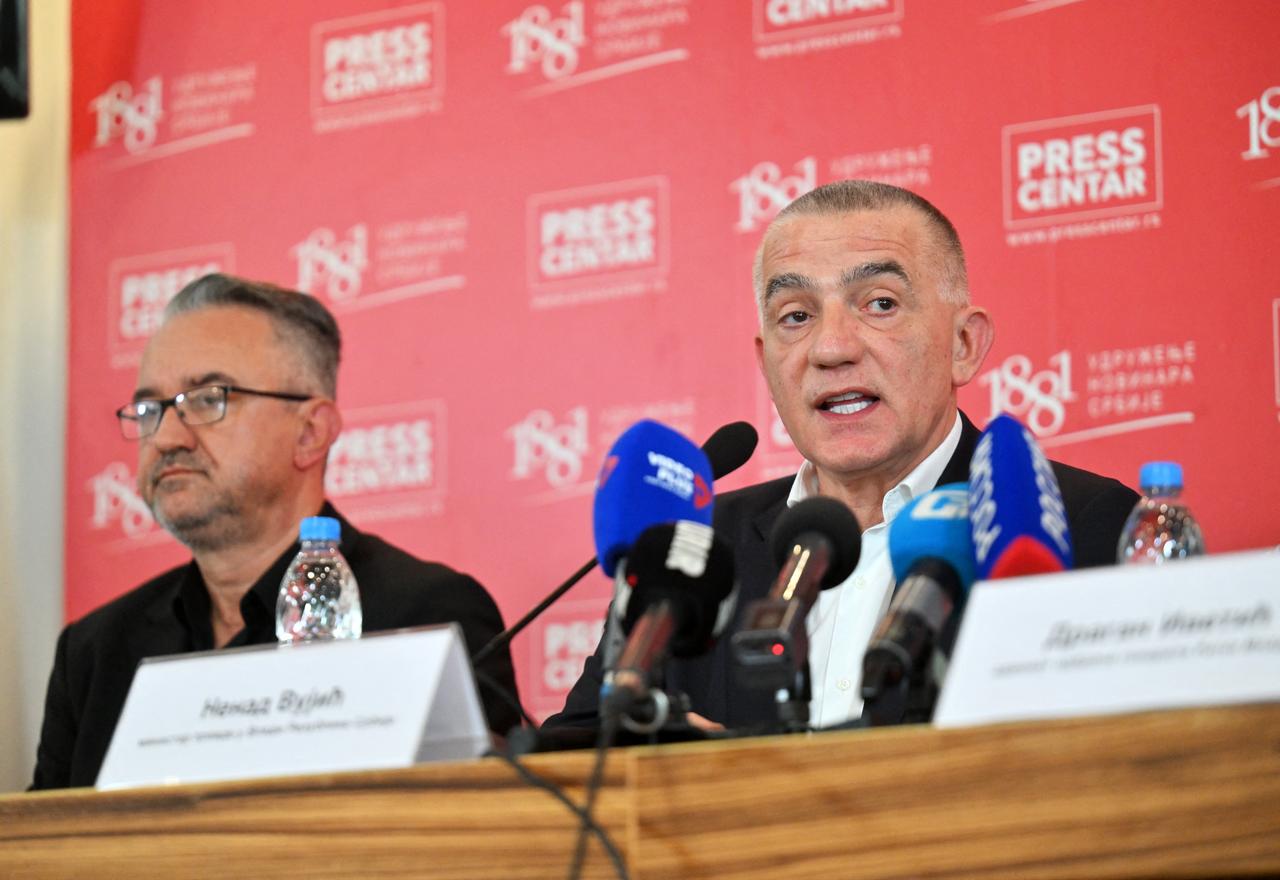
Kosovo Prime Minister Albin Kurti also reacted to the ceremonial transfer of Mladic’s body to Belgrade.
Speaking at an event in Pristina, Kurti pointed to what he called a major paradox in Serbia.
“The body of Ratko Mladic, a criminal convicted of genocide and war crimes, is being received with a high-level state ceremony by Aleksandar Vucic, a former minister of Slobodan Milosevic and now the president of Serbia,” Kurti said.
Kurti recalled that one week after the Srebrenica genocide, Mladic said: “For every Serb killed, 100 Bosnian Muslims will be killed.”
He said Mladic being received with a high-level ceremony was a clear example of how one of the main figures responsible for the gravest crimes of the Bosnian War was being glorified in Serbia.
“When a society publicly honors a person convicted of genocide, it is difficult to speak of confronting the past, remorse or distancing itself from the policy that produced these crimes,” Kurti said.
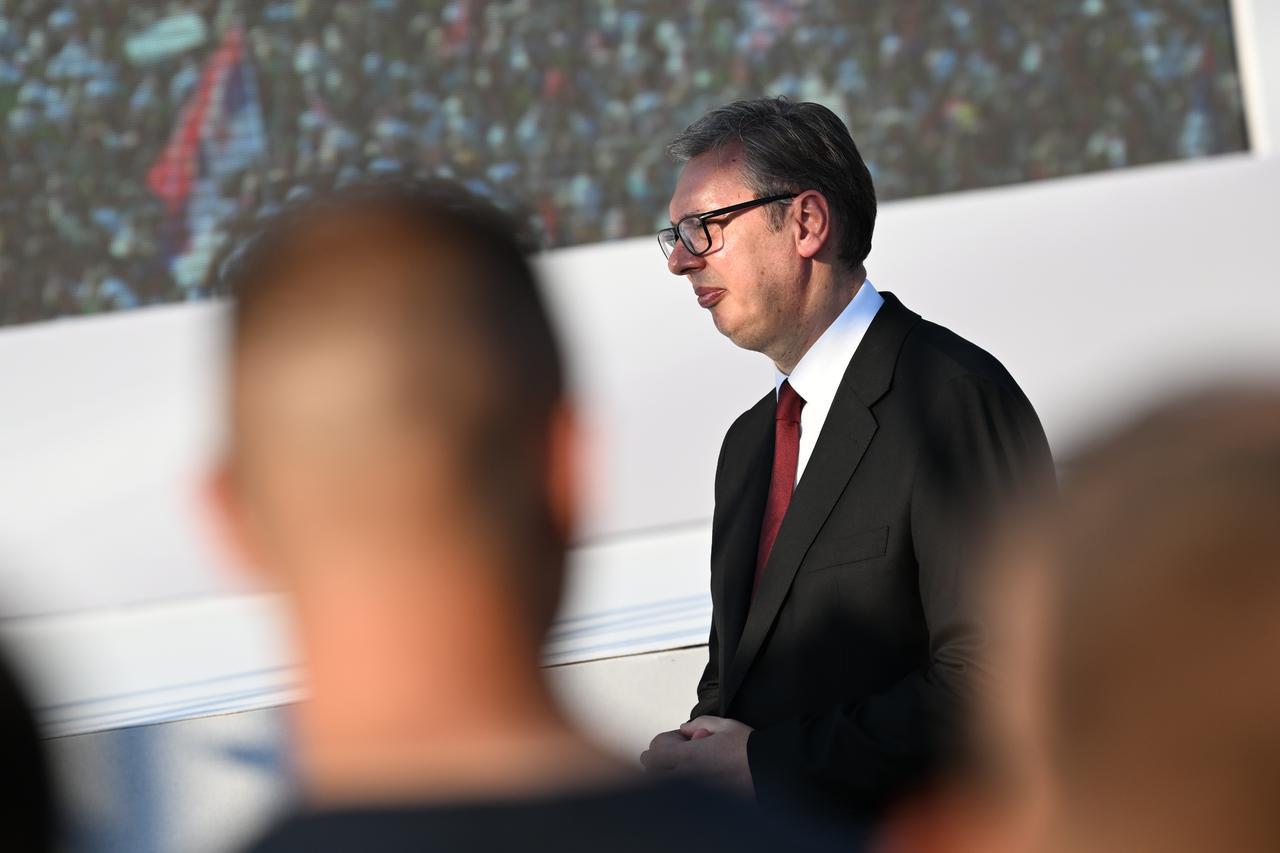
Serbian President Aleksandar Vucic said decisions on where Mladic would be buried and how the ceremony would be held were made by Mladic’s family.
Vucic also said he would not attend the funeral because of a previously planned visit to Uzbekistan.
A memorial ceremony will be held for Mladic in Belgrade on Sunday.
On Monday, his body will be opened for visitation at a church before being taken in a procession through Belgrade and buried at Topcider Cemetery.
Vucic offered to organize Mladic’s burial in Serbia after his death.
Belgian Foreign Minister Maxime Prevot on Friday condemned the honoring of Mladic at his funeral, warning that it further distances Serbia from the European Union’s fundamental values.
“I condemn that act in the strongest terms and have passed this message to my Serbian counterpart in charge of European affairs this morning,” Prevot said on X.
He said honoring Mladic, who was convicted of war crimes, crimes against humanity and genocide, was “shameful and disrespectful” to the victims and their families.
Prevot said the act represented “a step distancing Serbia from the EU’s fundamental values of respect for human dignity, human rights and the fight against impunity.”
He warned that it was “going in the opposite direction of what is expected from an EU candidate country.”
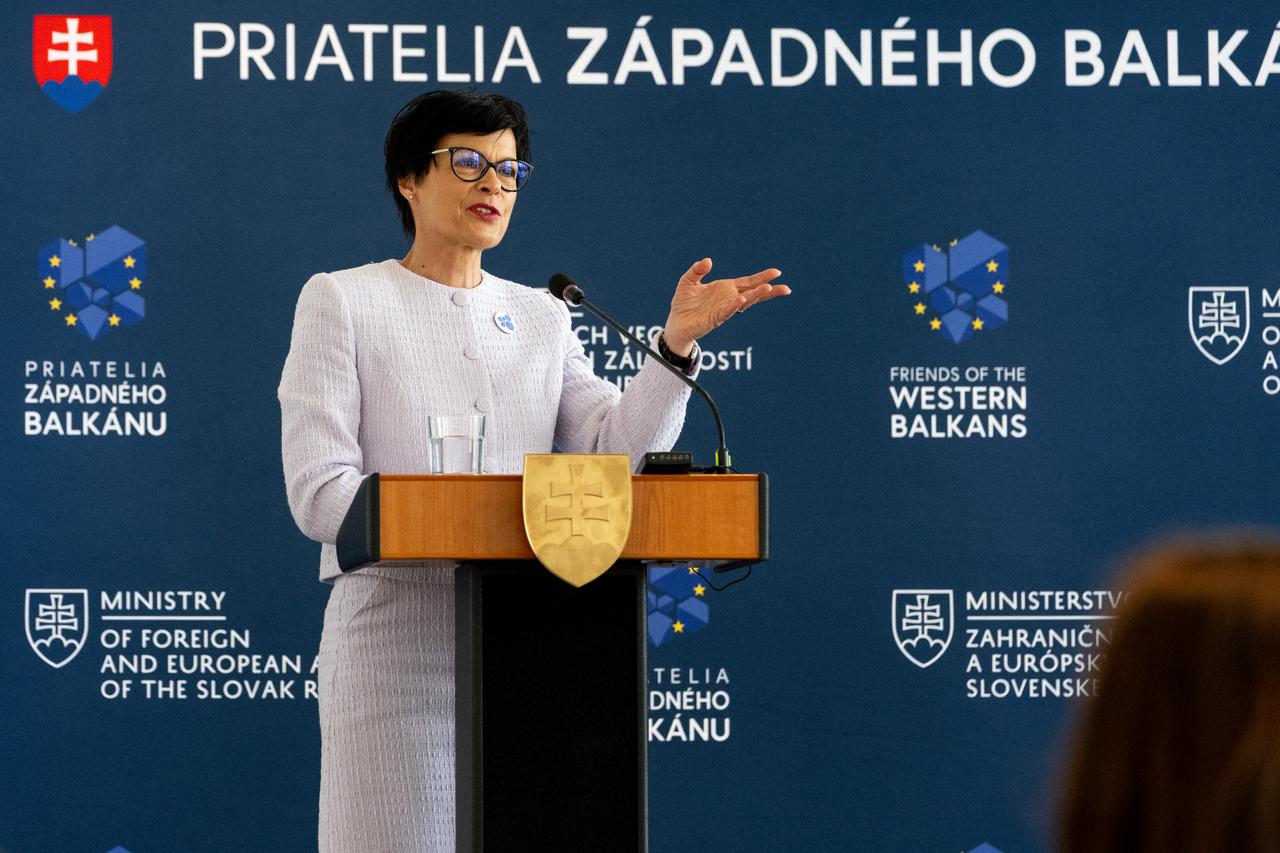
European Commissioner for Enlargement Marta Kos also said she had decided to cancel her planned visit to Serbia, citing the glorification of Mladic following his death.
“The glorification surrounding his death is incompatible with the values on which the EU path is built. That path requires confronting the past, genuine reconciliation and respecting the victims of war crimes,” Kos wrote on X.
“The values that underpin our common future are not negotiable. In this context, I have decided not to proceed with my planned visit to Serbia at this time,” she added.
Serbia has been an EU candidate country since 2012 and has been engaged in accession negotiations with the bloc since 2014.
 2 min read
Ratko Mladic was born in 1942 in the village of Bozanovici near Kalinovik in eastern Bosnia and Herzegovina.
He received his military education in Belgrade and served actively in the Yugoslav People’s Army (JNA).
In May 1992, he was appointed chief of the General Staff of the newly established Army of Republika Srpska in Bosnia and Herzegovina and remained in the post until 1996.
Mladic was first indicted by the International Criminal Tribunal for the former Yugoslavia (ICTY) on July 24, 1995.
After the war in Bosnia and Herzegovina, he fled to Serbia and remained in hiding for about 16 years.
Despite statements by Serbian authorities that they could not locate Mladic, allegations emerged that he had been protected for years by people inside state institutions.
Footage from a local television program showed Mladic meeting people in crowded places, socializing and taking photos during the period when he was wanted.
Mladic was captured on May 26, 2011, in the village of Lazarevo near the Serbian city of Zrenjanin and sent to The Hague on May 31, 2011.
His trial began on May 16, 2012. He denied the charges against him.
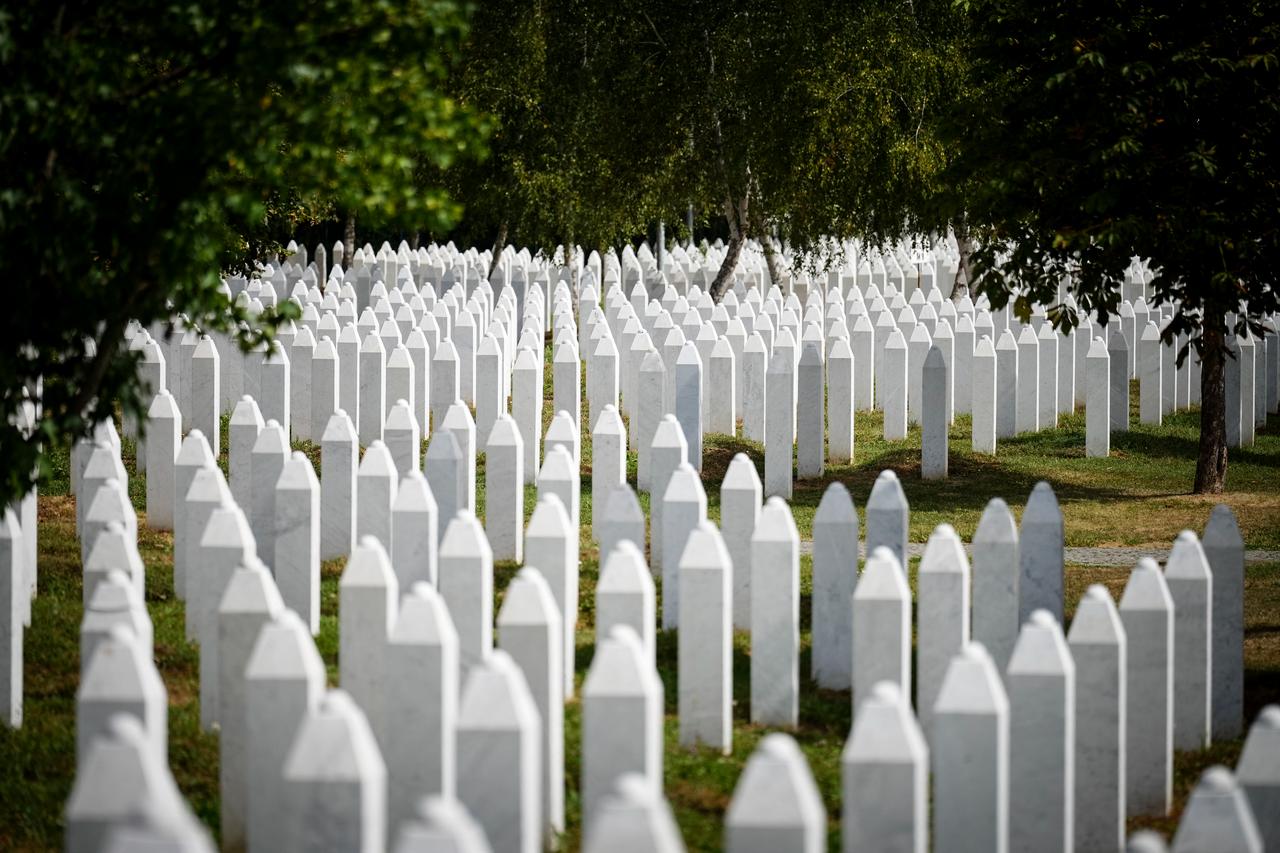
Mladic was considered the main person responsible for and the instigator of the Srebrenica genocide, in which 8,372 Bosniak civilians were killed in July 1995.
He became known as the “Butcher of Bosnia” for his role in atrocities committed during the Bosnian War.


 Set as preferred source
 Set as preferred source


 1 min read


