Newsletters


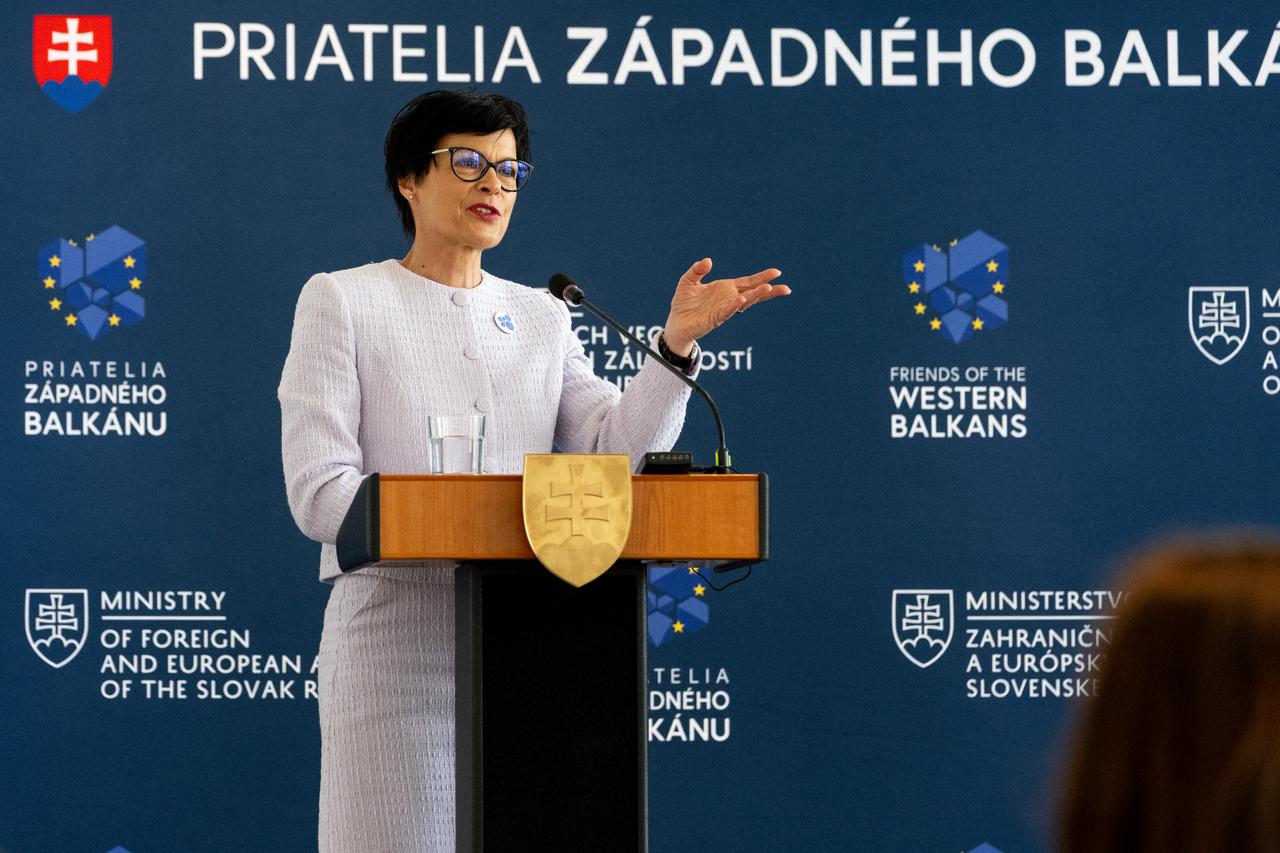


European Union enlargement chief Marta Kos said Friday that she was scrapping an upcoming visit to Serbia over the “glorification” of convicted war criminal Ratko Mladic after his body was received with military honors in Belgrade.
“Ratko Mladic was convicted of genocide, crimes against humanity and war crimes. The return of his remains to Belgrade reminds Europe of the darkest pages in our recent history,” Kos wrote on X.
“The glorification surrounding his death is incompatible with the values on which the EU path is built,” she added.
Kos said that “in this context,” she had decided not to proceed with her planned visit to Serbia at this time.
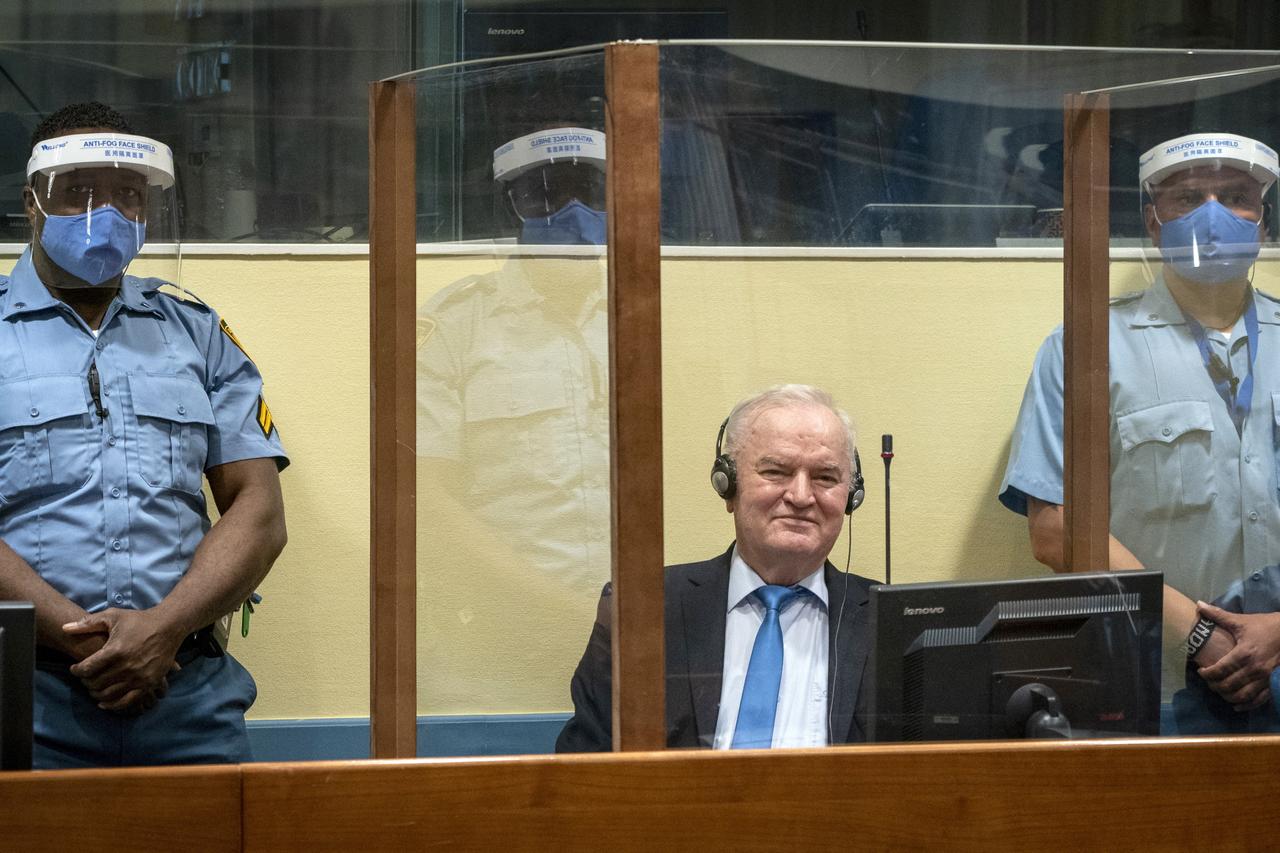
Mladic, the former Bosnian Serb military commander, died last week while serving a life sentence for genocide, war crimes and crimes against humanity committed during the 1992-1995 Bosnian war.
His casket, draped in the Serbian flag, was received Thursday by soldiers, his son and Serbia’s justice minister after being flown to Belgrade.
Serbian President Aleksandar Vucic said the state would provide “every kind of logistical and transport support” and said he expected tens of thousands to attend the funeral.
Kos had already condemned plans by Serbia, an EU candidate country, to bury Mladic with state honors.
The Council of Europe also said the “glorification of war criminal Ratko Mladic is unlawful and an affront to victims.”
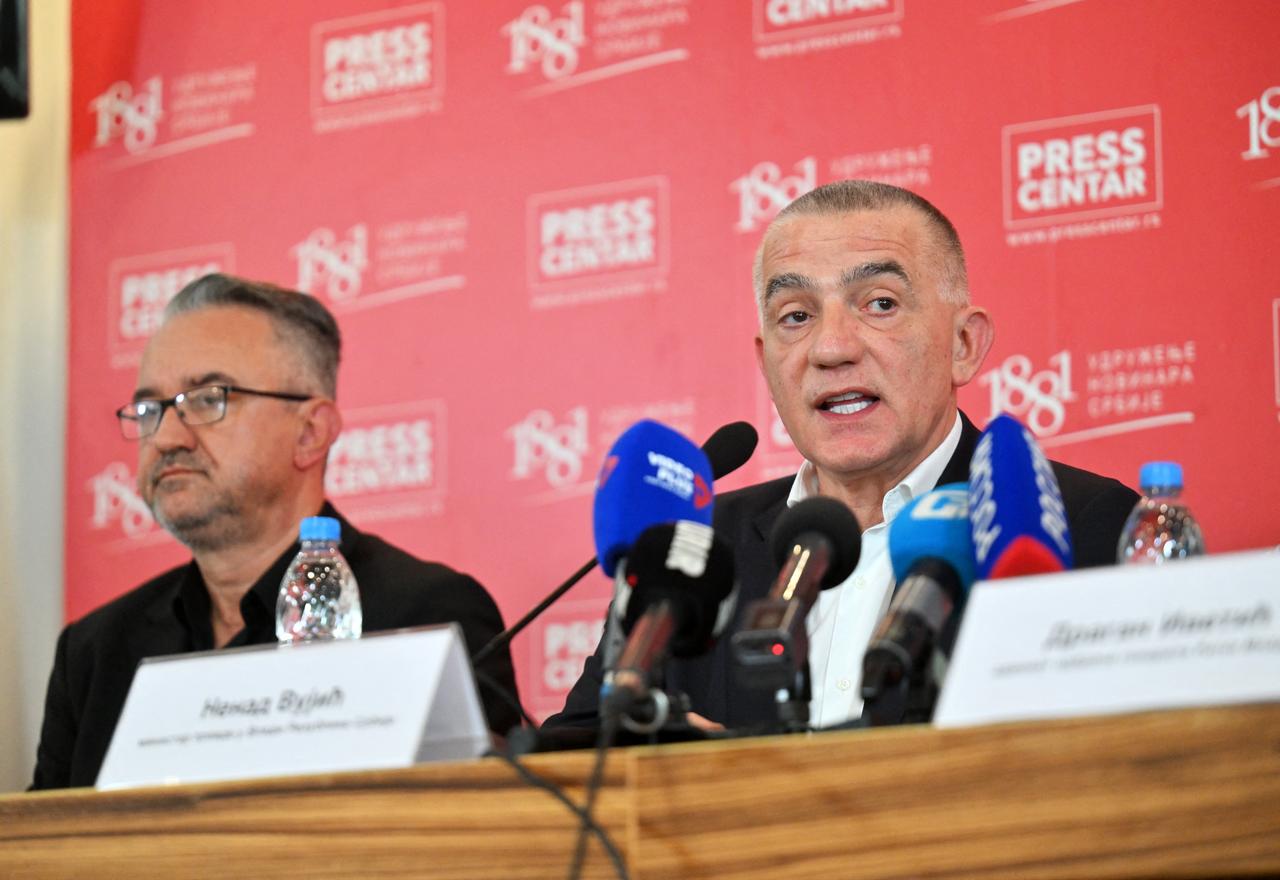

Mladic will be buried in Belgrade on Monday, his son Darko Mladic told reporters Friday at a news conference alongside Serbia’s justice minister.
“My father's funeral will take place on Monday, Sept. 7, starting at 7 a.m.,” he said.
The 84-year-old’s body was returned to Serbia on a government plane Thursday, with his casket draped in flags and welcomed with military honors.
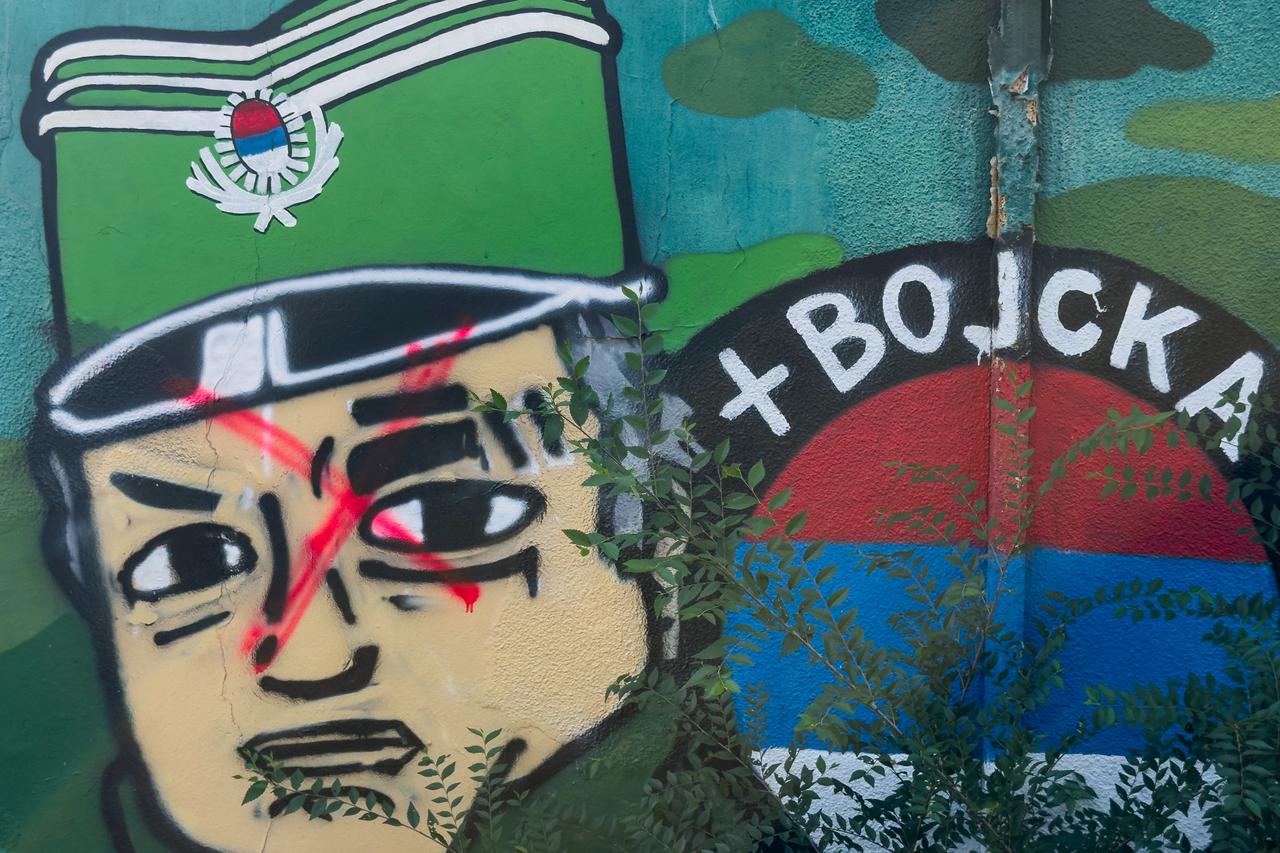
Despite his convictions, Mladic is still praised by some Serbs as a hero, particularly in Bosnia’s Serb entity, Republika Srpska, where his death was marked with vigils and gatherings.
“I say before the whole world that I am proud of the role of my father,” Darko Mladic said.
He also repeated accusations that the decision not to release his father and the alleged refusal of external medical treatment amounted to “murder.”
“The family's view is that the murder of General Mladic was carried out at The Hague tribunal,” he said.
The Hague court rejected multiple requests for Mladic’s release on health grounds in recent months, saying his palliative care in detention was adequate.
Although Serbia’s top officials have largely avoided commenting on Mladic’s death, pro-government figures have repeatedly praised him, while tabloid media have carried broad coverage of his legacy.
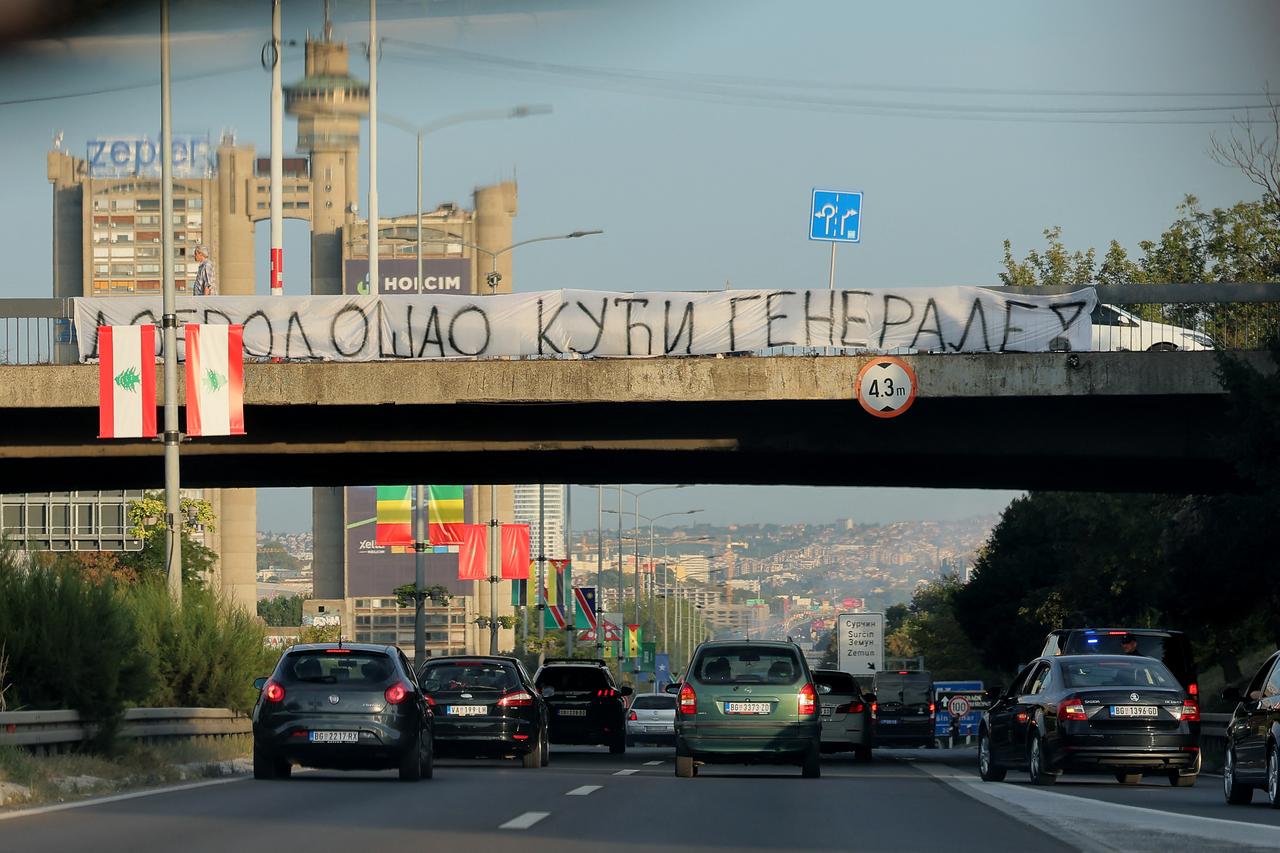
As his coffin was driven from the airport toward Belgrade, groups of mostly young men gathered on motorway overpasses, displaying banners honoring Mladic and lighting flares.
Some uniformed police officers were also seen saluting along the roadside as the motorcade passed.
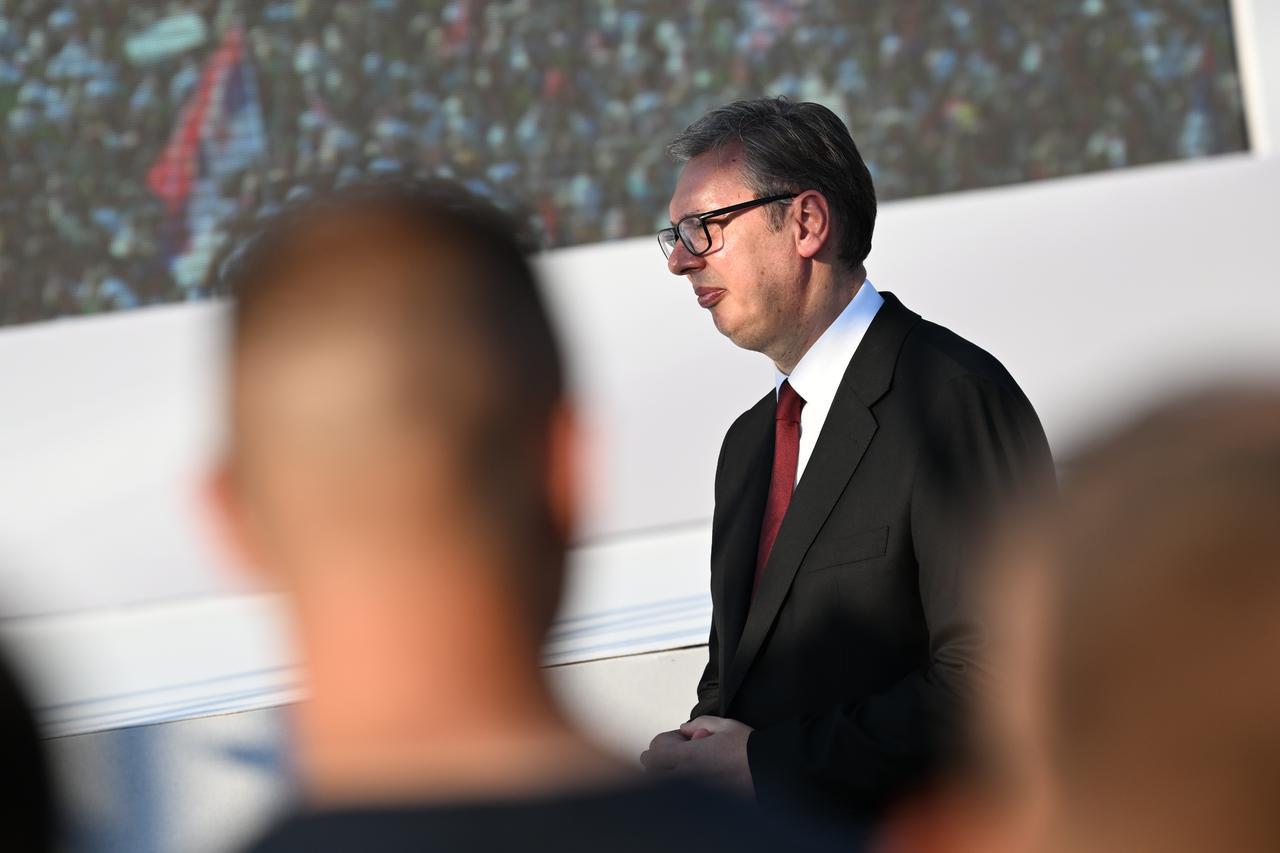
Vucic, who earlier said he would not attend the funeral because of a prior engagement, dismissed Kos’ accusations as “stupid.”
“Were we supposed to ban the funeral? Ban people from attending? Not regulate traffic?” he said.
“Marta Kos will not lecture me on who the criminals are and who they are not,” he added.
Vucic said he had spoken with Mladic’s family and insisted they had decided on the service arrangements themselves.
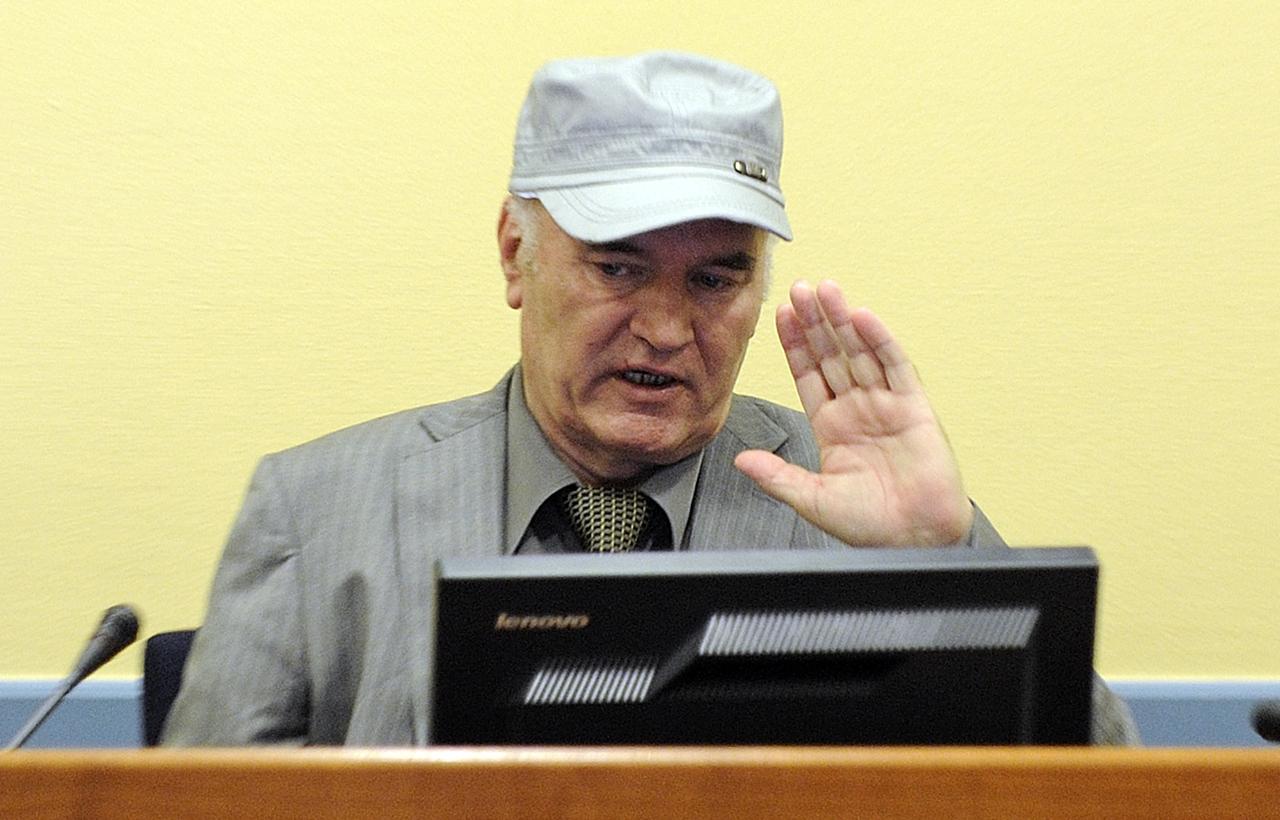
Mladic was convicted of atrocities committed during the Bosnian war, which killed around 100,000 people and displaced 2.2 million.
He was considered the main person responsible for and instigator of the Srebrenica genocide, in which 8,372 Bosniak civilians were killed in July 1995.
His role in the killings earned him the nickname the “Butcher of Bosnia,” particularly over the Srebrenica massacre, Europe’s worst atrocity since World War II.
Mladic was the military face of a brutal leadership alongside former Bosnian Serb political leader Radovan Karadzic and former Yugoslav President Slobodan Milosevic.
Ratko Mladic was born in 1942 in the village of Bozanovici near Kalinovik in eastern Bosnia and Herzegovina.
He received his military education in Belgrade and served actively in the Yugoslav People’s Army (JNA).
In May 1992, he was appointed chief of the General Staff of the newly established Army of Republika Srpska in Bosnia and Herzegovina and remained in the post until 1996.
Mladic was first indicted by the International Criminal Tribunal for the former Yugoslavia (ICTY) on July 24, 1995.
After the war, he fled to Serbia and remained in hiding for about 16 years.
Despite repeated statements by Serbian authorities that they could not locate him, allegations emerged that he had been protected for years by people inside state institutions.
A local television program showed footage of Mladic meeting people in crowded places, socializing and taking photos during the period when he was wanted.
Mladic was captured on May 26, 2011, in the village of Lazarevo near the Serbian city of Zrenjanin and transferred to The Hague on May 31, 2011.
His trial began on May 16, 2012. He denied the charges against him.


 Set as preferred source
 Set as preferred source


 2 min read
 1 min read