Newsletters


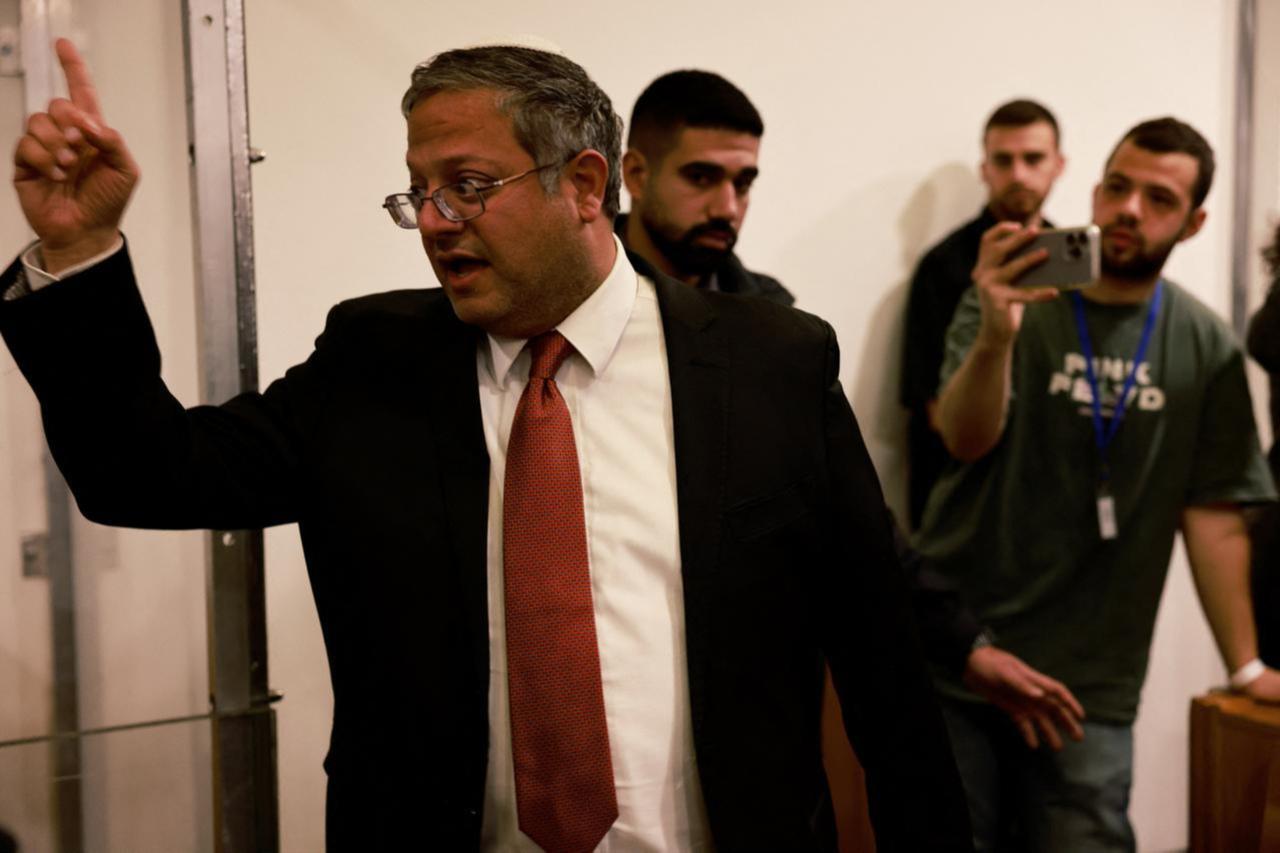


Israeli far-right National Security Minister Itamar Ben-Gvir said he would seek the execution of Palestinian prisoners and promote Palestinian emigration from the Gaza Strip and the occupied West Bank if he becomes defense minister in a future government.
Ben-Gvir made the remarks in a post on the U.S.-based social media platform X after visiting a prison about two weeks earlier and confronting Palestinian prisoner Hassan Salameh, whom he described as a senior Hamas figure and an associate of Yahya Sinwar.
"As defense minister, I will act to ensure that murderer terrorists like him are put to death, and I will advance the immigration policy from Gaza and from Judea and Samaria," Ben-Gvir wrote, using the biblical term favored by some Israelis for the occupied West Bank.
Ben-Gvir has also renewed calls for Palestinians to leave Gaza and the West Bank under what he has described as a policy of "voluntary migration."
In his post, Ben-Gvir said he had joined street protests as a teenager following deadly bus bombings in Jerusalem in 1996 that killed and wounded dozens of Israelis.
He said he came face to face with Salameh during his recent prison visit and told him that "the boy who protested in the streets back then is today the minister of national security."
Ben-Gvir accused Salameh of involvement in organizing the bus bombings and said he had pursued policies as national security minister that made prison conditions harder for him.
He said that if he becomes defense minister, he would work to ensure the execution of prisoners he described as "murderer terrorists."
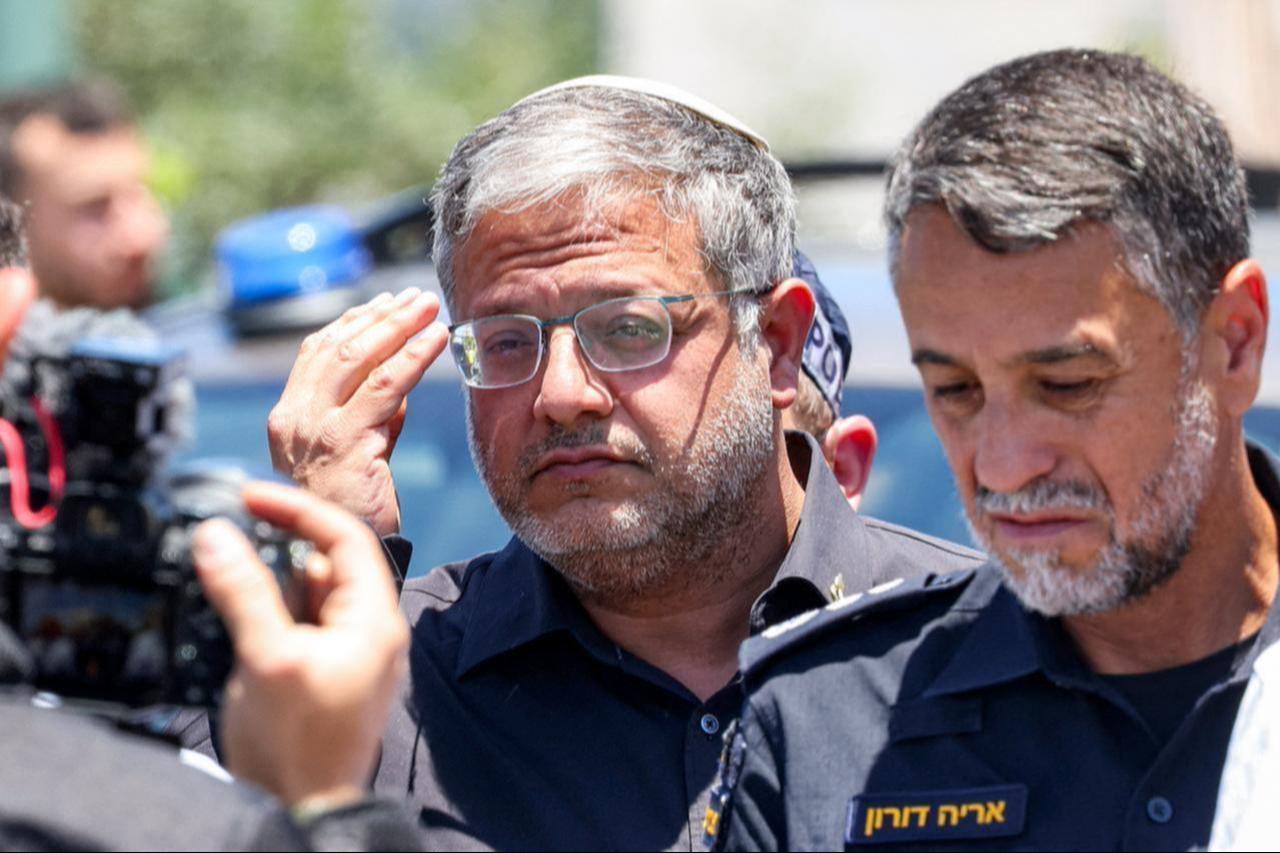

Ben-Gvir has said his Jewish Power Party would demand control of the defense and justice ministries as a condition for joining any future government.
His comments came as political competition intensifies ahead of Israel's general election scheduled for Oct. 27, with opinion polls cited in the report indicating that the current governing coalition has been losing support.
Salameh participated in the First Intifada, which began in 1987, and Israel holds him responsible for bomb attacks that killed and wounded dozens of people.
He has been referred to as the "Hero of the Holy Revenge Operations" and was sentenced to 48 life terms.
Israel refused to release Salameh as part of a 2011 prisoner exchange agreement.
Israel's parliament in late March 2026 approved, by a vote of 62-48, legislation allowing the death penalty to be imposed on Palestinian prisoners.


 Set as preferred source
 Set as preferred source


 1 min read

 1 min read