Newsletters


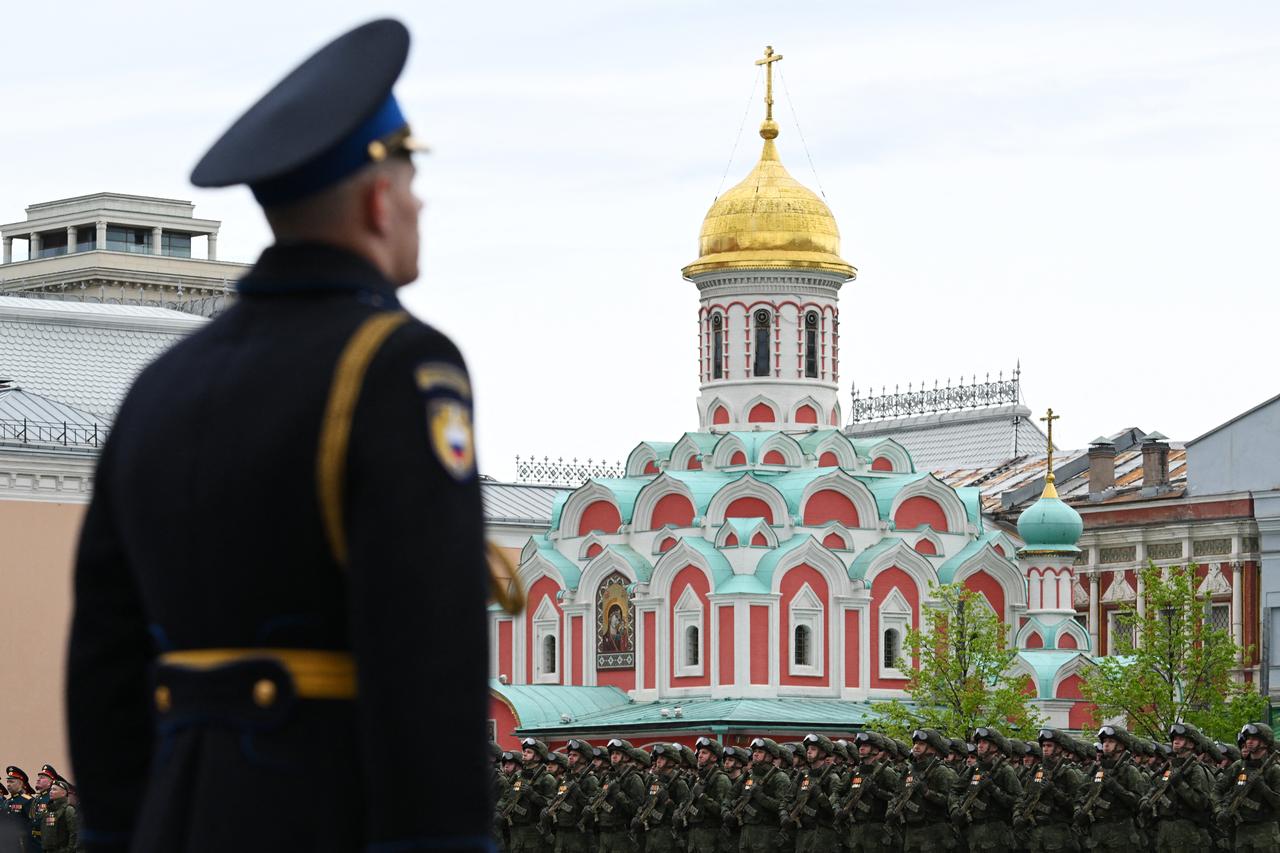


Germany is in danger of being drawn into a violent conflict with Russia, which now treats Berlin as a main adversary, the head of Germany's foreign intelligence service, the BND, warned lawmakers Monday.
"Germany is in danger of becoming embroiled in a violent conflict with Russia. The attempted attack in Leipzig is only one example of that," BND President Martin Jaeger told parliament's intelligence oversight committee.
"No other country currently poses such a direct, comprehensive and concrete threat to Germany," he added.
The warning, delivered at the intelligence chiefs' rare annual public hearing, comes as European governments accuse Moscow of an escalating hybrid campaign of sabotage, drone incursions and cyberattacks against Ukraine's backers.
Russia denies any intention of attacking NATO countries.
"The confrontation we are facing with Russia has taken on a new, more dangerous dimension," Jaeger said, calling Russia "our most dangerous adversary."
"Russia is waging a shadow war against us. This undeclared war cannot be grasped with conventional military or legal categories. We are not in a state of defense, and yet we are being attacked, a shadow war, in other words," he said.
"We did not seek this confrontation. Russia is forcing it upon us and sees us as a main adversary, because we refuse to accept its revisionist, expansionist policies and its war of aggression against Ukraine," Jaeger said.
Germany has "become a major obstacle to Russia's projection of hegemonic power in Europe, and, consequently, a target of Russian actions," he said, adding, "Whoever does not submit becomes an adversary: that is Moscow's reading."
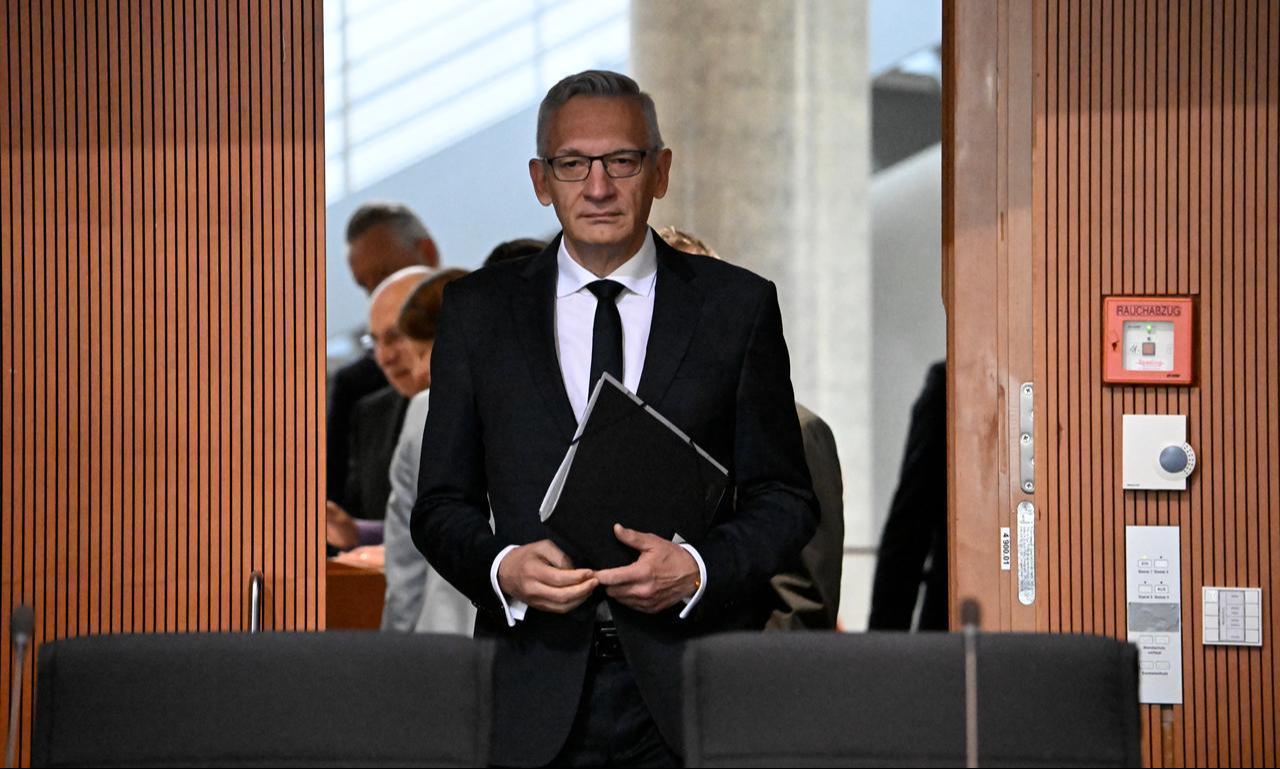

Jaeger said Russian intelligence services "act highly professionally and ruthlessly," adding that "the danger of attacks against targets in Germany remains real and present."
He said Russia is trying to disrupt arms deliveries to Ukraine "including kinetically, including here in Germany," and aims to break Europe's political support for Kyiv.
"We must prepare for intimidation attempts and further interference. There will probably also be renewed nuclear threats. We must withstand that," Jaeger said.
"Every sign of wavering invites, from the Kremlin leadership's perspective, further pressure on Germany," he added.
"President Putin is past the point where he could simply halt the pressure on Ukraine without endangering his domestic power base. He must show a success in Ukraine that, from the Russian perspective, justifies the immense sacrifices made so far," Jaeger said.
He said there was "by no means panic" in Moscow, which compensates for its weaknesses through domestic repression, channeling resources into the war and "determination and willingness to take risks."
"Moscow is betting on our weakness," he said.
Jaeger said the BND currently sees "no indication" of plans for a major Russian military attack on a NATO member, but warned that "low-level Russian military activities could occur, particularly in the Baltic states."
"In this context, false flag operations cannot be ruled out," he added.
Sinan Selen, head of the BfV domestic intelligence agency, said Russian operations now extend beyond classic espionage to "sabotage and assassinations."
"The defense industry and military infrastructure are in the crosshairs," Selen said, adding that Moscow "is already accepting the risk of potential civilian casualties."
Martina Rosenberg, head of the MAD military counterintelligence service, warned of "very concrete attacks" on Germany, citing the Leipzig incident and disinformation campaigns aimed at "shaking people's trust in our state's ability to defend itself" and dividing society.
She said the agency recorded a rise in suspected extremism cases within the armed forces last year.
"This development does not stop at the Bundeswehr either," Rosenberg said.
Both Jaeger and Rosenberg backed a planned reform granting intelligence agencies wider powers.
"We are serious about being Germany's first line of defense," Jaeger said.
Germany has accused Russia of being behind an attempted drone attack on a Ukrainian cargo plane at Leipzig airport in August.
Russia has denied any intention of attacking NATO countries.
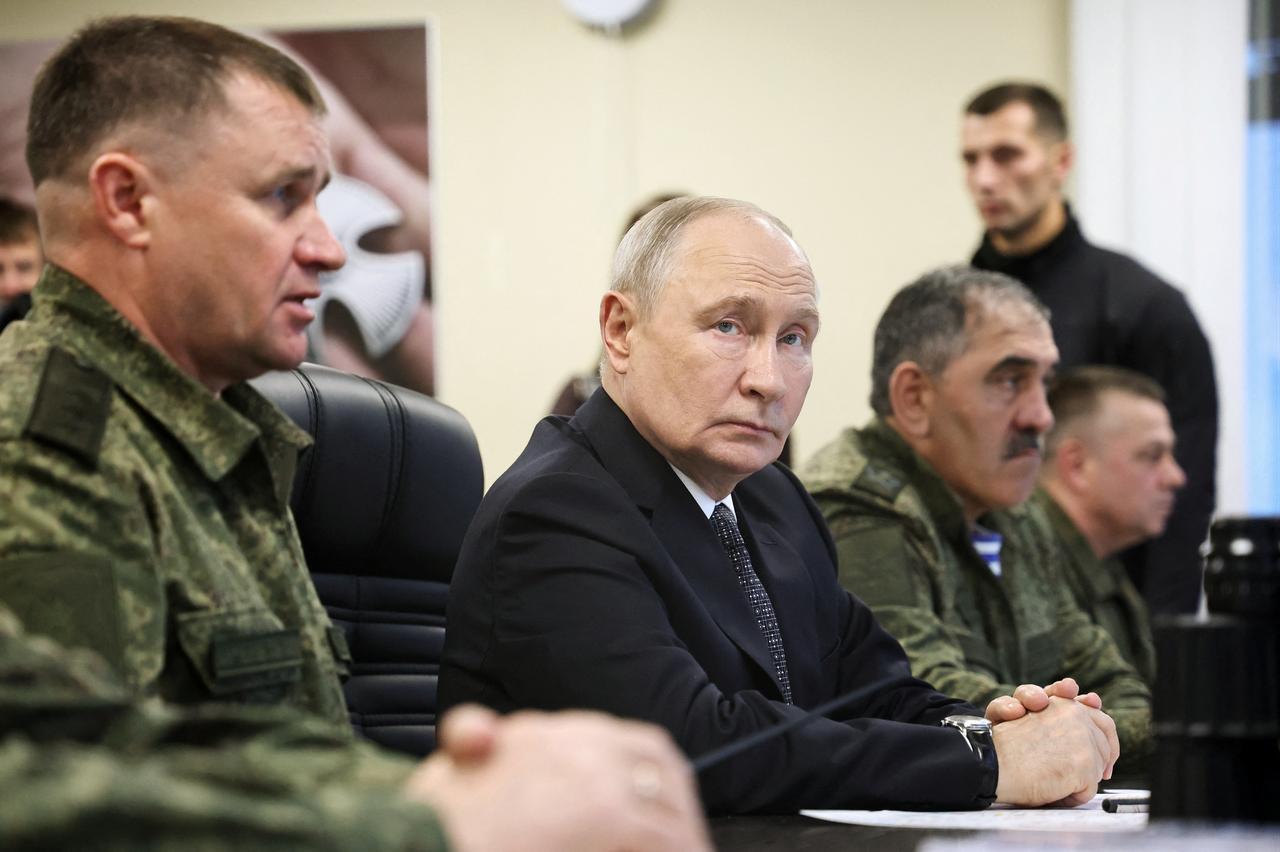
"We are not threatening anyone," Russian President Vladimir Putin said Thursday.
"We have no intention of attacking anyone, whether in 2029, 2030 or 2050, but if we are subjected to aggression, we will have no choice but to respond," he added.
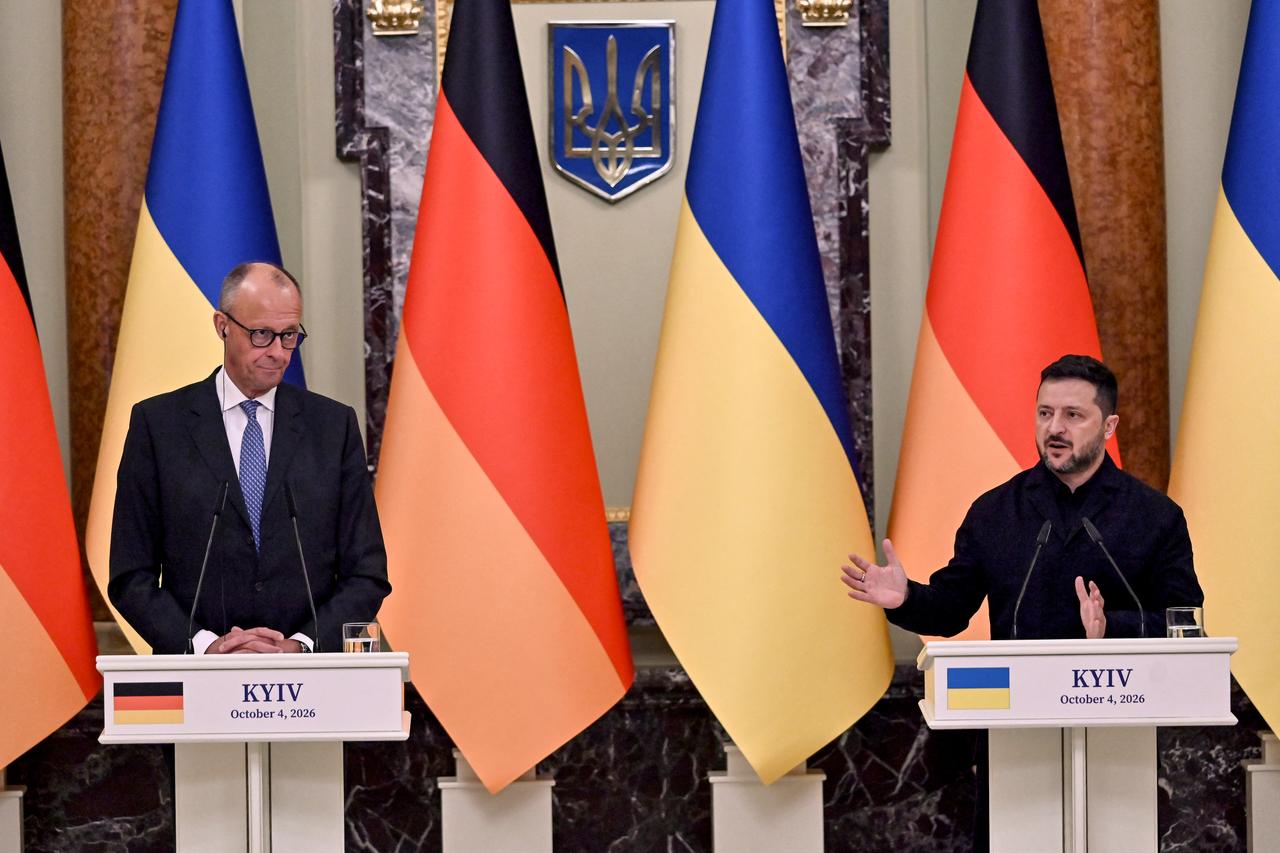
The BND chief's warning came a day after German Chancellor Friedrich Merz made an unannounced visit to Kyiv, pledging further military aid to Ukraine.


 Set as preferred source
 Set as preferred source


 1 min read
 1 min read