Newsletters


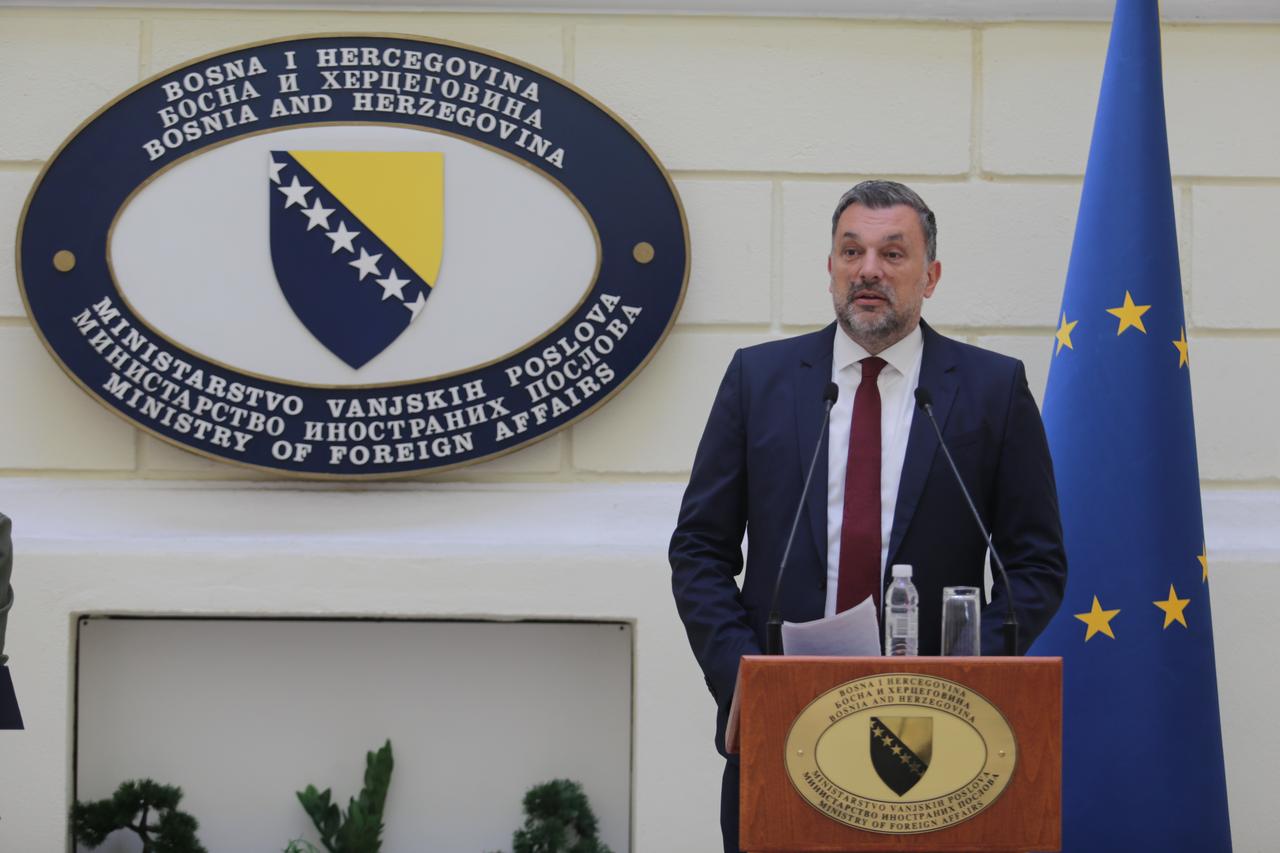


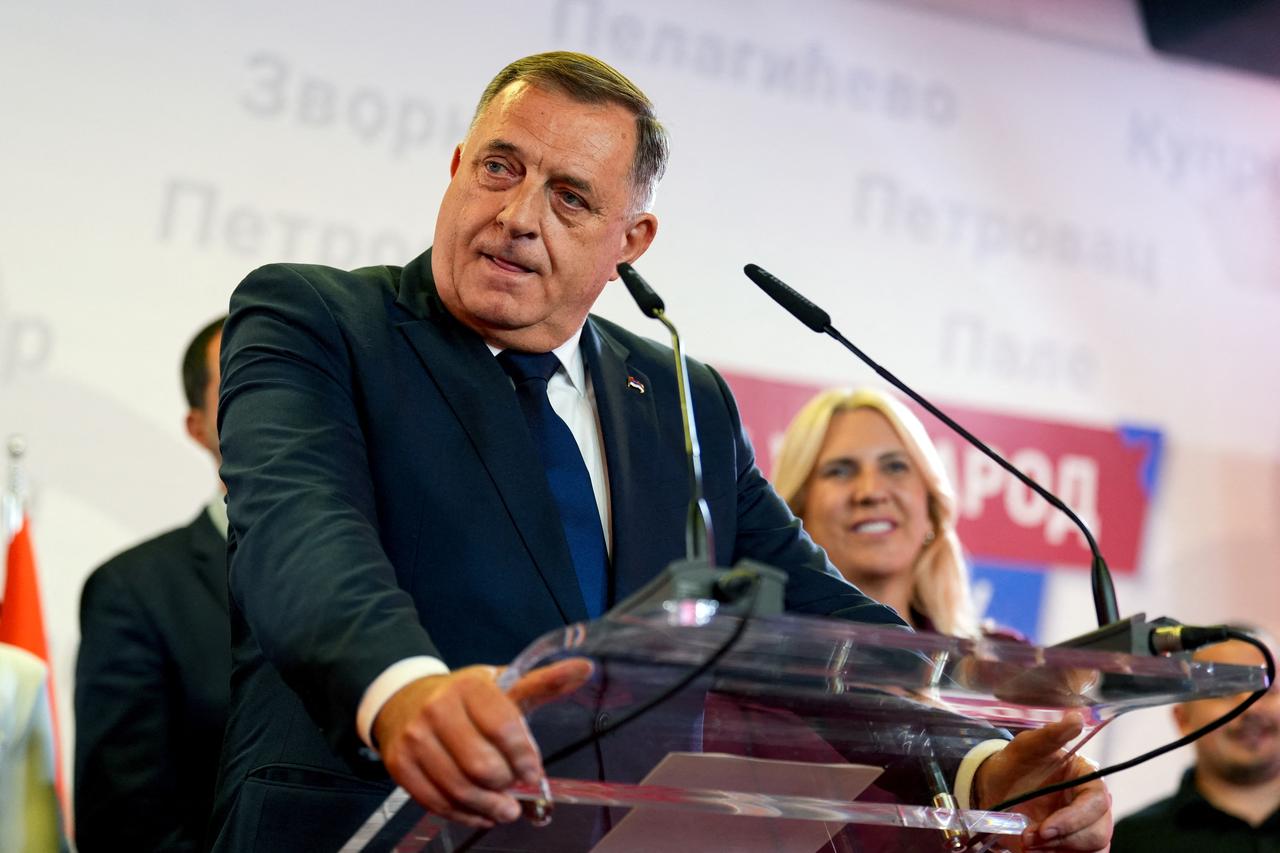
Bosnia-Herzegovina Foreign Minister Elmedin Konakovic said he did not find “noteworthy” a statement by Serb politician Milorad Dodik claiming that Saudi Arabia would support Republika Srpska if the entity declared independence.
Speaking to Bosnian media, Konakovic responded to remarks by Dodik, the dismissed separatist president of Republika Srpska, or RS, one of Bosnia-Herzegovina’s two entities.
Dodik had claimed that if RS declared independence, Saudi Arabia and Israel would support it.
“These are not statements to be taken into account,” Konakovic said. “They cannot damage our relations with Saudi Arabia.”
Konakovic said Dodik and those who support him had not met with Saudi officials, adding that Bosnia-Herzegovina has good relations with Saudi Arabia.
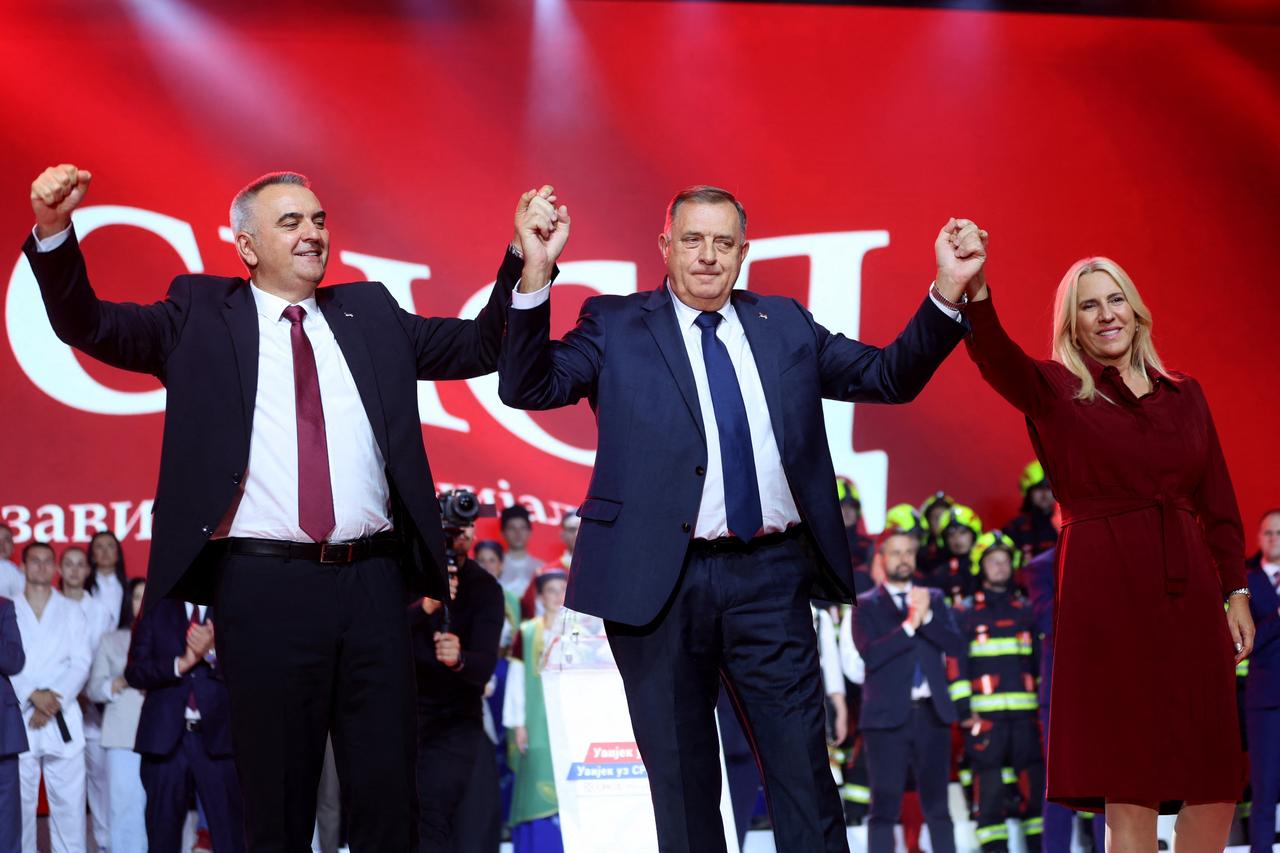
Dodik, president of the Alliance of Independent Social Democrats, or SNSD, also met with representatives of the Croat Democratic Union of Bosnia-Herzegovina, or HDZ BiH, after the country’s Oct. 4 general election.
HDZ BiH won the Croat seat in Bosnia-Herzegovina’s tripartite Presidency.
Speaking at a news conference after the meeting, Dodik said SNSD and HDZ BiH would act in cooperation, signaling that Serb and Croat parties would act together against Bosniak representatives.
Dodik’s continued separatist rhetoric after the meeting raised questions over whether he could trigger a new political crisis in Bosnia-Herzegovina.

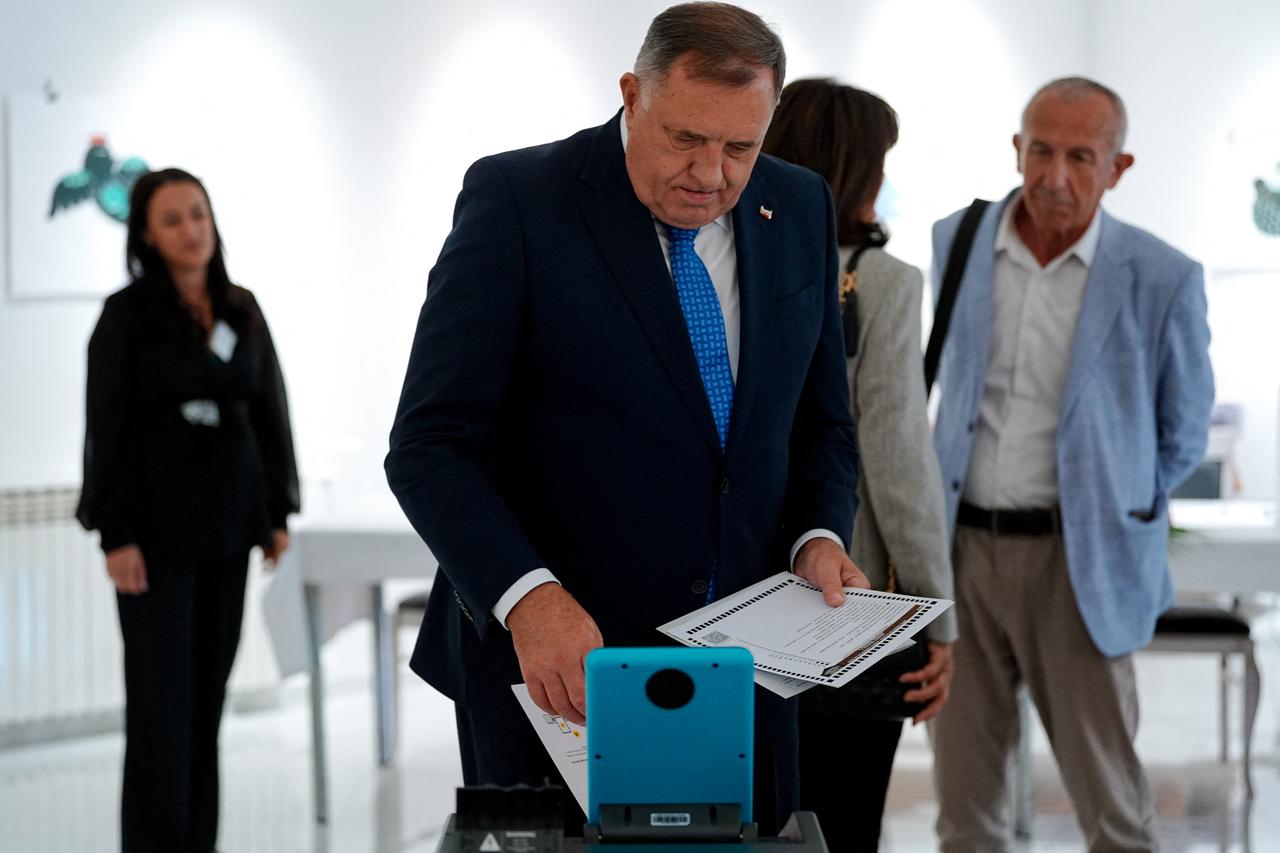
In Bosnia-Herzegovina’s general election held Oct. 4, Denis Becirovic was elected to the Bosniak seat of the Presidency, the country’s highest state body.
HDZ BiH candidate Darijana Filipovic was elected to the Croat seat, while SNSD candidate Zeljka Cvijanovic was elected to the Serb seat.
SNSD candidate Savo Minic won the presidency of RS.
Bosnia-Herzegovina has a complex state structure based on ethnic balances established by the Dayton Peace Agreement, which ended the 1992-1995 war.
The country consists of two entities, the Federation of Bosnia-Herzegovina, or FBiH, and RS, as well as Brcko District, a special autonomous region.
Bosnia-Herzegovina’s Presidency consists of three members elected by voters: one Bosniak, one Croat and one Serb.
The three members rotate the chairmanship every eight months during their four-year terms to ensure equality.


 Set as preferred source
 Set as preferred source


 1 min read

 1 min read