Newsletters




This article was originally written for Türkiye Today’s bi-weekly Balkans newsletter, BalkanLine, in its October 9, 2026 issue. Please make sure you are subscribed to the newsletter by clicking here.
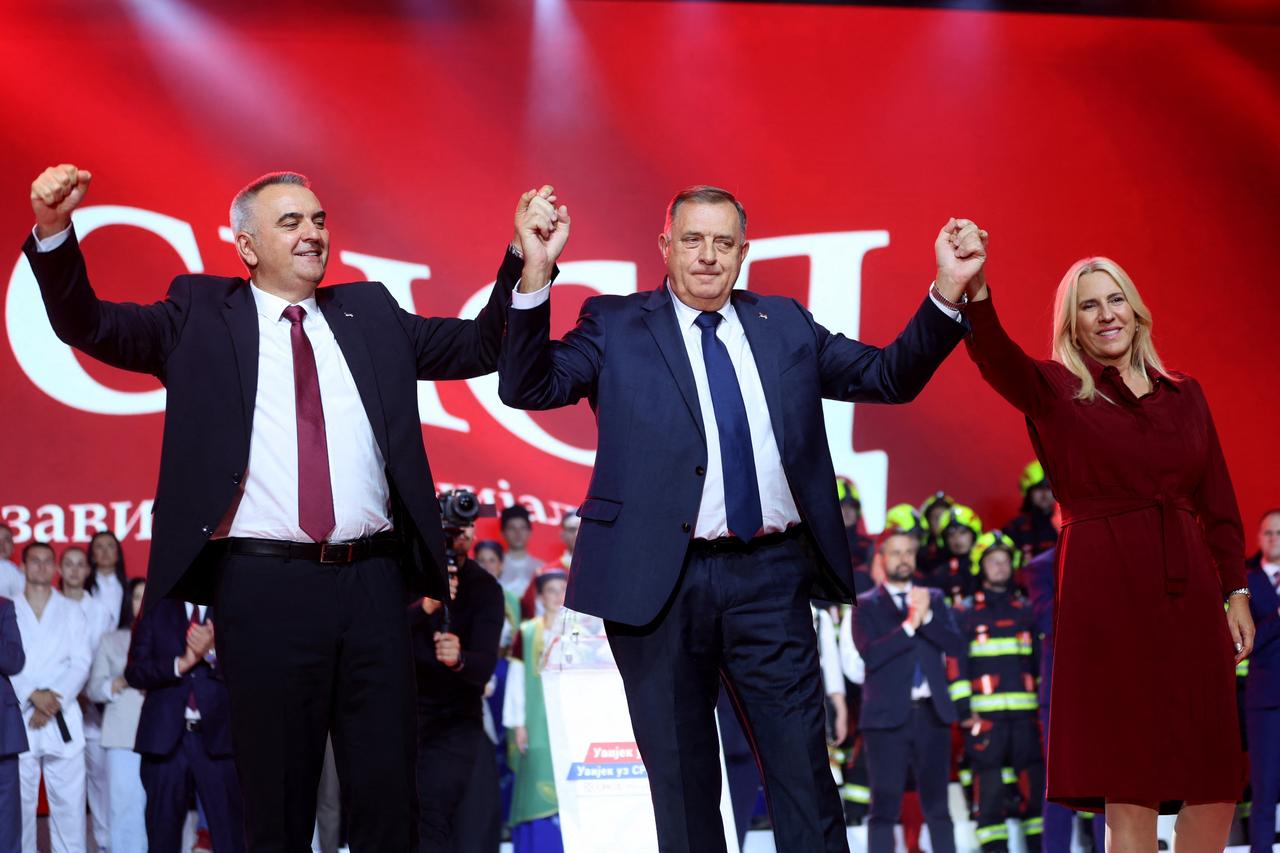
Milorad Dodik could not run for office. He declared victory anyway.
His Alliance of Independent Social Democrats (SNSD) led the key Serb contests in Bosnia and Herzegovina's Oct. 4 elections. Established Bosniak and Croat parties also retained their influence, leaving the balance of power largely intact.
Yet another figure stood out: the number of people who did not vote.
The preliminary results reaffirmed the central role of Bosnia's three established ethnic parties: the predominantly Bosniak Party of Democratic Action (SDA), the Croatian Democratic Union of Bosnia and Herzegovina (HDZ BiH) and the SNSD.
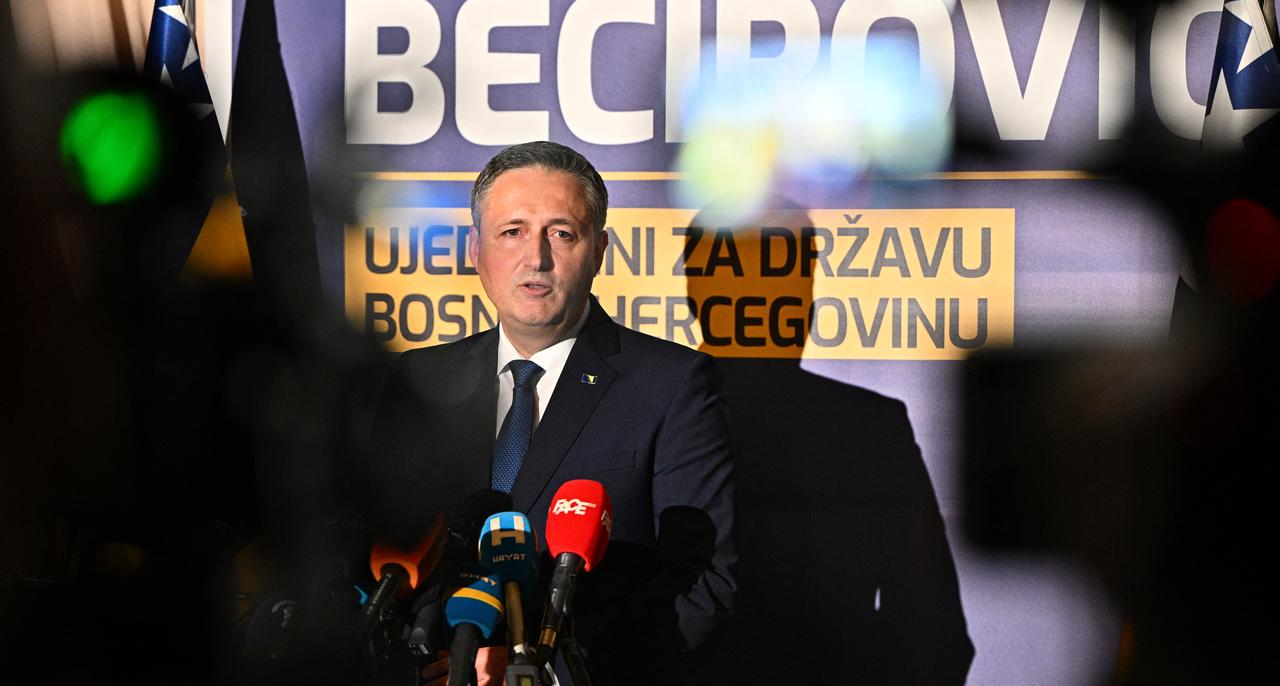
Denis Becirovic, a member of the Social Democratic Party of Bosnia and Herzegovina (SDP BiH), secured another term as the Bosniak member of the three-member Presidency, defeating SDA leader Bakir Izetbegovic for the second consecutive time. The SDA nevertheless led the Federation's parliamentary race. Semir Efendic, leader of the Party for Bosnia and Herzegovina (SBiH), also attracted roughly a quarter of the Bosniak presidential vote.
The Croat contest brought an important change. HDZ BiH's Darijana Filipovic won the seat held for the past eight years by Zeljko Komsic of the Democratic Front. His victories, achieved with substantial support from Bosniak voters, had long drawn objections from HDZ BiH, which argues that Croats should have greater control over choosing their representative. Filipovic's election returned the Croat presidency seat to HDZ BiH after two election cycles.
Meanwhile, SNSD's Zeljka Cvijanovic retained the Serb seat, while the party's Savo Minic led the race for president of Republika Srpska.
Victory did not necessarily mean growing support. BIRN reported that both SNSD and HDZ BiH won important positions despite receiving fewer parliamentary votes than in 2022.
A full breakdown of Bosnia's state, entity and cantonal races is beyond this newsletter; the official results are available here. The more immediate question is when and how these parties will agree to form new governments.

Dodik's position captures one of the contradictions of the election. A court conviction bars him from holding public office, but his party's performance demonstrates his continuing political influence.
He renewed his demand for a return to what he calls the "original Dayton," including transferring authority over defense, border policing, intelligence and indirect taxation from state institutions to Republika Srpska. He also credited Donald Trump's political comeback with changing the environment facing his party.
The New York Times reported that two Trump political advisers, Chris LaCivita and James Blair, had been paid by the Republika Srpska government for consulting work ahead of the vote. Trump initially said he would dismiss them if he found a conflict of interest, but later that day said there was none.
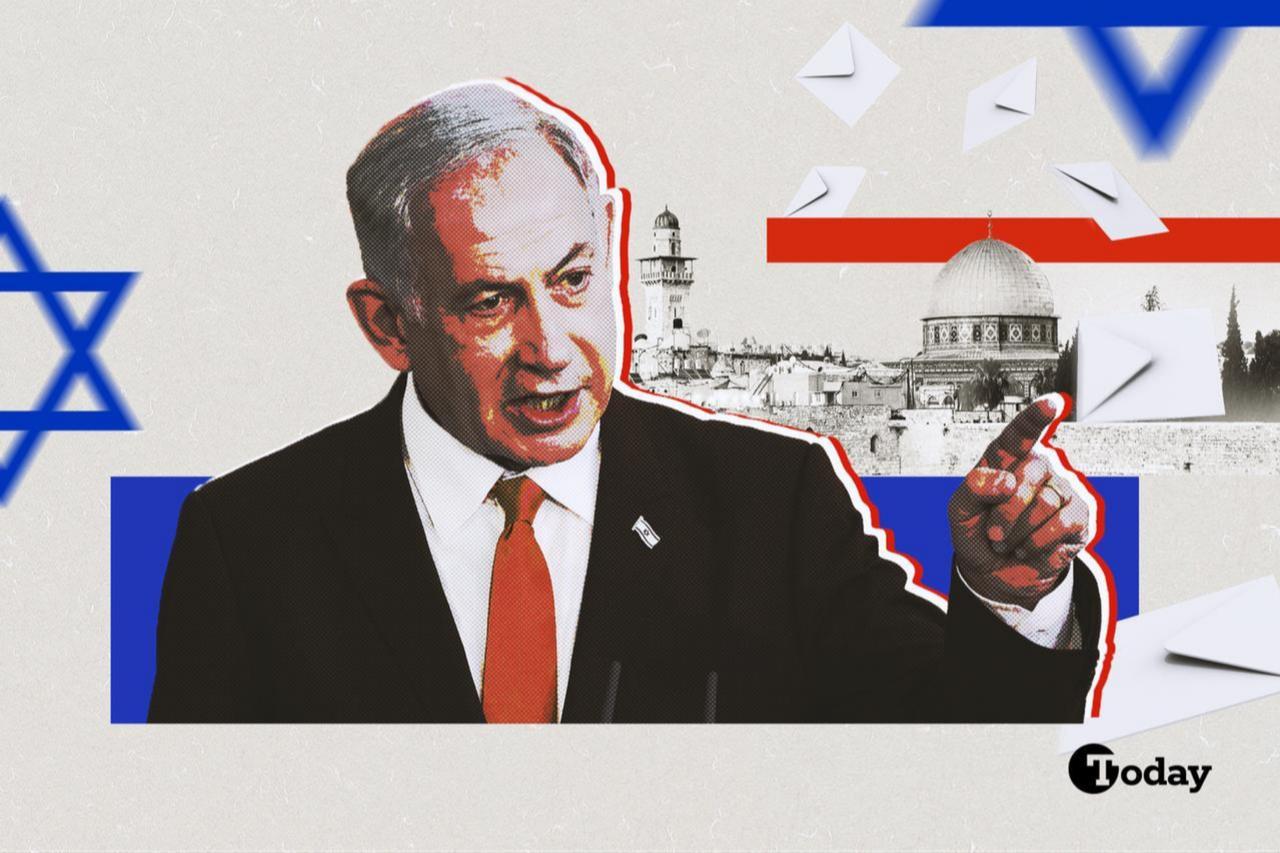
Meanwhile on Oct. 8, Israeli Prime Minister Benjamin Netanyahu congratulated Dodik, Cvijanovic and Minic, expressing interest in cooperation on technology, energy and security. His message did not mention the newly elected Bosniak and Croat members of Bosnia's Presidency.
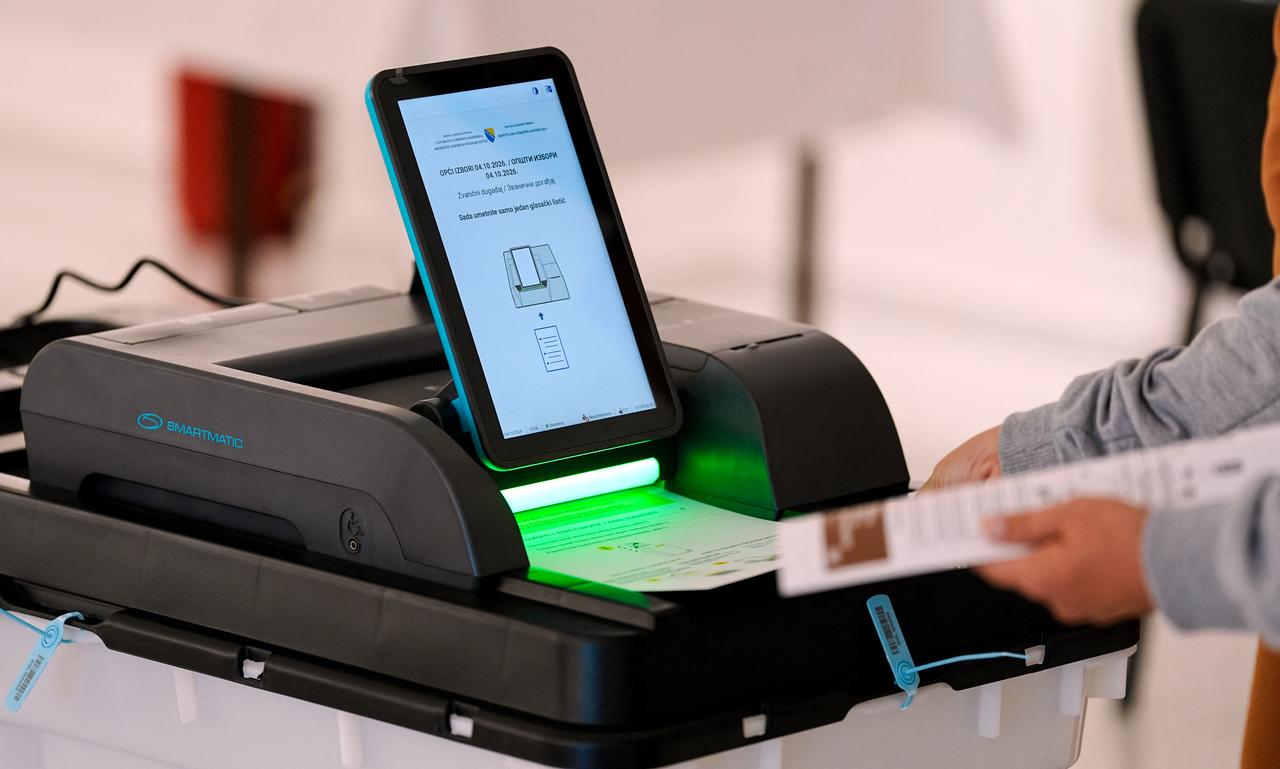
The Central Election Commission's election-night figures recorded turnout of 41.48%, down from 51.45% in 2022. About 1.41 million voters took part, compared with 1.73 million four years earlier, a difference of roughly 319,000 people.
The decline needs context. Years of emigration complicate Bosnia's voter register, and the first nationwide use of biometric identification may have curtailed some forms of improper voting. Analysts have questioned whether earlier turnout figures included ballots attributed to absent or deceased voters, although the scale of any such problem remains unverified.
Political scientist Mustafa Krupalija linked voter apathy to disappointment with the outgoing government. He also suggested that the rise of SBiH reflected protest votes against both the government and the SDA, as well as a search for a third political alternative.
Emigration further complicates the picture. The Union for Sustainable Return and Integration in Bosnia and Herzegovina estimated that 600,000 people left the country between 2013 and 2023.
Not everyone who stayed away from the ballot box did so for the same reason. Some no longer live in Bosnia. Others may be disillusioned with the political choices available. Established parties, meanwhile, can retain power through organized support even as overall participation falls.
 3 min read

The Dayton Peace Agreement ended the war in 1995, but the political institutions built around ethnic representation have struggled to reconcile competing priorities. The latest election changed some officeholders without settling those disagreements.
The scanners made the results arrive faster. They cannot fix political deadlock, create jobs or persuade people that staying in Bosnia offers a future.
Bosnia has become better at counting its votes. Its greater challenge may be giving people a reason to cast them.


 Set as preferred source
 Set as preferred source


 1 min read