Newsletters


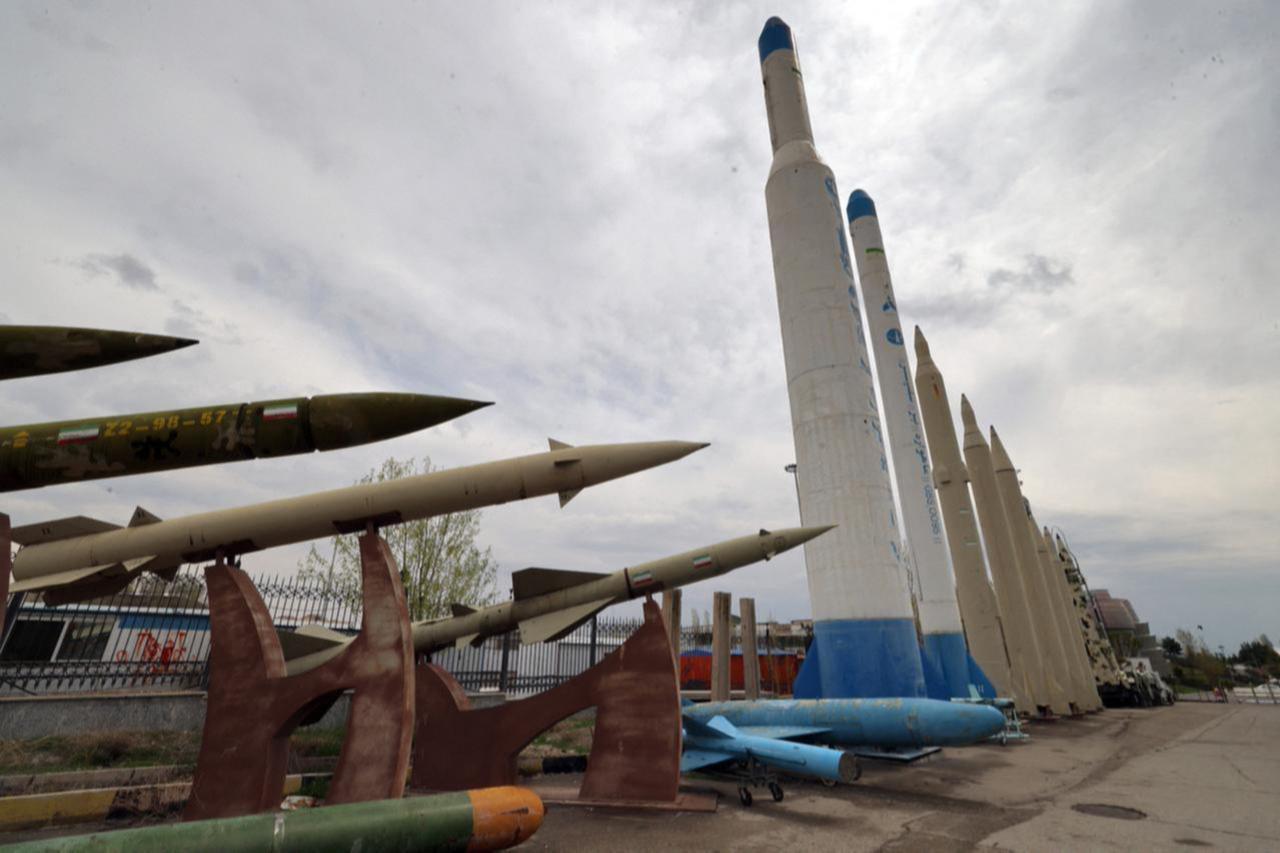


Explosions were reported in several districts of the Iranian capital Tehran on Thursday, with Iranian state-affiliated outlets Nour News and Mehr News Agency reporting that air defense batteries had been activated across parts of the city. An Israeli official, however, denied that Israel was behind any strike, saying the country had not carried out an attack on Iran.
An Al Jazeera correspondent on the ground in Tehran independently confirmed witnessing Iranian air defense systems engaged over the city, lending weight to the Iranian media reports. No official explanation for the activation was immediately provided by Iranian authorities, and the cause of the incident remains unclear.
As of the time of reporting, the Iranian government has not officially acknowledged any attack or offered any account of what prompted the air defense response. Israel's denial, relayed by a security official, was unequivocal: the country was not conducting strikes on Iran. No other state has claimed responsibility.
The incident comes during a deeply unsettled period for the region. A ceasefire between the United States, Israel, and Iran took effect on April 8, ending 40 days of sustained military operations that caused extensive damage to Iran's military, nuclear, and civilian infrastructure.
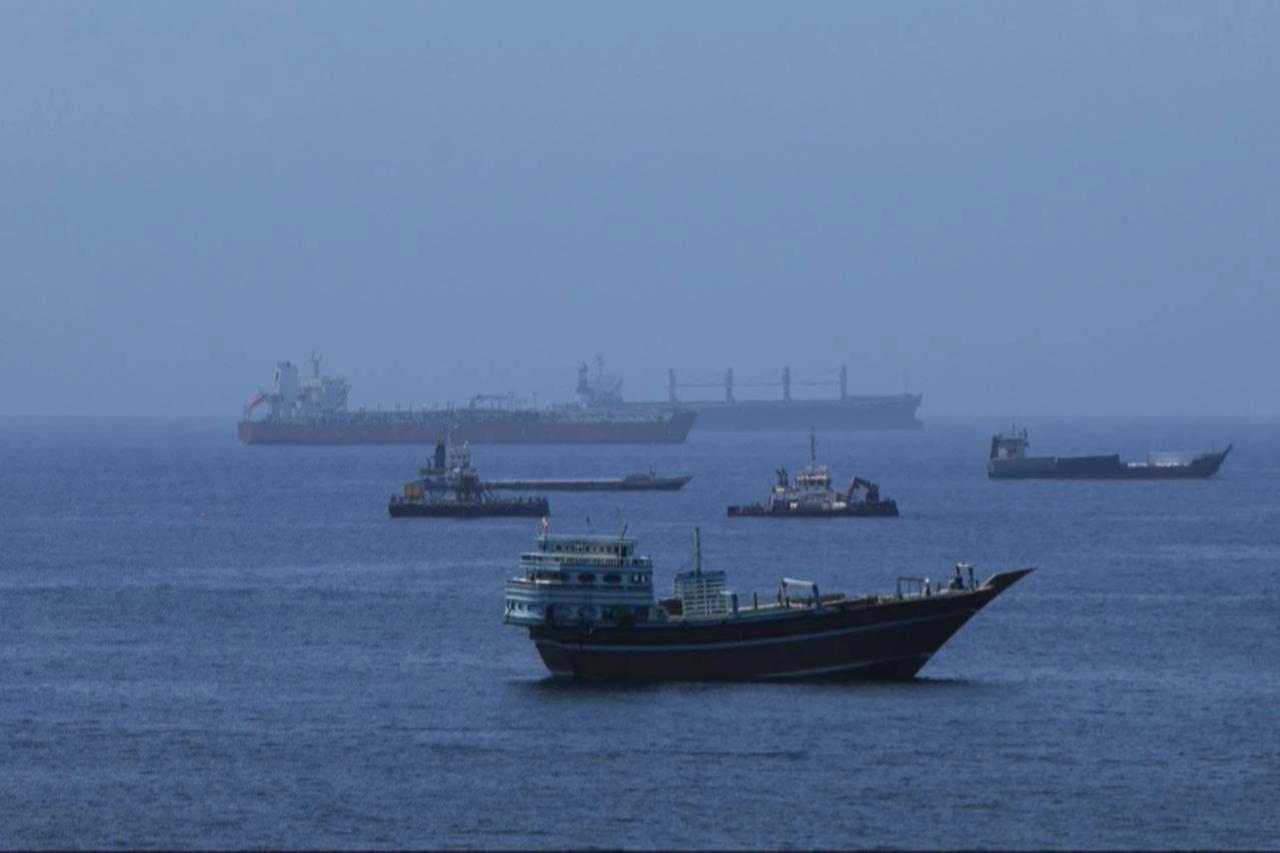
The truce has since shown significant signs of stress: Iran has continued to challenge shipping in the Strait of Hormuz, attacking three vessels as recently as April 22, while President Trump ordered the U.S. military to engage Iranian fast-attack boats approaching the naval blockade imposed on Iranian ports since April 13.
The U.S. military this week announced the arrival of a third aircraft carrier in the region. Senior Iranian officials have blamed Washington for the collapse of peace negotiations, citing the blockade as a primary obstacle. Against this backdrop, any air defense activity over Tehran carries an outsized potential to unsettle already frayed nerves on all sides.


 Set as preferred source
 Set as preferred source


 1 min read