Newsletters


Photographs of the British Royal Navy destroyer HMS Dragon circulating across global media coverage of rising tensions with Iran may carry a deeper symbolic detail that largely went unnoticed.
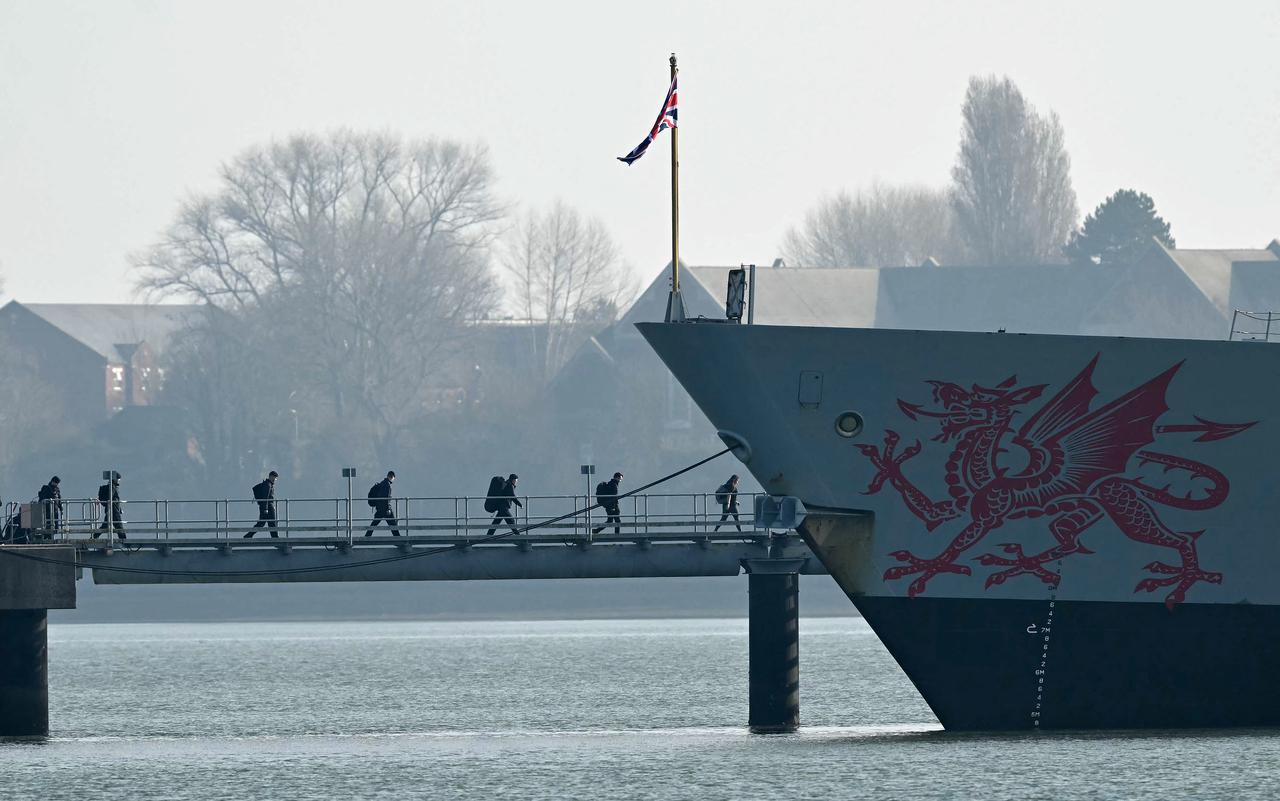
The images, widely distributed by international news agencies, shows the warship with a large red dragon motif on the bow. Most reports summarized it briefly as a Welsh dragon emblem. However, a closer look at the design has prompted speculation that the symbol may reflect a different historical reference.
At a time when the United Kingdom is repositioning itself globally following Brexit and sending naval assets toward the Gulf region, the appearance of this symbol has quietly sparked discussion about the historical imagery associated with British power and identity.
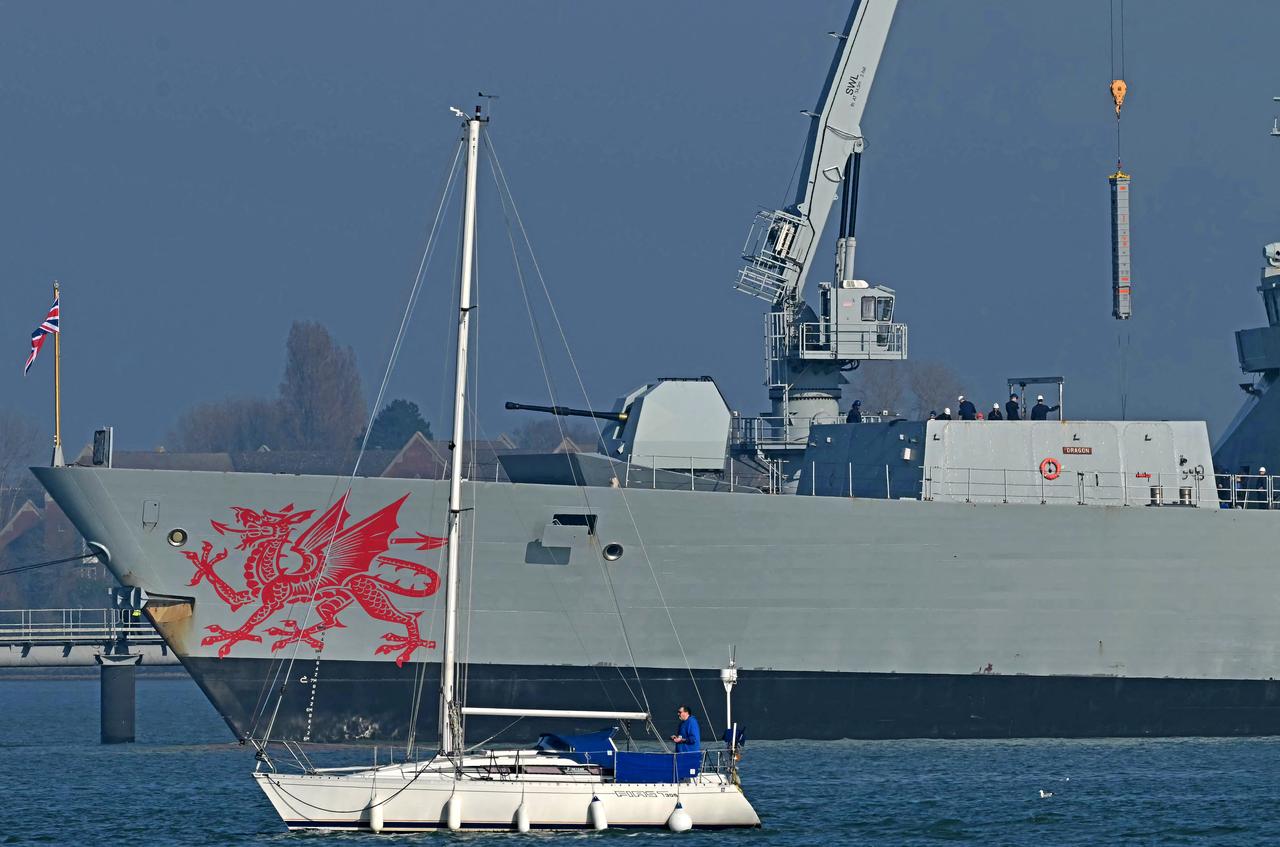

British naval vessels often carry emblems connected to national heritage, and the red dragon is traditionally linked to Wales. Yet observers examining the illustration on HMS Dragon have pointed out noticeable stylistic differences from the standard Welsh dragon.
The posture and design lines of the creature appear distinct enough that some analysts suggest the imagery resembles the dragon associated with the Tudor dynasty.
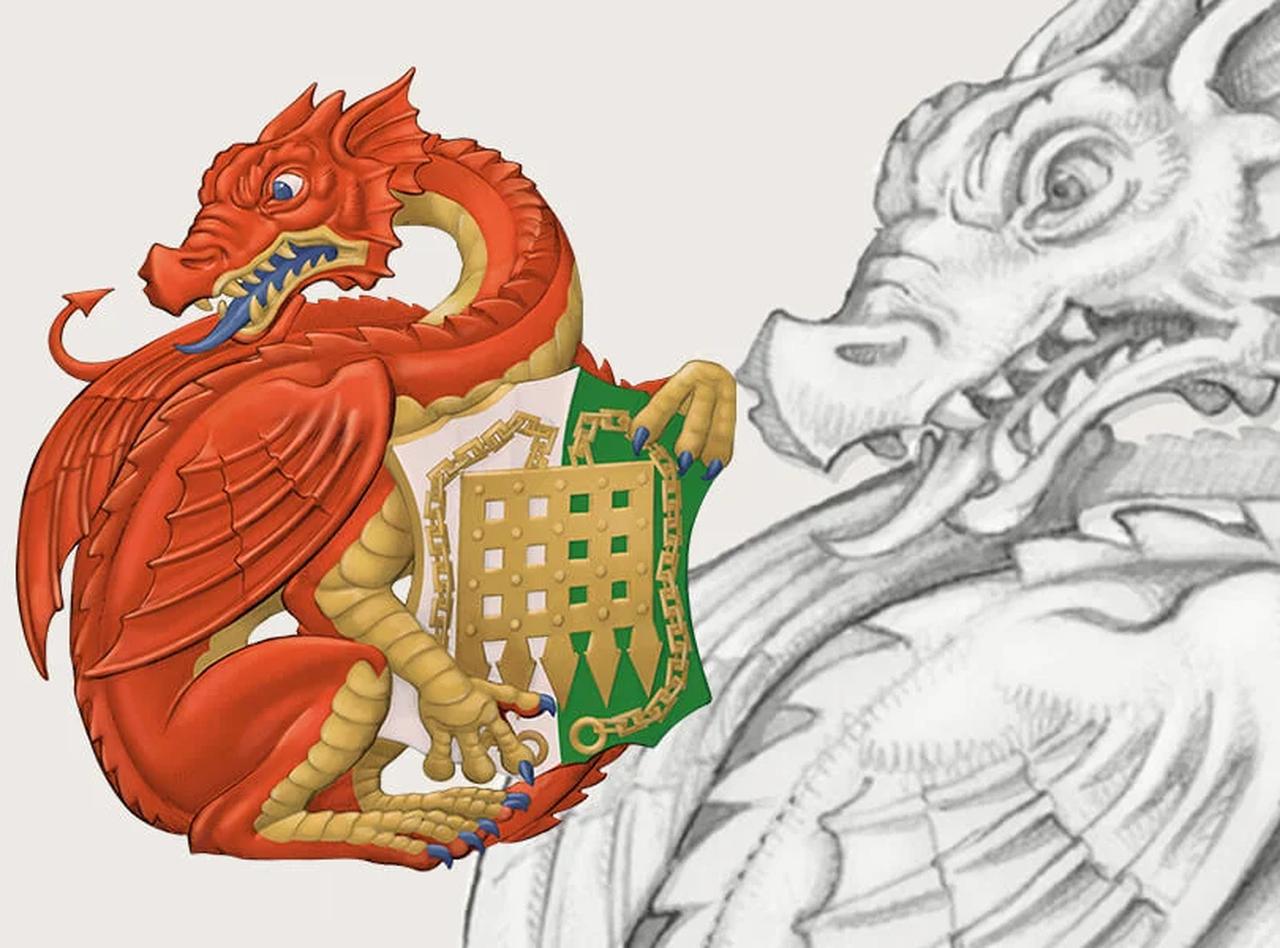
The Tudor period, which ruled England from the late 15th century through the early 17th century, is widely remembered as the era when England expanded its naval capabilities and began shaping global maritime trade routes. The red dragon of the Tudor lineage became one of the strongest visual symbols connected with that period of rising maritime power.
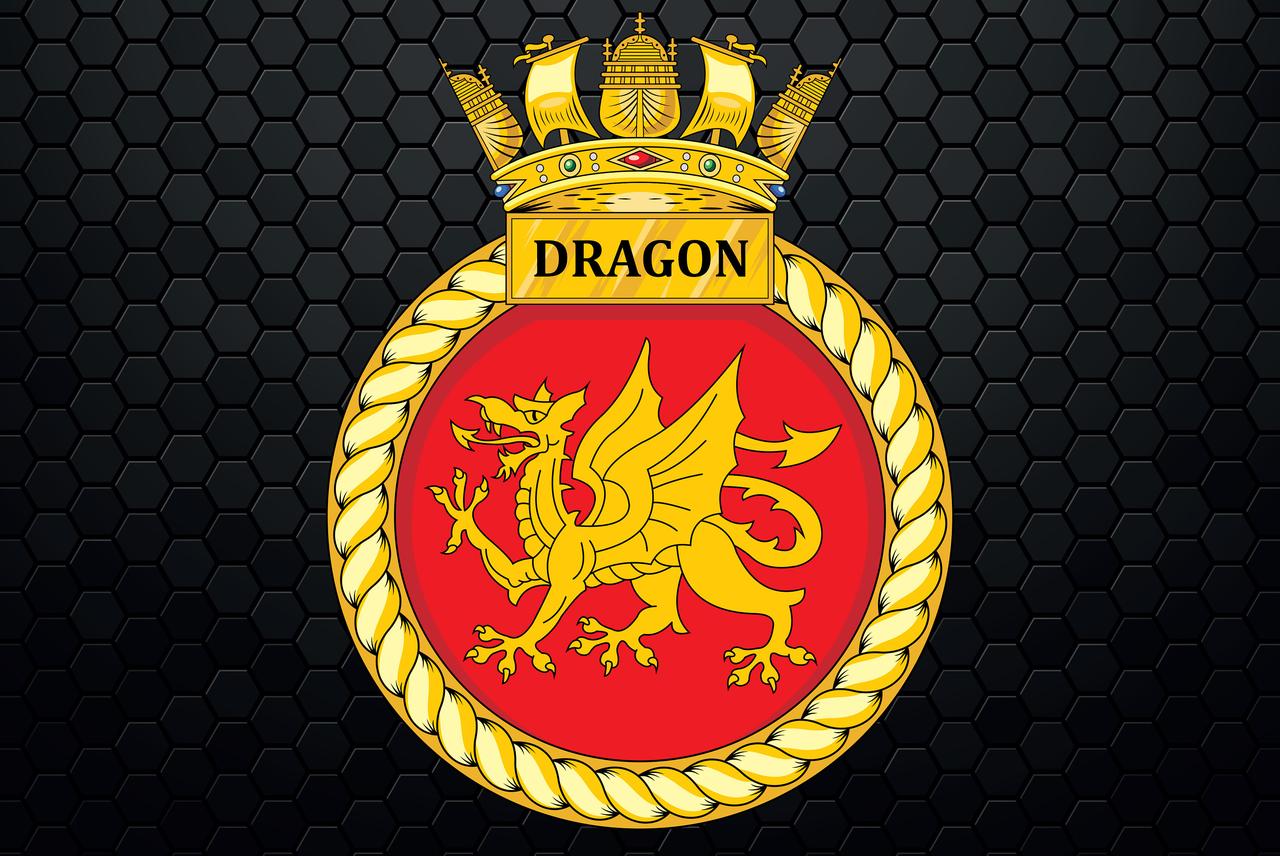
In addition to the dragon image, the ship also carries the official HMS Dragon badge on its superstructure. Historians note that such badges traditionally function as symbolic objects tied to royal authority and maritime identity.
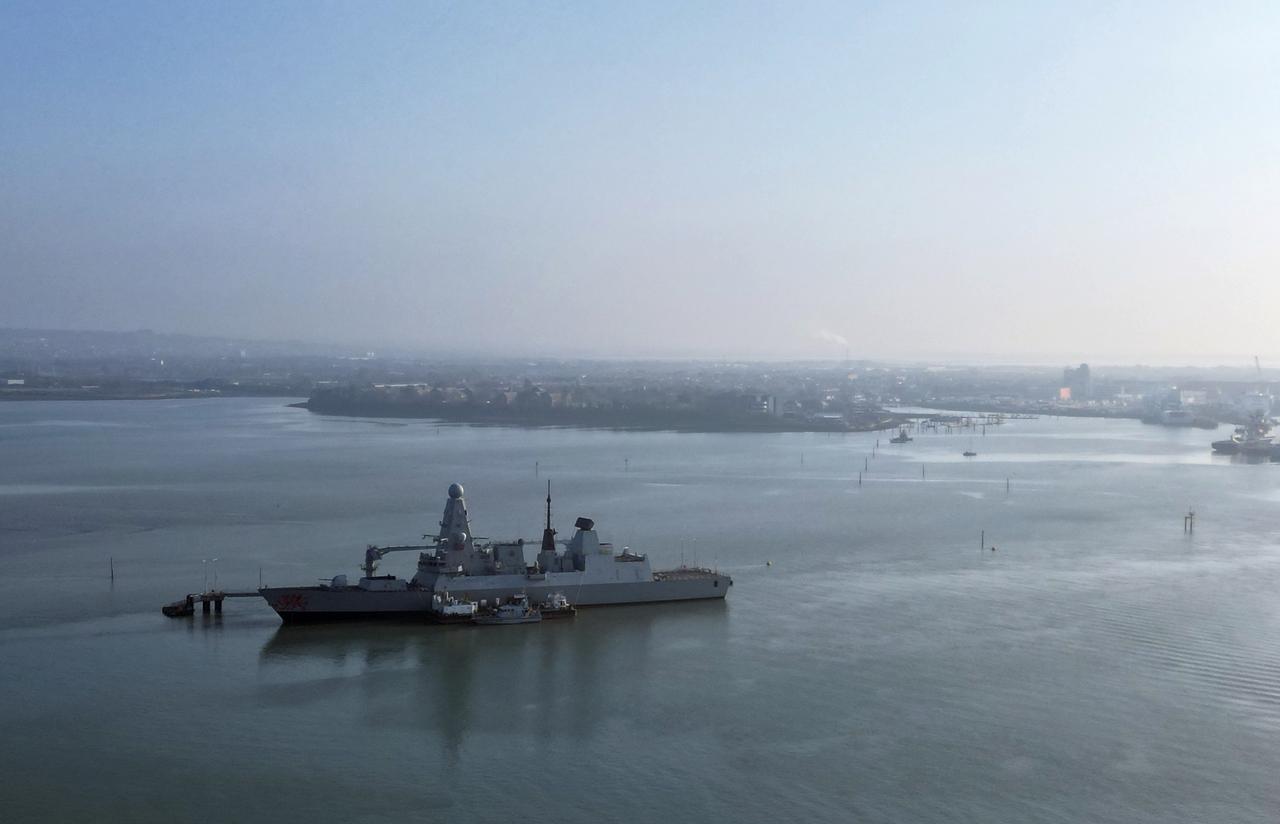
HMS Dragon serves as one of six Type 45 air defense destroyers in the British Royal Navy's Daring class. The warship was launched in 2008 and entered active service in 2012.
Designed primarily for anti-air warfare and missile defense, the vessel forms a key part of Britain's naval air defense capability. With a length of about 152 meters and a displacement of roughly 8,500 tons, the destroyer carries a crew of around 200 personnel.
The ship also continues a long historical naming tradition. HMS Dragon is the tenth Royal Navy vessel to carry the name, which traces back to ships recorded as early as 1647.
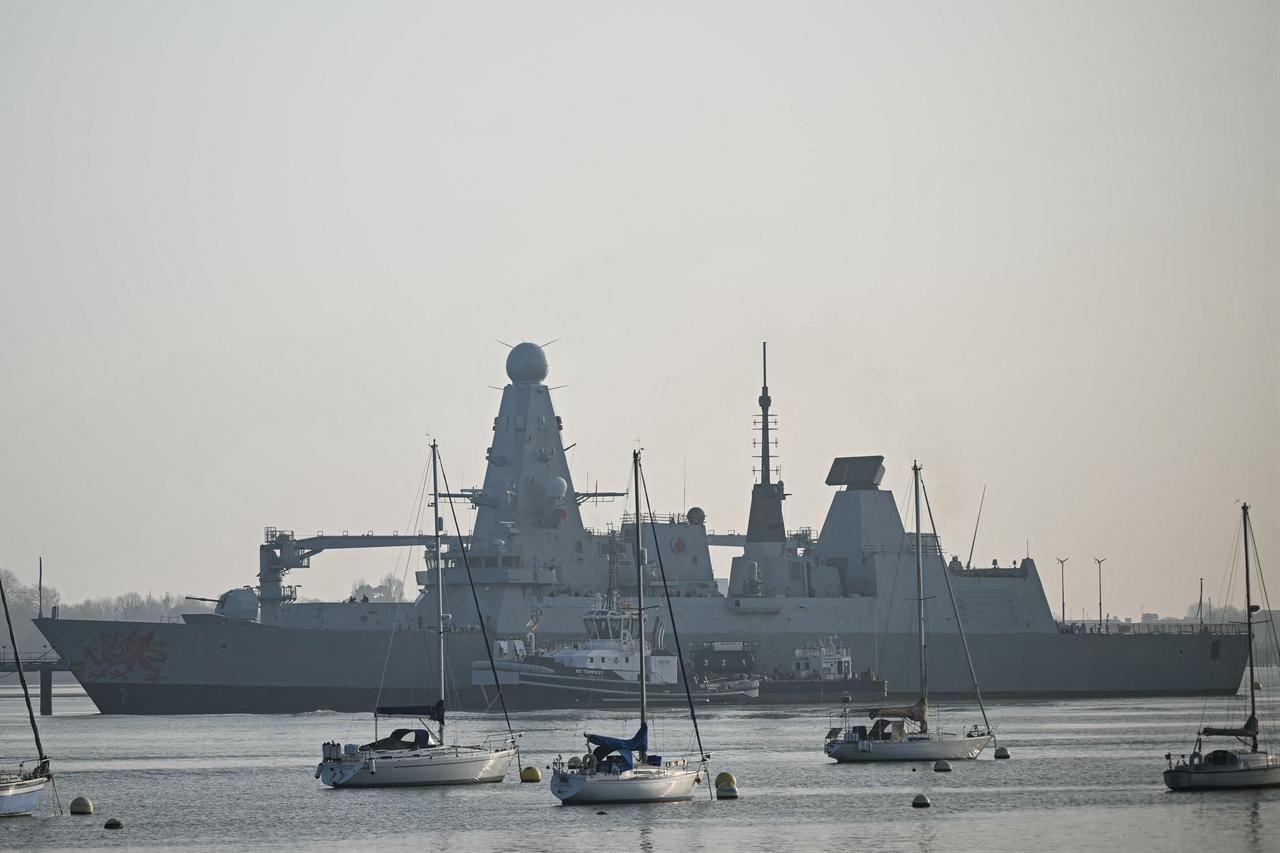
One of the ship's defining capabilities is the Sea Viper air defense missile system. The system can track and intercept multiple aerial threats including cruise missiles, fighter aircraft and unmanned aerial vehicles.
Sea Viper is capable of launching multiple missiles in rapid succession and guiding them simultaneously toward different targets. Its interception range extends beyond 110 kilometers.
Supporting this capability are advanced radar systems known as SAMPSON and S1850M. These sensors allow the vessel to detect aerial or surface targets at distances of up to about 400 kilometers while tracking hundreds of threats at the same time.
Beyond its air defense role, HMS Dragon carries a range of weapons including a 4.5-inch Mark 8 naval gun, Phalanx close-range defense systems and heavy machine guns.
The ship also features a large flight deck and hangar capable of operating Merlin or Wildcat helicopters. These aircraft can conduct patrol, strike and search-and-rescue missions, and can be equipped with Martlet multi-role missiles to counter drone threats.
Over the years the destroyer has participated in operations ranging from counter-piracy patrols to drug interdiction missions in the Middle East.
The warship recently returned to international attention following increased tensions in the Eastern Mediterranean.
According to an official statement by British Prime Minister Keir Starmer, HMS Dragon is being deployed toward the region after a drone attack attributed to Iran-backed forces targeted the British air base at RAF Akrotiri in Greek Cyprus.
Sailing from Portsmouth, the destroyer is expected to reach the area within roughly a week. Once there, it will operate alongside Wildcat helicopters to help strengthen the base's air defense.
In addition to its operational role, HMS Dragon has also appeared in popular culture, most recently featuring in the James Bond film "No Time to Die."


 Set as preferred source
 Set as preferred source


 4 min read