Newsletters


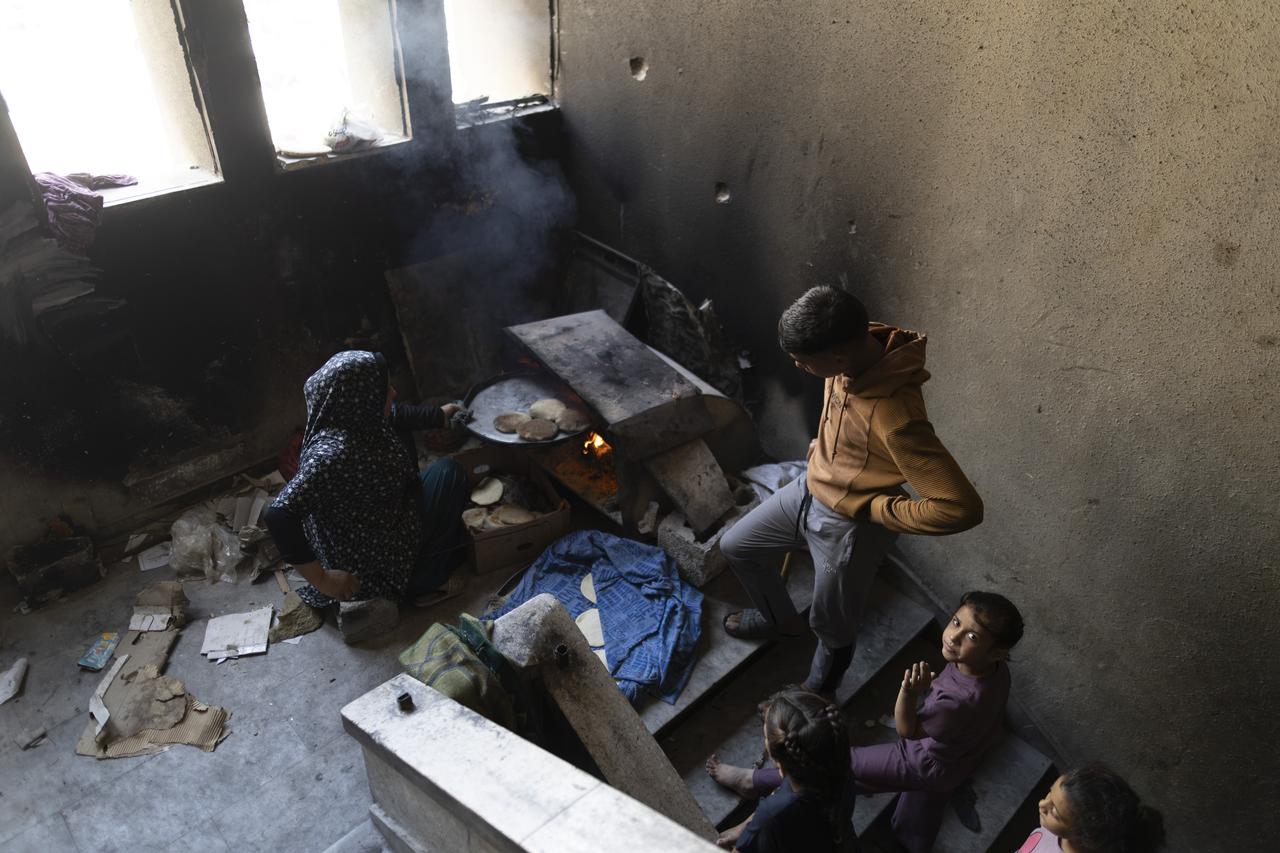


The U.N. World Food Program (WFP) said Monday it has reduced food assistance in the Gaza Strip by roughly one-third because of funding shortages, leaving 500,000 people without critical support as winter approaches.
The agency said it now provides assistance to 1.1 million vulnerable people in Gaza, compared with 1.6 million last month, while food rations have been cut in half.
Under the cuts, families will receive just one food parcel instead of two, along with a smaller bag of wheat flour.
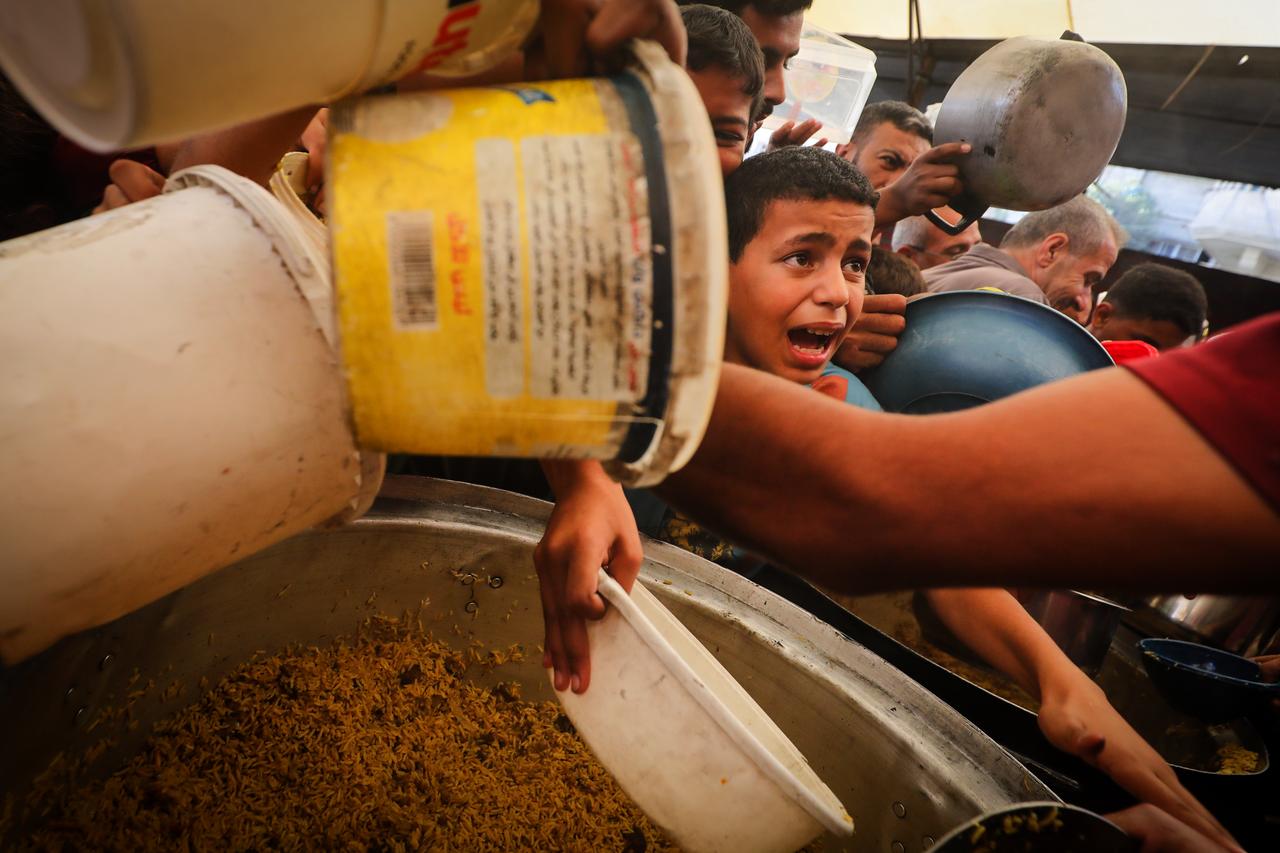
Daily hot meal distributions have also fallen to 150,000 from 250,000. In hard-to-reach areas, including locations near the Israeli military-controlled "yellow line," families will receive meals every other day rather than daily.
The agency has also lowered the value of cash assistance provided to 75,000 families.

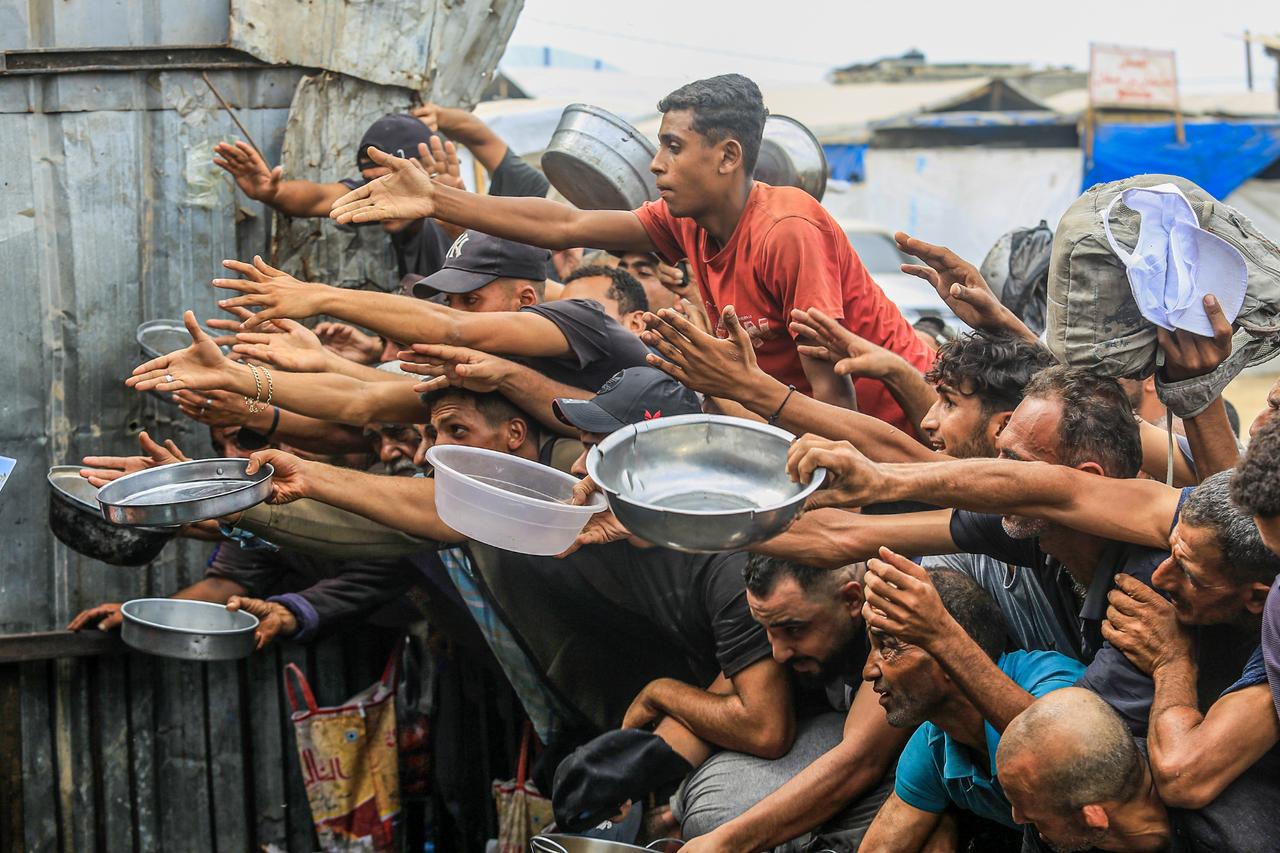
WFP estimates that 1.4 million people, representing 67% of Gaza's population, are experiencing crisis-level food insecurity or worse. Of those, around 200,000 face emergency conditions and require immediate food assistance to prevent deaths from hunger.
Only one in five children has a sufficiently diverse diet, while unemployment remains above 80%, leaving many families unable to afford nutritious food.
 1 min read
The agency warned that the "modest" improvements in food security recorded since the October 2025 ceasefire remain "fragile" and could quickly be reversed if humanitarian assistance is reduced further.
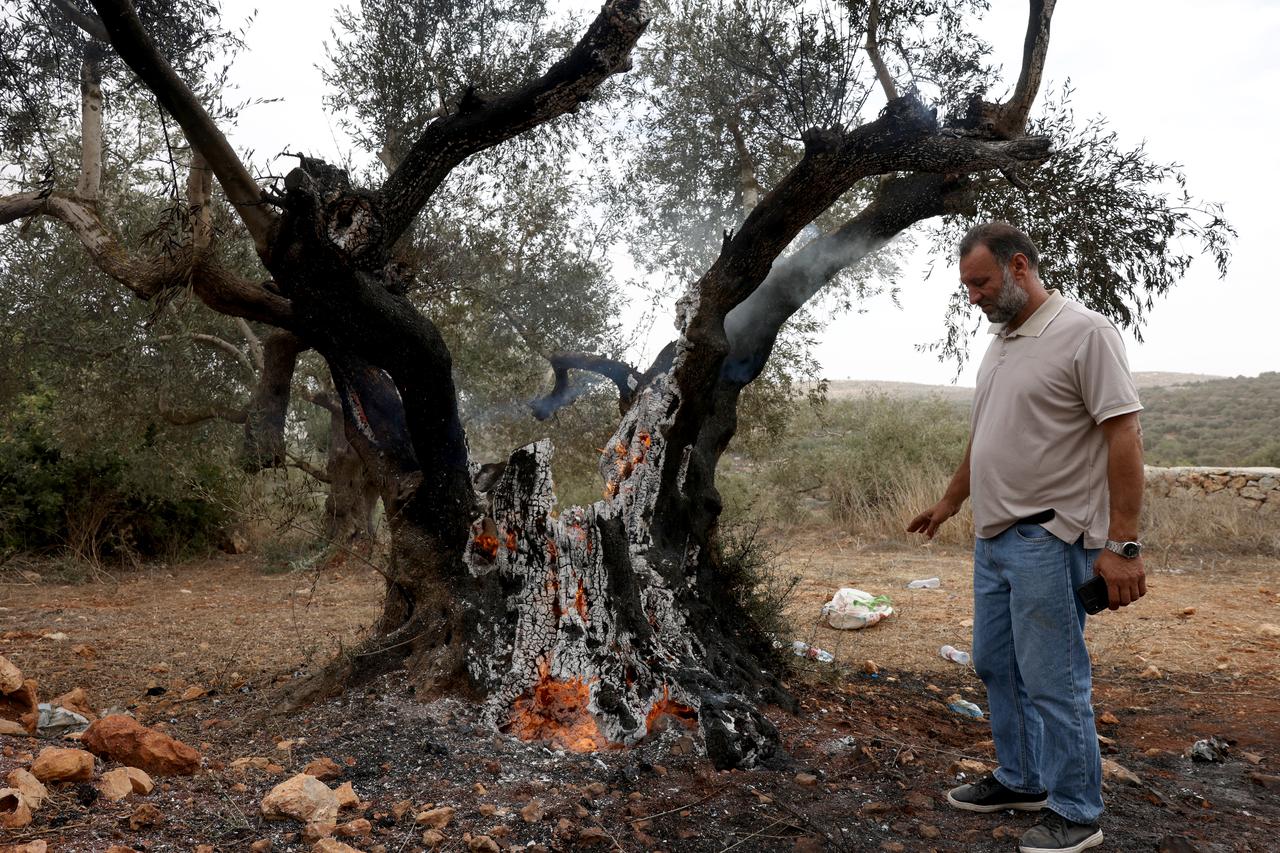
The funding crisis has also affected operations in the occupied West Bank, where WFP has halved the number of people receiving assistance from 400,000 to 200,000.
To maintain critical operations across Gaza and the West Bank over the next six months, through March 2027, WFP said it urgently needs $450 million.


 Set as preferred source
 Set as preferred source


 1 min read