Newsletters


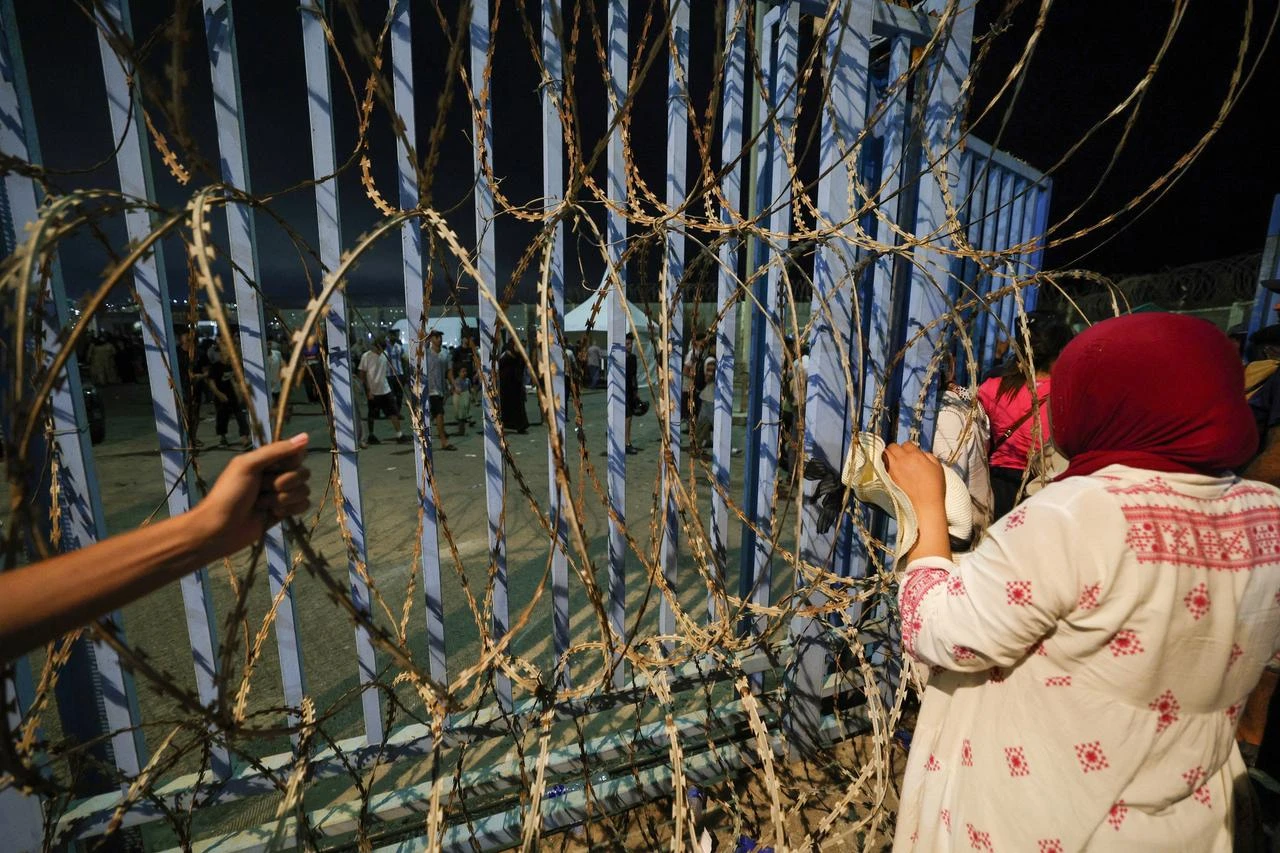


The tide at Tarajal Beach on Thursday morning carried more than bodies. Inner tubes, flippers, and discarded wetsuits littered the sand as thousands of young men, some with wives and children in tow, splashed past the breakwater into Spanish territory.
"Viva Espana!" rose over the surf as footage showed some of the migrants shouting. Nine people drowned before they reached shore. By evening Madrid had ordered the army into Ceuta, and Prime Minister Pedro Sanchez was just on a plane to Algeria.
The obvious question, the one every wire service asked, was what triggered the surge. The more interesting question is who benefits, and why the answer keeps circling back to Washington and the alignment it built.
What on the surface looks like a sudden migration crisis bears all the hallmarks of a coordinated strategic push. A manageable border breach, instantly weaponized by American MAGA influencers and Israeli figures, recalls Rabat's original bargain: entry into the Abraham Accords in exchange for U.S. recognition of Western Sahara.
For a Trump administration already fixated on global maritime chokepoints and eager to wrest strategic control like Greenland away from Europe, the Strait of Gibraltar presents an obvious prize. It becomes less surprising that, just weeks earlier, Capitol Hill quietly laid the legislative groundwork by casting doubt on Spanish sovereignty over Ceuta and Melilla.
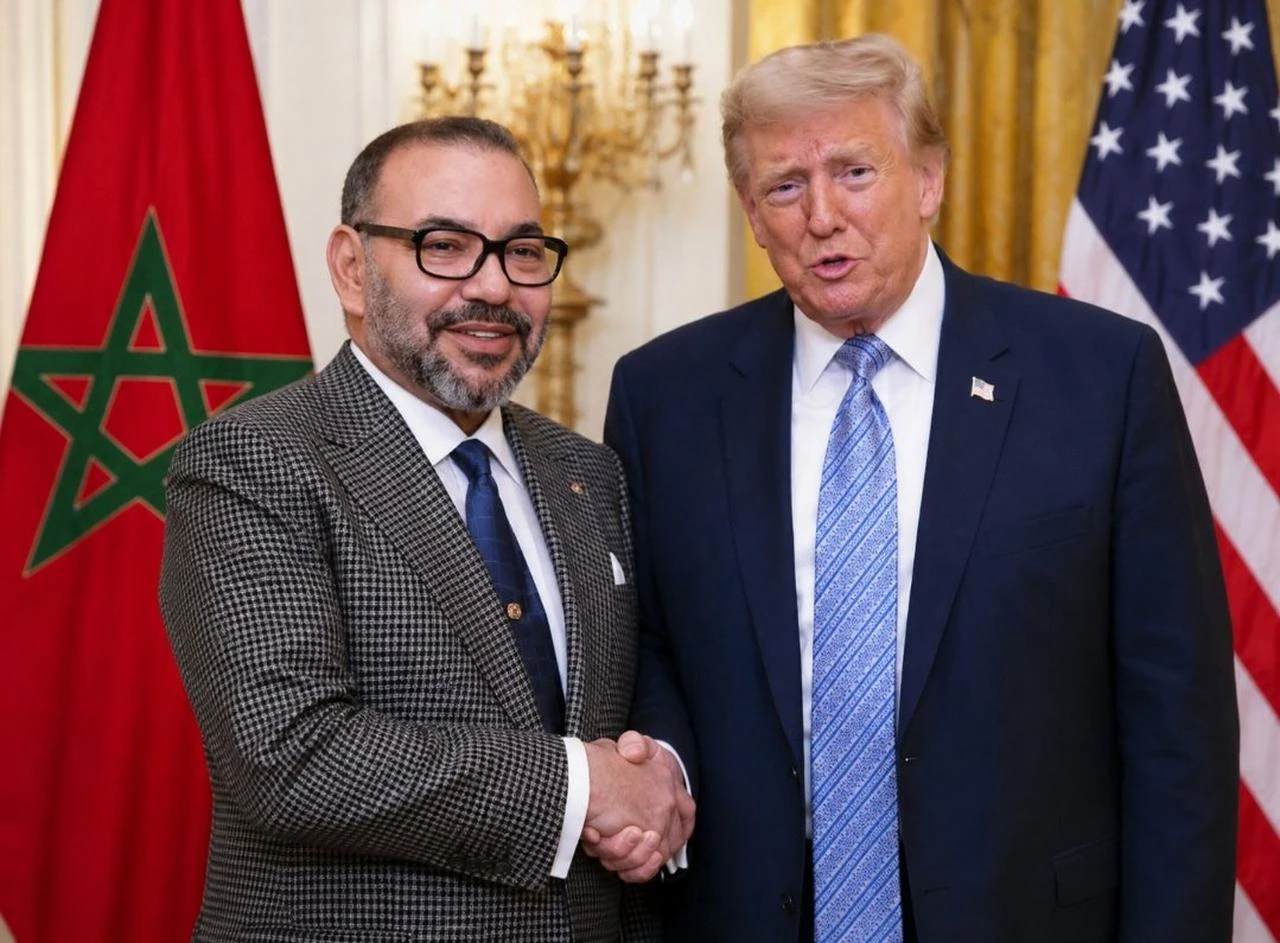

Morocco's realignment with the United States and Israel began in December 2020, when Donald Trump signed a proclamation recognizing Moroccan sovereignty over Western Sahara as the price of Rabat's entry into the Abraham Accords.
Israel completed the circle in July 2023 with its own formal recognition of Moroccan claims over the territory, and the three capitals have spent the years since building what amounts to a hard-power axis: intelligence sharing, joint military planning, and Israeli air-defense systems and drones now co-produced on Moroccan soil.
Gibraltar is the reason that axis matters beyond North Africa. An administration that has spent a year pressing Denmark over Greenland, framing Arctic shipping lanes as a matter too strategic to leave to Europeans, has an obvious interest in who controls the gate between the Atlantic and the Mediterranean.
When viewed alongside a Trump administration that moved immediately upon taking office to assert control over the Panama Canal, strengthen its hand in the Strait of Malacca, and engage in active conflict across the Strait of Hormuz, this sudden pressure on the Strait of Gibraltar ceases to look like a coincidence.
Laid out on Israeli media platform Ynet just hours after the migrant footage went viral, an article argued that a "resilient, well-resourced Moroccan state" serves both American and Israeli interests precisely because Madrid's grip on that gate looks shakier by the week. The familiar framing was that Europe cannot secure its own southern frontier, so someone else should.
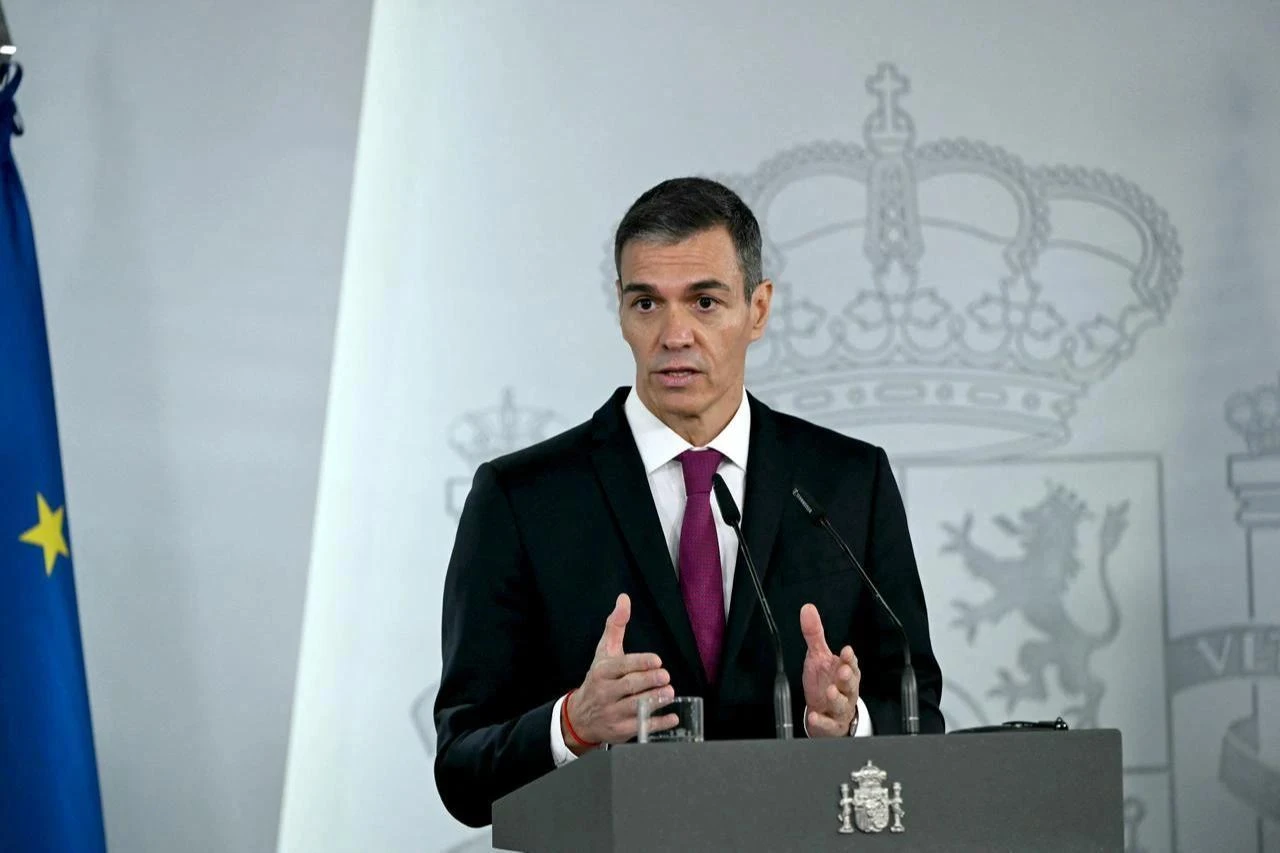
Madrid did not stay quiet during the wars that reshaped the region over the past year and a half. It refused Washington the use of the Rota and Moron bases for operations tied to the Iran conflict, closed its airspace to related military flights, and took positions in international forums that put it at odds with both the Israeli campaign in Gaza and the broader U.S.-led campaign on Tehran.
Trump called Spain "terrible" and ordered his Treasury Secretary to cut off dealings with the country. A leaked Pentagon email floated suspending Spain from NATO altogether.
Then the ledger moved to Ceuta. In late April, the House Appropriations Committee inserted language describing Ceuta and Melilla as Spanish-administered cities "located in Moroccan territory," the first time a chamber of Congress had cast doubt on Spanish sovereignty over the enclaves.
The provision's architect, Florida Republican Mario Diaz-Balart, had already told a Spanish newspaper in April that the territories' future should be "negotiated and discussed between friends and allies." He is also one of Secretary of State Marco Rubio's closest congressional allies, which is the sort of detail that turns a committee footnote into a signal.
The rhetorical groundwork came earlier still. Michael Rubin, a former Pentagon official now at the American Enterprise Institute, urged Trump and Rubio in a March piece to recognize the enclaves as occupied Moroccan territory.
Four days later, he went further, invoking the 1975 Green March and calling on Morocco to send unarmed civilians into Ceuta and Melilla, arguing NATO's Article 6 does not cover territory south of the Tropic of Cancer.
Thursday's images did not need much help traveling. American cable coverage ran them heavily, and the usual constellation of MAGA-aligned commentators framed the crossings as vindication of MAGA arguments, without troubling to mention that reaching Ceuta's beach guarantees nothing beyond Ceuta's beach: the enclave is Europe's farthest, narrowest foothold in Africa, not a door to the mainland.
Pro-Donald Trump internet figure with Turning Point USA, Jack Posobiec repetitively posted videos with a caption that reads "They will do this to every white country." Benjamin Netanyahu's son, Yair Netanyahu, posted earlier in the day, "Dear Arabs and Muslims. Want to free occupied Arab Islamic lands? Here’s a good start!" in reference to Ceuta and Melilla.
Rome supplied the second act. Italian Foreign Minister Antonio Tajani wrote that he backed suspending Spain from Schengen, tying the breach to Sanchez's plan to regularize roughly a million undocumented migrants already working in Spain. Deputy Prime Minister Matteo Salvini echoed the call, and Reuters reported Meloni's office was weighing the suspension seriously enough to brief journalists on it.
Reform's home affairs spokesman Zia Yusuf said many of those crossing would end up drawing on Britain's welfare system. None of this required Rome to explain how a Spanish enclave in Africa threatens Italian or British borders hundreds of kilometers away.
Spain supplied its own chorus. Vox leader Santiago Abascal called the crossing a "real invasion," a framing that collapses under its own history: Spanish law has handled far larger breaches with mechanical speed just recently.
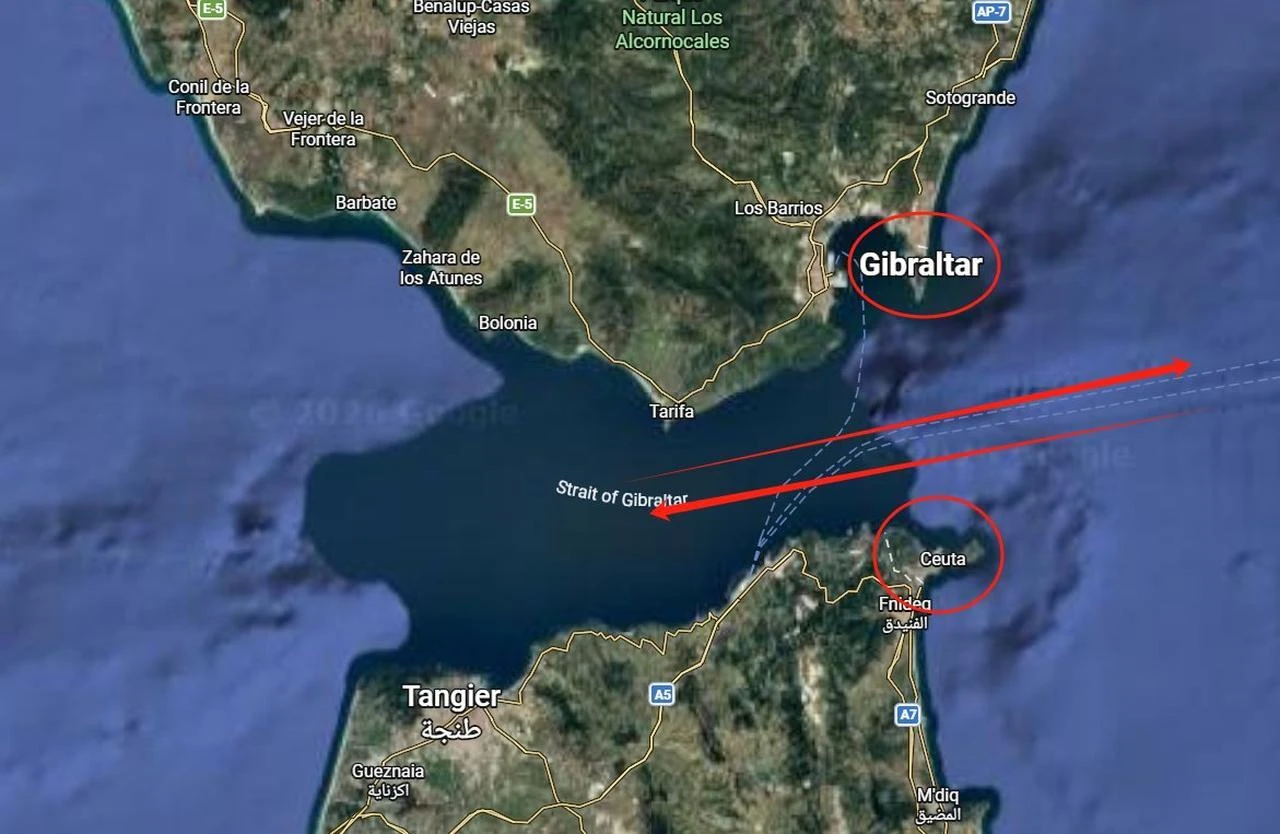
Because this has happened before, and the precedent is instructive. In May 2021, Rabat loosened border enforcement after Madrid allowed Polisario Front leader Brahim Ghali to receive hospital treatment in Spain, a decision Morocco read as an affront to its Western Sahara claim. Roughly 8,000 people crossed into Ceuta within two days.
Spanish authorities returned about 6,600 adults to Morocco within only three days. Only unaccompanied minors, who cannot be summarily expelled under Spanish law, remained in state custody for a while before they matched with their families back.
That is the pattern breaking again now, faster: officials expect this week's arrivals, somewhere between 2,000 and 3,000 by Thursday's count, to be processed and returned even more quickly than in 2021. It is not a demographic transformation of Ceuta, let alone mainland Spain, as the enclave has a population of over 83,000.
Morocco's ambassadors have denied any engineered pressure, pointing to a Spanish Supreme Court ruling this summer that restricts summary pushbacks of people intercepted swimming near shore, along with rough seas and daily interceptions their own forces still carry out. Both things can be true.
Morocco does not need to orchestrate every crossing to benefit from what a crossing produces: a Washington committee already on record questioning Spanish sovereignty, an Italian government threatening Schengen, and an American op-ed circuit rehearsing the language of "occupied territory" months before the cameras arrived at Tarajal.
None of this means that Thursday’s footage was planned. However, it is now clear that the chorus singing behind it has a political agenda, and the EU has another front it needs to protect from the Abraham Accords team.


 Set as preferred source
 Set as preferred source


 4 min read