Newsletters


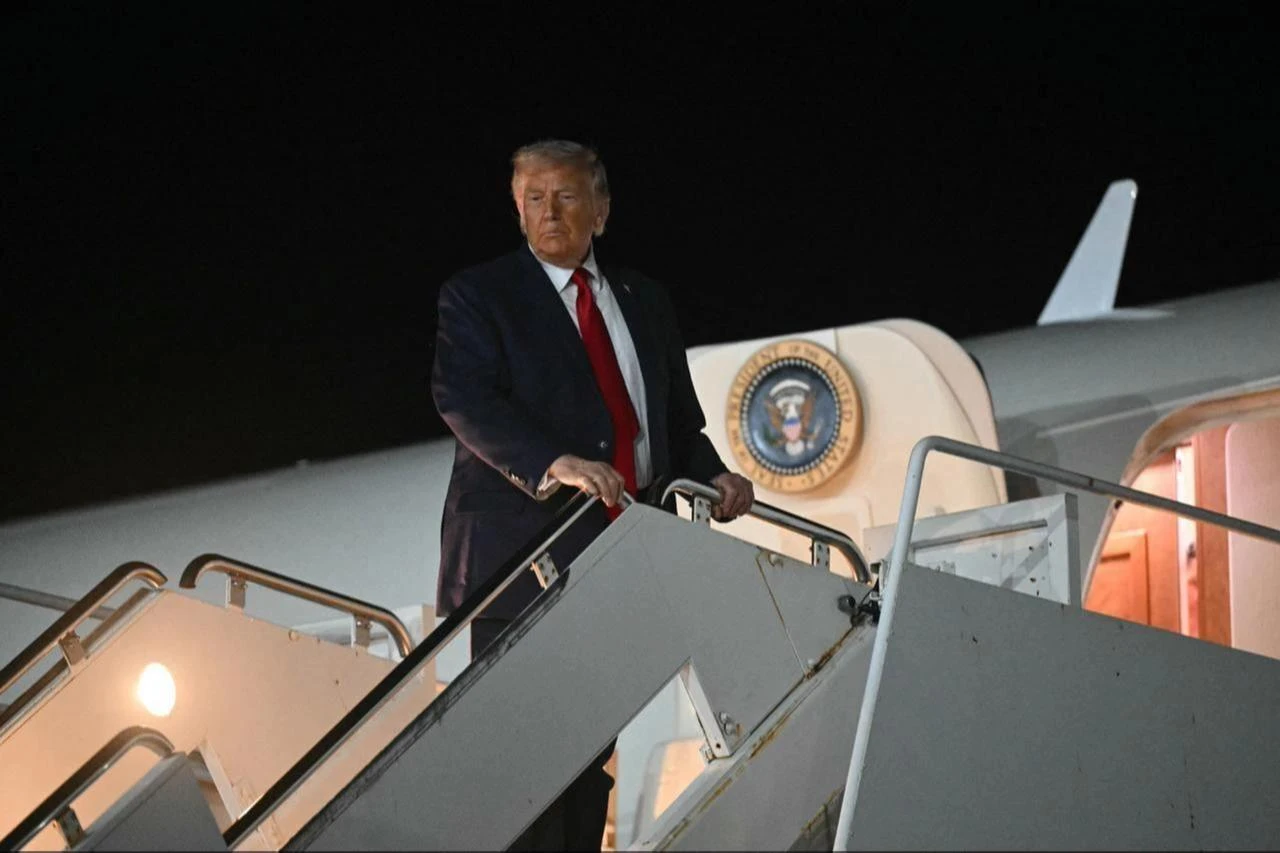


U.S. intelligence officials had doubts about the credibility of an alleged Iranian assassination threat against President Donald Trump that Israel relayed ahead of his departure from Türkiye last month, according to the report.
CIA analysts reportedly did not find the Israeli-provided information compelling and conveyed their concerns to Trump administration officials, The Washington Post reported, with one official describing the intelligence as "Israeli-derived, not U.S.-generated, and viewed as low confidence."
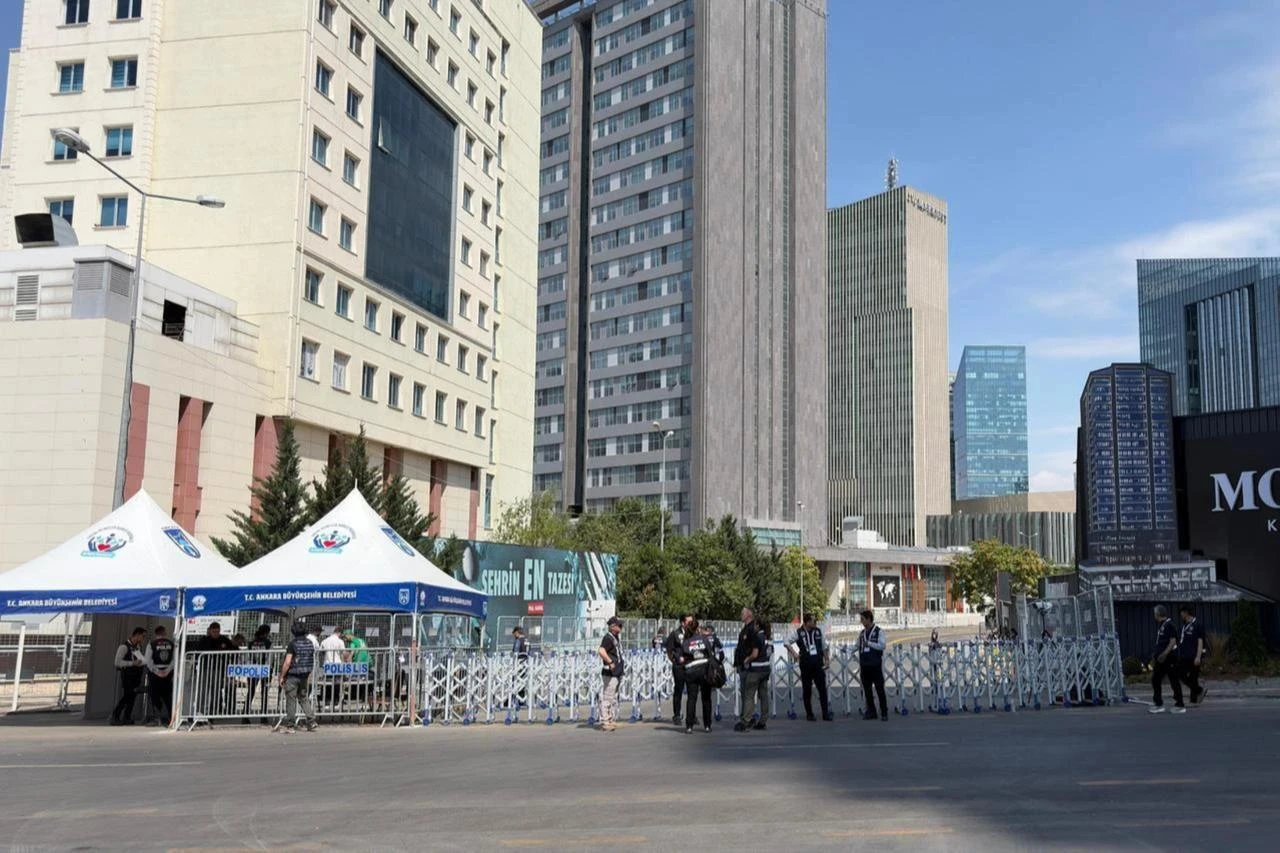
Despite those doubts, the warning contributed to an extraordinary security operation as Trump left Ankara following the NATO summit on July 8.
The Secret Service determined that the potential threat warranted extraordinary measures, U.S. officials indicated, after having experienced three near misses involving Trump and therefore taking no chances.
Trump initially boarded the legacy Air Force One before being secretly moved to an Air Force C-32A military aircraft. He and a small group of aides were transported between the planes in an airport catering truck before flying to Britain’s Mildenhall air base under F-16 fighter jet escort.
The operation unfolded amid concerns over the security of a new Boeing 747-8 gifted to the United States by Qatar and whether it had adequate protections for the president’s departure from a potentially dangerous environment.
U.S. Secretary of State Marco Rubio was also briefed on both the Israeli intelligence and the Secret Service’s planned operation but nevertheless boarded the legacy Air Force One, according to the report.
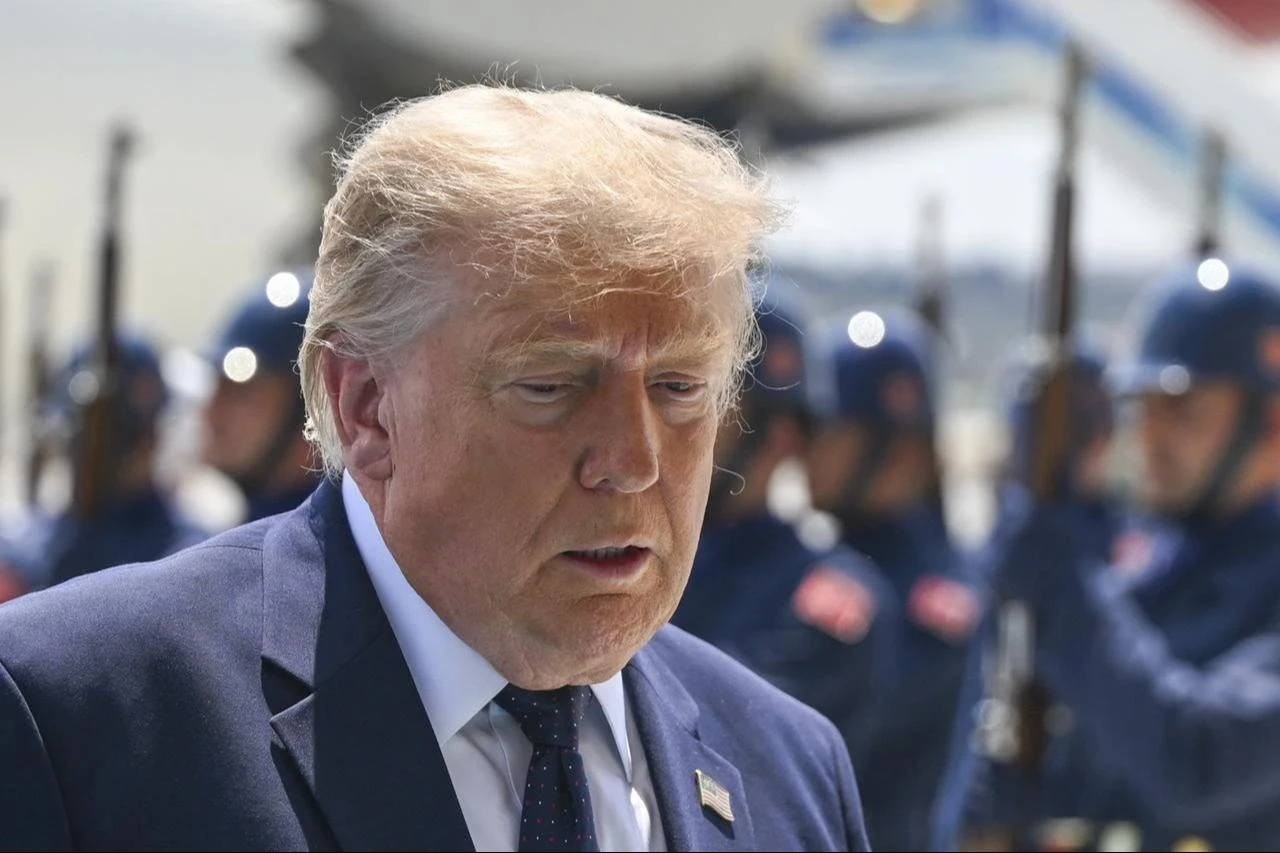

Trump confirmed Tuesday that the decision to use another aircraft came from the Secret Service. "It’s really just up to Secret Service. I just follow what they like to do," he said "They wanted me to go on a different flight, a different plane, equal safety … I do what they say."
The doubts have also raised questions about why Israel shared the warning with Washington and whether the intelligence was intended only as a security alert or could have been aimed partly at influencing U.S. policy.
Some current and former U.S. intelligence officials believed the Israeli reporting may have been intended to affect Trump’s decision-making and Washington’s approach to the region, according to the report.
A former official familiar with the matter told the newspaper that the warning was fitting "a broader pattern of Israeli intelligence reporting that some officials see as designed as much to shape presidential decision-making as to inform it."
Another U.S. official questioned how serious the alleged threat could have been, pointing to the tens of thousands of Turkish security personnel deployed for the NATO summit.
Turkish officials had earlier told Middle East Eye that they suspected Israel had fabricated the alleged assassination threat against Trump as part of an effort to derail U.S-Iran negotiations.


 Set as preferred source
 Set as preferred source


 1 min read
 1 min read