Newsletters




Croatia secured changes to European Council conclusions on Montenegro's accession process, removing references to deadlines for closing negotiating chapters as Zagreb pressed its neighbor to address eight outstanding bilateral issues, Croatian public broadcaster HRT reported Friday.
The intervention comes as Montenegro, widely considered a frontrunner for European Union membership among Western Balkan candidates, seeks to join the bloc by 2028.
Croatia has repeatedly warned that unresolved bilateral disputes must be addressed before Montenegro can complete its accession process.
According to a document Zagreb submitted to EU member states, the European Commission and the European Council, Croatia has outlined eight demands it considers "clearly defined and achievable."
"Croatia seeks to facilitate, not obstruct, Montenegro's accession," the document states.
The document emphasizes the need to resolve issues stemming from Montenegro's involvement in military operations against Croatia during the Yugoslav wars of the early 1990s.
"Croatia sincerely wishes to turn the page on this painful chapter of our shared history and to build a future-oriented relationship with Montenegro," it adds.

An earlier draft of the European Council conclusions called for an agreement on the provisional closure of all negotiating chapters by the end of 2026, provided Montenegro completed the necessary reforms.
It also urged work on the country's accession treaty to be completed as quickly as possible.
Following Croatia's intervention, the revised conclusions no longer include those deadlines.
Instead, the document welcomes ongoing work on drafting Montenegro's accession treaty and acknowledges the Irish presidency of the Council of the EU's intention to work toward the provisional closure of negotiating chapters, provided Montenegro implements the required reforms.
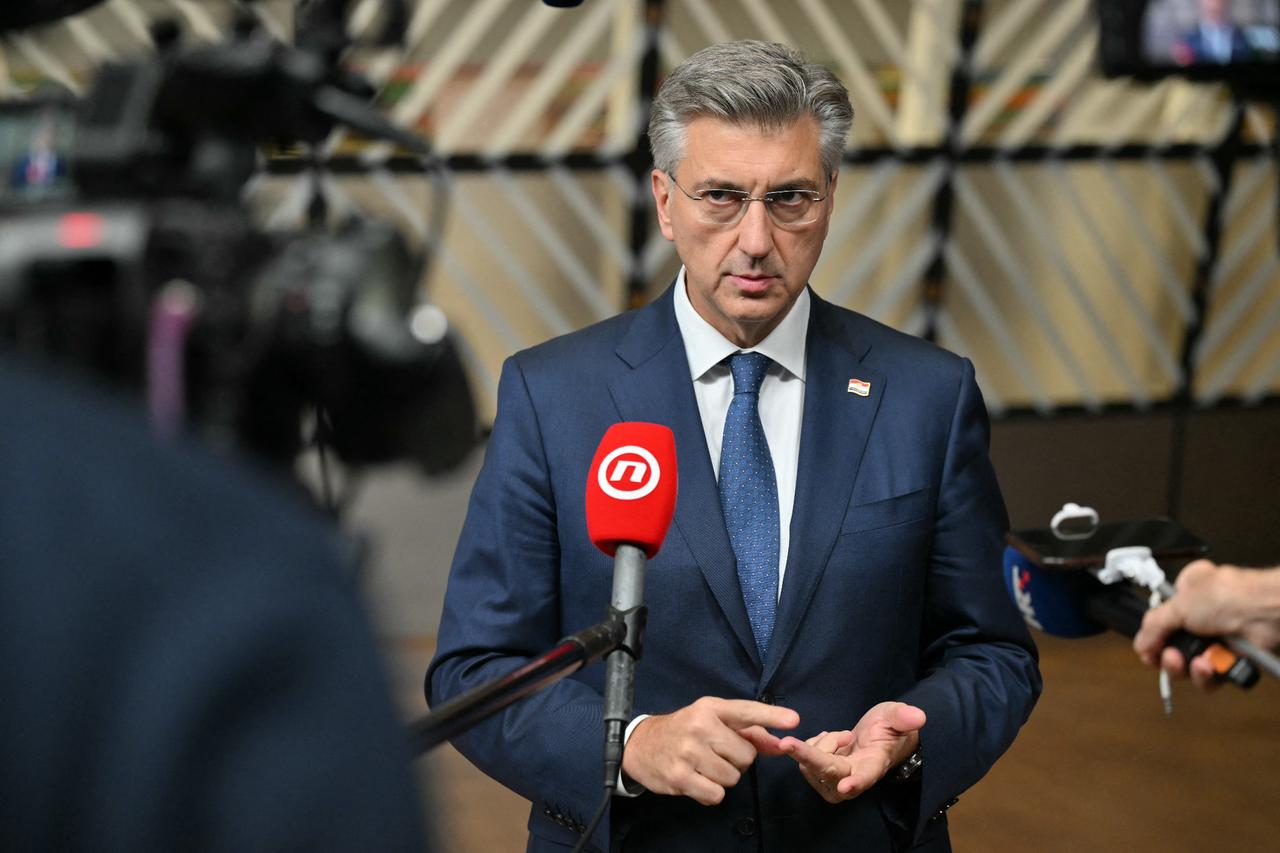
Speaking after the first day of the European Council meeting in Brussels, Croatian Prime Minister Andrej Plenkovic said Zagreb continued to support EU enlargement but insisted that candidate countries must fulfill the necessary conditions.
"We amended the conclusions at our initiative, sending a realistic message to our colleagues in Montenegro that they should get down to talks with Croatia," Plenkovic said.
He said the outstanding issues concerned Chapter 23 of Montenegro's EU accession negotiations, covering judiciary and fundamental rights, and Chapter 31, covering foreign, security and defense policy.
Six of Croatia's eight demands fall under Chapter 23, while the remaining two relate to Chapter 31.
Croatia's first demand concerns compensation for more than 300 Croatian citizens detained at the Morinj camp in Montenegro between October 1991 and August 1992.
The second seeks to preserve the memorial plaque installed at the former detention camp and ensure its permanent visibility.
According to the document, a large metal frame has been erected around the plaque, allowing it to be covered with a movable panel.
Croatia's third demand calls for the renaming of the municipal swimming pool in Kotor, currently named after Zoran Gopcevic, a former international water polo player who served as a guard at the Morinj camp.
Croatian water polo clubs have refused to play at the facility because of its name.
The fourth demand seeks Montenegro's full cooperation in determining the fate of 14 Croatian citizens who disappeared during the military operations against Croatia in the early 1990s.
The fifth calls for the prosecution of individuals responsible for war crimes committed during the conflict, including those who may bear criminal liability under the principle of command responsibility.
Croatia's sixth demand addresses property disputes dating to the early 1990s involving Croatian families who were unlawfully deprived of their property.
The document notes that some properties have been returned to former owners, predominantly members of Montenegro's Albanian minority, raising concerns in Zagreb about unequal treatment of claimants.
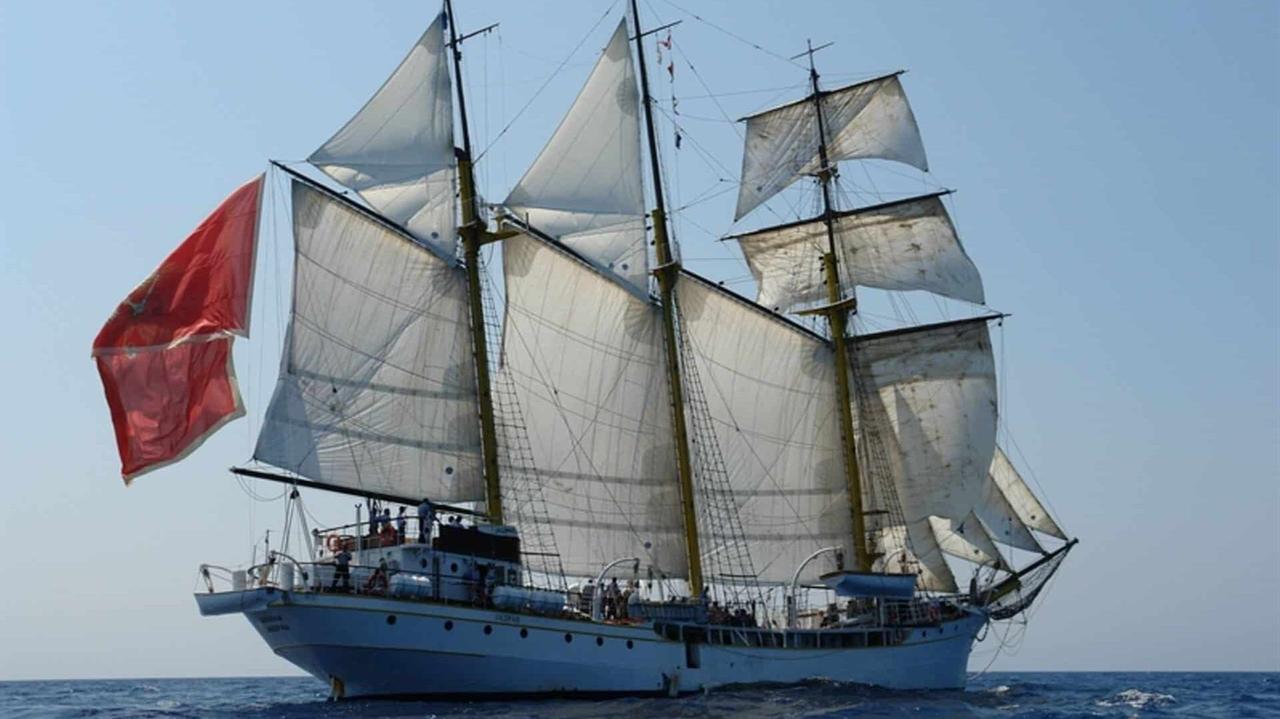
The seventh demand concerns the return of the training ship Jadran, or Adriatic, which Croatia claims as part of the former Yugoslav military fleet.
The vessel was based in Split before Yugoslavia's breakup but was undergoing repairs in Montenegro when war broke out in 1991.
Zagreb maintains that the ship should be returned to Croatia as part of the division of the former Yugoslav federation's military assets.
According to the Croatian document, the dispute extends beyond the Jadran to military equipment that Montenegro continues to hold and which Zagreb claims was taken from Croatian territory.
Croatia estimates the value of those disputed military assets at $2.7 billion.
The dispute remains one of the most prominent unresolved issues between the two neighboring countries.
Croatia's eighth demand calls for continued dialogue on establishing the border between the two countries.
Zagreb wants Montenegro to confirm the former internal boundary between the two Yugoslav republics as established by the Arbitration Commission of the Conference on Yugoslavia, commonly known as the Badinter Commission.
The commission played a key role in determining legal principles concerning the dissolution of Yugoslavia and the recognition of its successor states.
Croatia considers settlement of the border question an essential part of normalizing bilateral relations.
Montenegro has emerged as one of the most advanced Western Balkan candidates in the EU accession process and aims to secure membership in 2028.
However, Croatia's intervention demonstrates how unresolved bilateral disputes can complicate accession negotiations even when a candidate country advances on EU-mandated reforms.
Zagreb maintains that its eight demands are achievable and intended to help resolve longstanding grievances rather than prevent Montenegro from joining the bloc.
The revised European Council conclusions leave the possibility of further progress open but tie advancement to continued reforms without retaining the earlier target for closing negotiating chapters by the end of 2026.


 Set as preferred source
 Set as preferred source


 2 min read
 1 min read