Sign in
 Newsletters


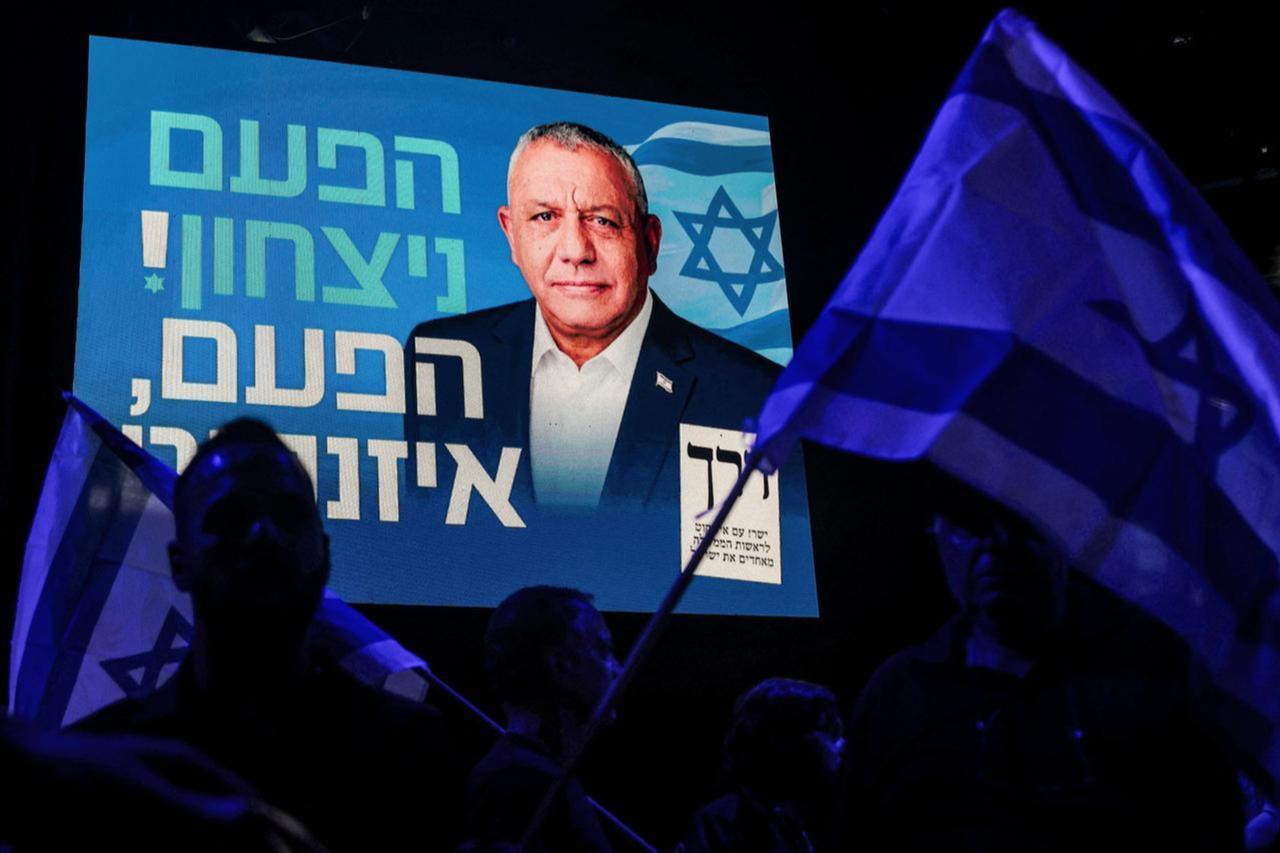


Yashar Party leader Gadi Eisenkot plans to form a minority government with outside support from Arab parties representing Palestinian citizens of Israel, even if coalition negotiations with Likud and ultra-Orthodox factions fail, Israeli media reported.
Eisenkot intends to notify Israeli President Isaac Herzog next week that he has formed a government. Preparations are underway for a confidence vote in the Israeli parliament, the Knesset, as talks with Likud and Haredi parties are expected to conclude by the end of the week, according to the Walla news website.
Eisenkot received the mandate to form a government on Nov. 8 and has until Dec. 6 to complete the process. He reportedly plans to forgo an additional 14 days from Herzog and instead announce a minority administration backed by parties representing Palestinian citizens of Israel.
Under Israel's Basic Law, a newly formed government must secure the Knesset's confidence within seven days of notifying the president and parliament of its formation.
Eisenkot's negotiations with Likud, led by caretaker Prime Minister Benjamin Netanyahu, and ultra-Orthodox factions follow the Oct. 27 election.
Netanyahu has urged the Yashar leader and his allies to rule out cooperation with parties representing Palestinian citizens of Israel, advocating instead for a national unity government.
Eisenkot has nevertheless indicated that he will pursue a national emergency government if efforts to establish a broad-based coalition fail.
The prospect of relying on Arab parties has drawn opposition from two potential allies: Naftali Bennett, leader of the United List, and Avigdor Liberman, head of the Yisrael Beiteinu Party.
While Liberman maintains that a government under Eisenkot can include Haredi parties, Bennett calls for a "Zionist unity government" that keeps Netanyahu from returning as prime minister.
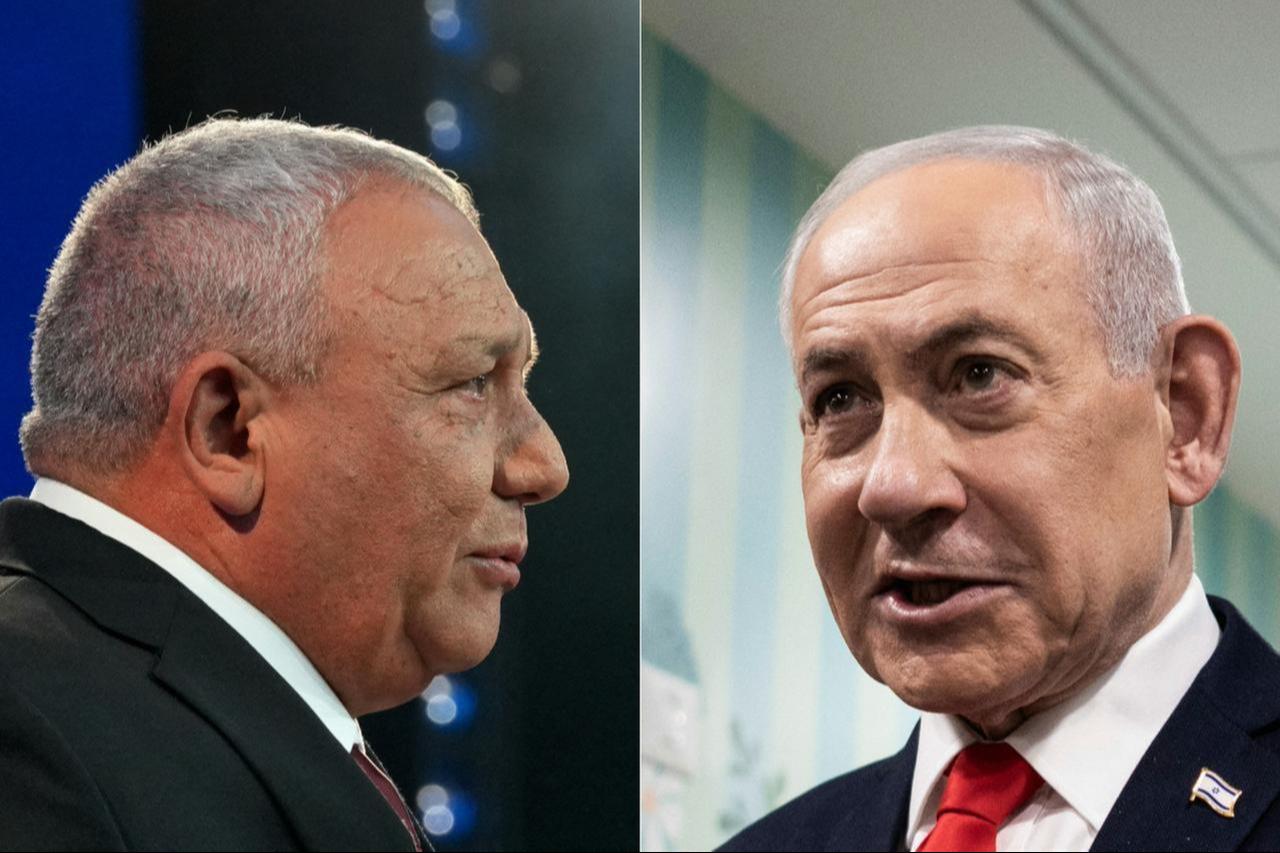

Eisenkot secured his first coalition agreement on Nov. 24, reaching a deal with Avigdor Liberman's Yisrael Beiteinu party as he seeks to assemble a parliamentary majority.
The agreement brings together 28 lawmakers, with Yashar holding 21 seats and Liberman's party controlling seven. Netanyahu's Likud-led bloc holds 53 seats in the 120-member Knesset, while Eisenkot's existing partners hold 48. Parties representing Israel's Arab minority control another 19 seats.
The deal comes despite Liberman's previous opposition to a government relying on Arab parties, either directly or indirectly. He has instead pushed for an arrangement involving ultra-Orthodox factions.
Meanwhile, the left-wing Democratic Party, led by Yair Golan, suspended coalition negotiations with Eisenkot on Nov. 25, citing his continued discussions with Likud over a possible unity government and a deadlock within the opposition bloc.


 Set as preferred source
 Set as preferred source


 1 min read

 1 min read