Newsletters


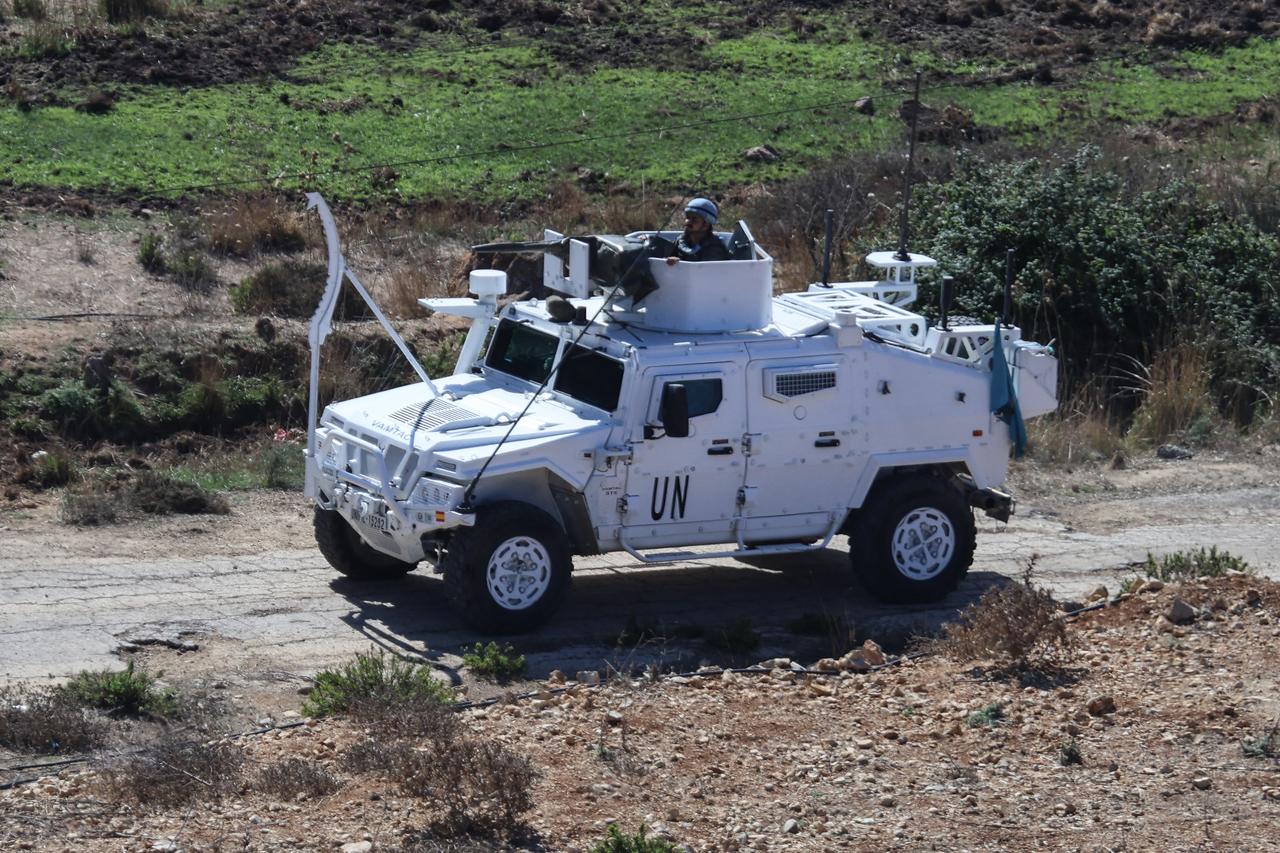


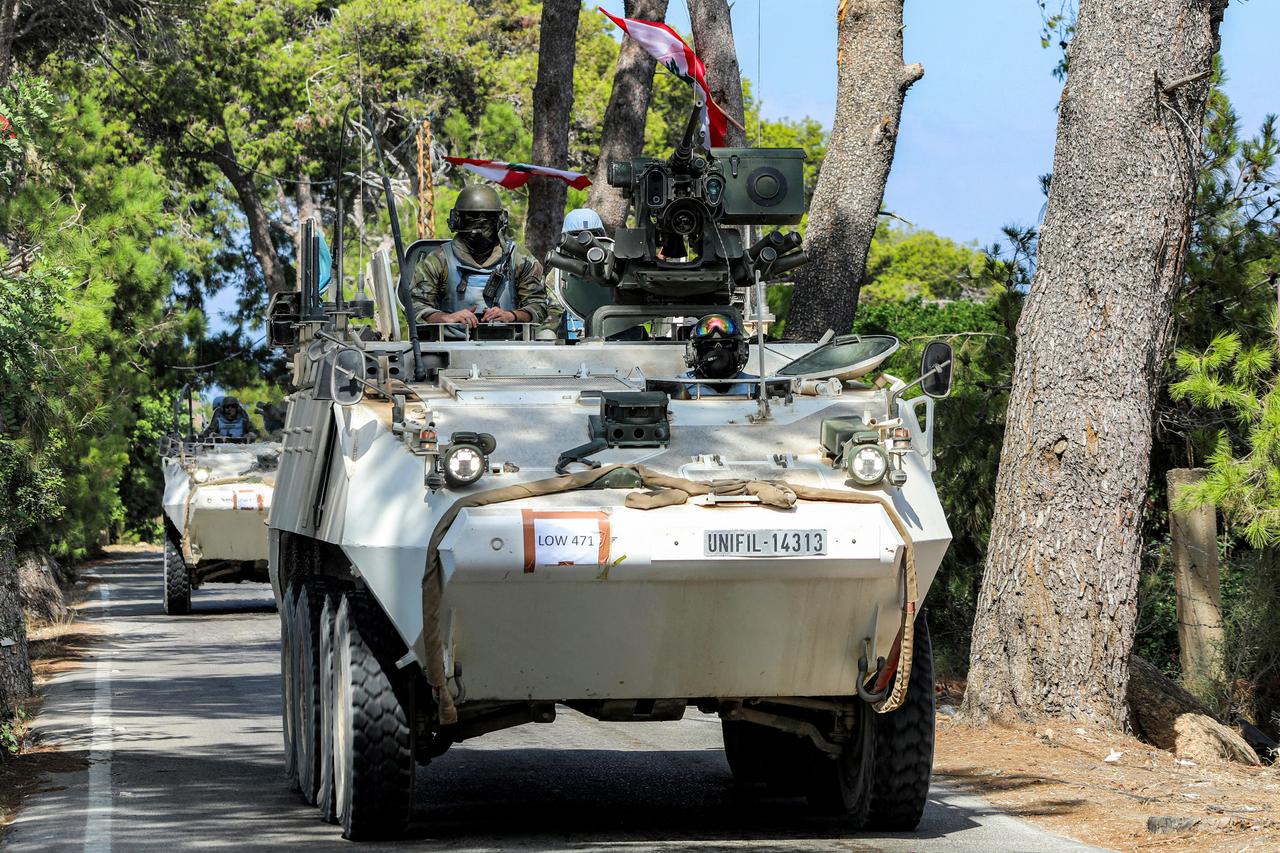
The European Union supports extending the mandate of U.N. peacekeepers in southern Lebanon, EU foreign policy chief Kaja Kallas said Thursday, warning that a gap between the United Nations Interim Force in Lebanon (UNIFIL)'s exit and any successor force would be dangerous.
"Our member states have been saying that there can’t be any security vacuum in southern Lebanon, so everybody is worried about the UNIFIL mandate ending," Kallas told Agence France-Presse (AFP) during a visit to Beirut.
"It would be most welcomed if this mandate is extended, so that is the position of the member states," she added.
Under U.S. pressure, the U.N. Security Council voted last year to end UNIFIL’s mandate on Dec. 31, 2026, while a U.S.-sponsored Israel-Lebanon framework deal that relies on verification has largely stalled.
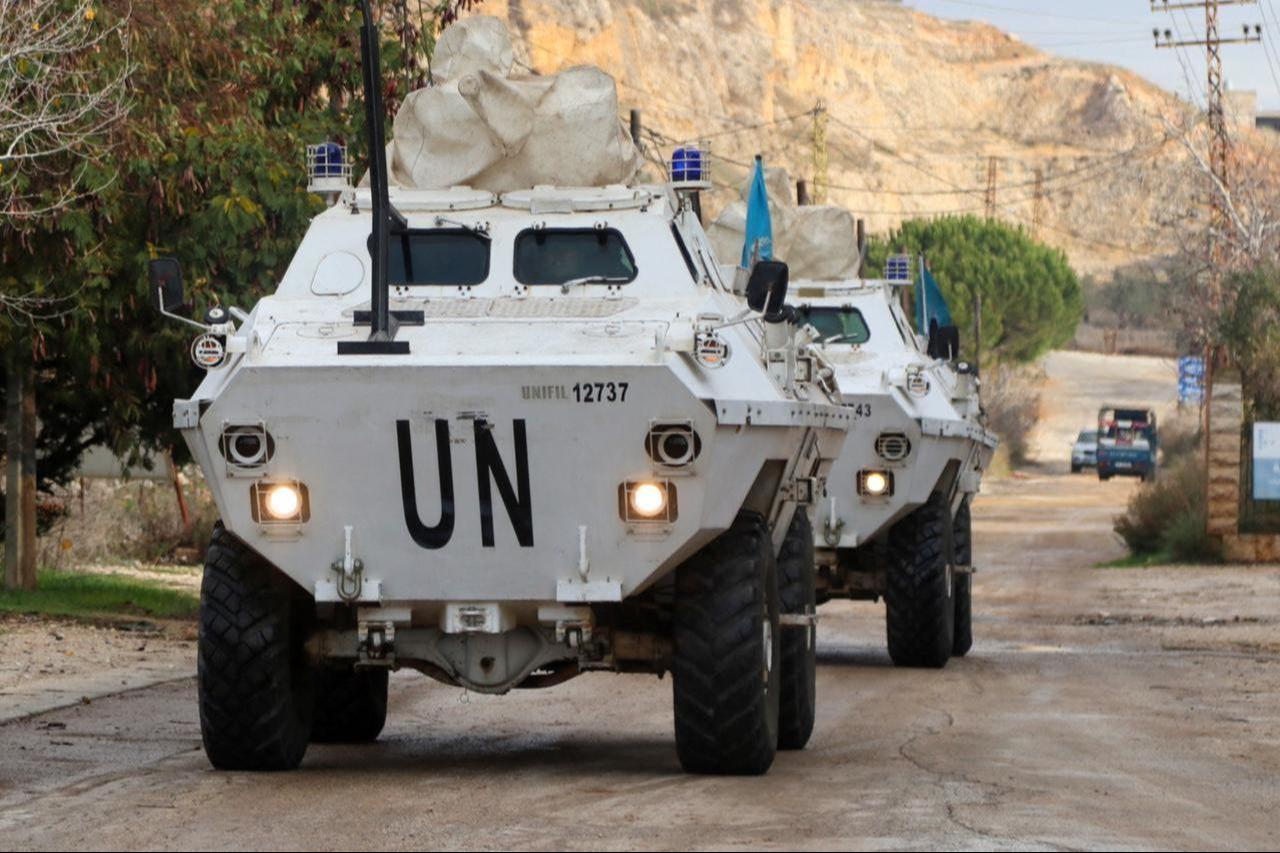

Kallas said that under the U.S.-sponsored deal "there should be somebody who is verifying whether the parties are keeping to their agreements."
"So, as long as you don’t have any kind of international force yet ready to do that ... it’s dangerous when one mission like UNIFIL ends and the other one has not started yet," she said.
The June framework deal involves the disarmament of Hezbollah, a gradual withdrawal of Israeli forces from southern Lebanon and the deployment of the Lebanese army there.
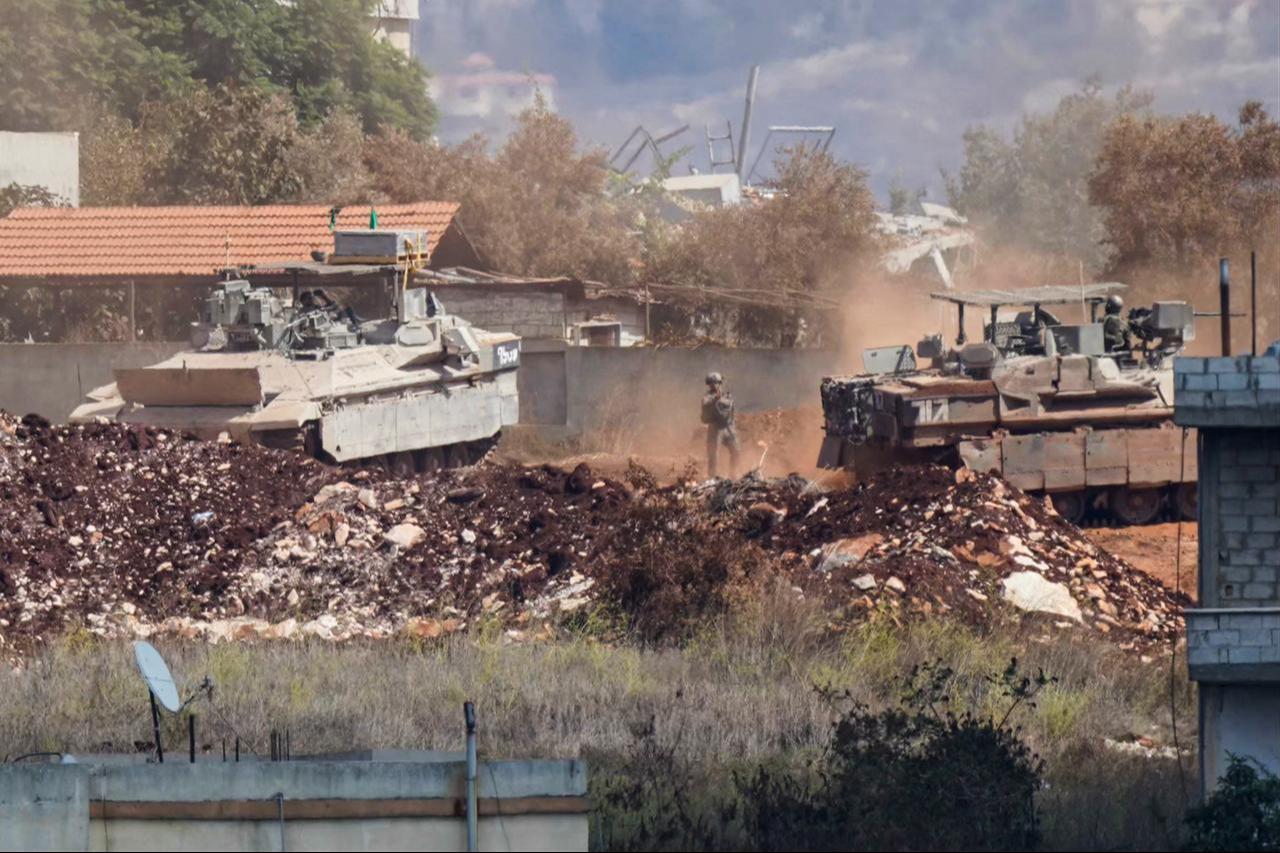
Israel maintains troops in a self-declared "security zone" about 10 kilometers (six miles) inside Lebanon.
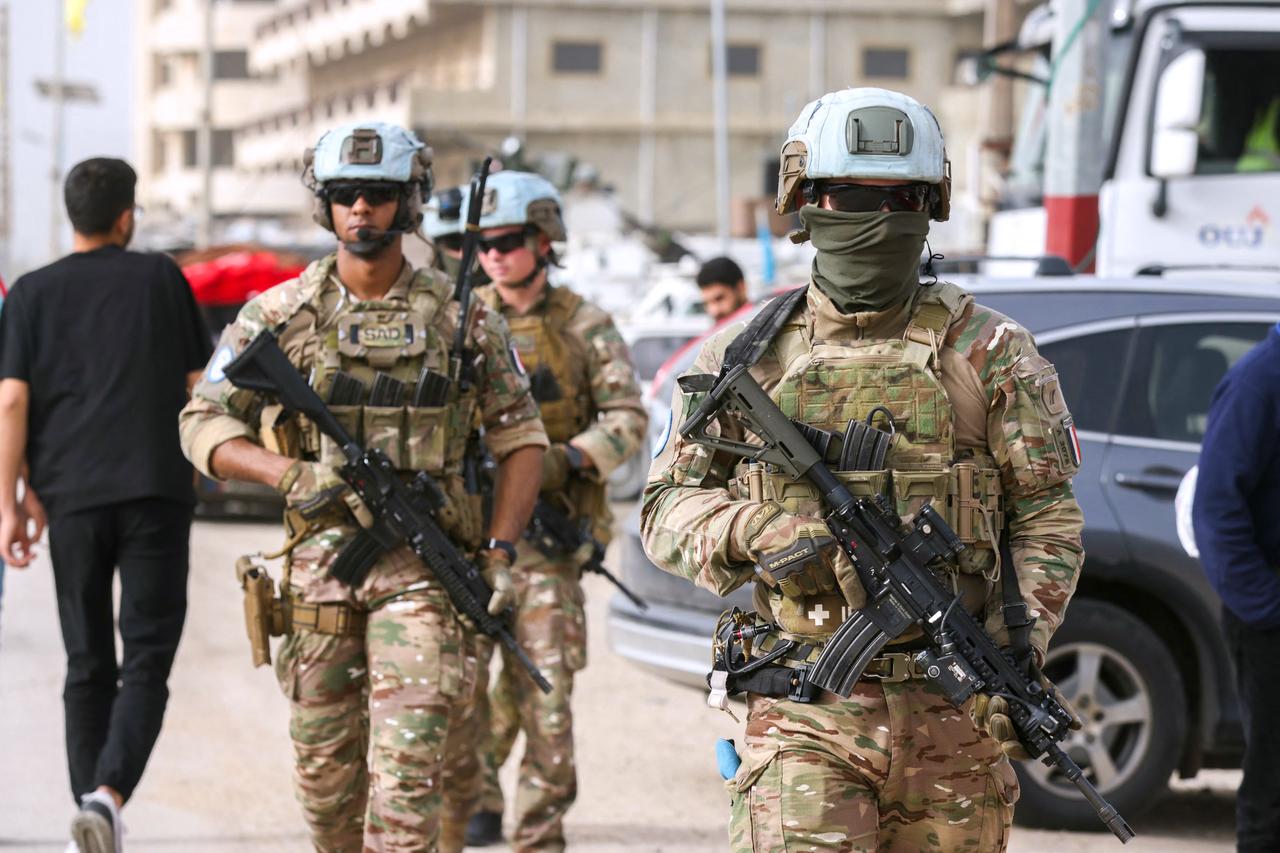
UNIFIL, with about 7,500 personnel from nearly 50 countries, has been deployed since 1978. Kallas said planning for a new EU Support Mission in Lebanon to train and advise the Lebanese Armed Forces was complete.
"I expect EU foreign ministers to formally establish this mission on Monday, Oct. 12," she said.
She stressed the mission would not replace UNIFIL and would not focus only on southern Lebanon, and said she hoped it "would be ready already by the end of this year."
"Lebanon must have full control of its whole territory. That also means moving towards disarmament of Hezbollah," Kallas said at a news conference with Lebanese Foreign Minister Youssef Raggi.
Raggi welcomed the mission, calling it "an important investment in the Lebanese state and its institutions."
Lebanese Parliament Speaker Nabih Berri warned Kallas against UNIFIL's mandate expiring without a replacement under the U.N. umbrella, calling such a scenario "an attack on international legitimacy and its UN resolutions," his office said.
"The problem remains the same: Israel’s failure to comply with its obligations under all agreements," Berri said.
President Joseph Aoun told Kallas that Lebanon was "counting on the support of the European Union to find an alternative formula" after UNIFIL ends, and that Beirut wants any replacement force to operate "under the UN flag."
France and Italy, major contributors to UNIFIL, have said they are willing to set up a multinational coalition to succeed the force.
Israel’s war with Hezbollah, which began in March, has killed more than 4,300 people in Lebanon, according to Lebanese figures, as the debate over UNIFIL’s future intensifies.


 Set as preferred source
 Set as preferred source


 1 min read
 1 min read