Newsletters


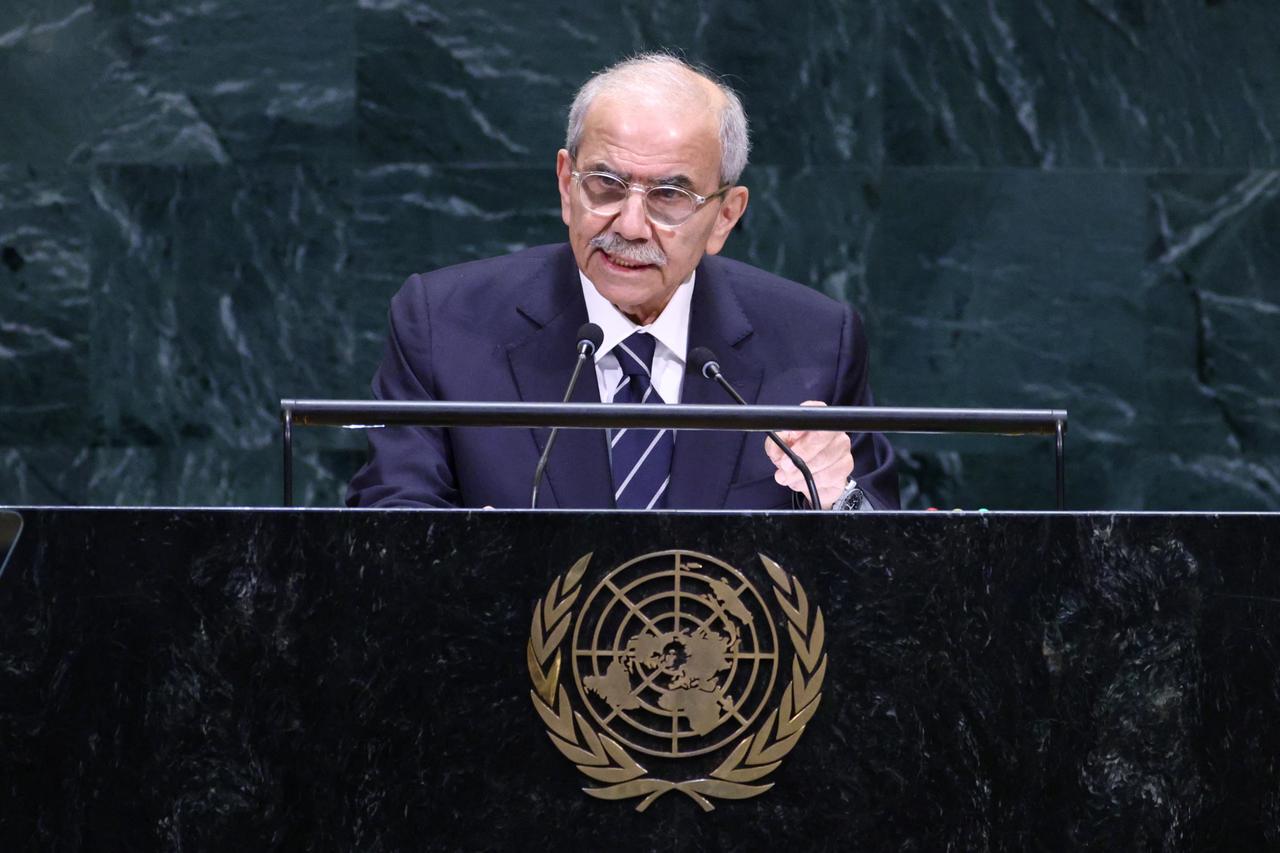


Lebanese Prime Minister Nawaf Salam warned Friday that the withdrawal of the U.N. peacekeeping mission from southern Lebanon without a replacement could create a security "vacuum," while urging a clear timetable for implementing Lebanon's framework agreement with Israel.
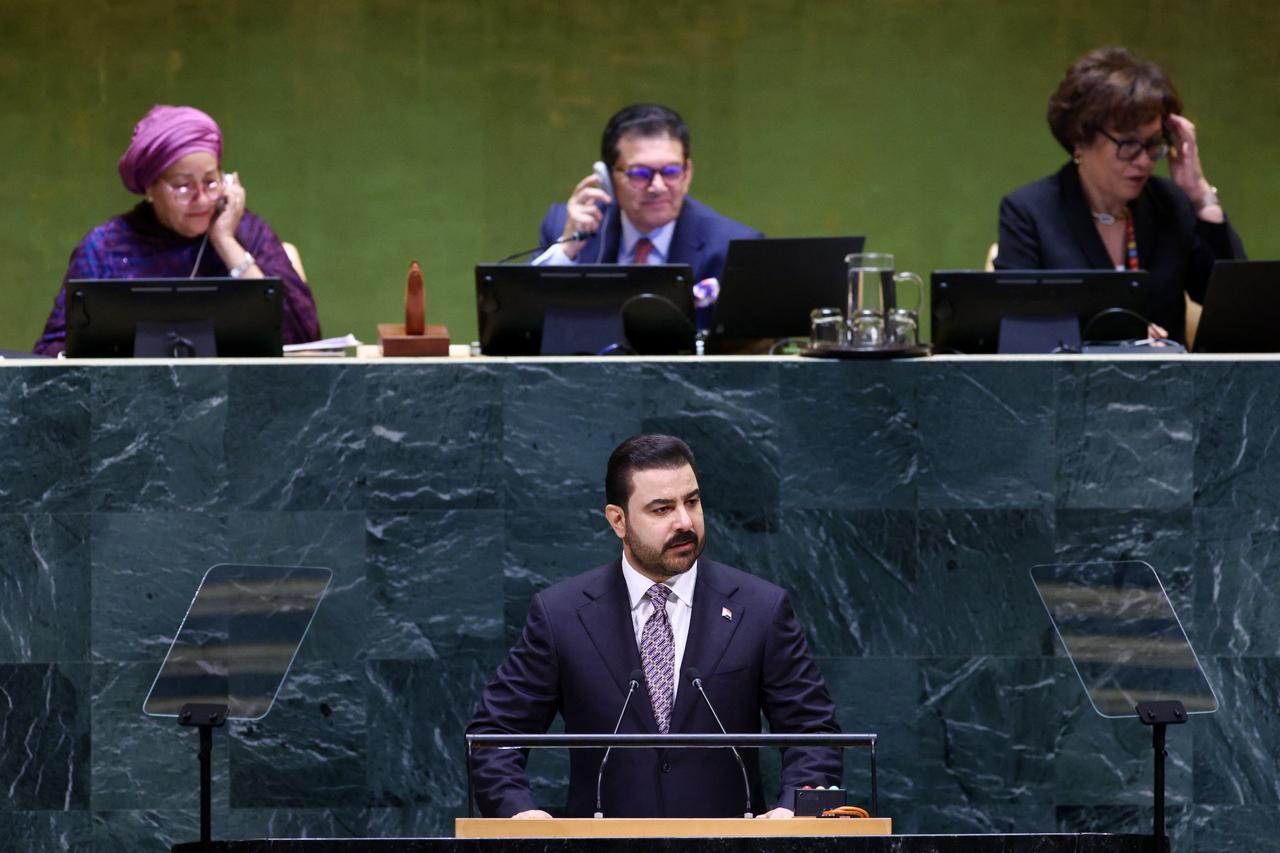
Addressing the 81st U.N. General Assembly in New York, Salam called for Israel's full withdrawal from Lebanese territory, the release of Lebanese prisoners and expanded state authority across the country.
"What we wish to stress here and today is the need to avert the vacuum that UNIFIL's withdrawal could create, were it to take place without agreement on a new international force to replace it," Salam said.
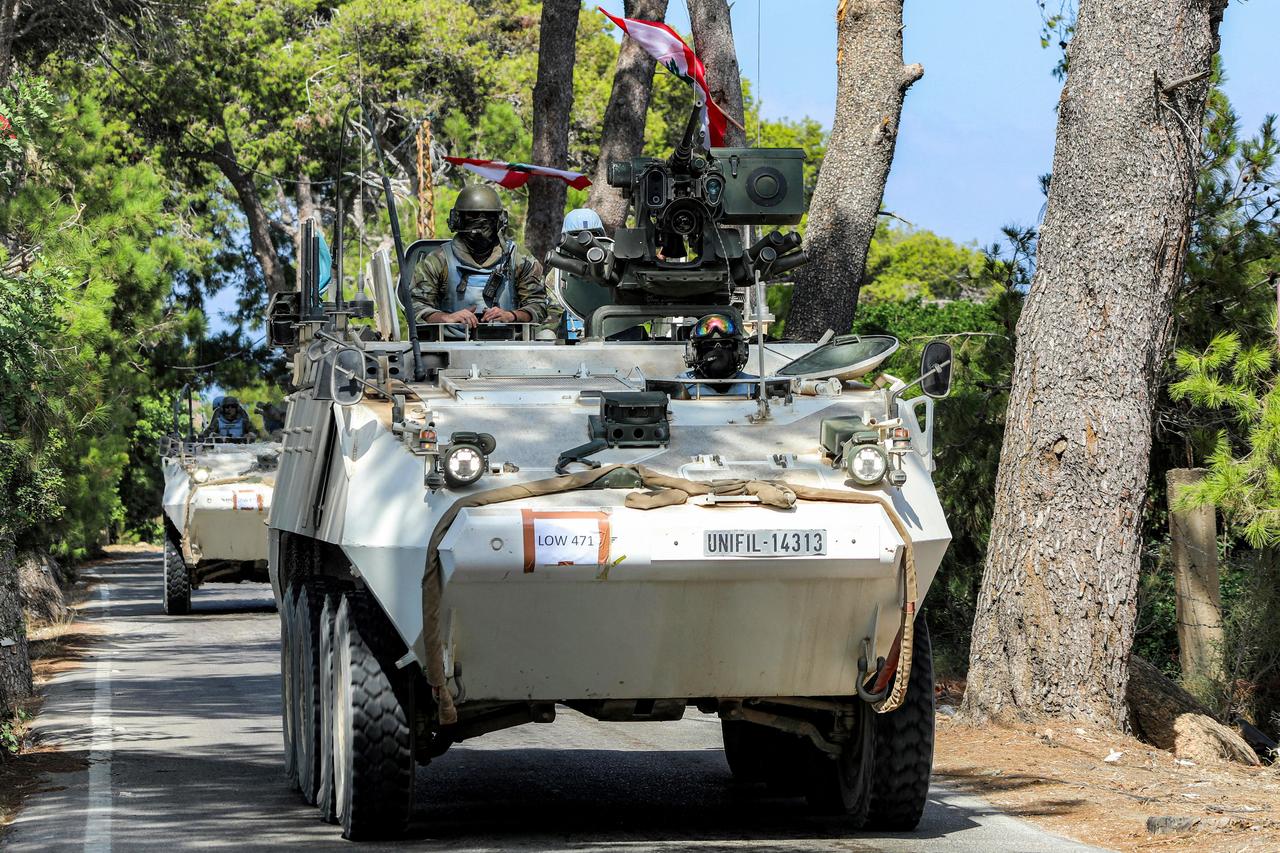

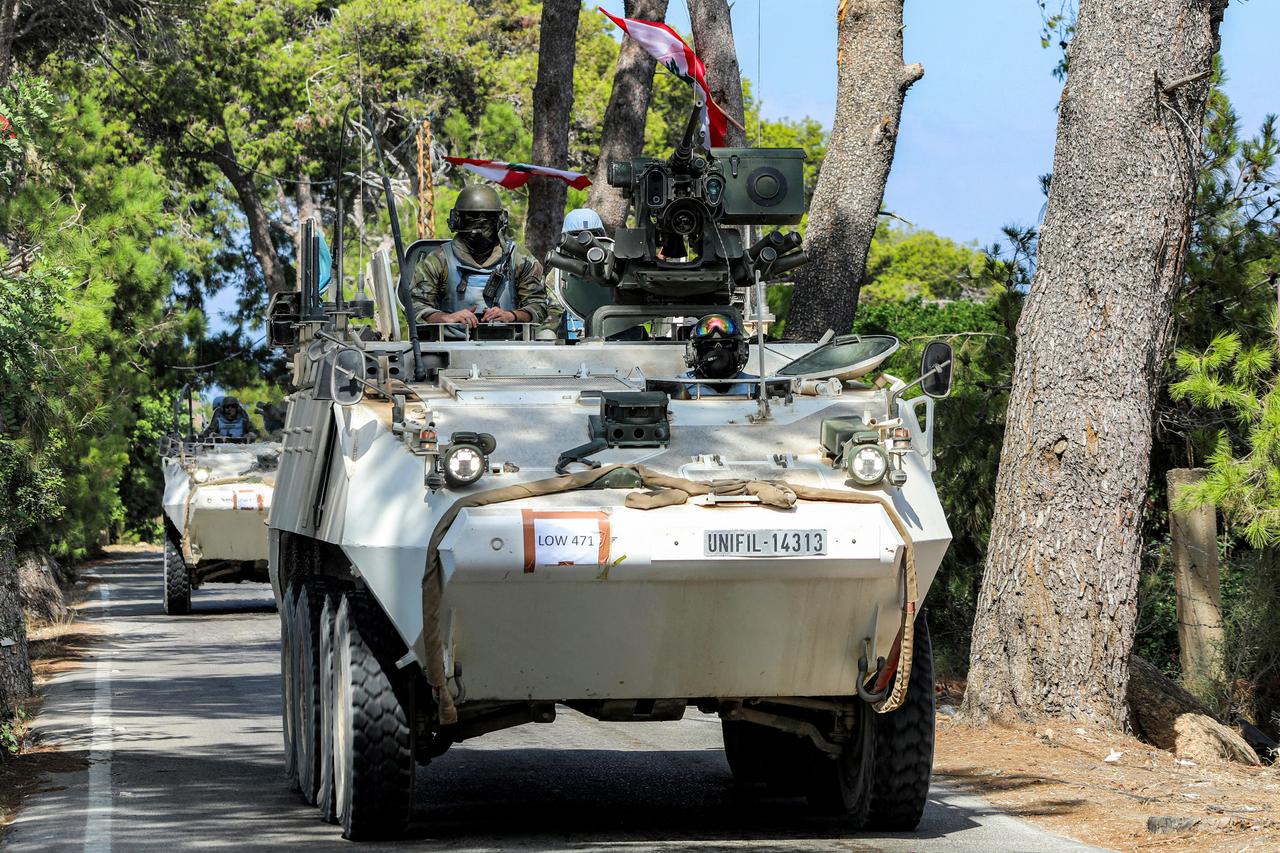
Under U.S. pressure, the U.N. Security Council decided last month to set December as the end of the mandate of the United Nations Interim Force in Lebanon, or UNIFIL, which has been deployed since 1978.
UNIFIL currently has about 7,500 peacekeepers from around 50 countries deployed in southern Lebanon along the Blue Line, a 120-kilometer (75-mile) de facto border between Lebanon and Israel.
Salam said the framework agreement reached with Israel must be translated into practical steps under a clear timetable and verification mechanism.
"What is required today is to complete the translation of this agreement into practical steps within a clear timetable and a verification mechanism that guarantees the implementation of all its provisions," he said.
The framework agreement, signed in Washington on June 26 under U.S. auspices, provides for the gradual withdrawal of Israeli forces from Lebanese territory, beginning with two pilot areas in southern Lebanon, alongside the deployment of the Lebanese army and the disarmament of armed groups outside state control, including Hezbollah.
Its implementation has stalled.
Salam called for Israel to withdraw from all Lebanese territory up to Lebanon's internationally recognized borders, release Lebanese prisoners and allow residents to return safely and with dignity to their towns and villages.
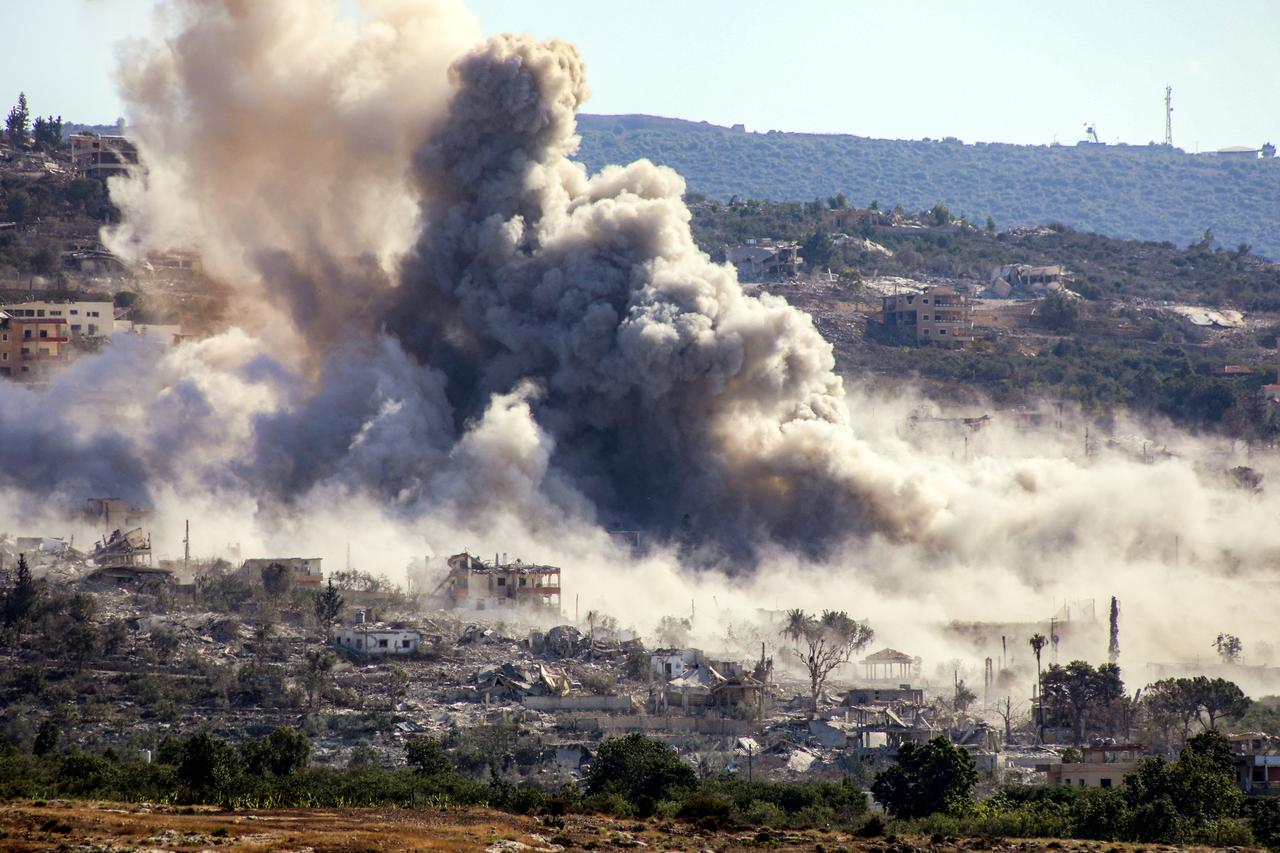
He also called for the reconstruction of areas destroyed during the war.
Salam said Beirut must continue extending state authority over all Lebanese territory and ensure that "weapons are held by the state alone."
Hezbollah, which is backed by Tehran, has so far opposed disarmament.
Salam also said lasting regional stability would remain impossible as long as Palestinians were unable to exercise their right to self-determination.
He renewed Lebanon's call to expand the U.N. Security Council to make its representation more inclusive and equitable, while proposing limits on the use of the veto.
"We do not call for abolishing the veto power within it; rather, we call for changing how it is used -- specifically when it comes to genocide, war crimes, crimes against humanity, and grave violations of international law itself," Salam said.
UNIFIL, meanwhile, reported extensive Israeli military ground activity in its area of operations and repeated violations of Lebanese airspace and territorial waters between Monday and Thursday.
U.N. spokesman Stephane Dujarric said peacekeepers recorded 195 airspace violations involving Israeli drones, fighter aircraft and helicopters during that period.


 Set as preferred source
 Set as preferred source


 2 min read
 1 min read