Newsletters


Lebanese Prime Minister Nawaf Salam told U.N. Secretary-General Antonio Guterres on Monday that Lebanon needs a U.N.-sponsored international force to remain in the country's south after the current U.N. peacekeeping mandate expires.
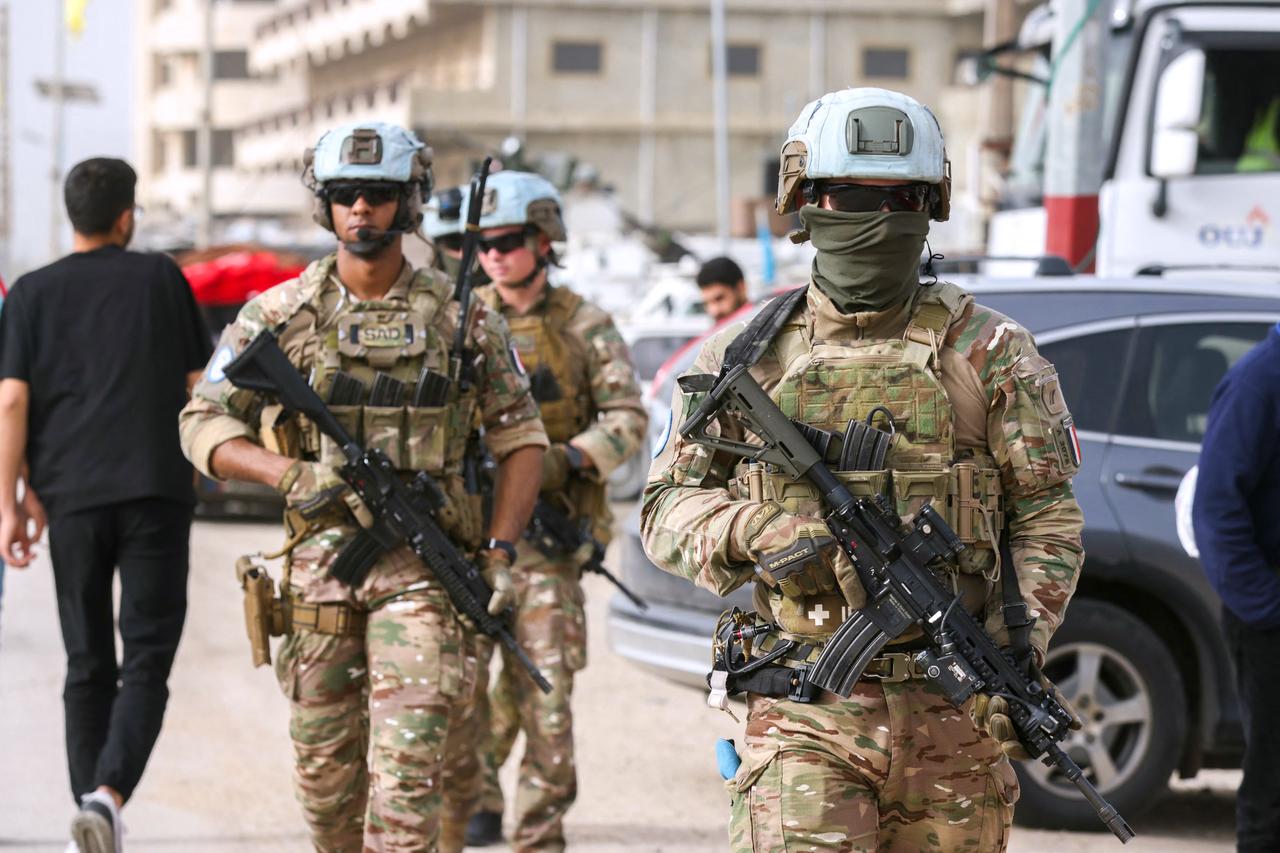
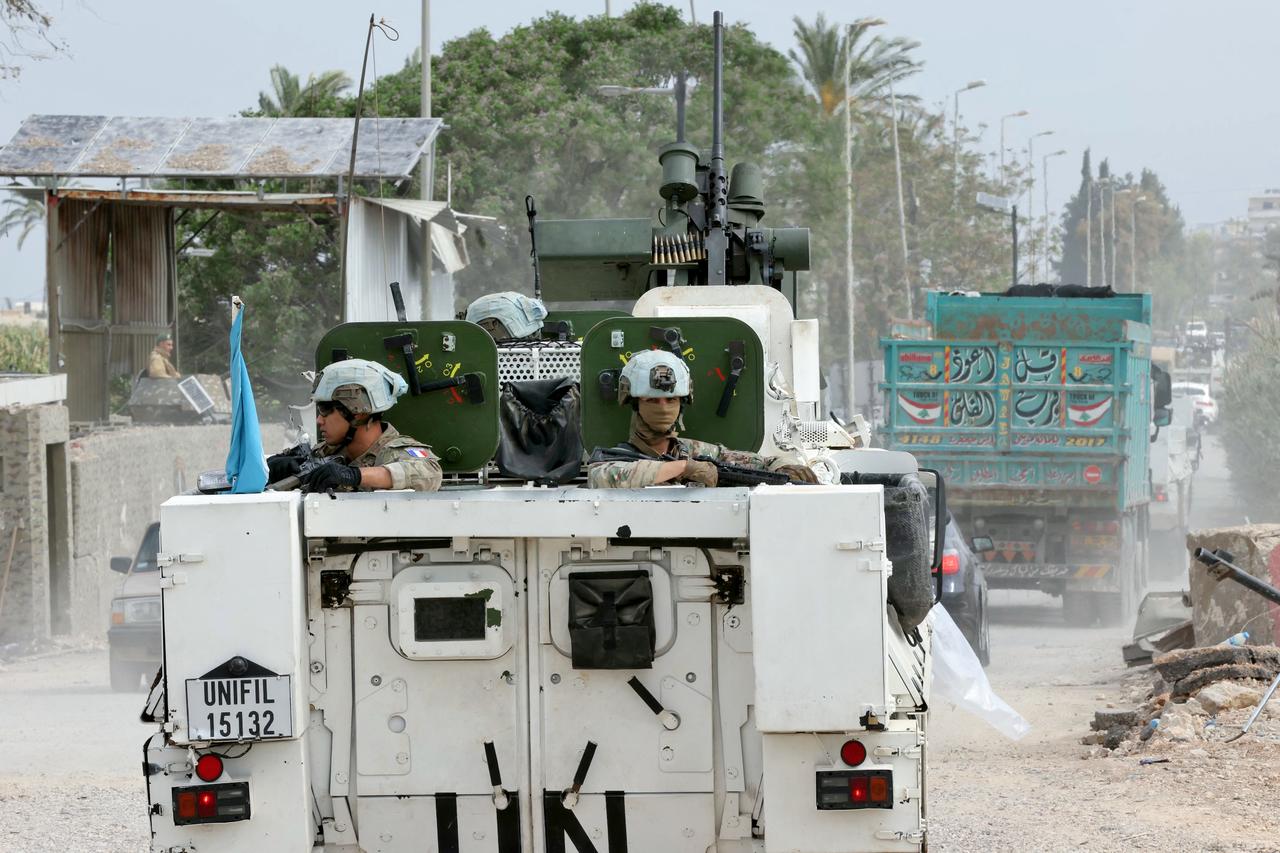
The U.N. Interim Force in Lebanon (UNIFIL), which currently comprises roughly 7,500 peacekeepers from 46 countries, has served as a buffer between Lebanon and Israel since 1978.
Under U.S. pressure, the U.N. Security Council voted last year to end the force's mandate at the close of this year.
Meeting Guterres at the U.N. headquarters, Salam stressed the importance of maintaining "an international presence under the umbrella of the United Nations in the south in the post-UNIFIL phase," according to a statement from the prime minister's office.
Such a presence should ensure "the continuation of the functions of monitoring, reporting and liaison, contributes to preserving stability, and supports the process of extending the Lebanese state's authority over all its territory," Salam said.
He also told Guterres that around 329,000 people remain displaced in Lebanon since the latest conflict erupted, urging continued support for the humanitarian response.
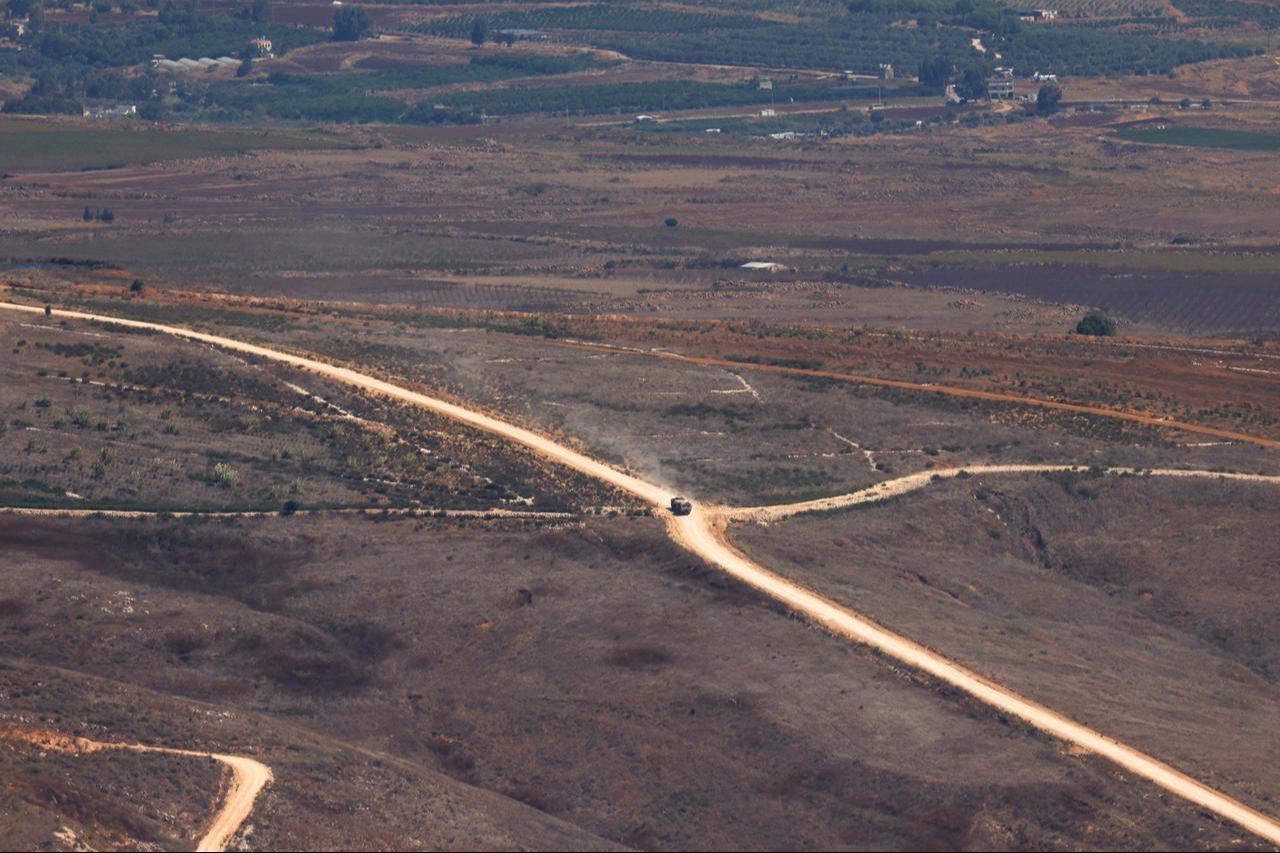
UNIFIL's looming departure comes as Israel maintains troops in a self-declared "security zone" extending roughly 10 kilometers into southern Lebanon along the border.
Israel launched heavy airstrikes and a ground invasion after Hezbollah drew Lebanon into the wider Middle East war in March by attacking Israel in support of the group's backer, Iran.
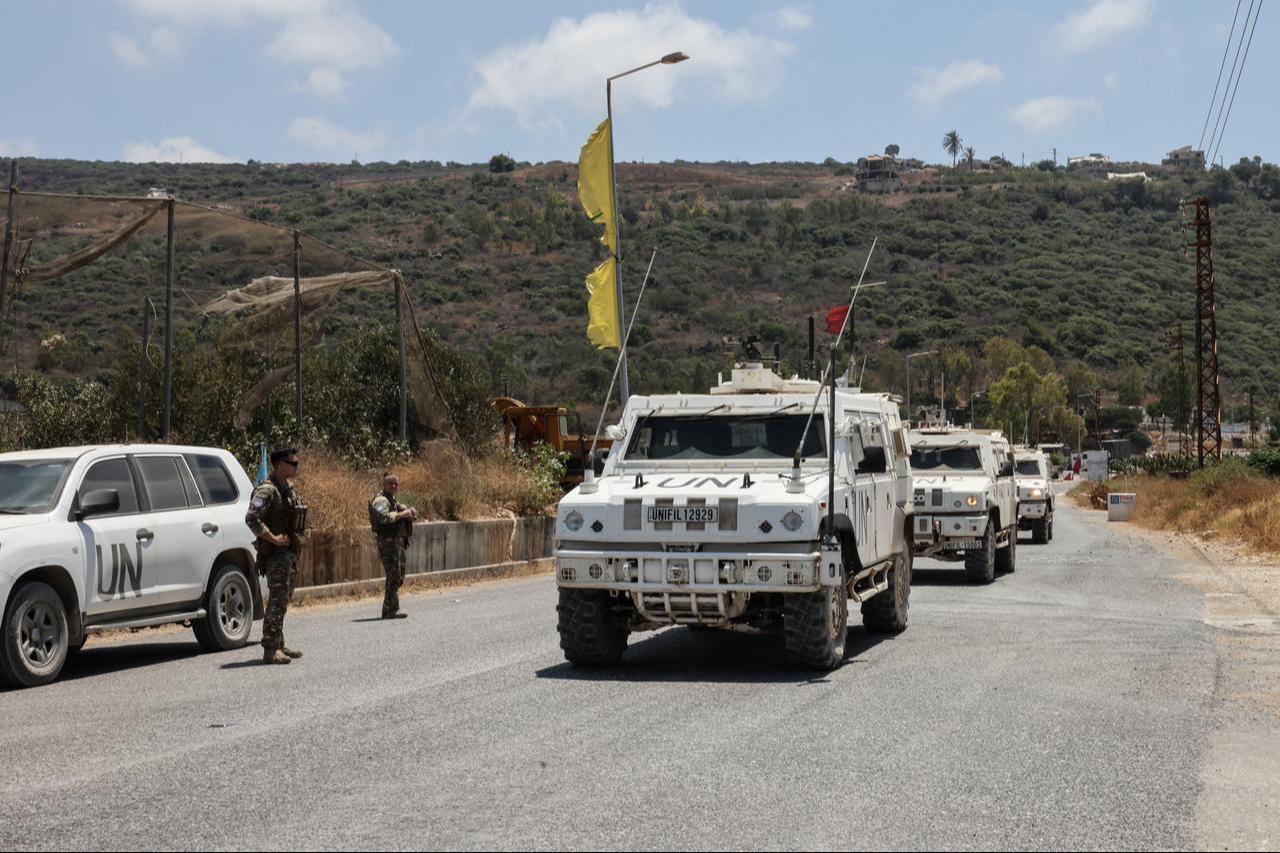

Lebanese President Joseph Aoun told Agence France-Presse (AFP) last week that Lebanon wants a new force, whether European or otherwise, to prevent a security vacuum once peacekeepers depart, though he said the best and most optimal option remains "extending UNIFIL's mandate."
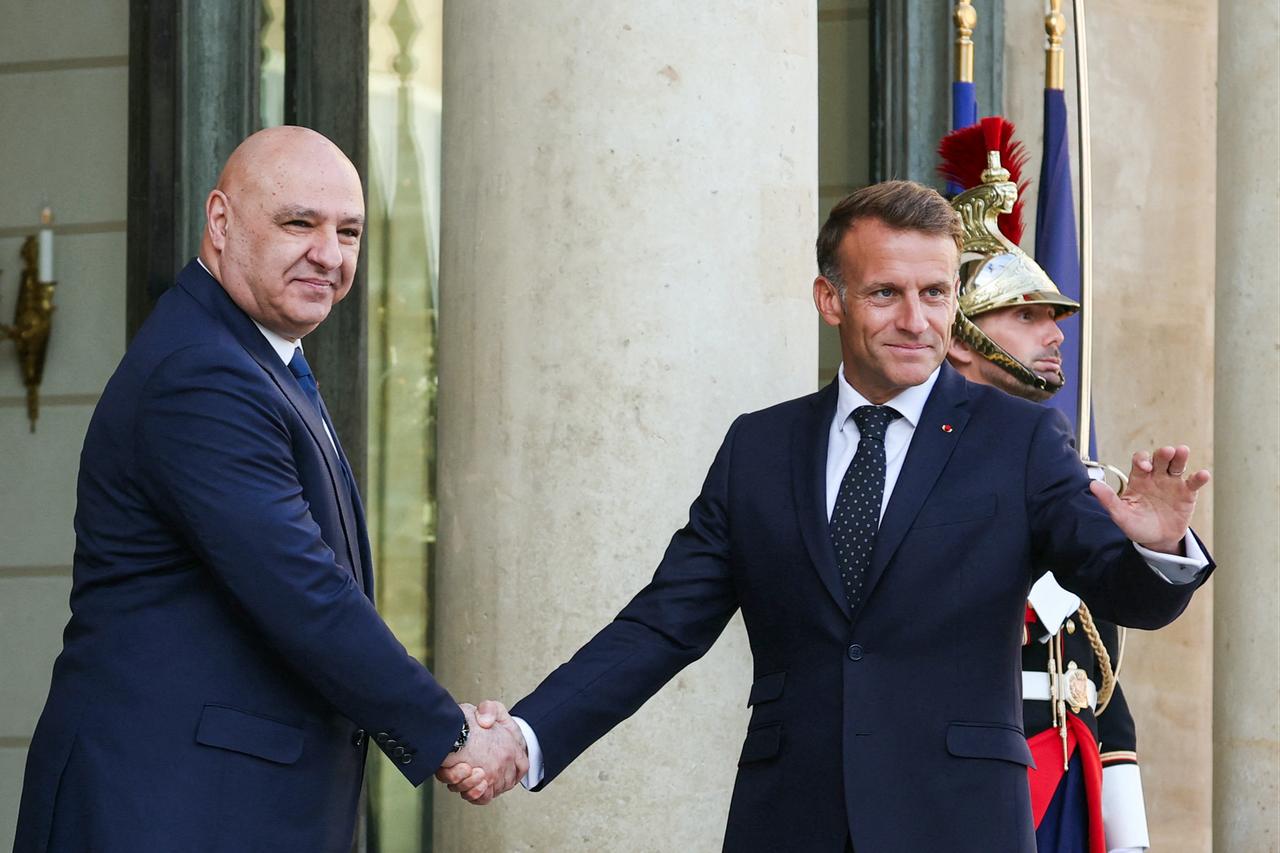
The creation of a successor force was also discussed at a meeting last week in Paris between Aoun, French President Emmanuel Macron and Jordan's King Abdullah II.
France and Italy have said they want to establish a multinational coalition to succeed UNIFIL.
Guterres, in a June report, said peacekeepers would still be needed after UNIFIL's mission expires.
Separately, UNIFIL said Tuesday, in a statement marking the International Day of Peace, that peace in southern Lebanon remains "elusive," stressing that permanently ending the conflict requires political will from the parties themselves.
"Today, peace in south Lebanon remains elusive, but the hope for peace endures," UNIFIL said, noting that lasting peace requires "political commitments and solutions from the parties themselves."
The statement added: "Peacekeepers can help restore stability, avoid misunderstandings, and reduce the risk of escalation, but they cannot replace the political will and decisions needed to end the conflict permanently."
UNIFIL Head of Mission and Force Commander Maj. Gen. Diodato Abagnara said the mission's work continues regardless of the calendar.
"Peace is not something we address once a year; it is an enduring responsibility," Abagnara said, adding, "We patrol, we keep channels of communication open with the parties to reduce the risk of misunderstanding and escalation. We work with the Lebanese Armed Forces as they assume greater responsibilities in the south."
He said full implementation of UN Security Council Resolution 1701 "remains the objective and the basis for lasting peace and stability in south Lebanon," and that "continued cooperation between the Lebanese Armed Forces and peacekeepers remains central to maintaining stability and supporting the extension of state authority in the south."
Resolution 1701, adopted in August 2006 following a 33-day war between Israel and Hezbollah, calls for a complete cessation of hostilities and for the area between the Blue Line and the Litani River to be free of weapons and armed personnel except those of the Lebanese army and UNIFIL.
This year's International Day of Peace marks the last UNIFIL will observe before its mandate expires at the end of 2026.
UNIFIL said the current conflict has forced thousands from their homes.
"It has disrupted livelihoods, caused widespread damage to homes and infrastructure, and resulted in civilian deaths and injuries," the mission said.
Israeli attacks on Lebanon since March 2 have killed at least 4,386 people, injured 12,407 others and displaced more than 1 million, according to Lebanese authorities.
The attacks have continued despite a U.S.-brokered framework agreement signed by Lebanon and Israel on June 26, providing for a gradual Israeli withdrawal from occupied Lebanese territory in exchange for deployment of the Lebanese army and Hezbollah's disarmament.
Israel occupies areas of southern Lebanon, some for decades and others since the 2023-2024 war, and has advanced more than 10 kilometers during the current offensive.
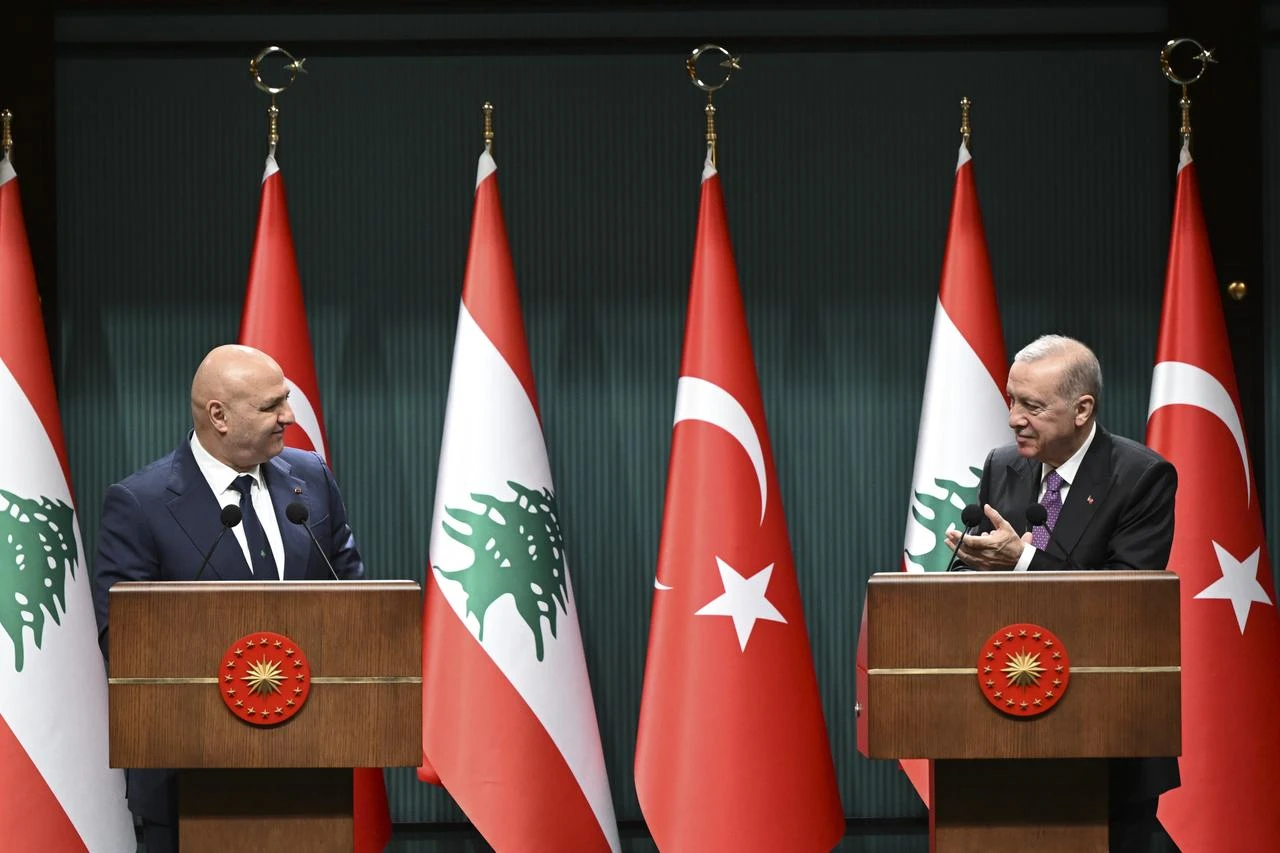
Salam separately met Turkish President Recep Tayyip Erdogan on Monday in New York for closed-door talks at the Turkevi Center, across from the U.N. headquarters, focused on bilateral relations and regional developments, according to Türkiye's Communications Directorate.
The Turkish president told Salam that Ankara is continuing efforts to help establish lasting peace and stability in Lebanon and that an international initiative is needed to replace UNIFIL, the directorate said.
President Erdogan said Ankara would continue standing by the Lebanese people during difficult times and maintain the delivery of humanitarian and medical assistance to Lebanon.
He also invited Salam to attend the COP31 Leaders' Summit, which Türkiye is scheduled to host in November.


 Set as preferred source
 Set as preferred source


 2 min read
 1 min read