Newsletters


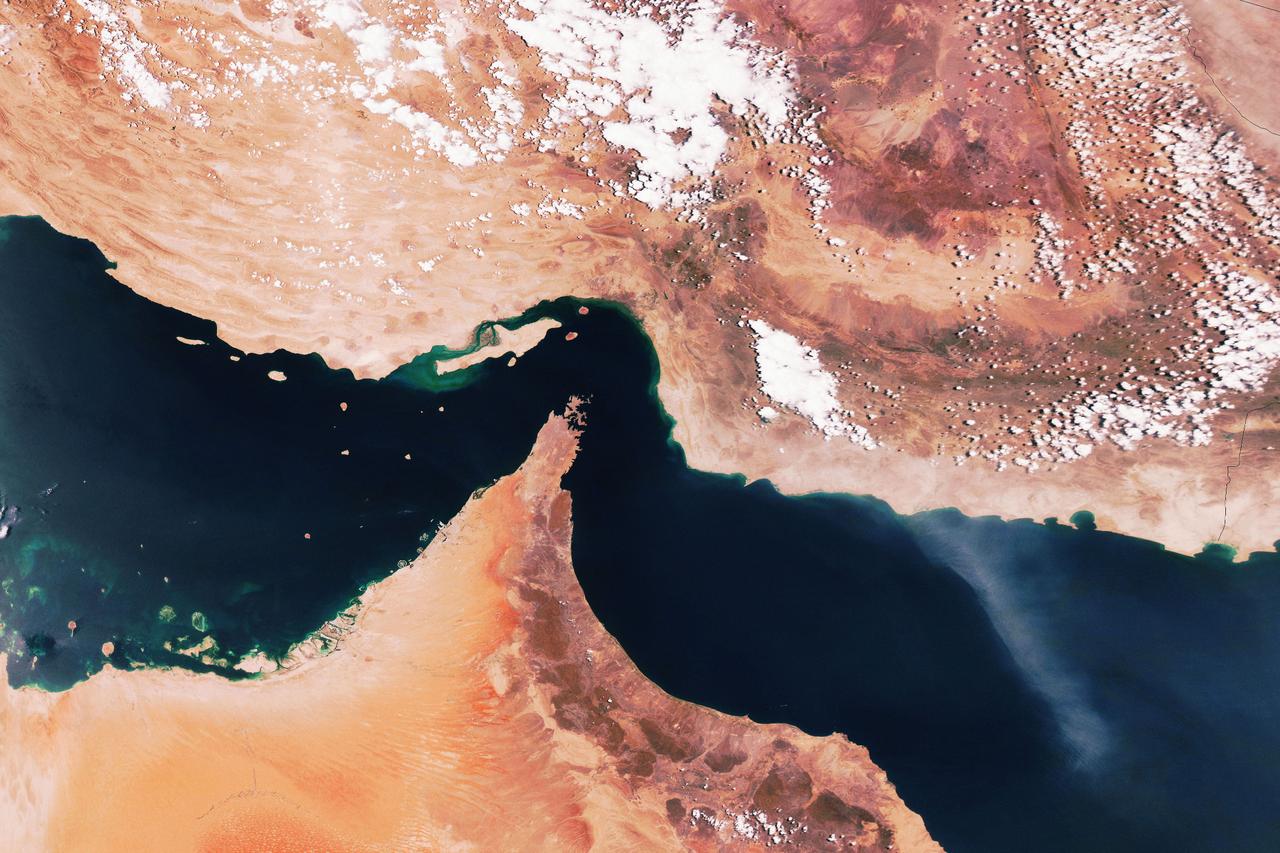


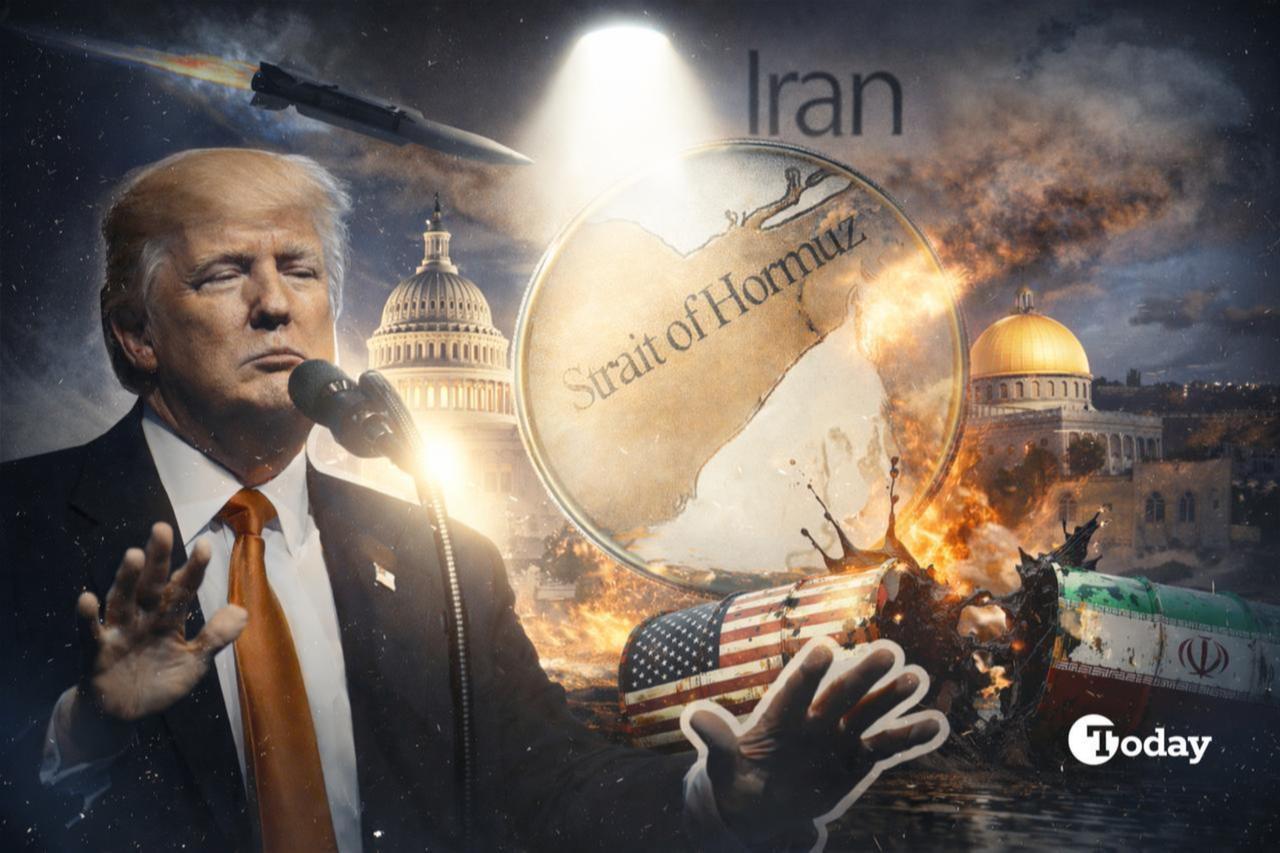
The International Maritime Organization (IMO) is drafting an evacuation framework for hundreds of vessels stranded in the Persian Gulf during the ongoing Iran conflict, as passage through the Strait of Hormuz has slowed to a near standstill.
Secretary General Arsenio Dominguez told a maritime conference in Singapore on Tuesday that the plan remains conditional, hinging on clear signs of de-escalation and the removal of immediate threats in the region. Without those assurances, he stressed, no coordinated transit can begin.
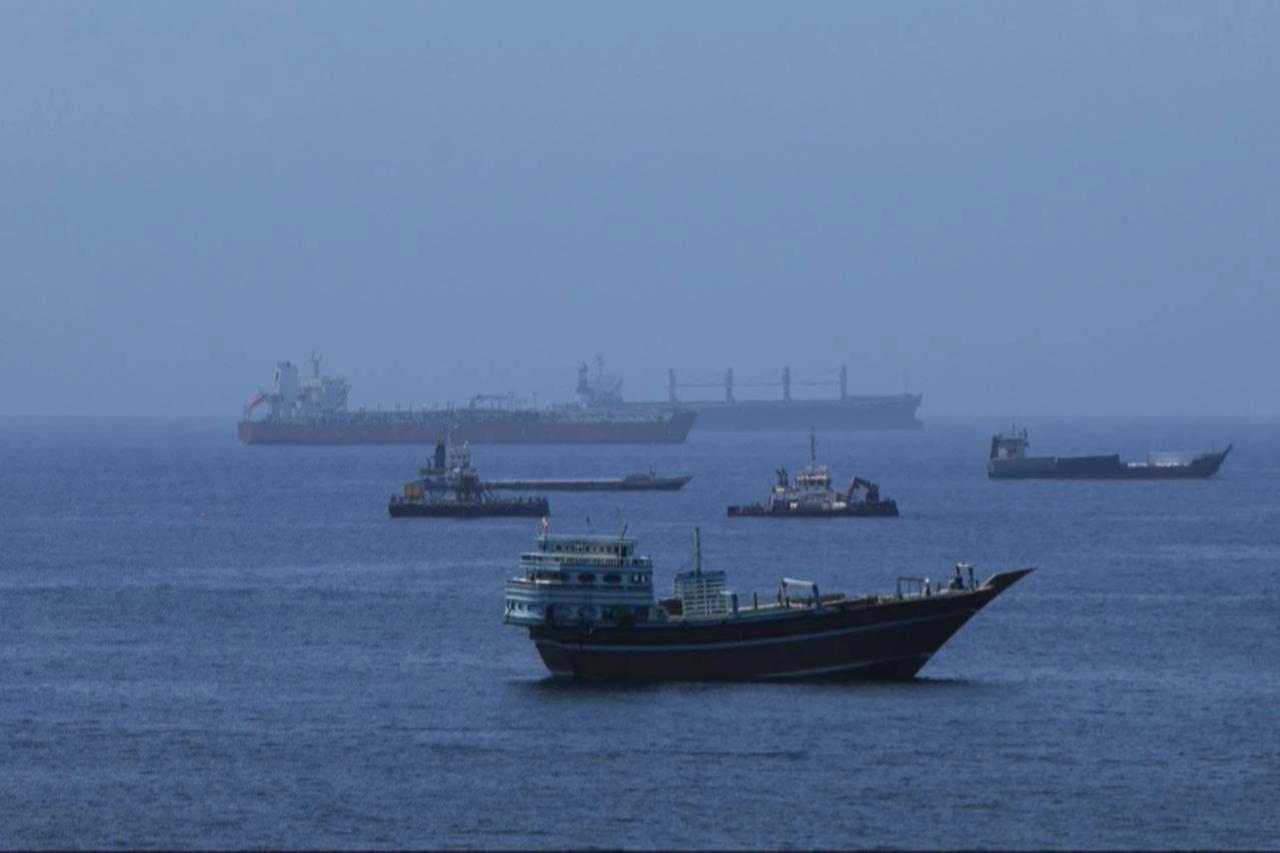
Around 800 vessels remain stuck in the Persian Gulf after traffic through the strait slowed sharply following the outbreak of hostilities. Shipowners have largely avoided transit due to security concerns, although Iran has permitted limited passage under specific conditions, sometimes requiring payment.
The proposed operation centers on creating a safe humanitarian corridor, prioritizing the evacuation of seafarers. Dominguez emphasized that risks such as naval mines must be ruled out before any ships are allowed to pass through the Strait of Hormuz. Officials are weighing several factors in organizing departures, including how long the crews have been stranded.
Any movement would follow the long-established Traffic Separation Scheme, a U.N.-backed routing system adopted in 1968 and jointly coordinated by Iran and Oman, which separates inbound and outbound vessels into designated lanes to reduce collision risks and ensure predictable, controlled transit through the narrow strait.
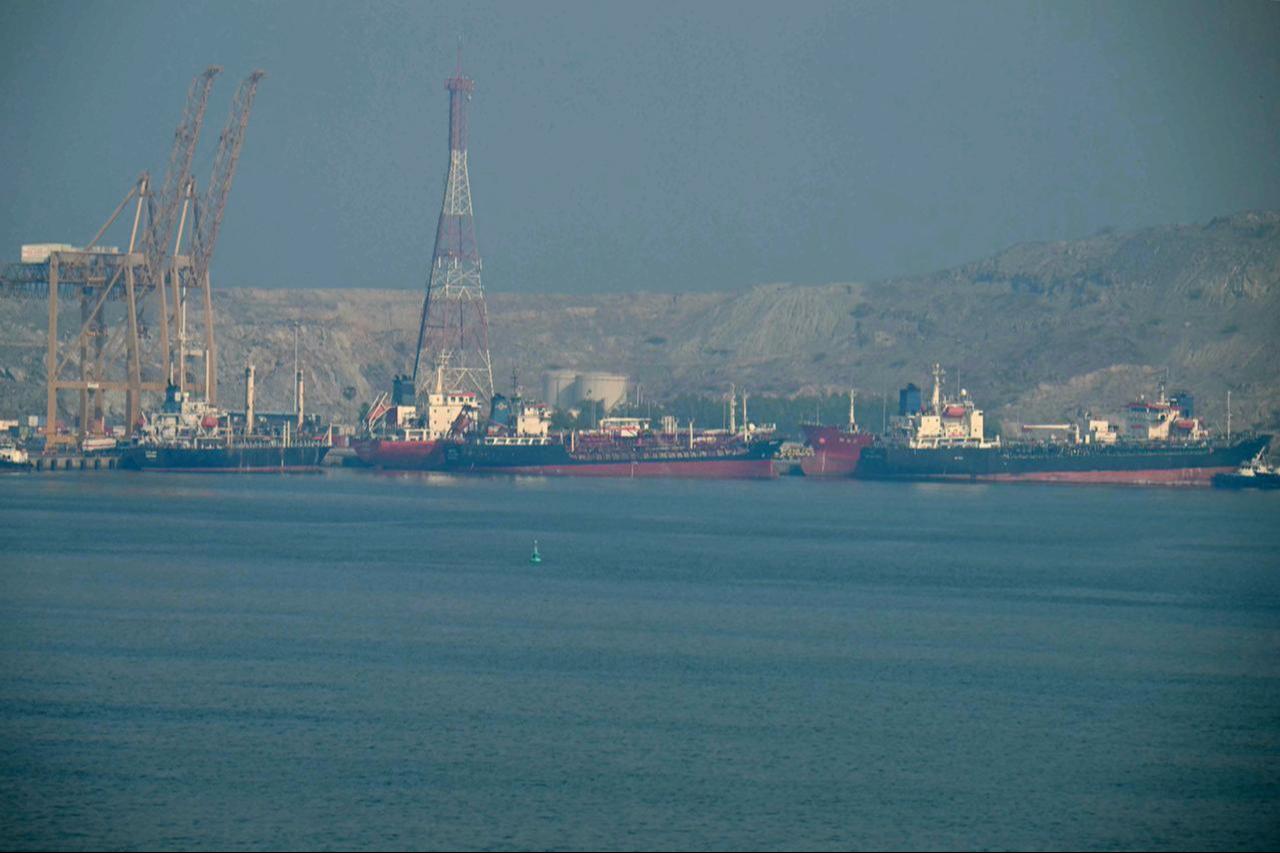

Since the start of the war, shipping traffic through the Strait of Hormuz has remained significantly reduced, even after a ceasefire between the United States and Iran was reached.
Following a truce to halt Israel's strikes in Lebanon last week, Iran announced the reopening of the strait. However, after a brief period of relief, Tehran restricted passage again as the U.S. naval blockade on Iranian ports was not lifted.
An Iranian vessel attempting to evade the blockade was seized by U.S. forces, further escalating tensions at sea toward the end of the two-week ceasefire on Wednesday.


 Set as preferred source
 Set as preferred source


 2 min read
 1 min read