Newsletters





The European Union called on Tuesday for Yemen's Houthi rebels to halt all military action, condemning missile strikes on Saudi Arabia that damaged oil facilities and wounded dozens of people, as a four-year truce between the Iran-backed group and the Saudi-backed government continued to collapse into open warfare.
Anouar El Anouni, a spokesman for the EU's diplomatic service, said the attacks amounted to a "dangerous escalation" that violated international law and threatened regional stability. The bloc urged the Houthis to "immediately end all attacks inside and outside Yemen, including attacks against commercial shipping in the Red Sea."
The condemnation came after the Houthis said Saudi Arabia struck back following the rebel group's own strikes on Saudi oil infrastructure, part of a rapidly intensifying exchange that has followed a Houthi offensive toward the Bab al-Mandab strait, a critical chokepoint at the southern end of the Red Sea.
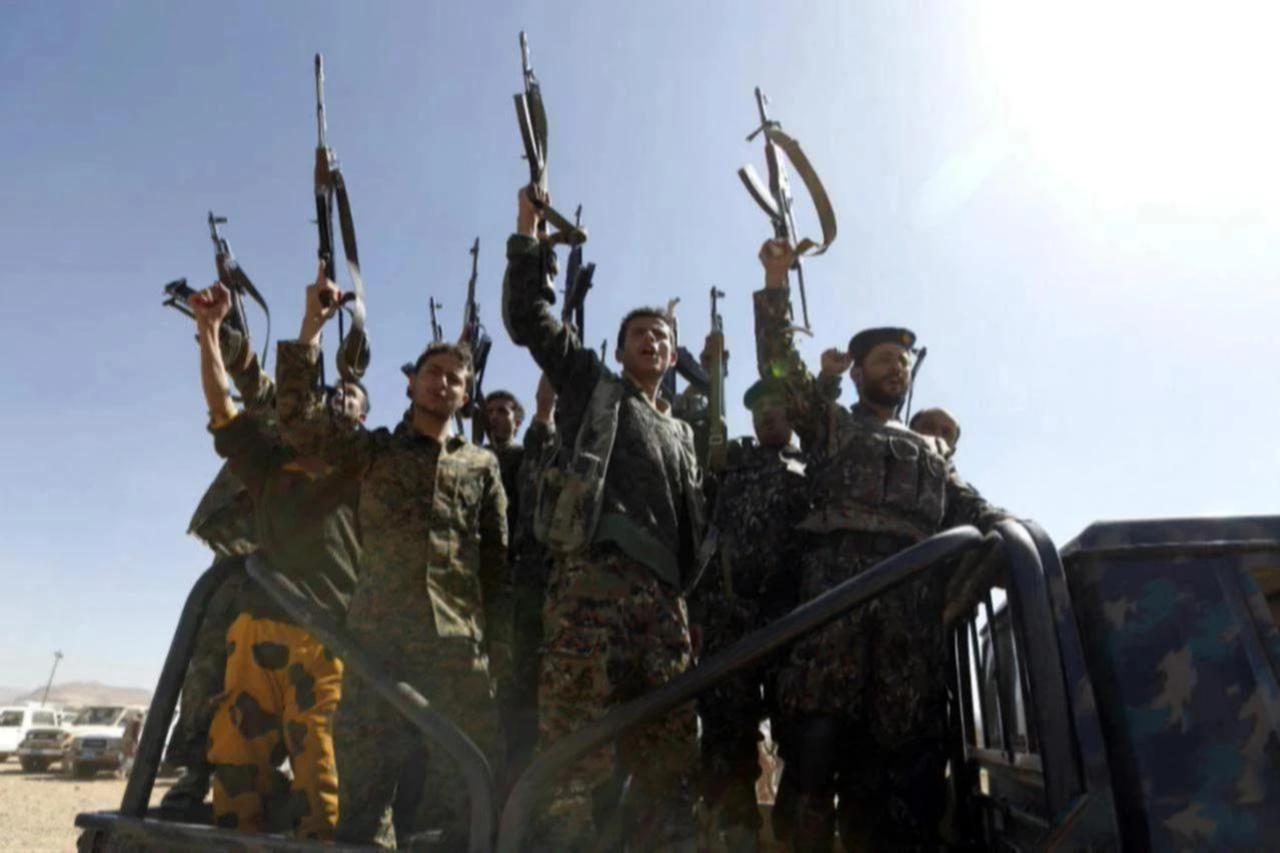

The renewed conflict has killed more than 500 people, mostly combatants from both sides, according to tally drawn from sources within each camp. Since the Houthis launched their campaign for the strait last Thursday, at least 216 government forces and 278 Houthi fighters have died, according to sources from both sides who spoke on condition of anonymity. At least 29 civilians have also been killed.
The offensive is aimed at the Bab al-Mandab strait, which has taken on greater importance for Saudi oil exports after Iran blockaded the Strait of Hormuz, restricting Gulf shipments more broadly.
Overnight strikes on Saudi oil sites caused "temporary" shutdowns and left 73 people injured, Saudi authorities said. An energy ministry source told the Saudi Press Agency that several energy sector facilities in the country's south had been targeted, adding that the attacks "caused fires at several locations, leading to a temporary halt in some operations."
The Houthis said they fired dozens of ballistic missiles at Abha International Airport, the King Khalid air base and facilities belonging to the state oil company Aramco in Abha and Jizan. Jizan, on the Red Sea coast near the Yemeni border, hosts one of Saudi Arabia's largest oil refineries, with a capacity of 400,000 barrels a day.
According to the maritime tracking firm Kpler, the refinery was knocked out of action for several weeks amid earlier Houthi attacks.
The Saudi civil defence agency briefly warned of "potential danger" in three areas bordering Yemen on Tuesday evening before lifting the alerts. There was no immediate Saudi comment on the reported retaliatory strikes.
The Houthis declared a maritime blockade of Saudi Arabia in July and began attacking Saudi tankers, adding further strain to Saudi oil exports already reduced by Iran's closure of the Strait of Hormuz.
The rebels said Saudi forces struck a prison on Monday, killing 11 people and leaving 20 inmates missing, according to the Houthi-run Almasirah TV, which broadcast images of rescuers searching rubble by hand and carrying out bodies wrapped in blankets.
The current round of hostilities traces back to July, when the Houthis allowed an Iranian plane to land in Yemen in defiance of Saudi control over Yemeni airspace. The Saudi-backed government responded by striking the airport, unraveling a truce that had held for roughly four years.
The Saudi-led military coalition, which has backed the Yemeni government against the Houthis since 2015, said it would "take all necessary measures and actions to respond to the sources of the threat and neutralise its danger."
 1 min read
Saudi Foreign Minister Prince Faisal bin Farhan said Tuesday that Riyadh still favored a negotiated settlement but would respond if attacked. Speaking at a joint press conference in Moscow with his Russian counterpart, he said "the Kingdom will always support peace and diplomatic solutions," but added that Saudi Arabia "will not hesitate to defend itself, protect its interests, and support measures that secure the interests, security, and stability of brotherly Yemen."
UN Secretary-General António Guterres condemned the attacks, though a detailed account of his remarks was not included in the material reviewed for this report.


 Set as preferred source
 Set as preferred source


 1 min read