Newsletters


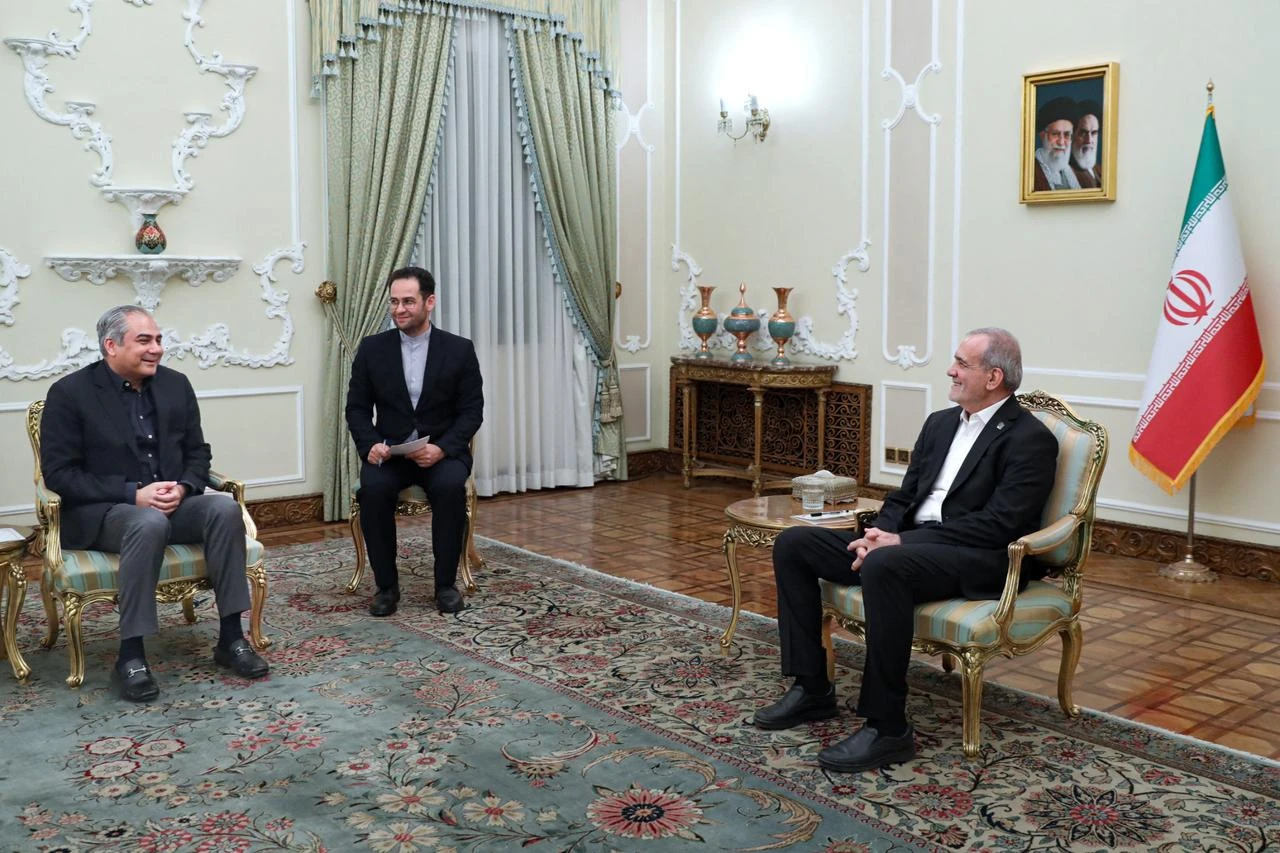


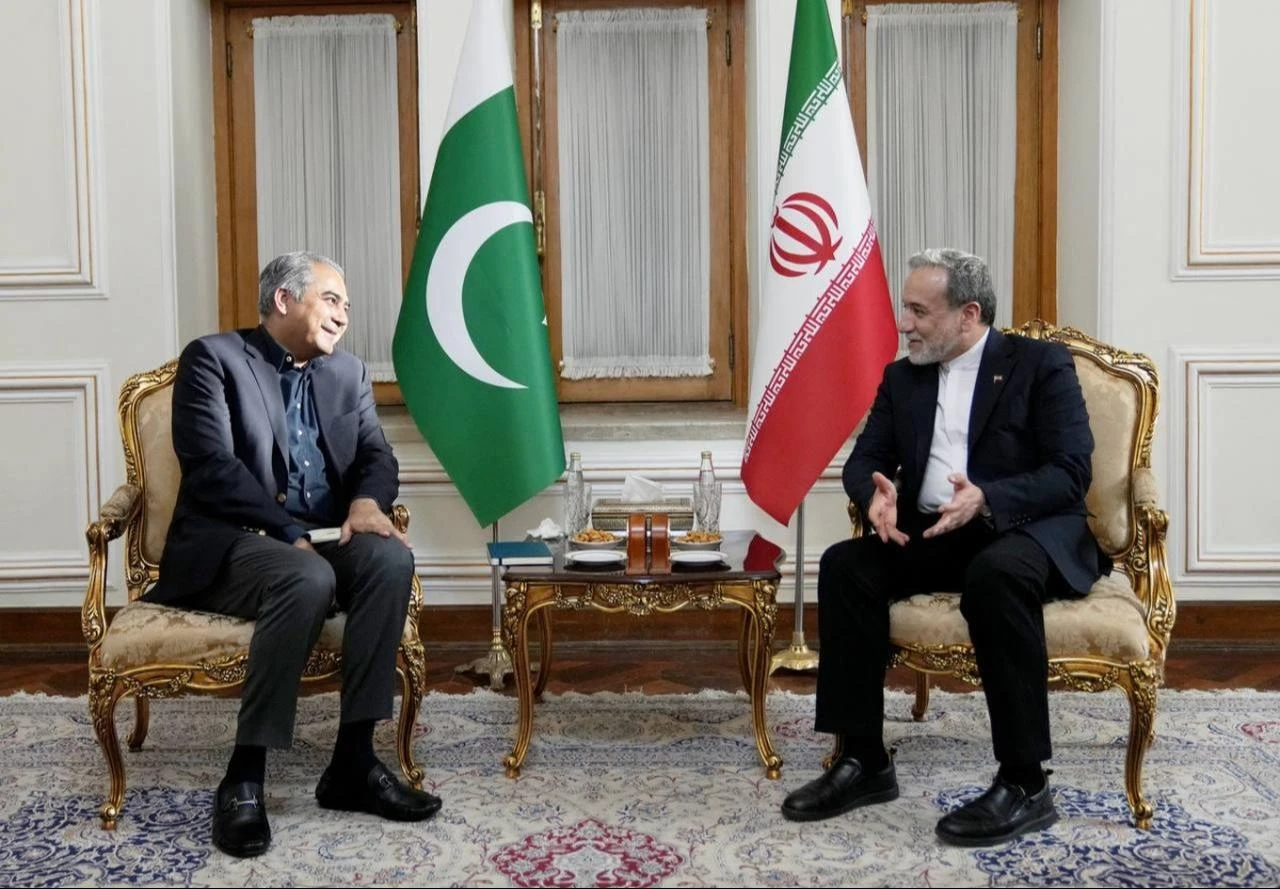
Pakistan's Interior Minister Mohsin Raza Naqvi visited Iran's capital, Tehran, and met with President Masoud Pezeshkian on Wednesday as Islamabad continues its diplomatic efforts to mediate a peace deal aimed at ending the conflict with the U.S.
The talks also follow an attack on a commercial vessel in the Red Sea by Iran-backed Houthis in Yemen that killed three Pakistani nationals and injured another, an assault condemned by Pakistan’s Foreign Ministry.
Naqvi's visit aimed to support security and peace efforts in the region, while Pakistan is working to prevent any harm to the peace process, Foreign Ministry spokesperson Tahir Andrabi told reporters during a press briefing.
According to a statement from Pezeshkian's office, the Iranian president highlighted the "privileged relations and deep ties" between Iran and Pakistan and expressed Tehran’s readiness to broaden cooperation in political, economic, trade, cultural and security fields.
Pezeshkian also called for greater use of the countries’ existing capacities to deepen bilateral cooperation and strengthen regional stability and security.
Naqvi said he was in Tehran to follow up on agreements and understandings reached during Iranian Interior Minister Eskandar Momeni’s recent visit to Pakistan, which focused on expanding cooperation in security, counterterrorism, cybersecurity and immigration.
In the following hours, Naqvi also held talks with Iranian Foreign Minister Abbas Araghchi, with the two ministers discussing key diplomatic and bilateral issues.
The minister’s visit comes as Islamabad has retained a central mediating role since the conflict began. Pakistan hosted the first round of direct U.S.-Iran talks in Islamabad on April 11-12 after helping secure a ceasefire on April 8.
The talks produced the Islamabad Memorandum of Understanding on June 17, under which Washington and Tehran agreed to work toward a final deal within 60 days, but the framework later collapsed amid renewed disputes over the Strait of Hormuz and the terms of the agreement.

Iran has tied the reopening of the strategic waterway to demands including an end to the U.S. blockade, sanctions relief and guarantees against further military action, leaving negotiations over the strait central to efforts to reach a broader agreement.
Before the meeting, Pakistan’s Foreign Minister Ishaq Dar strongly condemned the Houthi strike that killed three Pakistani nationals and injured another, calling it a violation of international law and a threat to maritime security and freedom of navigation.
"Such attacks endanger innocent lives, constitute a violation of international law, and pose a serious threat to freedom of navigation," Dar said.
The attack came amid heightened tensions in the Bab el-Mandeb after the Houthis announced a naval blockade targeting Saudi-linked shipping in July and warned vessels using Saudi Red Sea ports that they could be attacked.
On Tuesday, Houthi forces struck the Egyptian-owned Tihamah while it was transiting the strait, killing six people, including three Pakistani nationals, and injuring 10 others. The Houthis claimed the vessel was carrying Saudi military supplies.


 Set as preferred source
 Set as preferred source


 1 min read
 1 min read