Newsletters


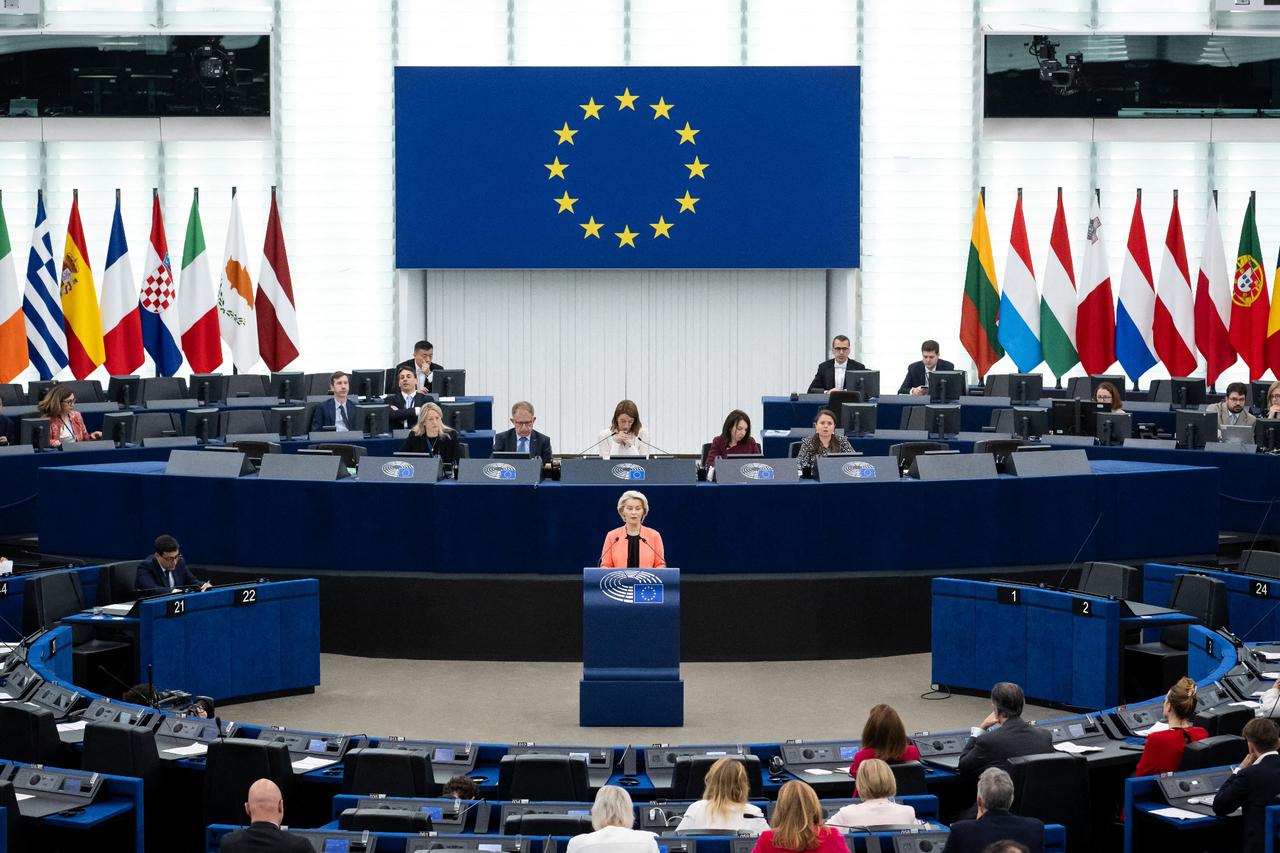


EU officials are finalizing plans to tighten visa rules for Russian tourists, hundreds of thousands of whom travel to the bloc each year, in an effort to reinforce defenses against hybrid attacks.
The European Commission plans to present its proposals next year, officials told POLITICO, following pressure from Poland, Sweden, Estonia and other countries for stricter visa rules that would also cover Russians who fought in Ukraine.
Russian citizens received about 478,000 Schengen area tourist visas last year, many of them multiple-entry permits that let holders enter and leave repeatedly without reapplying each time.
Sweden’s Justice Minister Gunnar Strommer told POLITICO that the arrangement endangers Europe’s security amid growing worries about sabotage, arson and other hybrid warfare tactics linked to Moscow.
“It’s obvious I think for everyone that we have vulnerabilities in our system that can be used by our enemies,” Strommer said in an interview.
“As far as I understand things, the Commission is preparing a proposal that, according to what I have heard, should be launched in January next year. From a Swedish point of view, we would love to see it even earlier.”
The minister welcomed the “progress” and “growing support” for stricter visa policy.
Additional countries plan to raise the matter at Monday’s Foreign Affairs Council meeting and will also propose further restrictions on Russian diplomats in the EU.
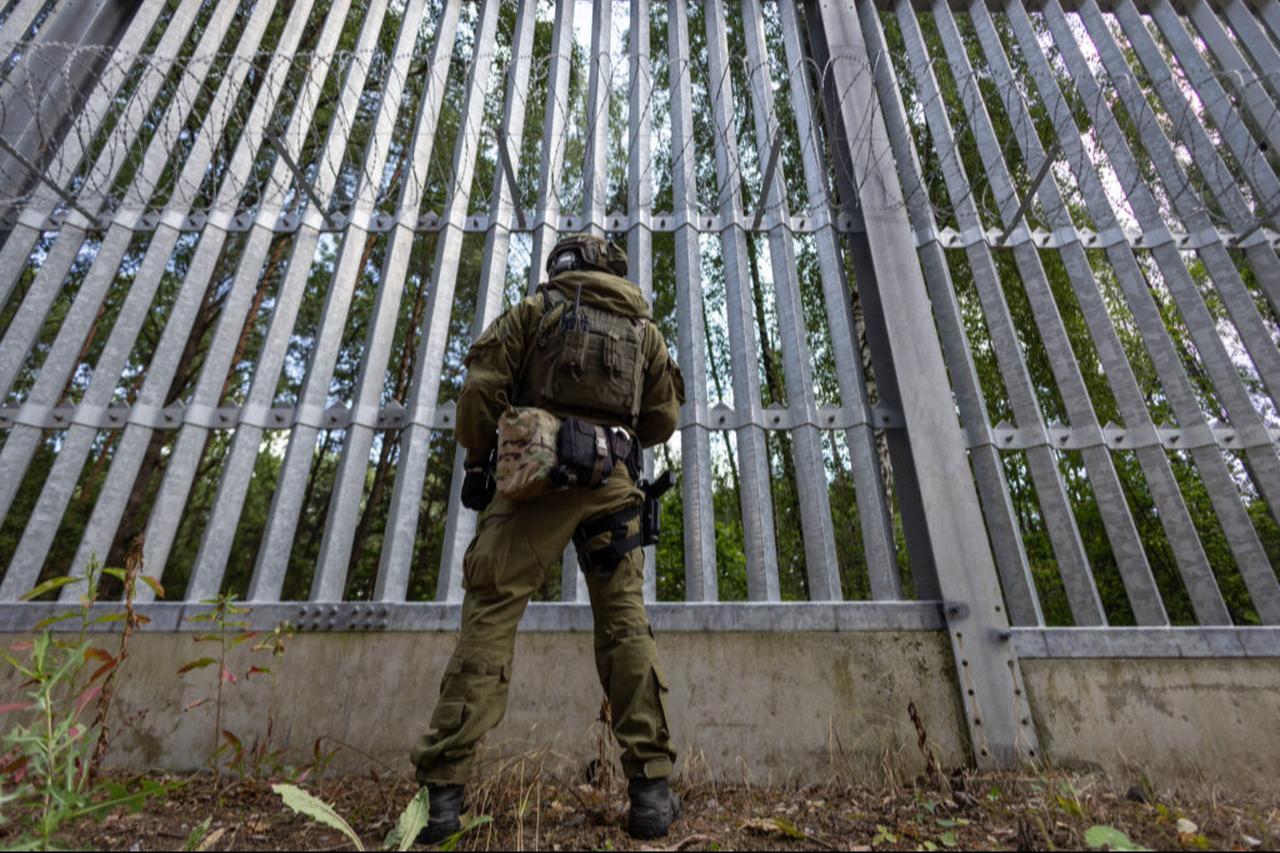

Estonia has proposed barring all former Russian soldiers from entering the EU. Foreign Minister Margus Tsahkna said about 650,000 such ex-combatants exist and would be excluded “person by person.” Still, he told POLITICO, a tighter EU-wide approach is vital for European security.
“I think a large number of these ex-combatants will come, supported by the Russian secret services, to Europe,” Tsahkna said. “And they will take over our organized crime and they will be heavily weaponized and supported by Russia to commit terror attacks or attacks against our societies. So this is very serious.”
Following an early decline in Russians granted EU travel visas, “the numbers are not going down anymore,” Migration Commissioner Magnus Brunner told POLITICO. “We urge the member states there to do a better job and to give less visas to Russian citizens,” he said. “Work is progressing.”
Brunner said a Commission move to restrict visas “early next year makes sense” alongside new rules. “You never know who these tourists actually are,” he said. “So that’s why we urge the member states to decrease the number.”
Ministers from 9 EU countries, Iceland and Norway wrote to the Commission in June, urging “a more uniform and coordinated approach” toward Russian visas in every member state.
“A restrictive visa policy towards Russian citizens is essential to safeguard the security and integrity of the Schengen area,” they said. “A divided approach risks undermining, and even counteracting, the pressure we seek to uphold against the Russian Federation.”


 Set as preferred source
 Set as preferred source


 1 min read

 1 min read