Newsletters


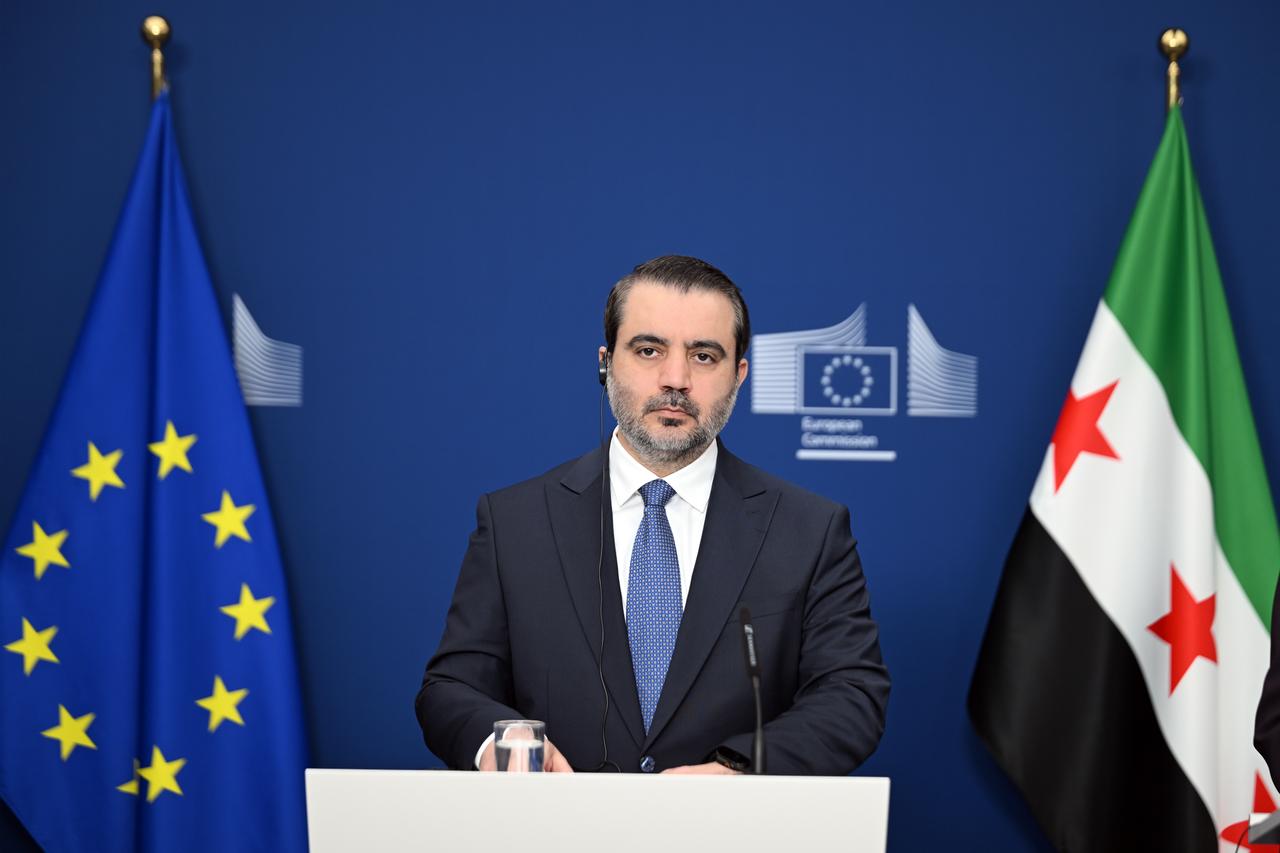


The European Union (EU) Council on Monday formally restored the full application of the 1977 EU-Syria Cooperation Agreement, suspended since 2011 over the Assad regime's human rights violations, marking a strategic shift in relations from crisis management to long-term economic partnership.
European Commissioner Dubravka Suica announced ambitions to advance toward a full partnership agreement with Damascus and pledged an additional €280 million ($329.6M) package for 2026-2027.
The EU Council said the conditions that led to the 2011 suspension "are no longer present" following Assad's fall and earlier EU decisions to lift economic sanctions on Syria, except those maintained on security grounds. Suspended provisions had included trade arrangements covering Syrian exports of oil, petroleum products, gold, precious metals, and diamonds.
The reinstated provisions will take effect on the first day of the month following the European Commission's formal notification to the Syrian authorities.
"The decision sends a clear political signal of the EU's commitment to re-engage with Syria and support its economic recovery," the council said.
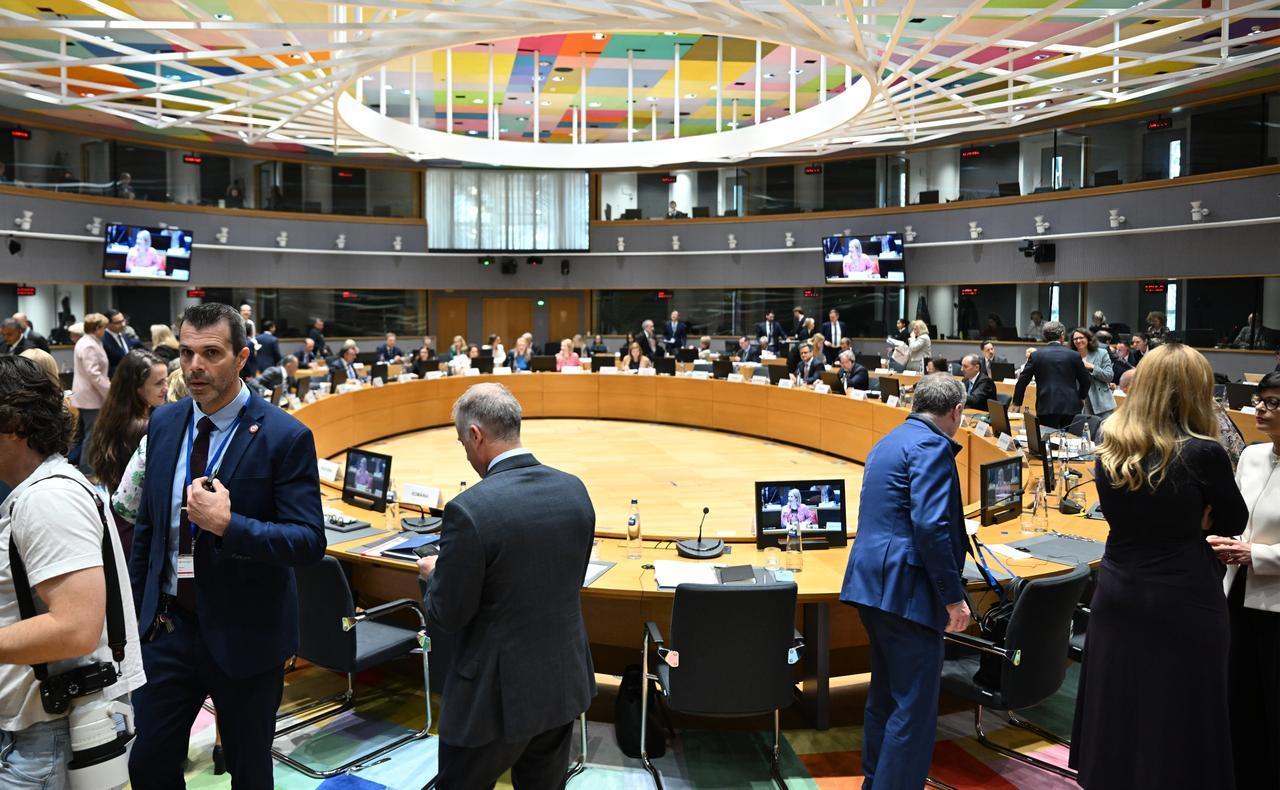

Speaking after the Syria Partnership Coordination Forum in Brussels, co-chaired by Suica and Syrian Foreign Minister Asaad Hassan al-Shaibani, Suica said: "Step by step we will try to advance this cooperation toward a partnership agreement." She added that the relationship was now "mature enough to begin working on such an agreement with Damascus."
Describing it as a "historic opportunity" for Syria’s recovery, Suica outlined three goals: inclusive decision-making for all citizens, transparent economic governance, and a steadfast commitment to the rule of law and civil society.
The forum also launched the first EU-Syria High Level Political Dialogue and a €15 million Technical Assistance Hub, described as a flagship Team Europe initiative to strengthen Syria's institutional capacity. A €14 million contribution for the rehabilitation of the Al-Rastan Hospital in Homs was also announced, alongside a Team Europe Health Initiative.
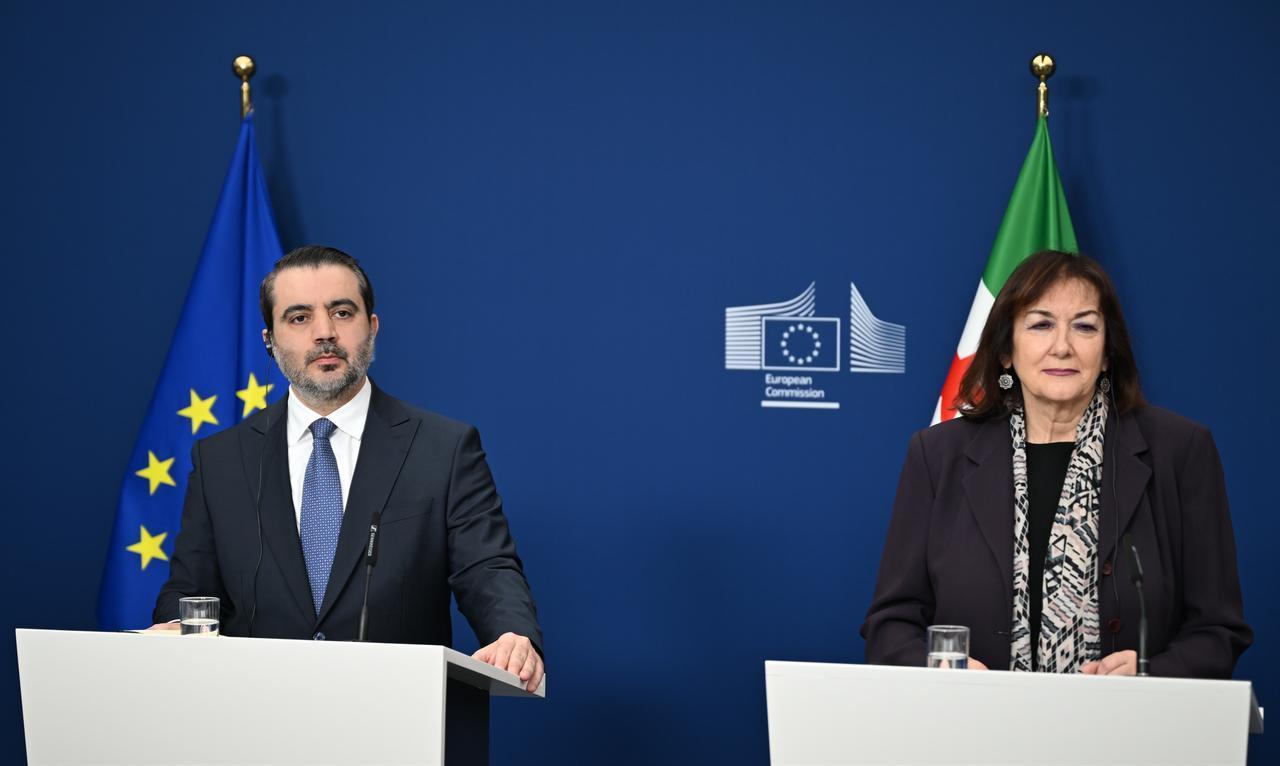
Speaking at the forum, al-Shaibani said Syria had endured 14 years of war and decades of authoritarian rule and was now engaged in a transition "led and owned by Syria."
He outlined four priorities: rebuilding infrastructure, restoring health and education systems, reviving the economy, and strengthening public institutions. He also called for Syria's reintegration into the Society for Worldwide Interbank Financial Telecommunication (SWIFT), the reactivation of the European Investment Bank's role, and Syrian students' return to programs like Erasmus+.
"Syria does not want its future managed by others, it wants real partnerships," al-Shaibani said, calling the current geopolitical moment "an exceptional opportunity."
He added that "those who engage early and seriously will play a role in shaping the future of the region."
Since 2011, the EU and its member states have contributed over €41 billion in humanitarian, development, and stabilization aid to Syria, maintaining their position as the leading donor to the country.
For 2026-2027, the EU has allocated a €620 million package combining socio-economic recovery programs with humanitarian aid.
Türkiye's Ambassador to Damascus, Nuh Yilmaz, who represented Ankara at the forum, said Türkiye would continue supporting Syria's "fastest possible development and strengthened cooperation with the international community."


 Set as preferred source
 Set as preferred source


 2 min read
 1 min read