Newsletters





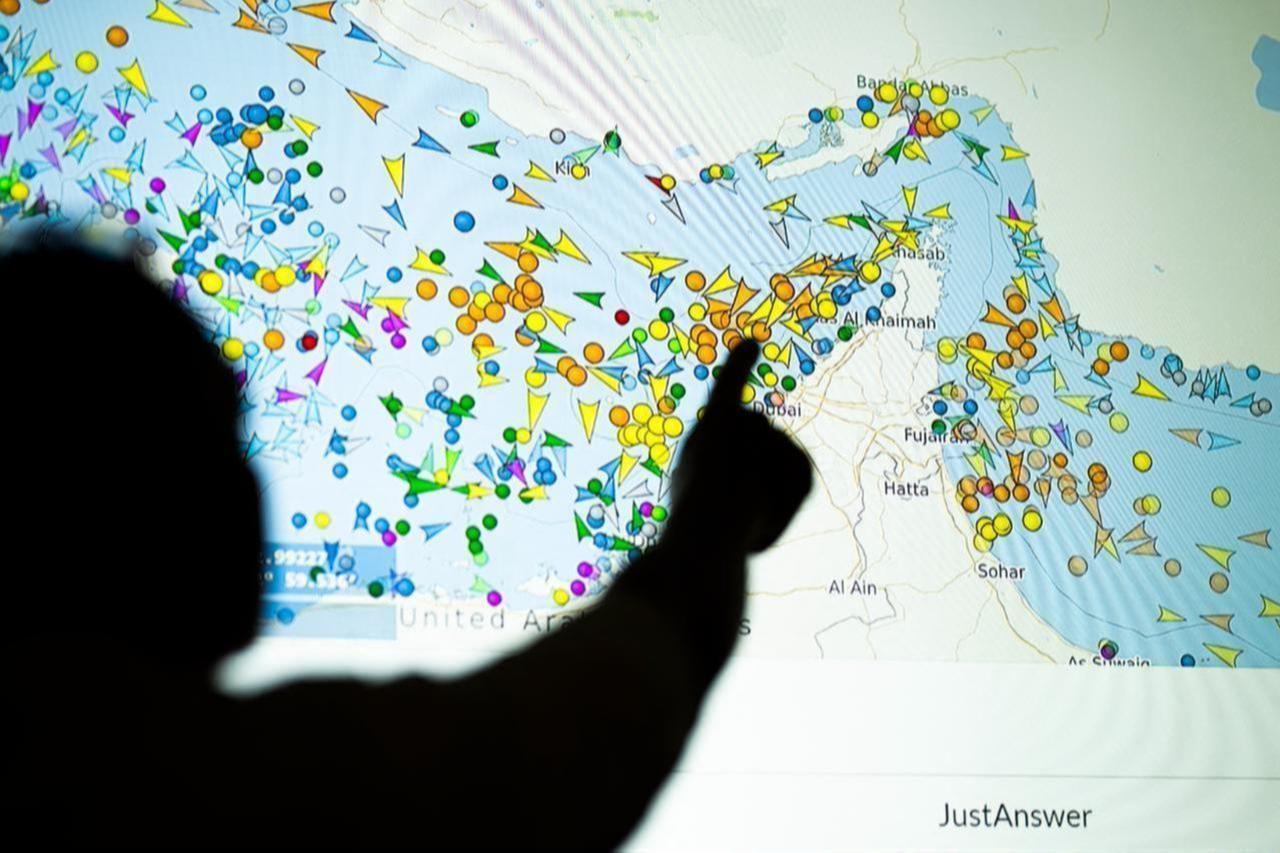
European Union member states move to expand sanctions against Iran after Tehran effectively closed the Strait of Hormuz following U.S.-Israeli strikes.
The European Council on Friday approved a technical step that broadens the scope of the bloc’s existing Iran sanctions framework, opening the door for new penalties against individuals and entities tied to actions disrupting freedom of navigation in the strategic waterway.
The Commission described Iran's attempt to control the narrow artery as "contrary to international law" and says the updated framework will allow Brussels to roll out additional restrictive measures over Iran’s actions in the Strait of Hormuz.
Officials have not yet identified who could face penalties, though the measures are expected to include travel bans and asset freezes. EU citizens and companies would also be barred from providing funds or economic resources to anyone placed on the sanctions list.
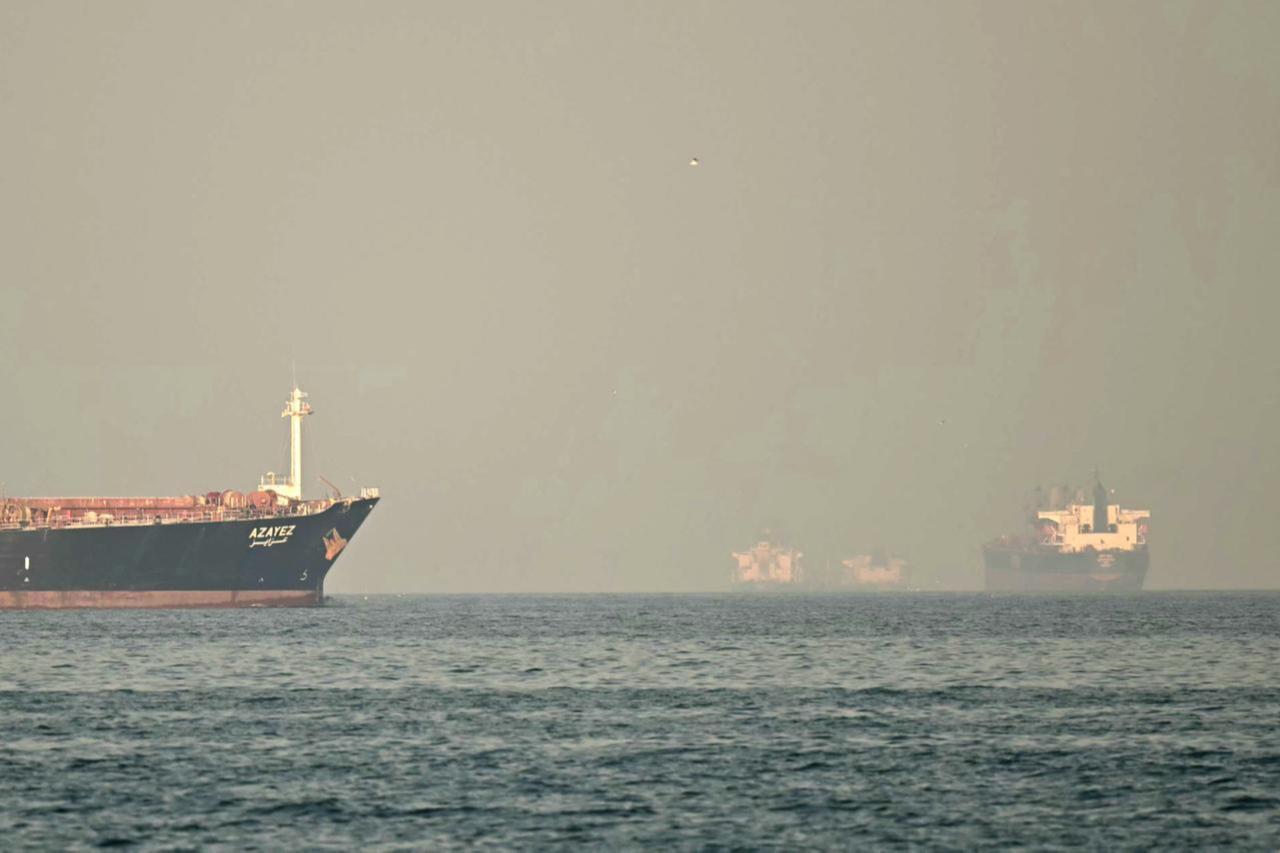
The closure of the Strait of Hormuz, a route that normally carries roughly one-fifth of global oil production, continues to rattle energy markets and drive prices higher worldwide, with benchmark Brent crude hovering around $103.5 per barrel.

Speaking ahead of a NATO foreign ministers’ meeting, U.S. Secretary of State Marco Rubio said there had been "some slight progress" in talks surrounding Iran and the Strait of Hormuz.
"I don’t want to exaggerate it, but there’s been a little bit of movement, and that’s good," Rubio told reporters. Rubio also accused Iran of trying to introduce a "tolling system" in the Strait of Hormuz and claimed Tehran was pushing Oman to join the initiative.
"There is not a country in the world that should accept that," he said, calling the proposal "not acceptable."The top U.S. diplomat added that Washington is backing a Bahrain-sponsored U.N. resolution tied to the crisis and said the measure has drawn broad international support.
Later on the sidelines of the meeting, Rubio reiterated that the U.S. wants a deal that would reopen the strait and curb Iran’s nuclear ambitions, while warning Washington was also preparing alternatives if diplomacy fails. "What if Iran refuses to open the Straits? At that point, something has to be done about it," Rubio noted.


 Set as preferred source
 Set as preferred source


 1 min read
 1 min read