Newsletters


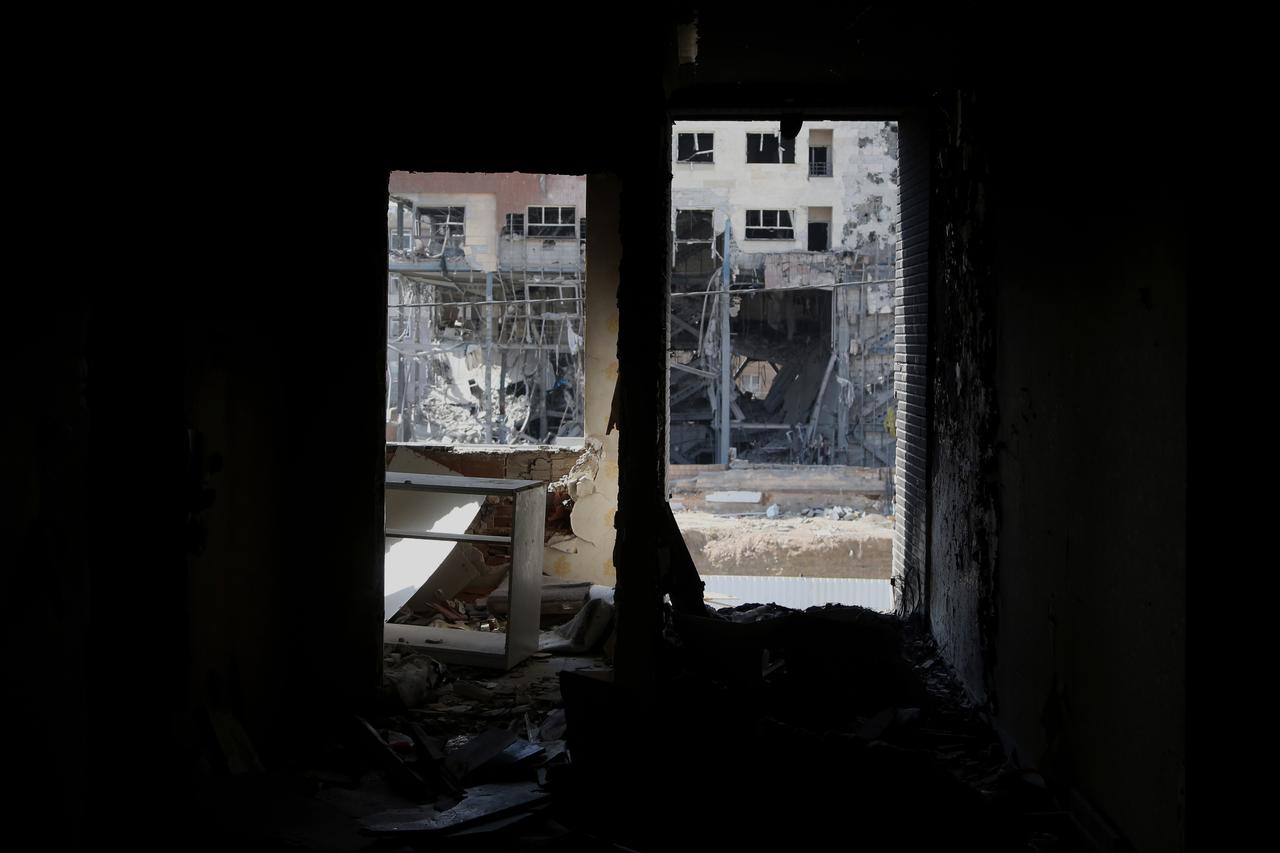


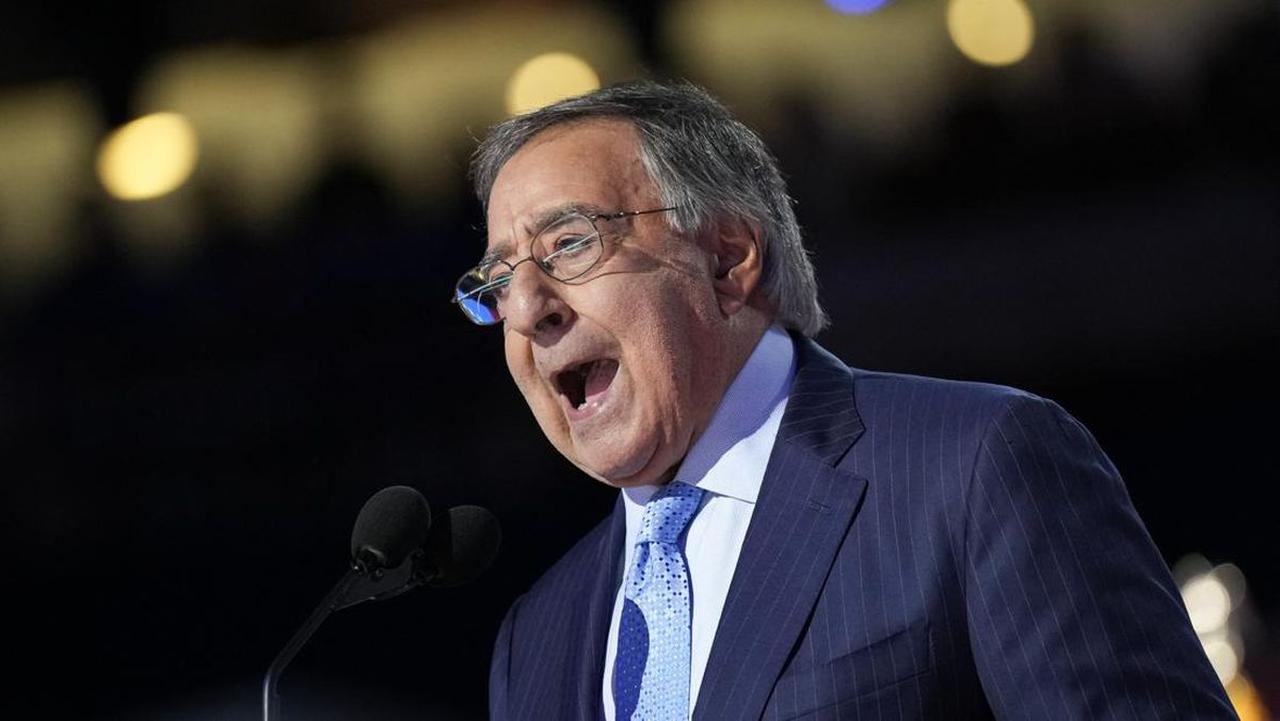
The war with Iran is likely to continue for another six months without a resolution, former U.S. defense secretary Leon Panetta has warned, saying Washington and Tehran remain locked in a stalemate with few apparent paths toward ending the conflict.
Panetta, who also served as CIA director under former President Barack Obama, told The Guardian that the conflict, which began more than six months ago, risks turning into another prolonged U.S. war in the Middle East.
He said the United States and Iran have reached a point where neither side appears to have many viable options for ending the fighting.
Panetta compared the danger of a drawn-out conflict with previous U.S. wars in Iraq and Afghanistan.
He said he believed the most likely scenario was that the conflict would continue for another six months without being resolved.

Panetta said U.S. President Donald Trump remained trapped between several difficult choices and had effectively boxed himself in over the war.
He outlined three possible paths for the U.S. administration.
The first would involve ending U.S. involvement and acknowledging that the military campaign had failed, an option Panetta said he considered unlikely for Trump.
The second would see the current stalemate continue, with periodic attacks exchanged by the two sides while both seek to prevent the conflict from escalating into an even larger war.

Panetta warned that such a scenario could result in the kind of prolonged Middle East conflict that all sides had sought to avoid.
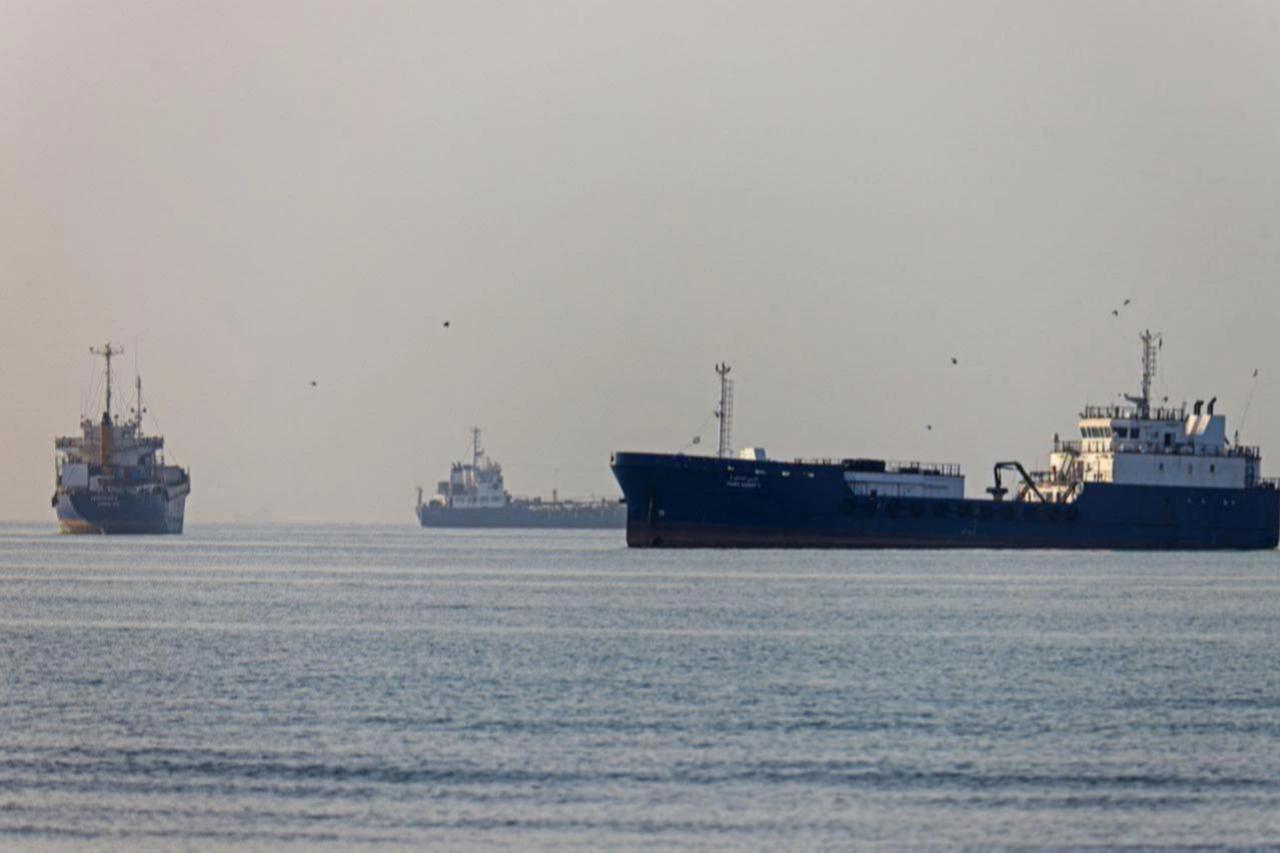
The third option, according to Panetta, would involve the United States taking control of the Strait of Hormuz and removing what he described as Iran’s most significant source of leverage, its ability to close or disrupt the key global trade route.
Panetta argued that a U.S. victory would require a significant shift in Washington’s approach, with reopening the Strait of Hormuz becoming its primary objective.
He also criticized Trump’s repeated claims that an agreement to end the conflict was close and that the Strait of Hormuz was open, saying those statements had damaged the president’s credibility.
Regional tensions have escalated since U.S.-Israeli attacks on Iran began on Feb. 28, with Tehran responding with missile and drone strikes against Israel and U.S. interests across the region.
Iran and the United States signed a memorandum of understanding in June, mediated by Pakistan and Qatar, outlining steps toward ending hostilities, reopening the Strait of Hormuz and addressing economic restrictions.
The two sides have since accused each other of failing to implement commitments under the memorandum, while military tensions have continued alongside disputes over sanctions and navigation through the Strait of Hormuz.


 Set as preferred source
 Set as preferred source


 1 min read

 1 min read