Newsletters


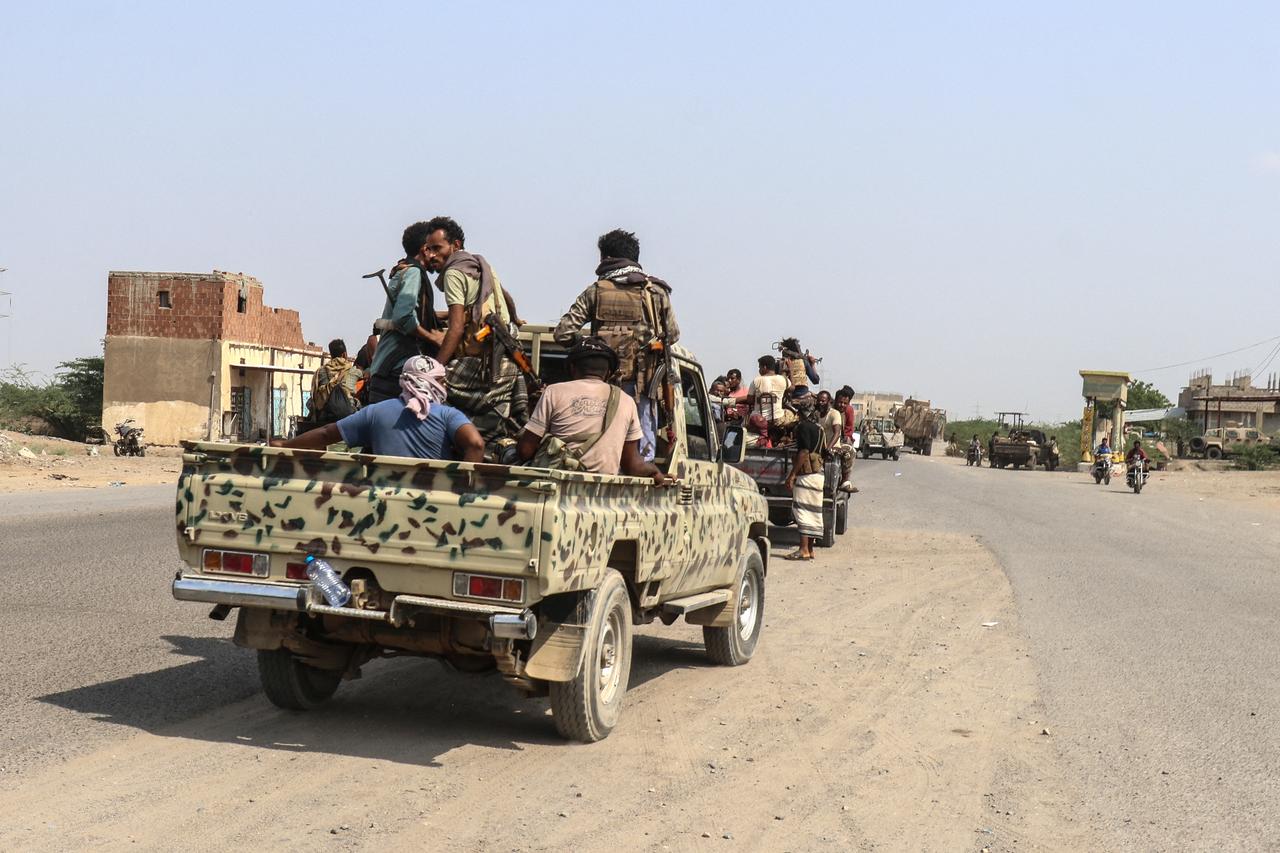


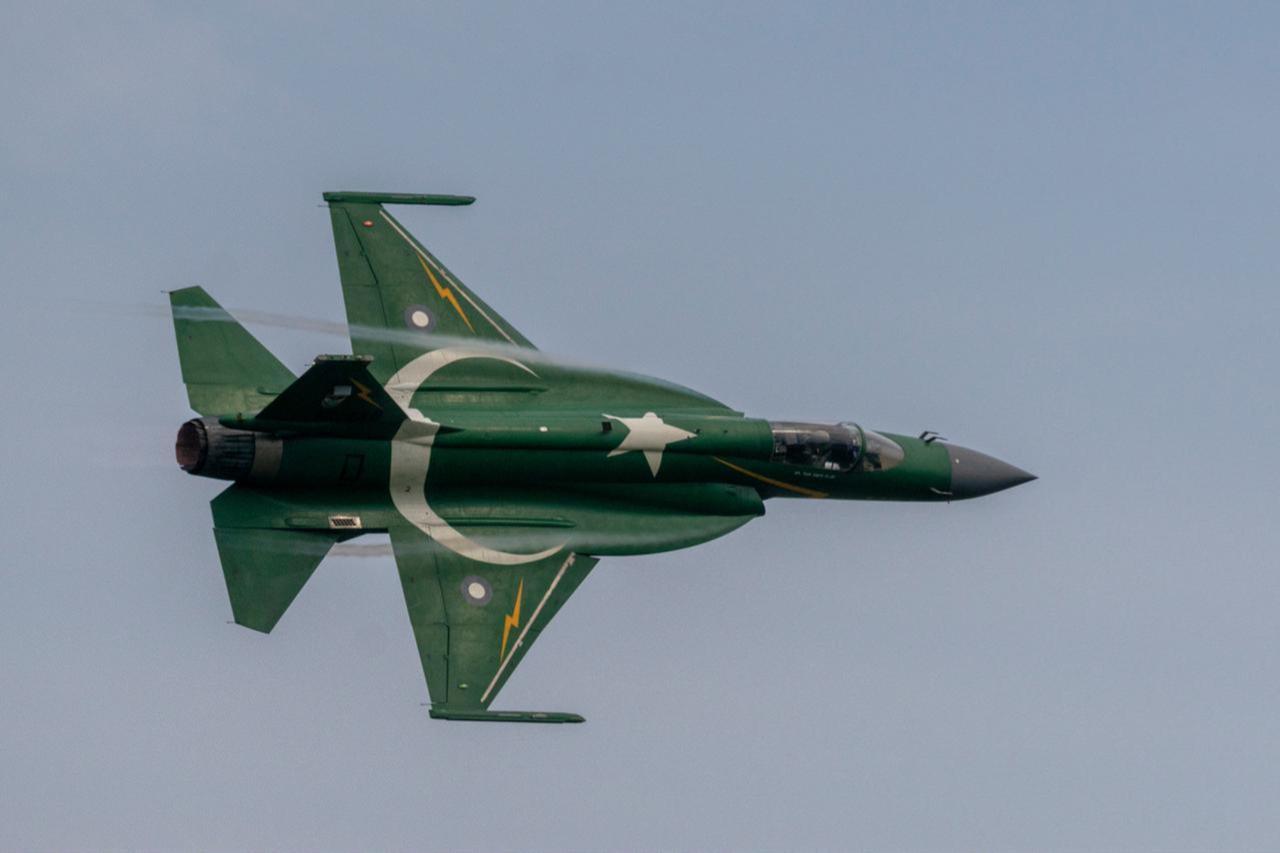
Pakistan is likely to carry out airstrikes against Houthi forces in Yemen at Saudi Arabia's request, according to Pakistani sources speaking to Türkiye Today. A source noted that the attacks may take place soon and will be made public shortly afterward.
One of the military priorities for the Pakistani attacks would be to clear the Houthis from Saadah along with other regions, according to one Pakistani source. However, a final decision on attacking Yemen's Houthis has not been made.
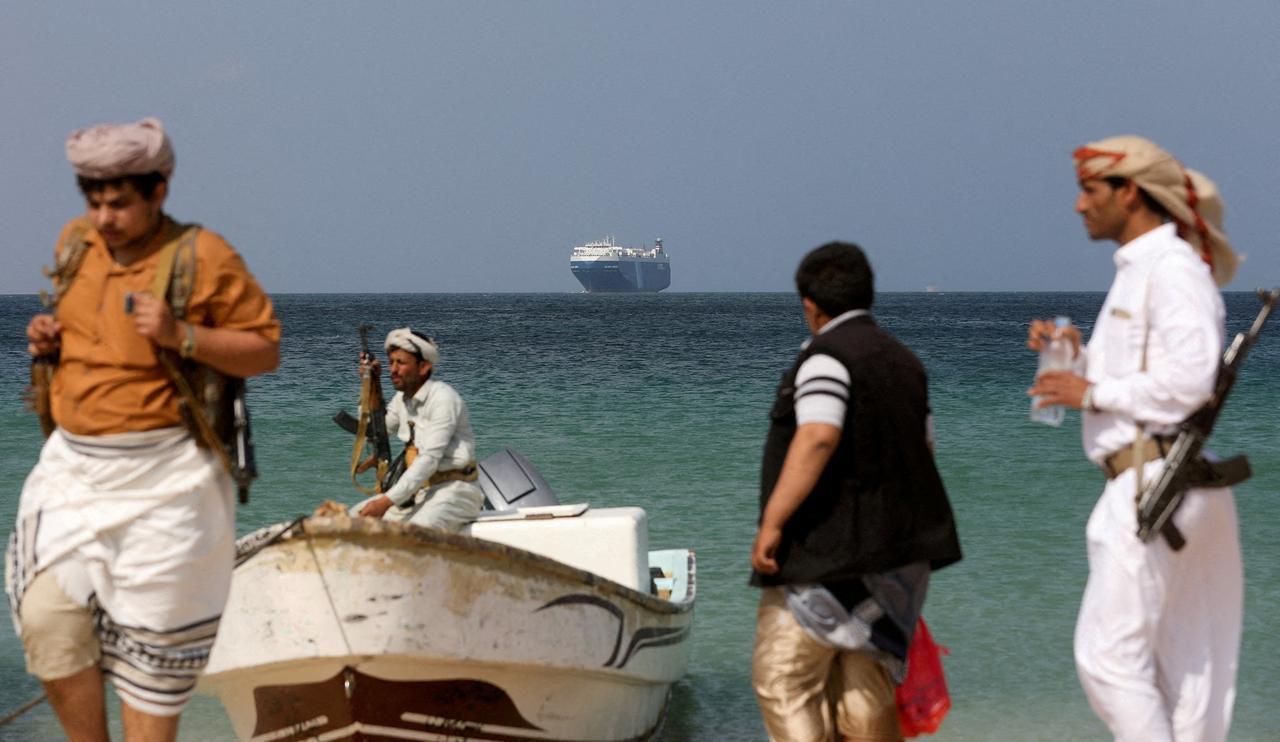
This development comes as the Houthis have been piling pressure on their Saudi foe, the world's top oil exporter, for weeks.
They have repeatedly attacked Saudi oil infrastructure and tankers since July, when a 2022 truce between the two sides unraveled.
The rebels also declared a maritime blockade of the kingdom and began attacking Saudi ships, squeezing Saudi exports, which were already suffering from Iran's closure of the Strait of Hormuz.
Yesterday, the Houthis—also known as Ansar Allah, a Yemeni Zaydi Shia group—struck several Saudi cities and energy facilities, including sites in Abha, Jazan, Najran, and Khamis Mushait, injuring 73 people and disrupting operations at important energy infrastructure.
In response, Riyadh hit back with a series of strikes in Yemen on Tuesday. Houthi-affiliated media reported deaths in Al Jawf following the Saudi strikes, although Riyadh has not publicly confirmed the attacks or their scale. As the Saudi-Houthi conflict enters a more volatile phase, the critical question is whether Pakistan will actively move against the Houthis inside Yemen.

Pakistan’s Defense Minister Khawaja Asif said on Wednesday that any attack on Saudi Arabia could activate the Mecca Pact, warning that aggression against one member would be viewed as an attack on all signatories.
"We are bound by the terms and conditions of this pact and, God willing, we will honor them in case there is a need," he stated.
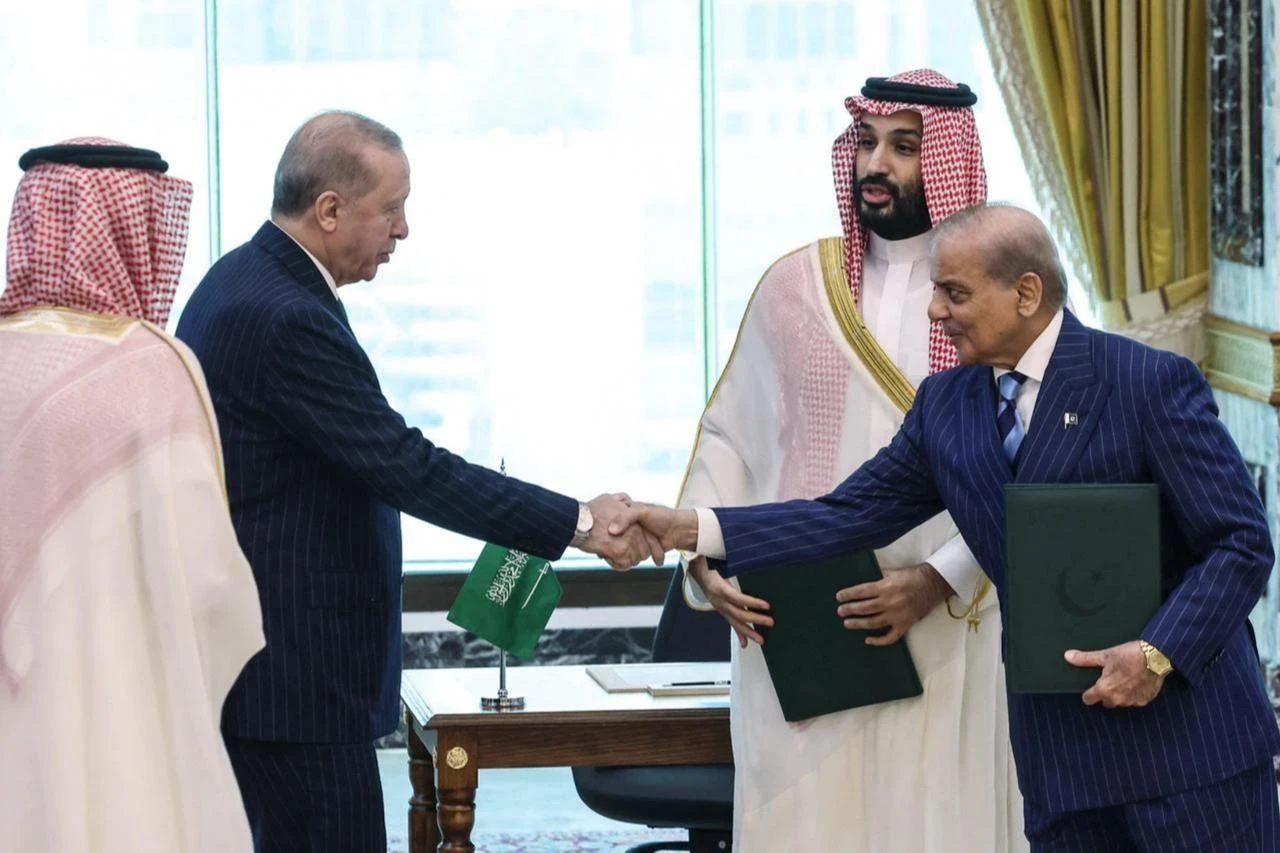
The Mecca Joint Defense Agreement, signed earlier this month, commits the three countries to mutual defense if any of them comes under attack.
The agreement unites NATO's second-largest army, Türkiye, with the Islamic world's only nuclear-armed state, Pakistan, and the leading Gulf power with vast financial resources, Saudi Arabia.
Until now, the central issue was whether Islamabad would actually be prepared to respond militarily if Saudi Arabia came under attack. That question is no longer entirely hypothetical.
According to Pakistani sources who spoke on condition of anonymity, Islamabad could participate in airstrikes if Saudi Arabia formally requests an official military response under the defense agreement. If that happens, it would represent a major departure in Pakistan's regional security policy.
Though the Mecca pact formalized decades of strategic cooperation between the three countries, there has been more focus on “collective deterrence” rather than becoming an offensive alliance or geopolitical military bloc. But as events take place, there is bound to be a natural progression of aims as required.
And participation in Saudi airstrikes would be something entirely different. Upping the ante by a few notches, it would amount to the first major military application of the Mecca pact and would establish a precedent for how the newly formed defense alliance operates in practice.
Pakistan already has military personnel and sophisticated air-defence capabilities deployed in Saudi Arabia. Reuters reported in August that Islamabad had deployed around 8,000 troops, fighter jets, drones and an air-defense system to the kingdom.
This was a relatively straightforward way for Pakistan to demonstrate that it honored the Mecca agreement without launching its own campaign in Yemen.
At the same time, it could reinforce Saudi airspace, protect strategic installations, provide intelligence and surveillance, or assist with the interception of incoming missiles and drones. Such measures directly defended Saudi territory while avoiding the far more politically sensitive decision of conducting airstrikes against Houthi positions.
In 2015, Pakistan’s parliament had effectively rejected a Saudi request for Pakistani troops to join the Saudi-led offensive against the Houthis, while Islamabad subsequently stressed that it would defend Saudi Arabia's territorial integrity.
But now, Pakistan is no longer operating solely based on an informal understanding with Riyadh.
The Mecca accord provides a political framework for collective defense, and Asif has explicitly warned that its clauses could become operative if the Yemen conflict spills into Saudi Arabia.
Discussing the possibility of Pakistan’s participation, Zeeshan Shah, a political analyst based in Washington, told Türkiye Today that where the defense minister, Khawaja Asif, is concerned, he is “known to make off-the-cuff remarks on numerous occasions which are not necessarily the position of the government.”
He recalled that the defense minister had made "a similar type of statement back in 2015 when the Saudi-UAE operation against the Houthis was first launched.”
In Shah’s opinion, “If the Saudis decide to hit the Houthis as has become more likely, any Pakistani assistance and expertise might just be restricted to logistical and behind-the-scenes support rather than actually carrying out bombing runs against the Houthis.”
But the strategic calculation has changed since the pact was signed, as the Houthis are not merely threatening Riyadh rhetorically or attacking distant shipping.
This is why the language coming from Islamabad suggests that participation is being actively considered rather than dismissed.
And if that happens, it could complicate Pakistan’s carefully balanced ties with Tehran as well as affect Islamabad’s mediation efforts to end the U.S.–Iran war.
Potentially, it can also draw Türkiye deeper into the arrangement, turning the pact into an operational security alliance.


 Set as preferred source
 Set as preferred source


 2 min read
 1 min read