Newsletters


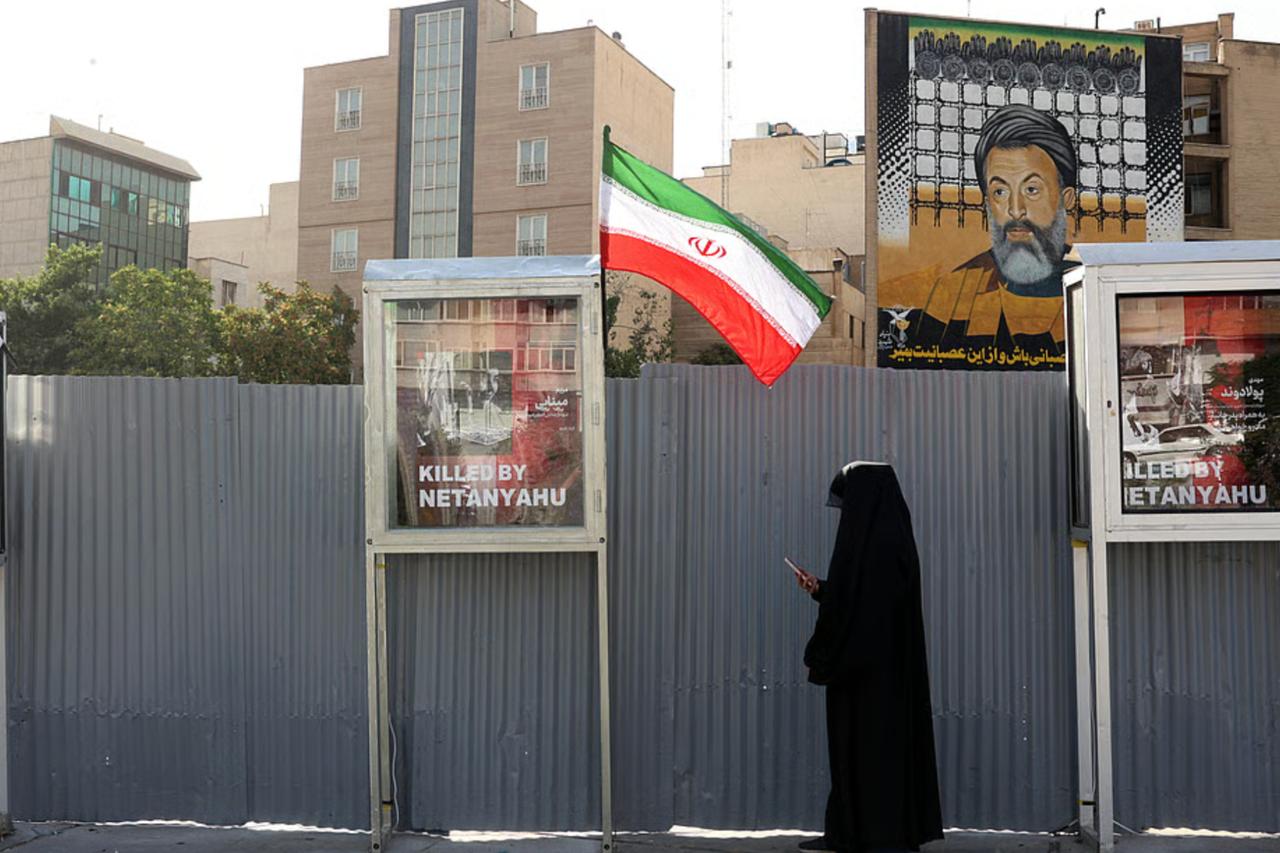


A report by Filterwatch, an organization that monitors internet censorship in Iran, said Tehran is planning to permanently disconnect the country's internet from the global network, leaving most of the population restricted to Iran's internal national internet, while only a screened minority would be allowed limited access to the international web.
The report that had been published on Friday by Filterwatch said the plan would allow only individuals who pass government screening and approvals to access a restricted version of the international internet, while the rest of the population would be confined to the national internet, an internal network isolated from the global internet.
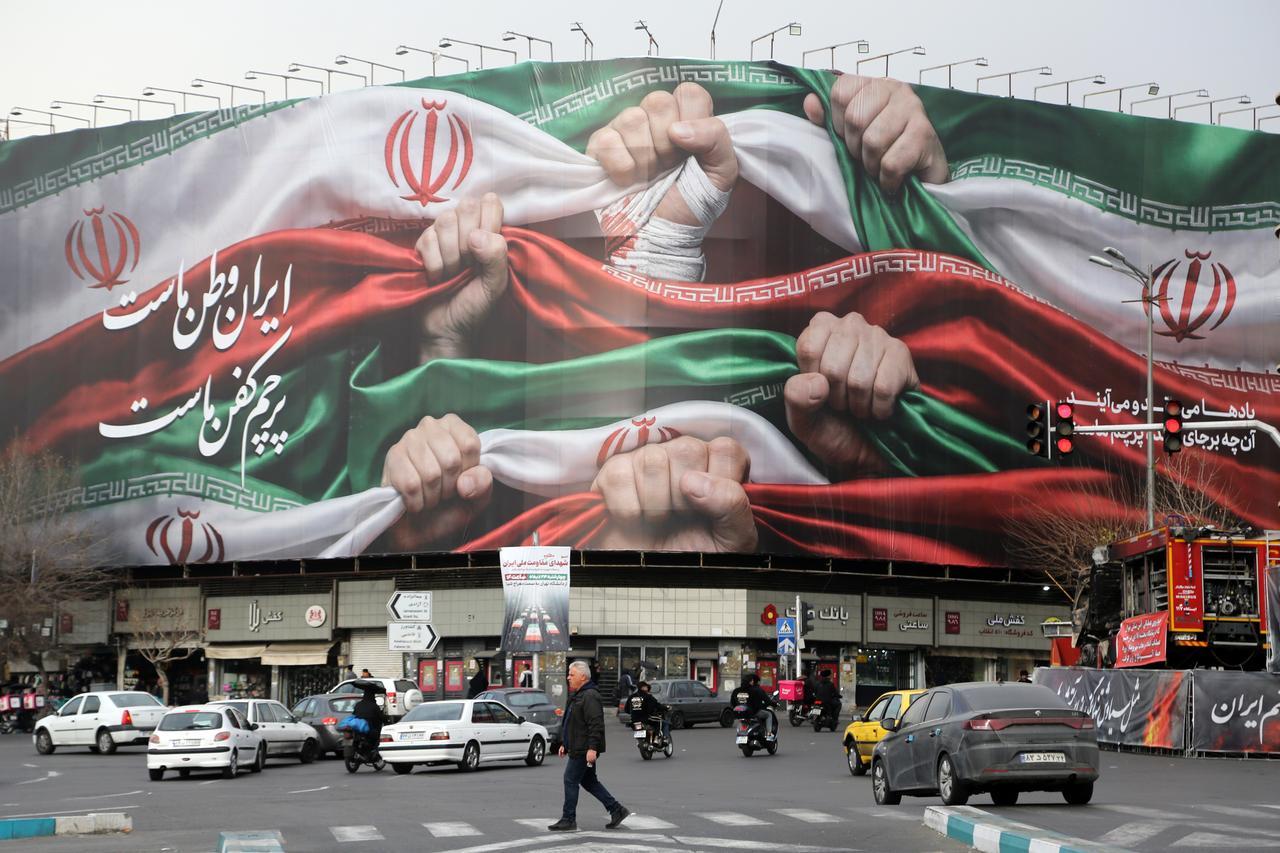

The organization quoted several sources inside Iran as saying that "a secret plan is underway to turn access to the international internet into a 'government privilege,'" according to Britain's The Guardian.
The report added that state media and government representatives have already indicated the shift would be permanent and warned that unrestricted access "will not return after 2026."
Under the plan described by Filterwatch, Iranians who obtain security clearances or pass government screening would be granted access to a restricted version of the global internet, Amir Rashidi, head of Filterwatch, said.
Other Iranians would be limited to the national internet, an internal network that operates inside the country and is isolated from the global network.
Filterwatch framed the plan as a lasting redefinition of connectivity, describing international internet access not as a public service but as a gated privilege determined by government approval.
The report said the current internet shutdown in Iran began on Jan. 8, following 12 days of escalating protests against the regime.
It also cited reports saying a government spokesperson told Iranian media that the international internet would remain shut down at least until Nowruz, the Persian New Year, on March 20.
Filterwatch's report described the wider trajectory as a long-running effort to deepen state control over communications, with the January shutdown presented as part of that broader approach.
Filterwatch said the current shutdown is the result of 16 years of efforts to entrench the regime's control over Iran's internet, including the development of an advanced traffic-filtering system that allows a select few to access the global internet while blocking others, a practice known as "whitelisting."
The technology is believed to have been enabled using equipment exported from China, according to researchers who study Iran's internet at Project Ainita and the Outline Foundation, the report said.
These systems work through devices installed on network cables to monitor and analyze internet traffic, allowing authorities to inspect communications and block websites, protocols and some virtual private networks, or VPN, tools." It's quite simple:
There are censorship devices on every network, and the government can block communications in both directions," the researchers said.
According to the report, Iran began developing a national internet in 2009 after authorities briefly shut down access during protests over Mahmoud Ahmadinejad's presidential election and concluded that a full blackout carried high costs.
By 2012, the government had established the Supreme Council of Cyberspace and began planning a separate domestic network.
Over time, Filterwatch said, authorities refined their shutdown tactics: during the 2012 protests, they blocked services such as Facebook, Twitter and Google while keeping essential economic services online.
In the following decade, the report said, officials used a "carrot-and-stick" approach to pressure banks and internet service providers to move core infrastructure inside the country, offering tax incentives to those who complied and barring others from operating in Iran.
The report added that in 2015, researchers used bitcoin to buy server space inside Iran and began scanning the country's internet protocol, or IP, address range, finding evidence that Iran was building an internally connected network fully separated from the outside world.
Filterwatch said Iran ultimately succeeded and that the national internet continued to function throughout the protests and remains inaccessible to users outside the country and disconnected from the global internet.


 Set as preferred source
 Set as preferred source


 1 min read

 1 min read