Newsletters


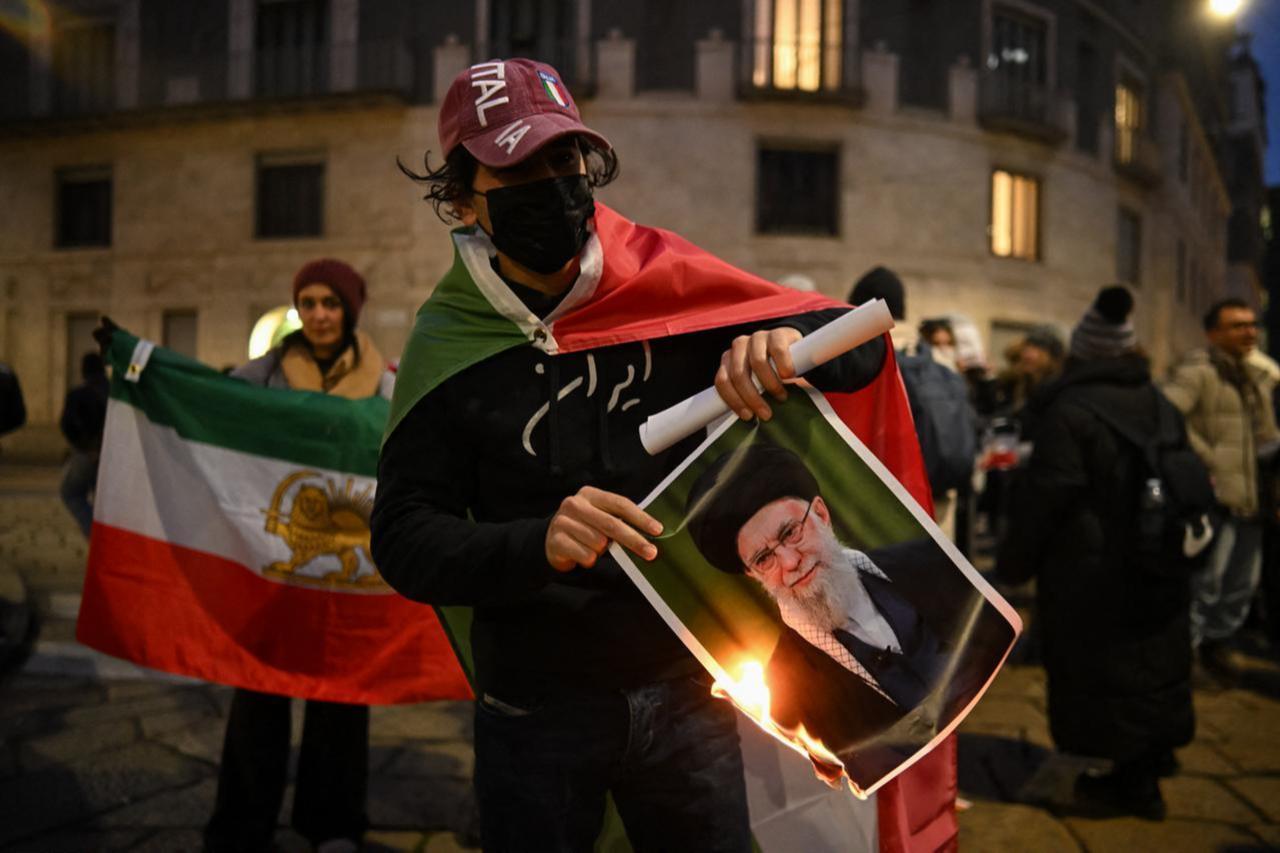


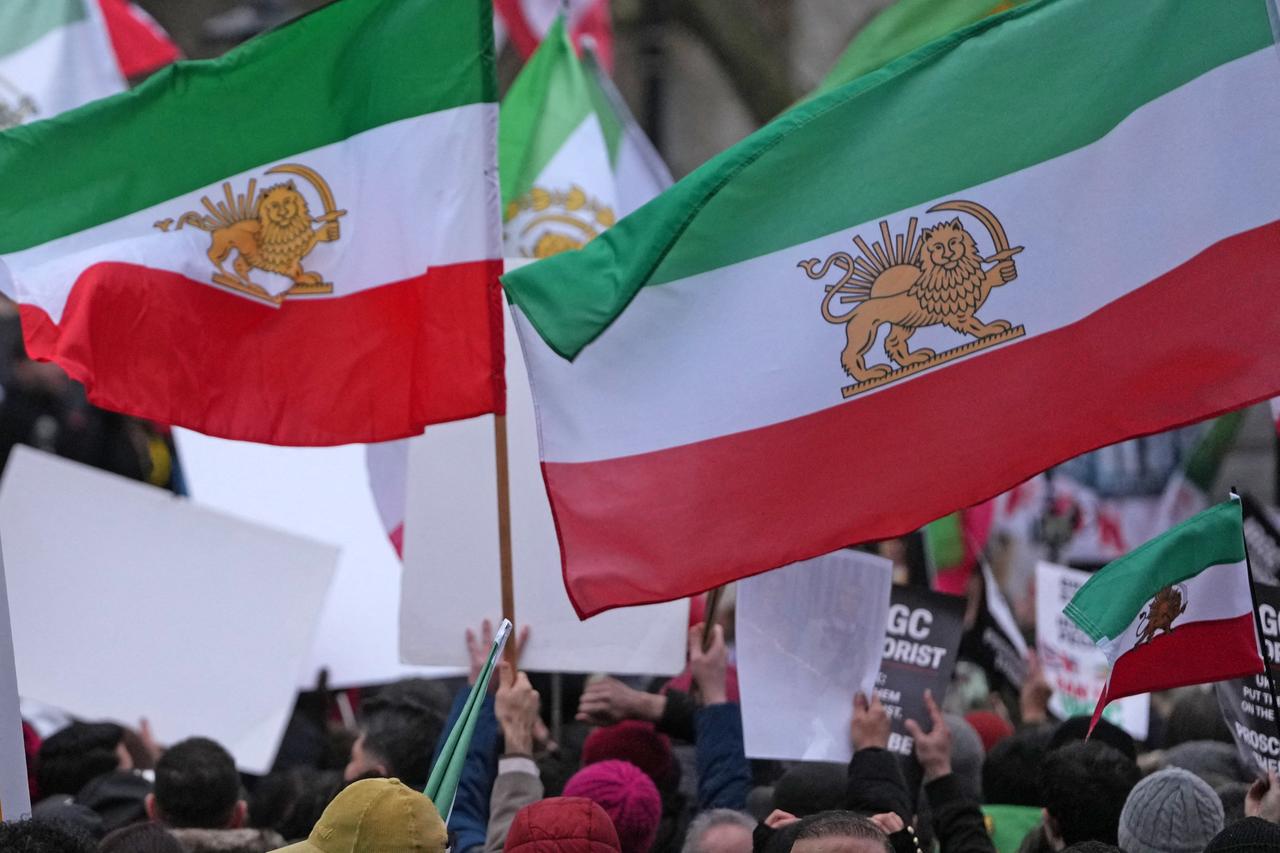
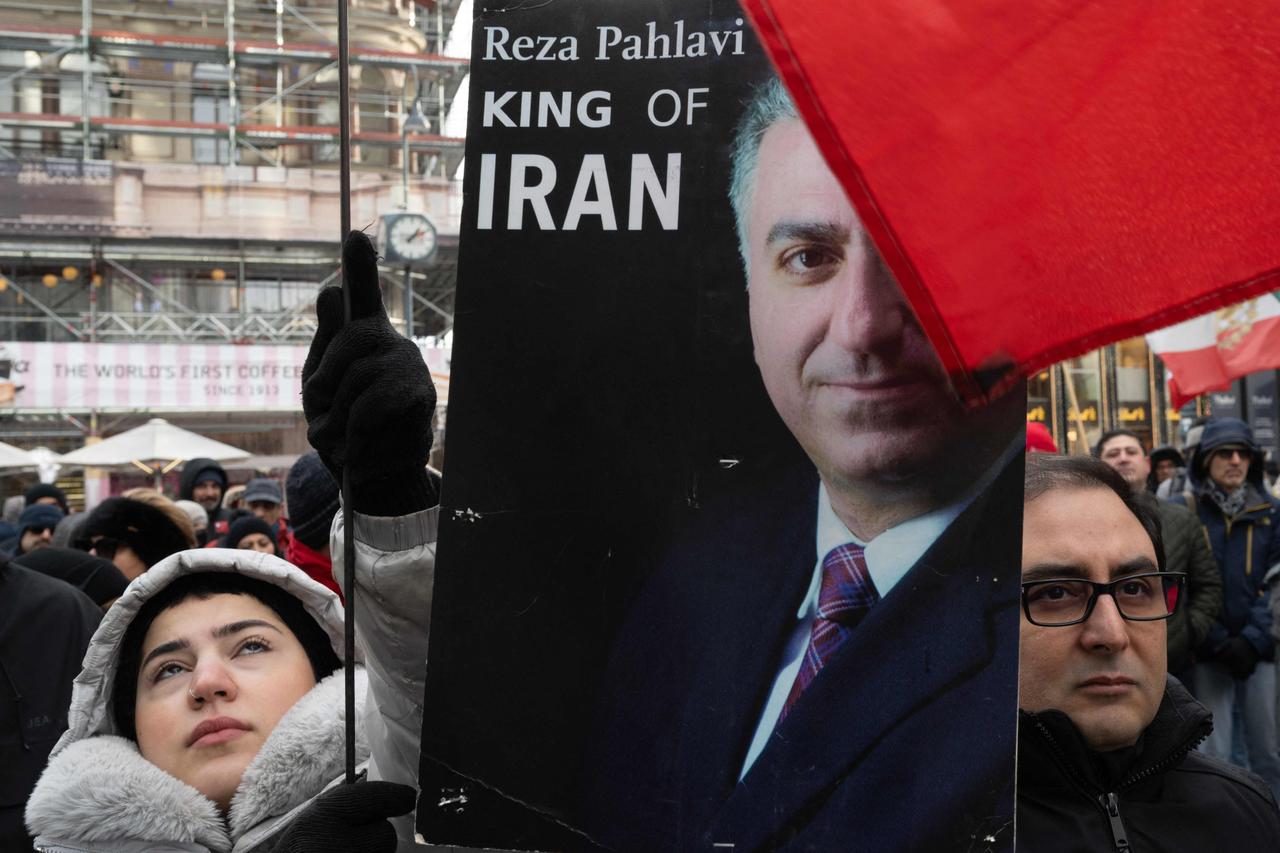
The embers of the Dec. 28 uprising in Tehran appear, for now, to have been extinguished. The regime’s response was predictable: a pivot from initial hesitation to a brutal “iron fist” once the survival of the state was threatened.
Yet, the butcher’s bill is staggering. Reports suggest over 1,000 dead and more than 10,000 arrests. While the security apparatus has seemingly restored order, this cycle of violence masks a terminal structural crisis: the social contract between Iran’s ruling elites and its citizens has collapsed.
For decades, the Islamic Republic relied on an ideological narrative to bind the state. Today, that narrative finds purchase only among a shrinking, radicalized minority. For the “ordinary Iranian,” the equation has shifted from ideology to survival.
Faced with crushing inflation—officially hovering near 40% but effectively much higher—and suffocating social restrictions, public demand is no longer for spiritual purity but for a “normal” life.
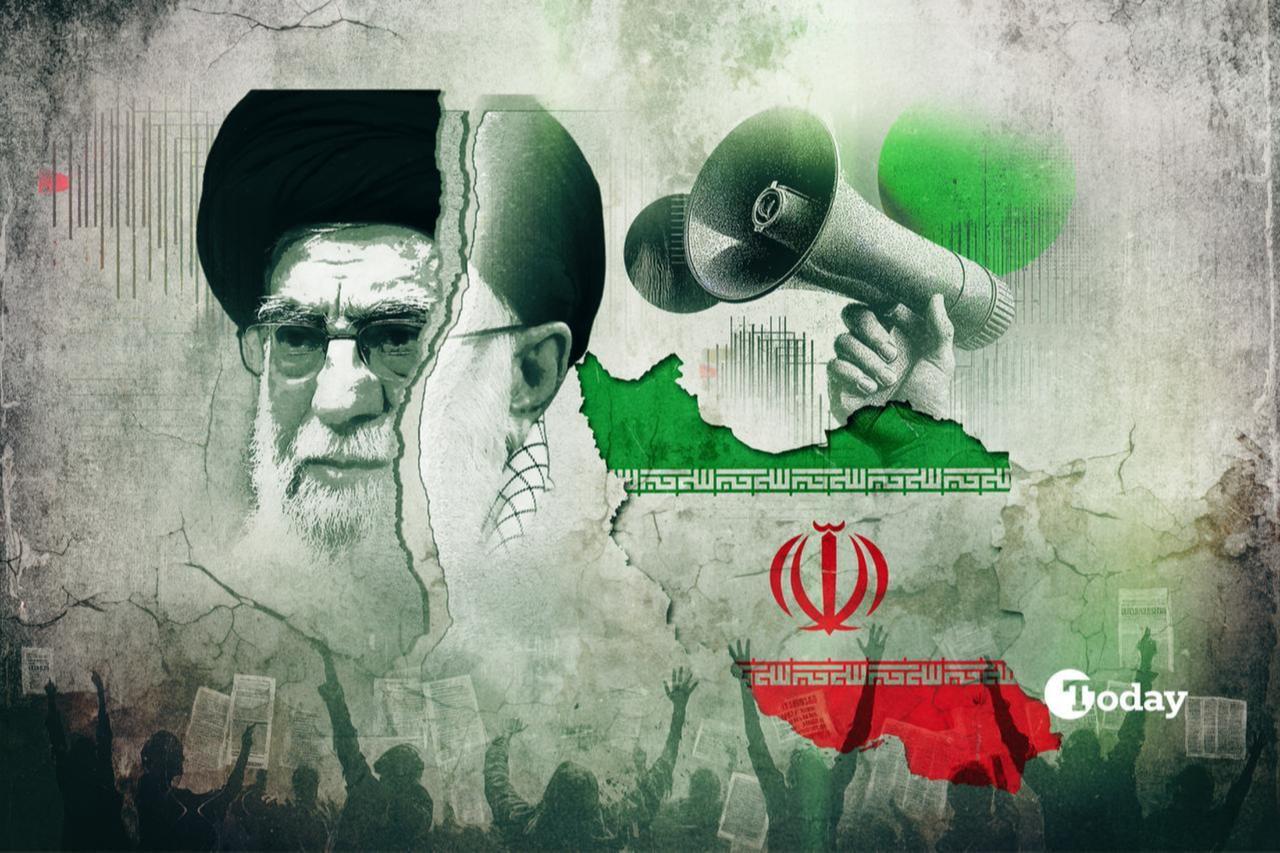
The regime, however, lacks the strategic capacity for genuine reform. It offers only tactical flexibility, resulting in a dangerous standoff: a calcified, rigid state apparatus versus a fluid, enraged, and shape-shifting street movement.
To understand the stakes, one must recognize that Iran is not a typical nation-state; it is the heir to an imperial geography and demographic. Roughly half the population is ethnically Persian. The other half—a mosaic of Azeris, Kurds, Baluchis, and Arabs—lives largely on the periphery.
When Tehran is strong, this diversity fuels its cultural soft power. But when the central authority paralyzes, as we saw in the wake of the protests, this mosaic becomes a ticking time bomb.
The centrifugal forces of ethnic nationalism are gaining momentum. The nightmare scenario for the region is not a strong Iran, but a Balkanized one—a chaotic vacuum where internal fractures trigger a civil war reminiscent of Yugoslavia, but on a grander, more strategic scale.
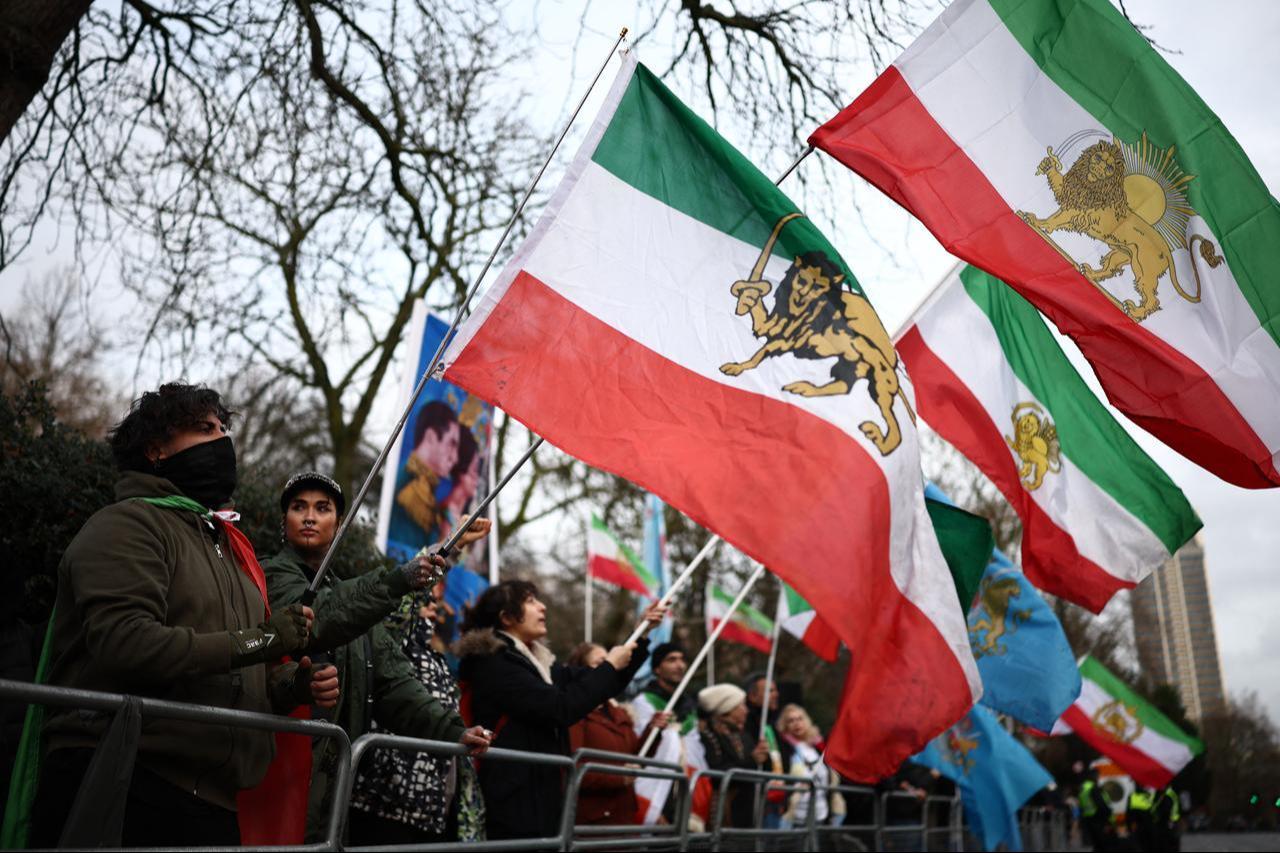

This prospect has altered the calculus in neighboring capitals. From Ankara to Islamabad, the appetite for “regime change” has been replaced by a grim anxiety over “controlled stability.”
The Middle East is suffering from intervention fatigue; the capitals that bore the brunt of proxy wars in Syria, Yemen, and Libya have no energy left to manage a failed state in Iran.
If the weak opposition groups currently on Iran’s borders were to arm themselves, transforming the unrest into a protracted war of attrition, it would trigger a red alert across the region.
Türkiye, in particular, is watching with maximum caution. Post-2020, Ankara underwent a significant foreign policy pivot, trading the lust of idealism and limited expansionism for cold-blooded realism.
Türkiye’s priority is no longer to fan the flames of regional change but to firewall itself against the heat. A power vacuum in Tehran means unmanageable waves of migration and security breaches on Türkiye's eastern flank.
The trajectory of this crisis, however, will likely be decided in Washington. The incoming Trump administration faces a binary choice: view Iran’s chaos as an opportunity to revive “maximum pressure” tactics, or recognize it as a systemic risk to global oil markets and regional stability.
Interestingly, regional actors are lobbying for the latter. Saudi Arabia, Oman, and Qatar, wary of the crossfire, appear to have persuaded the Trump team, at least temporarily, against unilateral military strikes. They understand that a cornered Iran is unpredictable.
For Türkiye and the Gulf states, the “best-case” scenario is paradoxical: They need the Islamic Republic to survive its own incompetence long enough to cut a deal with Washington.
Only through broad negotiations can Tehran unlock the sanctions relief necessary to pull its economy out of the abyss. Without an economic lifeline to offer its people, the regime will be forced into an existential fight for survival, deepening its isolation and radicalizing its response.
As Türkiye approaches its own election cycle next year, the last thing Ankara wants is a neighbor in freefall dictating the domestic agenda. The region is holding its breath, hoping that Tehran chooses the humiliation of compromise over the catastrophe of collapse.


 Set as preferred source
 Set as preferred source


 1 min read
 1 min read