Newsletters


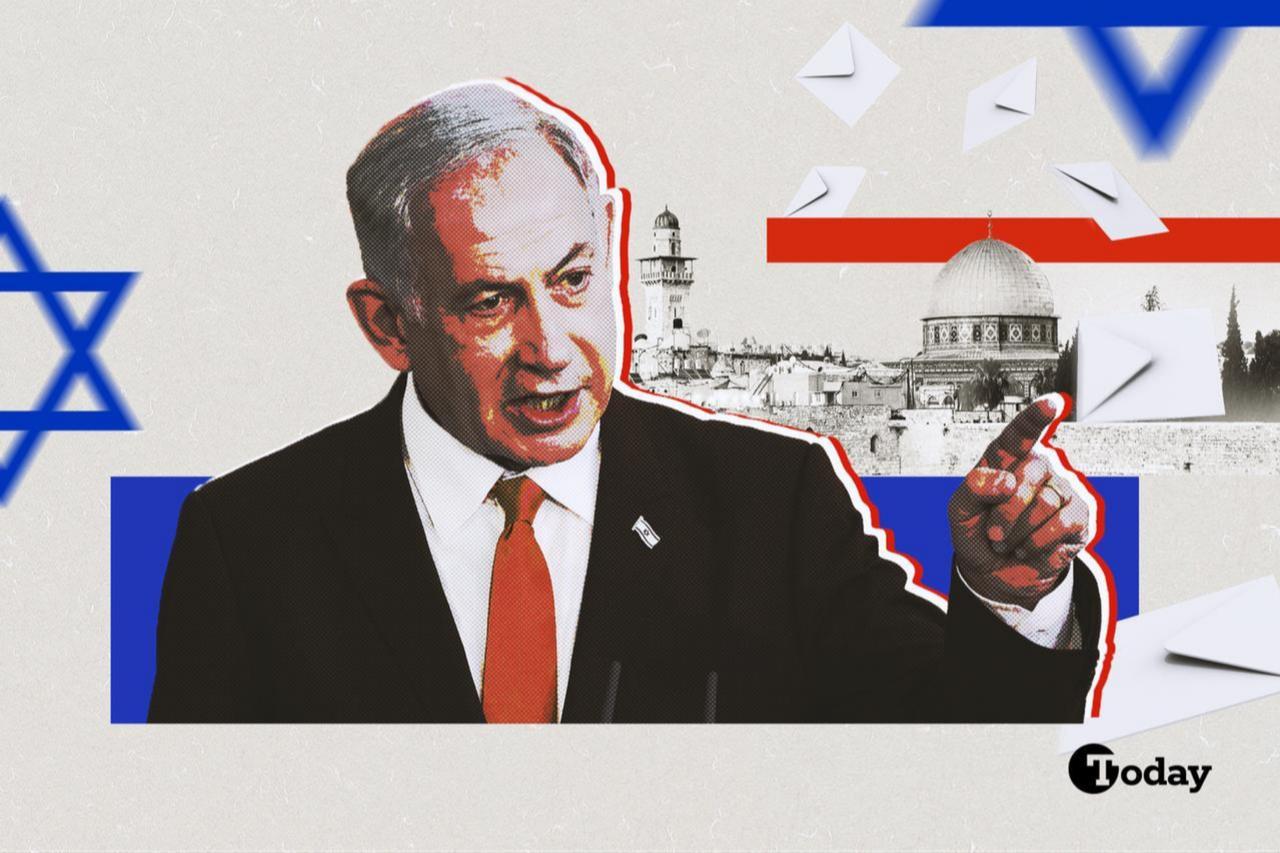


Israel’s upcoming election, scheduled for Oct. 27, is widely regarded, both domestically and internationally, as particularly consequential—not only for Israel itself, but for the region as a whole.
The past three years, beginning with Oct. 7 and followed by the wars in Gaza and Lebanon and, of course, the confrontation with Iran, have been unprecedented in almost every respect. Yet the situation remains volatile and far from settled on all relevant fronts.
Within Israel, the political picture is remarkably confusing, even with election day just around the corner. Public opinion polls, which must admittedly be treated with considerable caution, suggest that Israeli politics has essentially returned to where it stood on Oct. 6, before the dramatic events that followed.
In other words, the two political blocs—the incumbent coalition and the opposition parties—appear to be more or less evenly matched.
What, then, are these elections really about? Are they a referendum on October 7? On the war with Iran? Or has Israeli politics, after three extraordinarily turbulent years, simply reverted to its previous patterns?
The fact that the current government has managed to serve its full term despite Oct. 7 may help explain the picture emerging from the polls.
These elections may not be about Oct. 7 or the confrontation with Iran at all. Rather, they appear to revolve around the fundamental character of Israeli society, the divisions that preceded the war, and the judicial overhaul the government pursued before Oct. 7.
Prime Minister Benjamin Netanyahu and his coalition have succeeded, however paradoxical it may seem, in pushing Oct. 7 away from the center of voters’ considerations.
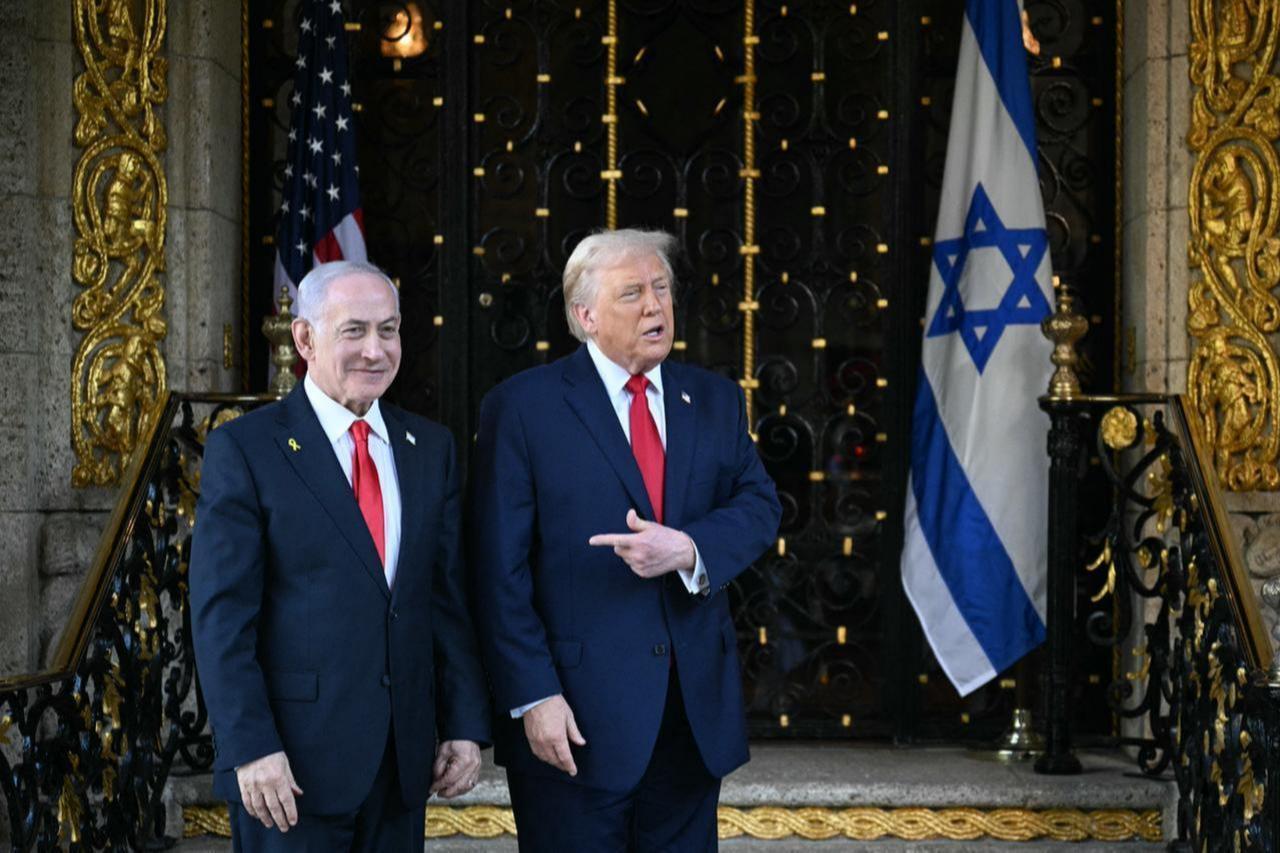

Three principal factors help explain this development.
The first concerns the impact of the dark memories of Oct. 7 on Israeli society, a shock that transcended traditional political divisions. This helps explain the hardening of attitudes toward the Palestinians across broad segments of the Israeli public.
The second relates to a deeply entrenched perception among Israelis, reinforced by the events of Oct. 7, that Israel is engaged in an unavoidable struggle for its very survival. The war with Iran has deepened this perception, regardless of its military successes.
The third concerns the proliferation of disinformation and the superficial, simplistic, and at times dangerous portrayal of the challenges and threats Israel faces. These dynamics have, unsurprisingly, intensified the sense of collective post-traumatic distress in Israeli society following Oct. 7.
For significant segments of the public, this makes it extremely difficult, if not impossible, to focus on the events of the past three years as grounds for holding the incumbent government accountable.
Consequently, it is difficult to identify the central issues that will ultimately determine how Israelis vote, beyond the admittedly peculiar divide between the “Only Bibi” and “Anyone but Bibi” camps.
Given this deeply uncertain picture, it is worth highlighting three fundamental questions that Israeli society will inevitably have to confront after the elections.
The first is the Palestinian question.
Israeli society will have to overcome its profound skepticism regarding both the management and the eventual resolution of the Israeli-Palestinian conflict. Regional and international realities will compel Israel to address this issue, one way or another.
A government replacing the current coalition would likely be more receptive to international perspectives on the matter. While the incumbent government has approached the conflict primarily through an ideological lens, an alternative government would likely adopt a more pragmatic outlook, recognizing the need for a diplomatic track alongside military means, rather than relying on them exclusively.
Indeed, Israel’s approach to the Israeli-Palestinian conflict will have far-reaching implications for its foreign relations as a whole. This does not necessarily imply an immediate resolution of the conflict, but rather a fundamental shift in policy and approach compared with those of recent years.
The second concerns the political status and participation of Israel’s Arab citizens.
Developments in recent months offer encouraging signs, provided that opposition leaders demonstrate sufficient political courage. In fact, Israeli society itself appears increasingly ready for such a shift—and is arguably yearning for leadership willing to translate this readiness into concrete political action.
In practical terms, this would entail some form of cooperation between a future governing coalition and Israel’s Arab political parties, even if such cooperation were limited to some of them.
The third, and perhaps most fundamental, concern is the future character of Israeli society.
Will Israel choose to strengthen its liberal-democratic foundations, or will it compromise on those principles and move toward a more conservative, nationalist orientation?
This is not an absolute dichotomy. Nevertheless, the developments of recent years have sharpened the need for a meaningful choice between these competing visions.
Whether that choice will be made in the upcoming elections remains an open question. Israeli society may need more time to recover from its collective trauma before it can fully confront the political and societal decisions that lie ahead.


 Set as preferred source
 Set as preferred source


 3 min read
 1 min read