Newsletters





The Oct. 27 Israeli election is a vote on Prime Minister Benjamin Netanyahu—not on war, the Palestinians, or a drastic shift in national security strategy.
It is no miracle polling day that will bring about prevailing peace, satisfy Iran, or ease tensions with Türkiye. Nor will it relieve people in Gaza from the ongoing genocide, despite a ceasefire.
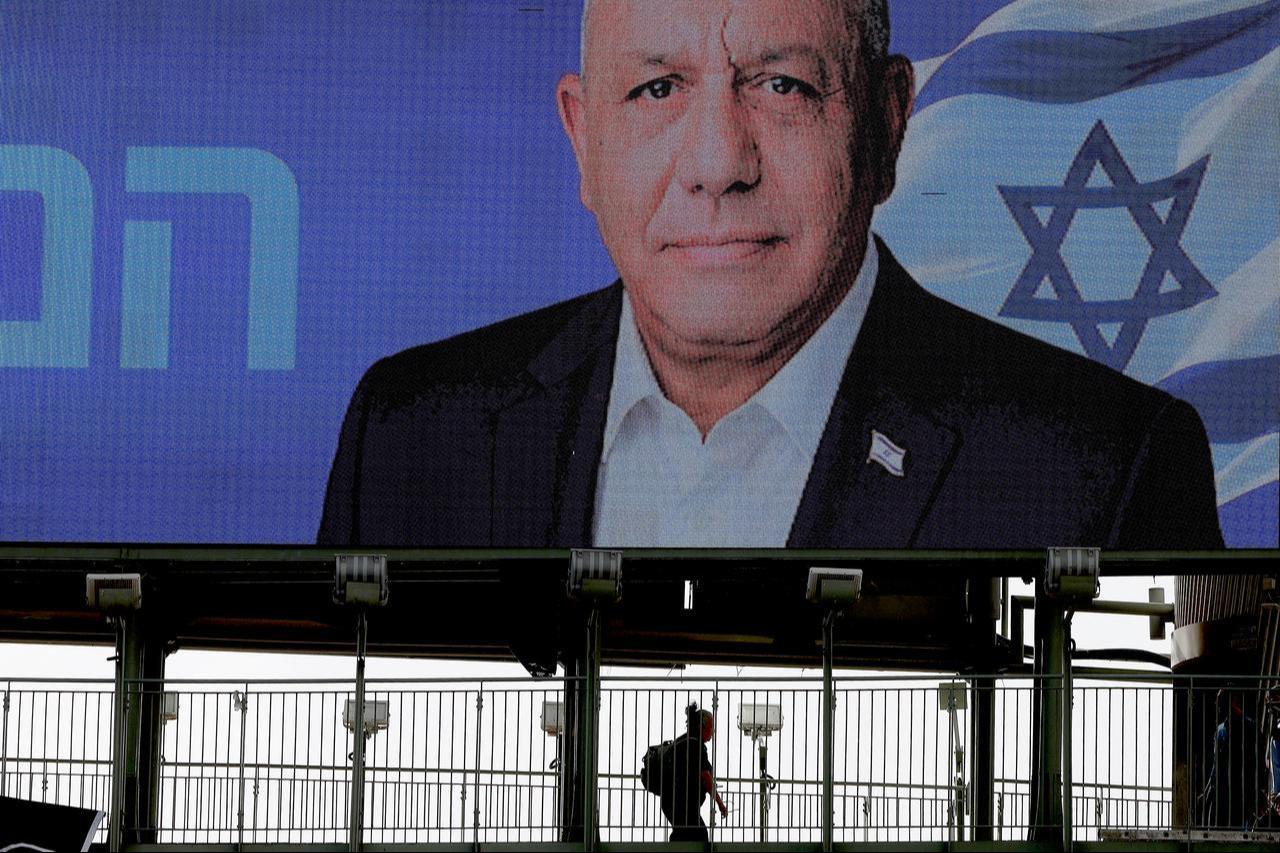
Meanwhile, opposition front-runner and former military chief Gadi Eisenkot leads most polls while calling the two-state solution "a mistake."
Three people spoke to Türkiye Today ahead of the vote: Haggai Matar, executive director of +972 Magazine; Rami Younis, a filmmaker and journalist; and Tal Schneider, political correspondent at The Times of Israel.
They differed on Netanyahu's record and Israel's future. Two of them agreed that replacing him would not mean a break on Palestinian policy.
Matar said the biggest misconception abroad is that Israel has two evenly matched camps offering different paths.
"I think, in essence, what people outside of Israel might be getting wrong about these elections is the thought that there are two camps opposing each other that are significant, that are perhaps equal in power, perhaps the opposition camp is slightly bigger according to the polls, but that they differ on issues such as how to treat Palestinians, what to do about the occupation, about regional wars and so on," Matar told Türkiye Today. "The reality is that they don’t."
Setting aside the Palestinian parties and "perhaps to a certain extent the Democrats," he said, "for everyone else it’s just different shades of right-wing politics." He estimated that "somewhere around 95 to 100 seats in the next Knesset out of 120 will go to right-wing parties."
Asked the same question, Younis said people outside of Israel wrongly assume "that there’s an actual opposition in Israel to Netanyahu’s policies."
"The others are just as bad because Israel is a state governed by a racist ideology rather than actual democratic values," Younis said, adding, "Since the genocide started, Israeli society has become even worse."
"The most ‘Leftist’ Israeli party is led by the former deputy to the Israeli military chief of staff who participated in the genocide and supported the disqualification of a Palestinian who was running within the Joint List," he said.
"Outside of Palestinians in Israel, the two million of us, there’s no real opposition to Zionism in Israel," Younis added. "So the elections for most Israelis are about ‘Bibi or no Bibi,’ not ‘peace or war.’"
Schneider pointed to a different blind spot: "That Israelis are still deeply traumatized by the massacre, the horrific murder of 1,200 people in just a few hours, many in their homes and beds, others at a music festival."
"The kidnapping of 251 people into Gaza is something that terrifies every Israeli living in this physically very small country," Schneider stated, adding, "So this election is taking place under the weight of the grief, trauma and disaster we experienced three years ago."

Matar called Eisenkot "the lead contender to replace Netanyahu," saying it is "not impossible" he could be sworn in as prime minister.
"He, for example, has really doubled down on trying to get right-wing votes in recent weeks," Matar said. "And to do that, he joined the campaign to delegitimize Palestinian representatives in the Knesset, to say that his government will not be supported by them, and also to kind of attack Netanyahu for having once, many, many years ago, said that he will support two states, something that anyone knows that Netanyahu won’t ever do."
Matar summed up Eisenkot’s pitch as: "Netanyahu will support two states, I will prevent a Palestinian state." He also cited a recent interview in which Eisenkot was "congratulating Itamar Ben-Gvir for the improvement he has done to prisons, which refers to essentially turning Israeli prisons into torture camps for Palestinians."
"So this is kind of the lead contender to replace Netanyahu, trying to outflank him from the right, which I think is first and foremost absolutely horrible and very depressing in terms of what the future government could be like," Matar said.
“But also just on a ... cynical and strategic level, I think is stupid because no one can beat Netanyahu at being the most right wing,” he added. “He has his right wing coalition. If basically what you’re saying is I’m going to be the same as Netanyahu, but more right wing than him, nobody’s going to buy that.”
Eisenkot’s own statements track that reading. He told a Channel 7 podcast on Oct. 11 that the two-state principle is a mistake. He has also pledged to end Hamas’ rule within 18 months of taking office, either through U.S. President Donald Trump’s framework or through military action.
Younis was blunt about Eisenkot’s Yashar party: “If you check out Eisenkot’s party, there are very few people who are either known or impressive there. Not to mention they’re all Zionist right-wing.”
Other opposition leaders also reject Palestinian statehood. Former Prime Minister Naftali Bennett opposes it and backs settlement expansion. Former Prime Minister Yair Lapid has voiced longer-term support for two states but has not committed to reversing settlement expansion. Avigdor Lieberman’s Yisrael Beytenu proposes dismantling the Palestinian Authority.
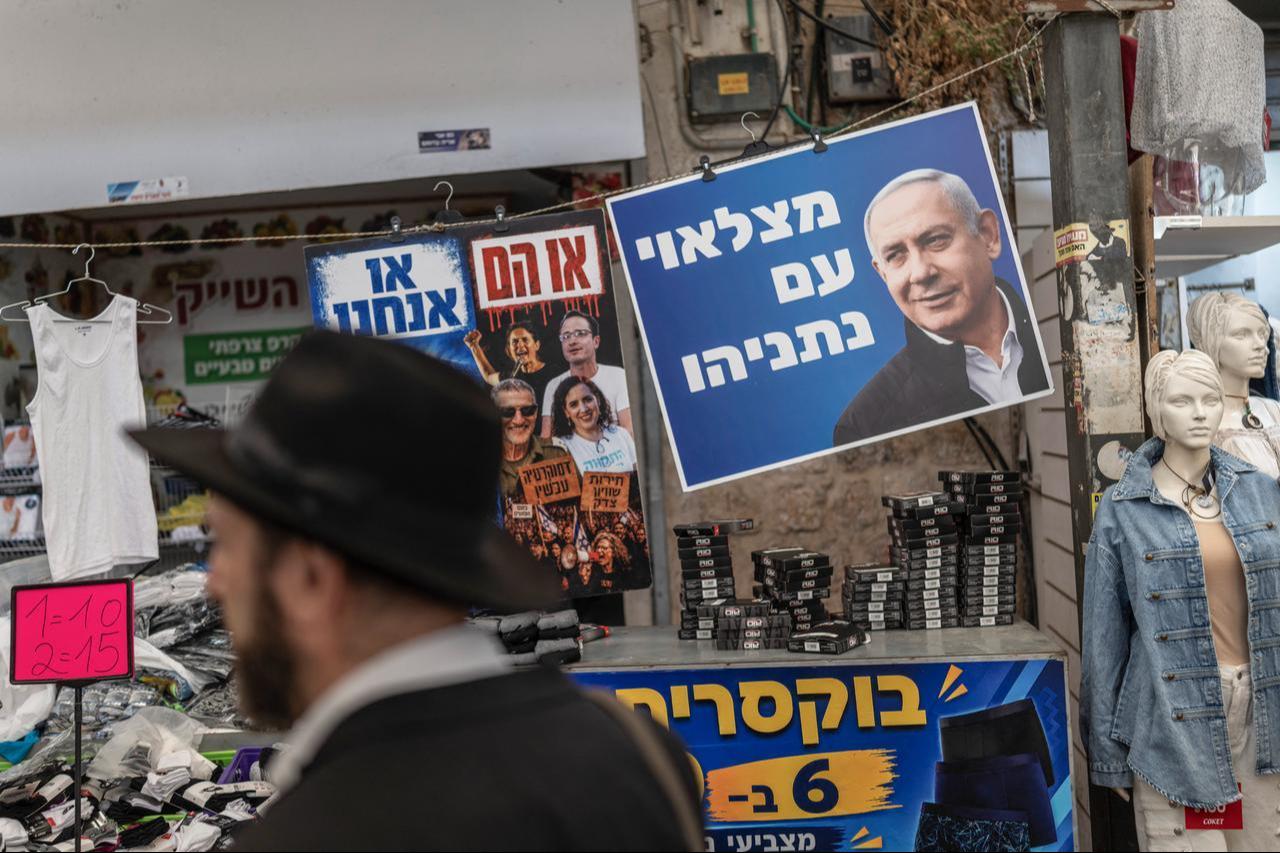
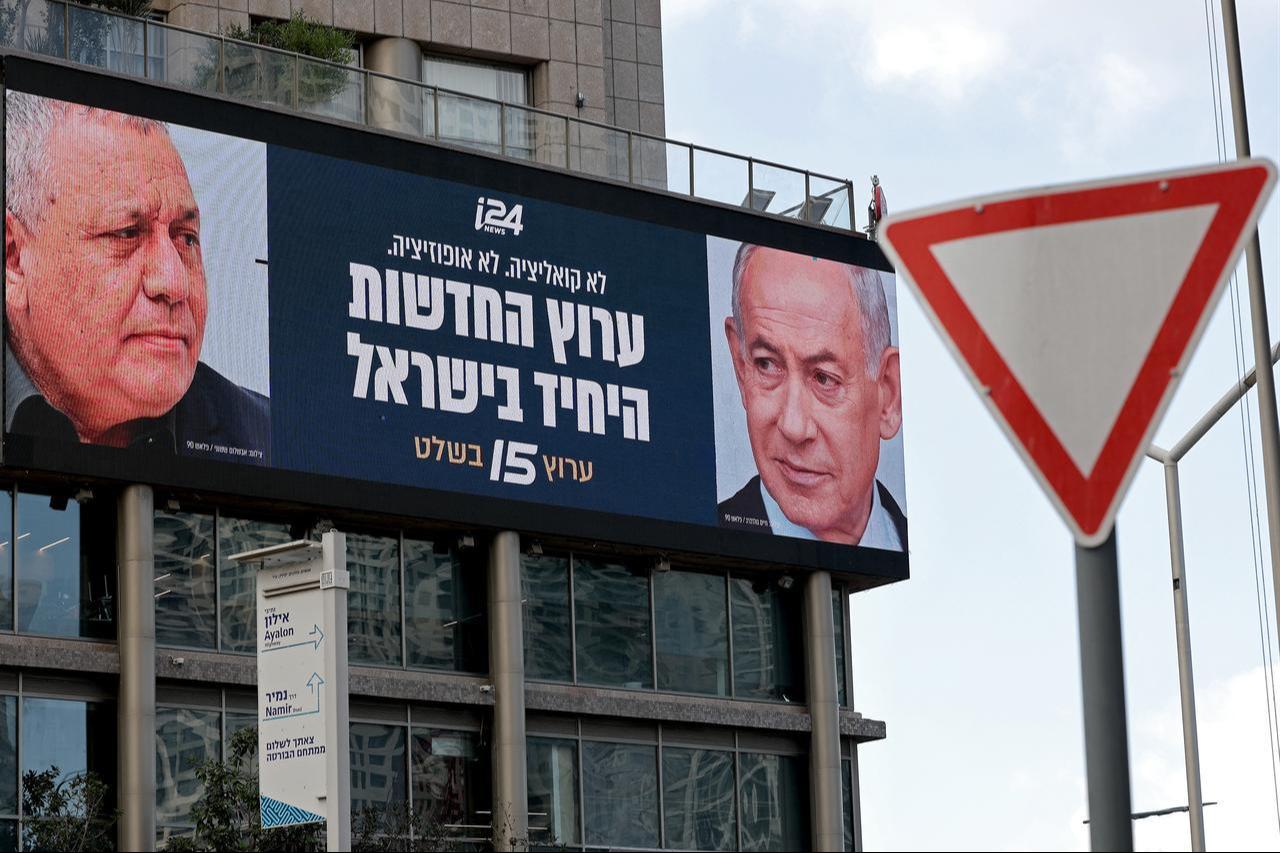
On the government side, Netanyahu’s far-right partners push annexation, settlement expansion and the displacement of Palestinians from Gaza and the occupied West Bank. They are led by National Security Minister Itamar Ben-Gvir and Finance Minister Bezalel Smotrich. Netanyahu’s camp has also hung “Right or Palestine” billboards across Israel, casting an opposition win as a path to a Palestinian state.
Netanyahu faces corruption, bribery, and breach of trust charges in three cases, which he denies. He has also been wanted by the International Criminal Court (ICC) since 2024 over alleged war crimes and crimes against humanity in Gaza.
Schneider said the trial will not decide the race.
"Netanyahu is not running against a verdict, because the trial is still far from over. It has been going on for years, and the longer he manages to drag it out, the weaker the prosecution and the judges become in terms of their ability to affect his political standing," she said.
"As for Eisenkot, he is clearly Netanyahu’s challenger. But we’ve seen Netanyahu beat almost everyone he has faced in election campaigns. There is no way to know whether he will beat his opponent again this time," Schneider noted.
Younis said Netanyahu is playing not to lose rather than to win outright.
"Netanyahu is running in order not to lose and impose another round like he did in the past. Seven years ago he was able to drag the country to five rounds of elections," he said.
"His best chance is to achieve the same and keep a temporary government that will continue the ethnic cleansing and enhance its assault on the Israeli Supreme Court and the entire judicial system so it bends to his will," Younis said.
"Israeli public is split on this, but if you include the Palestinians in Israel, you’d see there’s around 60-70% of Israeli citizens who oppose Netanyahu and his government," he added.
Matar rejected the idea of a crisis.
"Actually, now we spent four years under one government that was super stable. We’ve not had government this stable in ages," he said, adding, "So in that sense, we’re not in a political crisis, but yes, there is a good chance that after the elections, neither the Netanyahu bloc nor the anti-Netanyahu bloc would be able to form a stable government."
Schneider also rejected the "sixth election" framing, saying, "I would separate the two periods. Those five elections took place between 2019 and 2022. Four years have now passed, which is a normal gap between elections in a democracy."
"So I wouldn’t describe this as the ‘sixth election’ in the same cycle," she noted.
"Whether anyone will manage to form a government afterward is a big question. We’ll have to wait and see," Schneider added. "President Herzog said today, Monday, that he would do everything he could to make sure a government is formed after the election."
Younis disagreed. "Israel has been on the verge of a civil war because of this, and I do believe that if it weren’t for Oct. 7, and all the wars and genocides that followed, they’d be neck deep in an actual civil war by now," he said.
"Israel is in a deep crisis," Younis added.
Matar outlined several scenarios.
"What could happen then is potentially another round of elections and we get caught in another cycle like we had about five, six years ago, where yes, there’s like an election every few months," he said.
Alternatively, he said, the opposition could form "some kind of surprising new coalition" in one of two ways. It could partner with the ultra-Orthodox parties, or it could accept support from the two Palestinian-led parties despite its stated position.
Matar also described an "in-between scenario." A Knesset without a new government could still pass bills with a majority made up of the Jewish opposition and the Palestinian parties. "They would prevent someone who’s facing criminal charges from becoming prime minister and/or would prevent anyone serving for longer than so-and-so years or terms," he said.
"And if that happens, that will deeply influence what the following elections would look like," Matar said.
He described a later round in which Netanyahu "cannot run and aim to be prime minister." That, he said, could "shuffle the entire political deck of cards," possibly leading to a unity government between the right-wing opposition and the right-wing coalition.
If no government is formed, the current one would stay on in a caretaker role until a new coalition emerges, and Israelis could face another election months later.
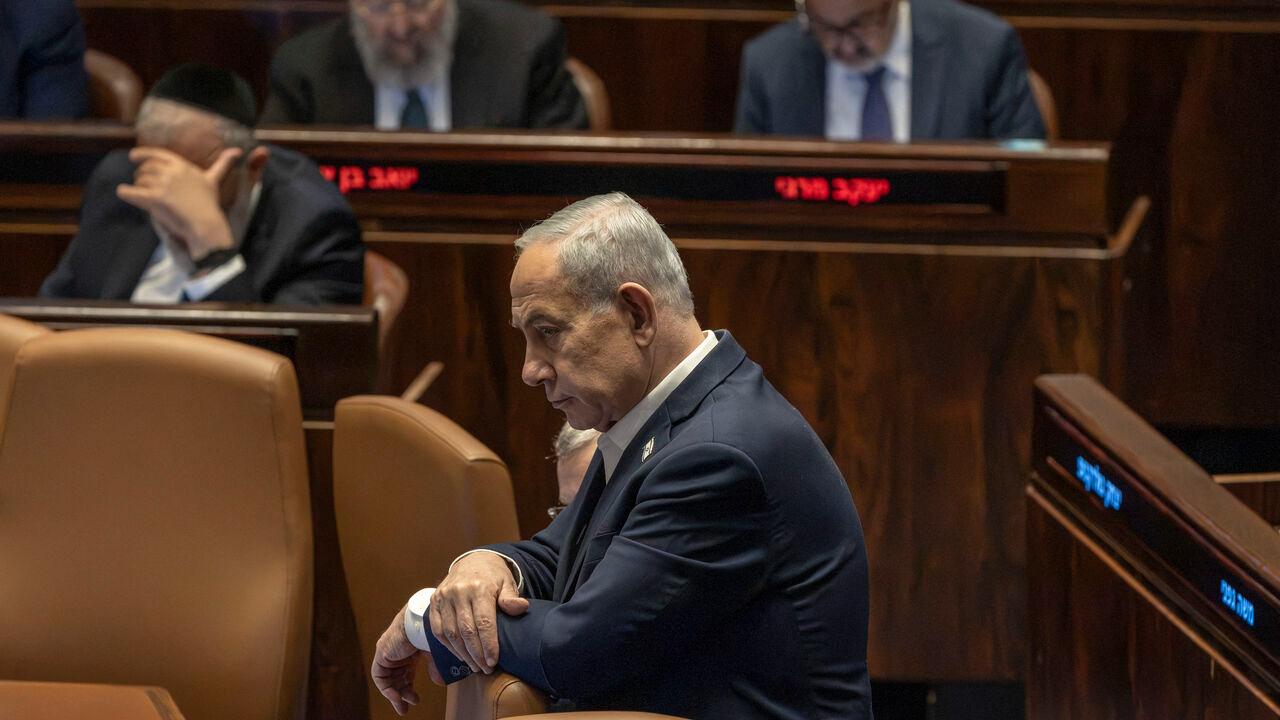
Schneider voiced concern about emigration. "I worry that if Netanyahu wins this time, even after the disaster of Oct. 7, some people who oppose the government will choose to leave Israel," Schneider said.
"We don’t have concrete data to support that, but Israel’s population is becoming more religious and conservative. Some liberal and secular Israelis may feel there is no longer a place for them here," she added.
On the region, Schneider said: "A change of government could clearly bring a new direction in Israel’s relations with countries in the region. But we also need to understand that, for Israelis, protecting the borders, ensuring security and dealing militarily with terrorist groups in Lebanon, Gaza and Syria are more urgent and immediate priorities."
Younis saw no shift ahead. "You have to understand that most Israelis are completely disconnected from reality. It is truly uncanny and depressing to watch, but almost the entire Israeli society believes they are the biggest victim on earth," he said.
"That’s not going to change with the new Israeli government," Younis added.
"Israel will continue to be globally isolated, and it’ll get worse for them, even if Ben-Gvir and Smotrich will end up outside of the government," Younis said, adding, "Nothing will fundamentally change in Israeli policy towards other nations in the region."
Matar said he has "limited hope considering the positions of the politicians running for the elections right now." He sees change coming only with outside pressure, "especially if there’s increasing international pressure, especially with a Democratic president in the White House in 2028." Then, he said, "Israelis will understand that using more and more military force and committing war crimes and instigating wars and so on does not lead to more security and does not allow Israel to prosper."
"And that actually maybe we need to think about negotiations, we need to end the occupation and oppression of Palestinians, ending the apartheid regime, and guaranteeing safety, security and justice and liberation to Palestinians and to Israelis through negotiations and peace," he stated, concluding, "I think that is something that might happen if there’s enough outside pressure, but right now does not seem to be the case with Israeli public opinion."
For capitals around the world, the analysts' warning is that a change of face in Israel may not bring a change of policy. Matar pointed to "parts of liberal Western circles" that expect "that once Netanyahu is removed from power, we will see a significant change in Israel’s attitude towards Palestinians and the region, that’s actually quite unlikely."
"And I think that should educate the way in which foreign governments think about holding Israel to account," Matar said, adding, "Even if there’s a new government, it should not be benefiting from this perspective of Netanyahu is out, let’s give this new government a chance. No, they’re very outspoken."
Whatever the Israel election produces on Oct. 27, Younis had a short answer when asked what would break first if nothing changes: "War. Doesn’t matter with whom."


 Set as preferred source
 Set as preferred source


 1 min read
 1 min read