Newsletters


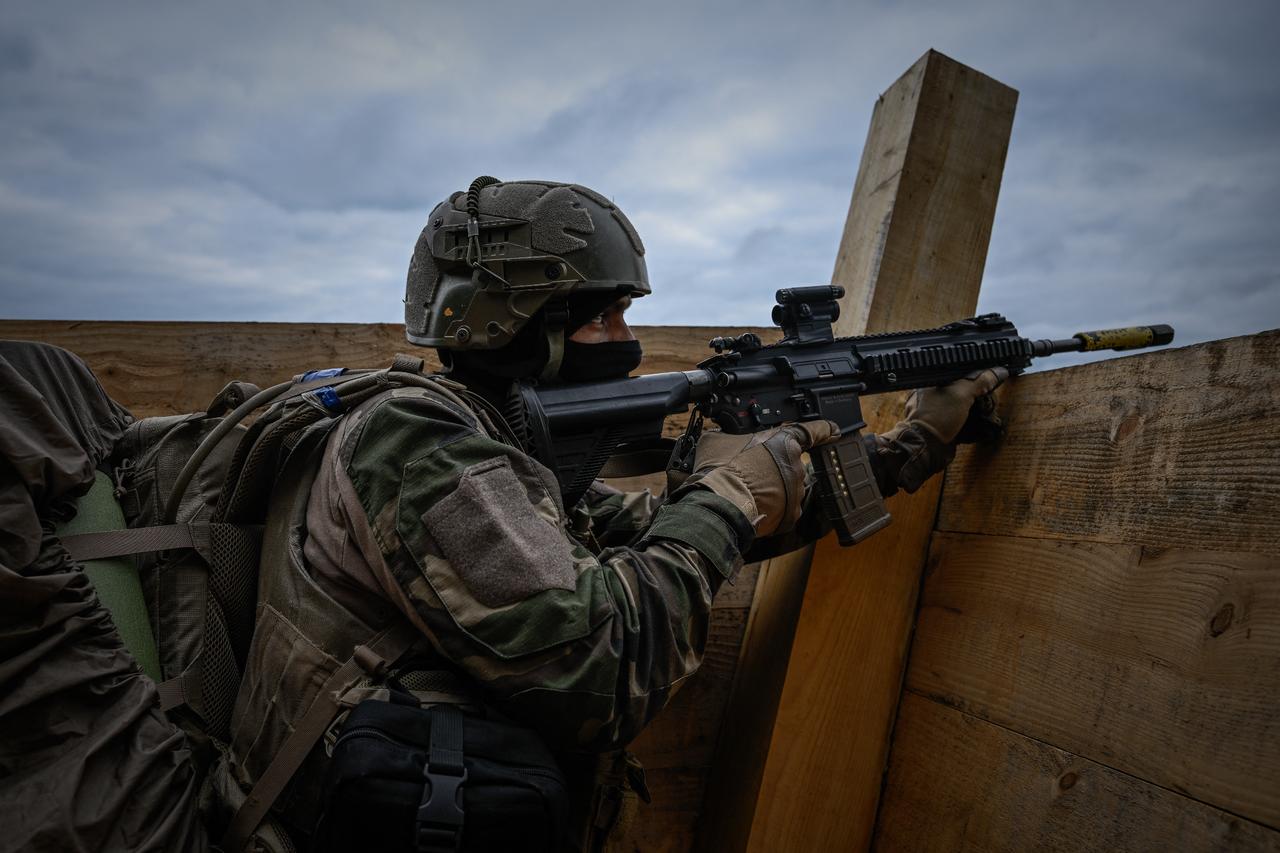


France will send soldiers, radars and defense systems to protect Saudi Arabia's Yanbu oil terminal from Houthi attacks, French President Emmanuel Macron said Thursday, as Saudi forces intercepted Houthi ballistic missiles aimed at the port.
The Saudi-led coalition said it downed six ballistic missiles, thwarting attacks on Taif and Yanbu, after alerts sounded across several regions, including Mecca.
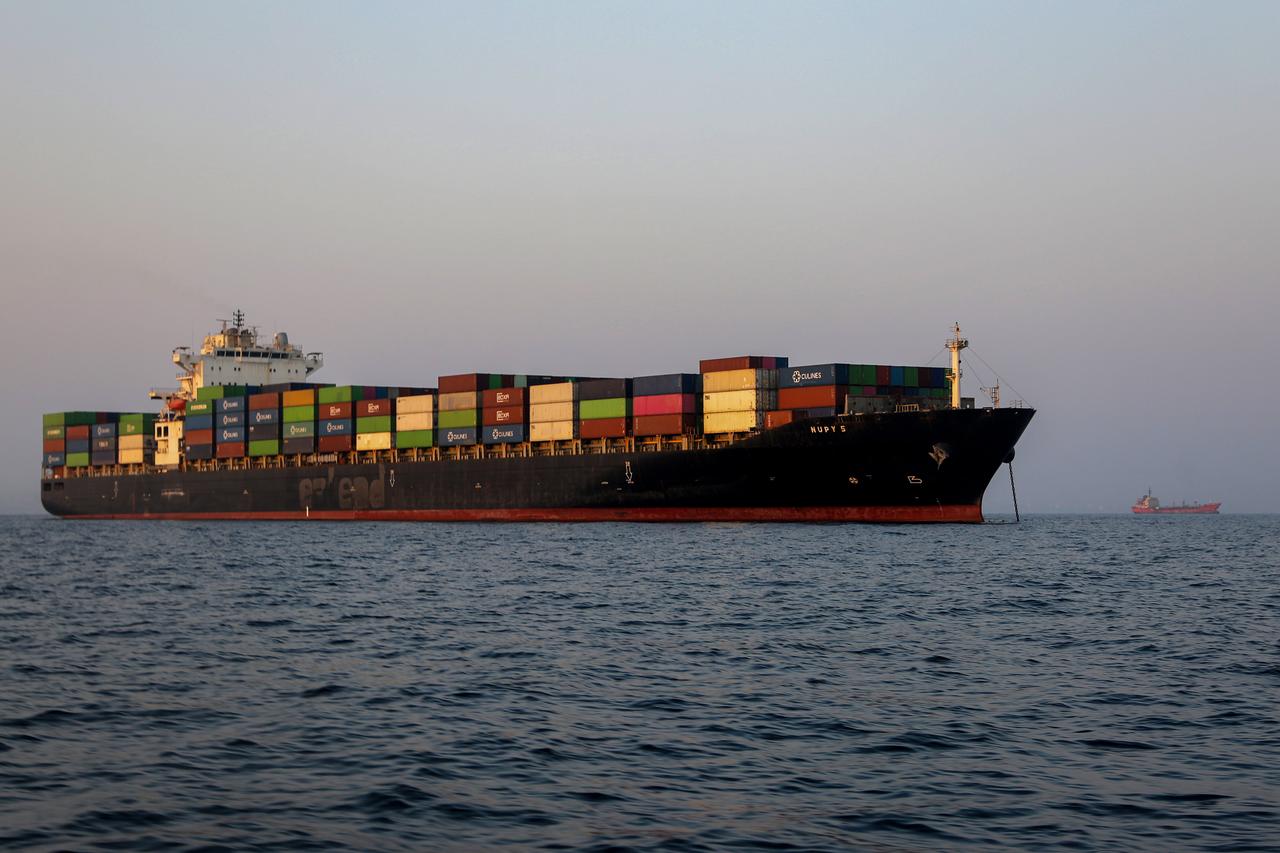
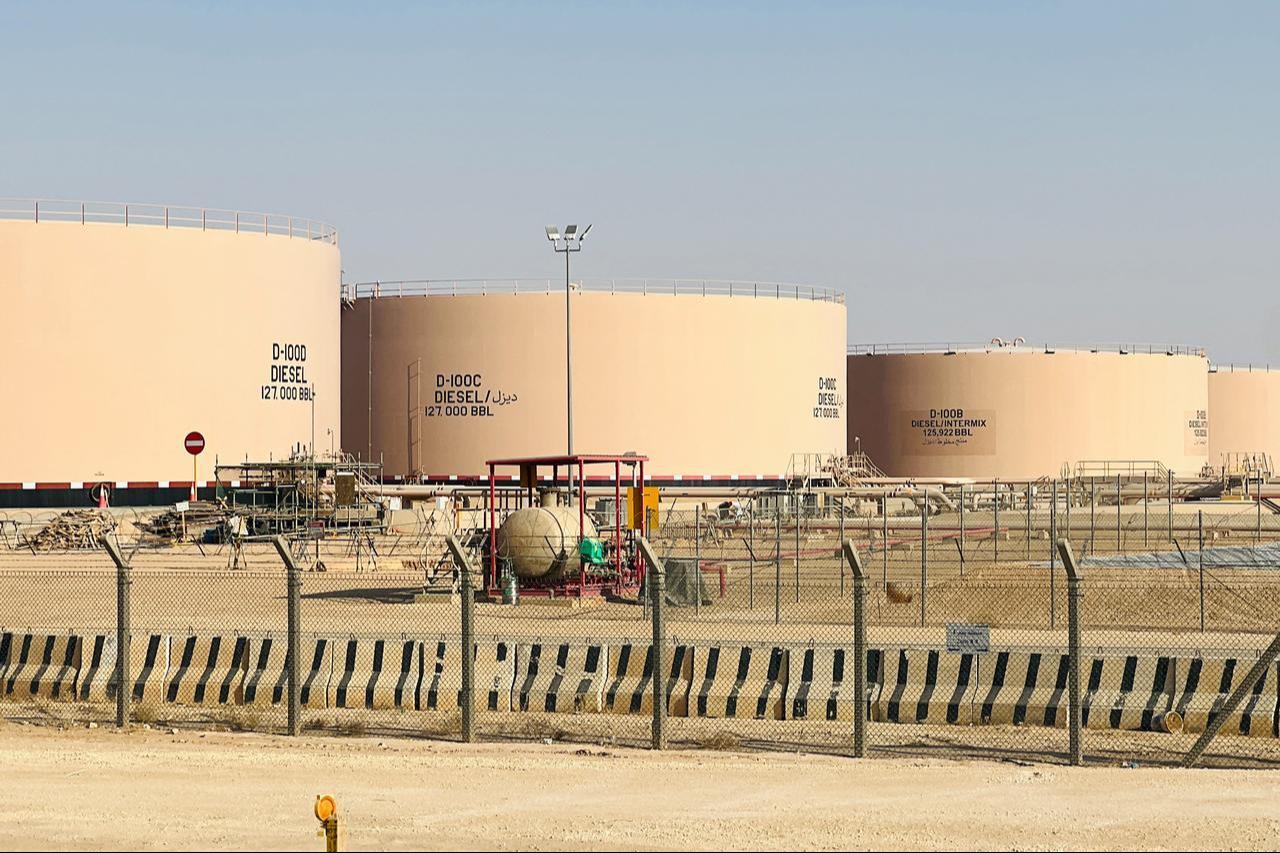
Yanbu is Saudi Arabia's primary crude export terminal on the Red Sea.
The kingdom has relied on it to ship oil since Iran blockaded the Strait of Hormuz at the start of the Middle East war, and the Houthis have attacked facilities belonging to Saudi oil giant Aramco there.
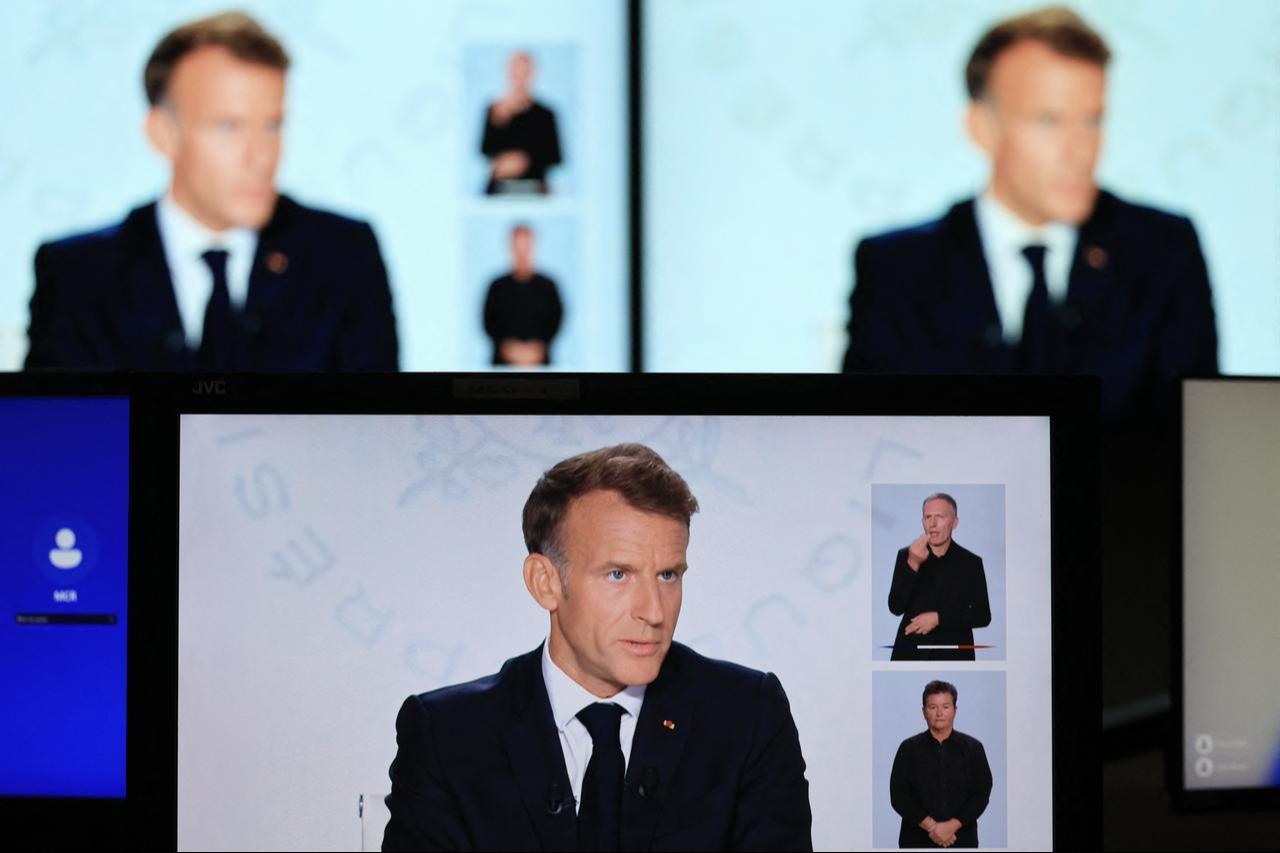

Macron announced the deployment during an evening news interview with TF1 and France 2.
"We are going to send military assets, meaning soldiers, radars, and defense systems to protect this site," he said.
"Today, we finalized this discussion with the Saudis," Macron said.
The site serves as a route for "several million barrels" of oil and was "badly damaged by an attack," he said.
Macron stressed that French troops would not take part in combat.
"Not to engage ourselves in any conflict, but to protect this site," he said.
The coalition, which has backed Yemen's government against the Houthis since 2015, said the intercepted missiles were headed for Taif and Yanbu.
"Escalations and violations by the terrorist Houthi militia will be dealt with firmly," coalition spokesman Turki al-Maliki said on X.
Saudi Civil Defense earlier issued brief alerts for Mecca, home to Islam's holiest sites, as well as Yanbu, Taif, Jeddah and Tabuk. The alerts were lifted minutes later.
In recent weeks, such alerts have often preceded Houthi attacks.
The Houthis claimed late Thursday to have targeted Aramco infrastructure in Yanbu and an unnamed site in Riyadh. The group also claimed a barrage of ballistic missiles and drones on command centers and weapons depots in southern Saudi Arabia, saying Yemeni and Sudanese fighters and Saudi personnel were killed and injured.
Last week, Riyadh accused the Houthis of targeting Mecca with a drone for the first time since 2017. The drone was downed, and the Houthis denied the accusation. Days later, the group attacked Riyadh, its first attack on the capital in years.
Macron said France is seeking to reopen the Strait of Hormuz through diplomacy, including talks with "the Iranians" and "the Omanis."
"There is the conflict with Iran, that's one thing; there are the discussions on the Iranian nuclear program that must be held because global security is at stake, but we must try to set the Hormuz question apart," he said.
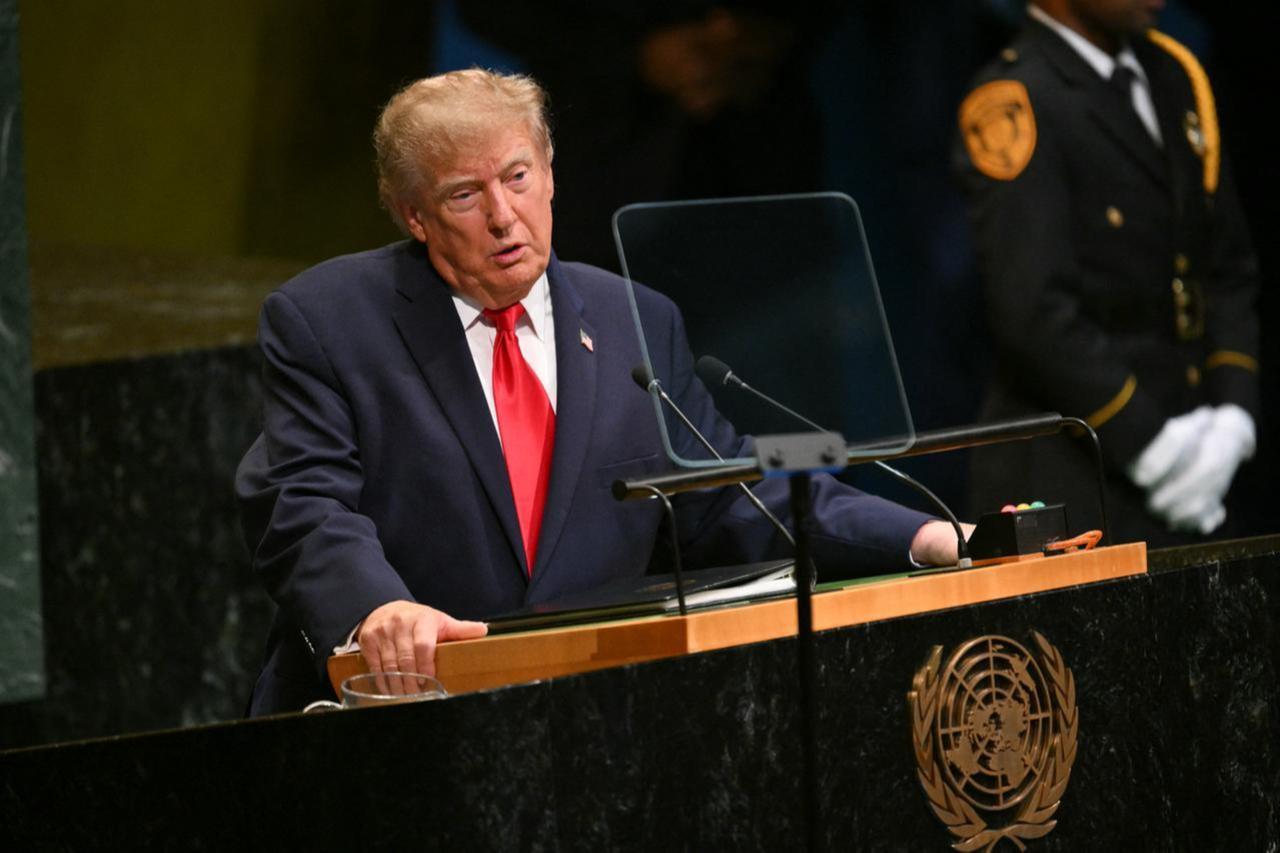
Macron also criticized reports that U.S. President Donald Trump's administration is preparing a 90-day diesel export ban.
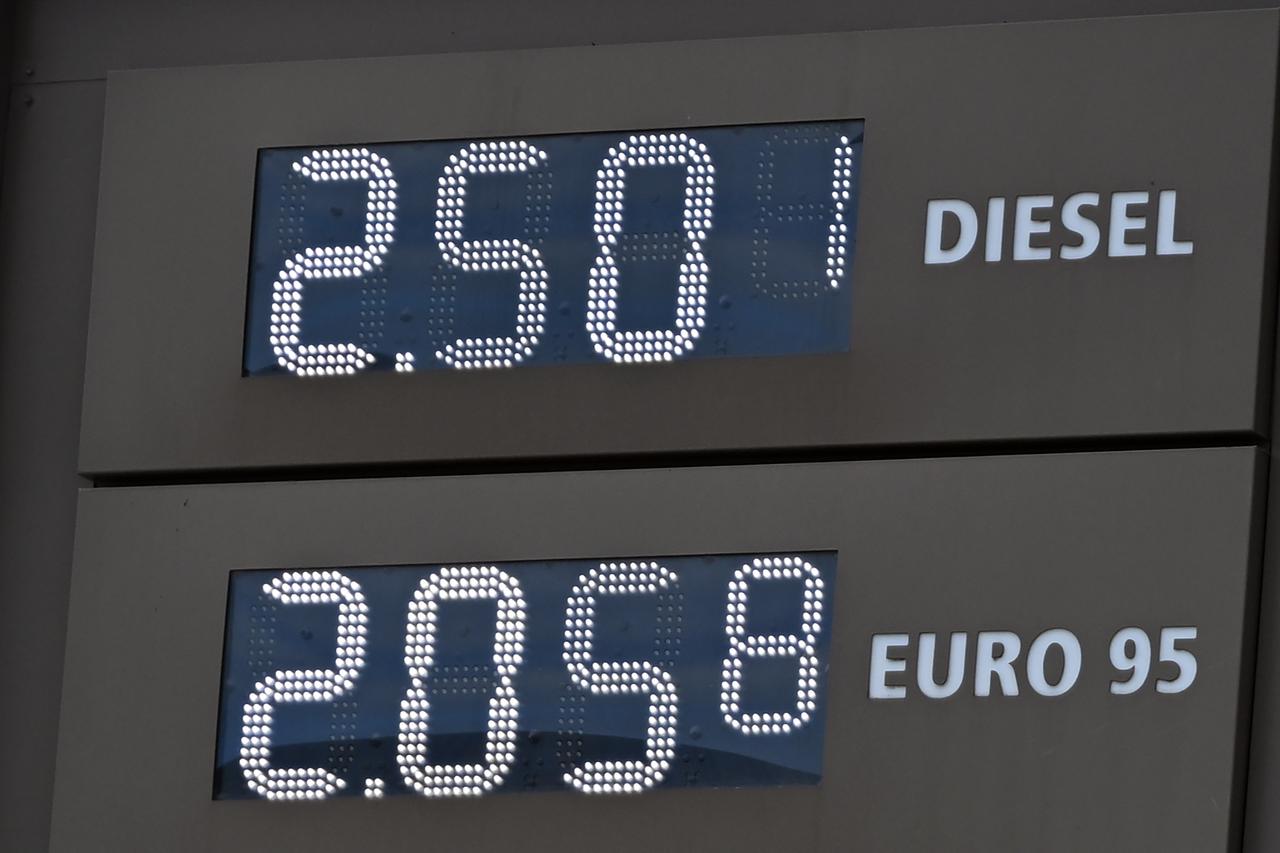
"We are not directly dependent (on diesel from the U.S.). But such a decision would have an impact and would raise global diesel prices. So it is bad," Macron said.
Asked whether he had shared this view with Trump, Macron replied, "Yes." Asked whether he had received a guarantee that Trump would not take the decision, he said, "We never have guarantees on that."
Macron said he would propose a coordinated response among major economies.
"Between major countries, between major economies, what we call the G7, to get us around the table, around a screen," he said.
The goal would be to consider whether to "release what we call strategic stocks, but in a coordinated way," Macron said, adding, "It will put a little more volume on the market, it will bring it down."
France's natural gas stocks will be 80% full in the coming weeks, and oil stocks are already available, he said.
Macron said fuel prices would fall quickly if the situation in the region improves in the coming days, stressing that such outcomes do not depend on France.
"Throughout this process, the government is acting to help the economic sectors most in need," he said, as French forces prepare to deploy to Yanbu.


 Set as preferred source
 Set as preferred source


 3 min read