Newsletters


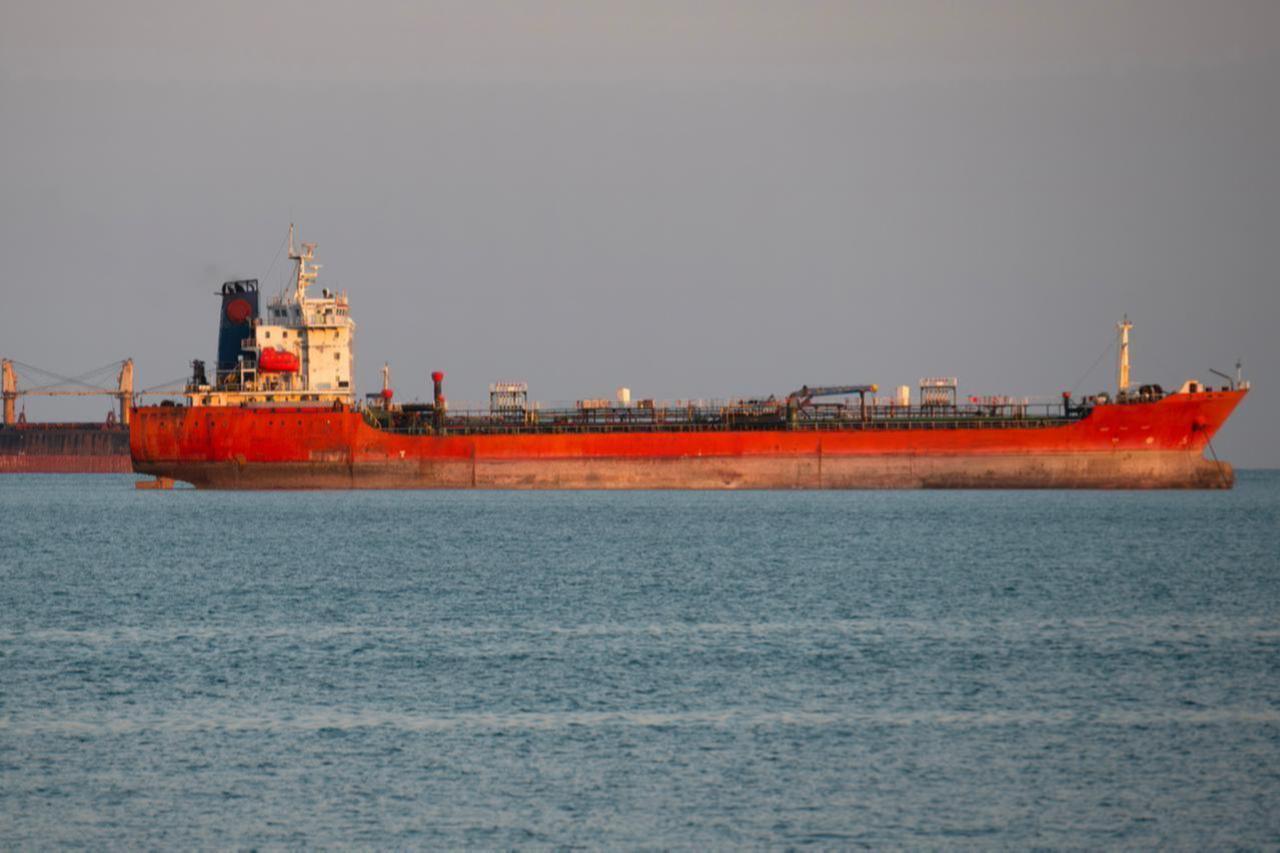


Iran's Islamic Revolutionary Guard Corps (IRGC) reported Thursday that two oil tankers and a tugboat caught fire in separate incidents in the Strait of Hormuz, accusing the vessels of attempting to use unauthorized routes through the strategic waterway.
In the first incident, a large oil tanker struck a mine while attempting to cross a passage south of the strait, bringing the vessel to a halt, Iran's Fars news agency reported.
A second incident involved a supertanker that caught fire while leaving the eastern part of the Strait of Hormuz. A tugboat that approached the vessel to help extinguish the flames also caught fire, according to the Iranian media.
The report follows earlier incidents after the IRGC claimed that four oil tankers had been destroyed after striking naval mines while attempting to cross a prohibited shipping lane south of the Strait of Hormuz. It also reported detaining two other vessels for violating Iranian shipping restrictions.
A day earlier, the IRGC Navy reported that three oil tankers had struck naval mines and caught fire after entering unauthorized routes. The Guards alleged that the vessels had switched off their navigation and identification systems before attempting to cross the waterway.
The tankers were reportedly abandoned near the southern shores of the strait, with the resulting fires illuminating its eastern section throughout the night, according to a statement carried by the Tasnim News Agency.
The IRGC has repeatedly warned that vessels ignoring Iranian navigation regulations and cooperating with the U.S. military to use unauthorized shipping routes could face similar incidents. Tehran maintains that its restrictions have been communicated to maritime operators through radio broadcasts and official naval notices.
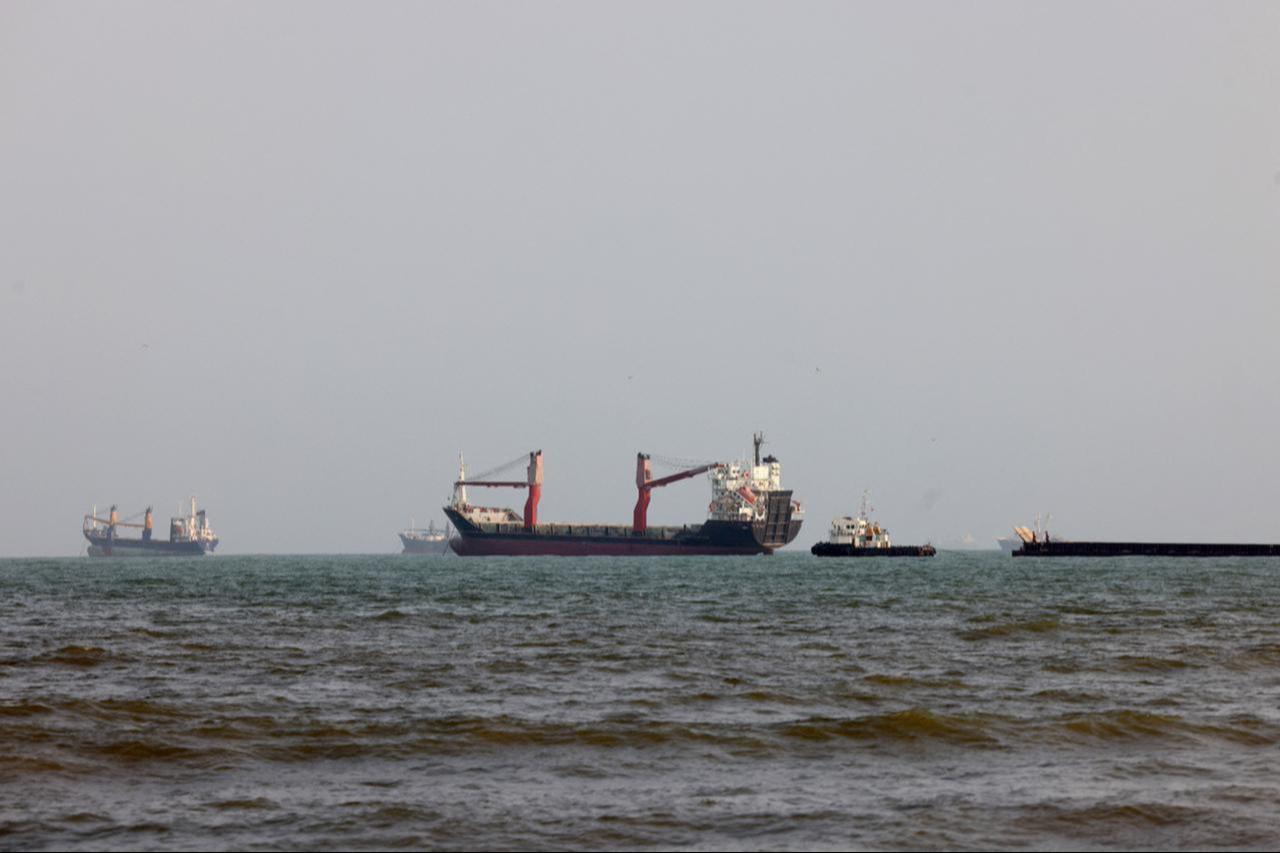

Iran's restrictions on maritime traffic have turned the Strait of Hormuz into a major military and economic flashpoint since the war with the United States and Israel erupted on Feb. 28.
The strategic waterway normally carries about one-fifth of global oil consumption, making any disruption to shipping a major concern for energy markets and countries dependent on Gulf crude supplies.
Washington has responded with a counterblockade on Iranian ports while deploying military resources to help commercial vessels navigate the strait and maintain exports from other Gulf countries.
U.S. Central Command (CENTCOM) reported Oct. 25 that American forces had helped Gulf partners export more than 1.5 billion barrels of crude oil through the waterway since the summer.
It also reported that more than 3,000 commercial vessels had transited the strait with U.S. military support over the preceding six months, with more than 95% of ships navigating the route sailing through safely.
The U.S. military also denied Iranian claims that key shipping lanes remain dangerous, asserting American forces had cleared the internationally recognized primary transit routes of Iranian naval mines.


 Set as preferred source
 Set as preferred source


 1 min read
 1 min read