Newsletters


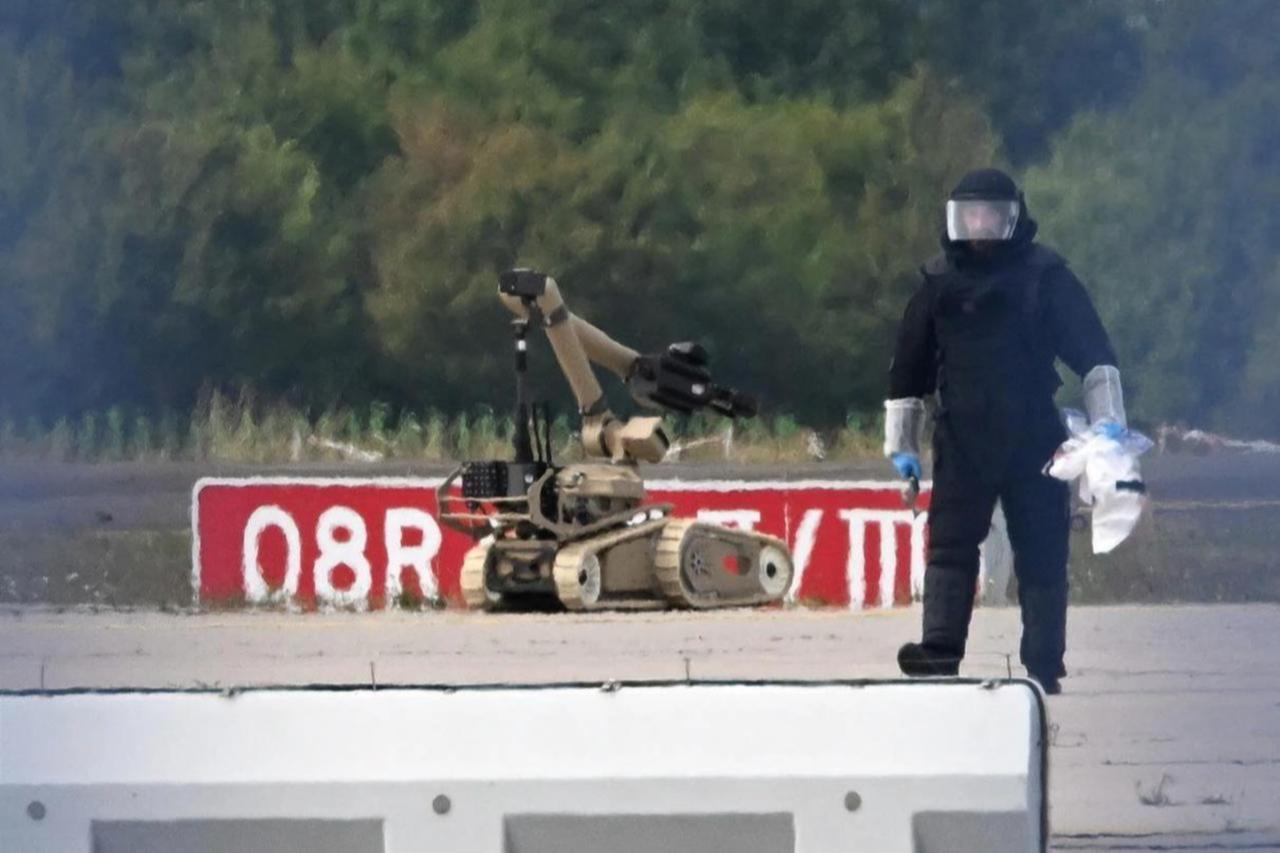


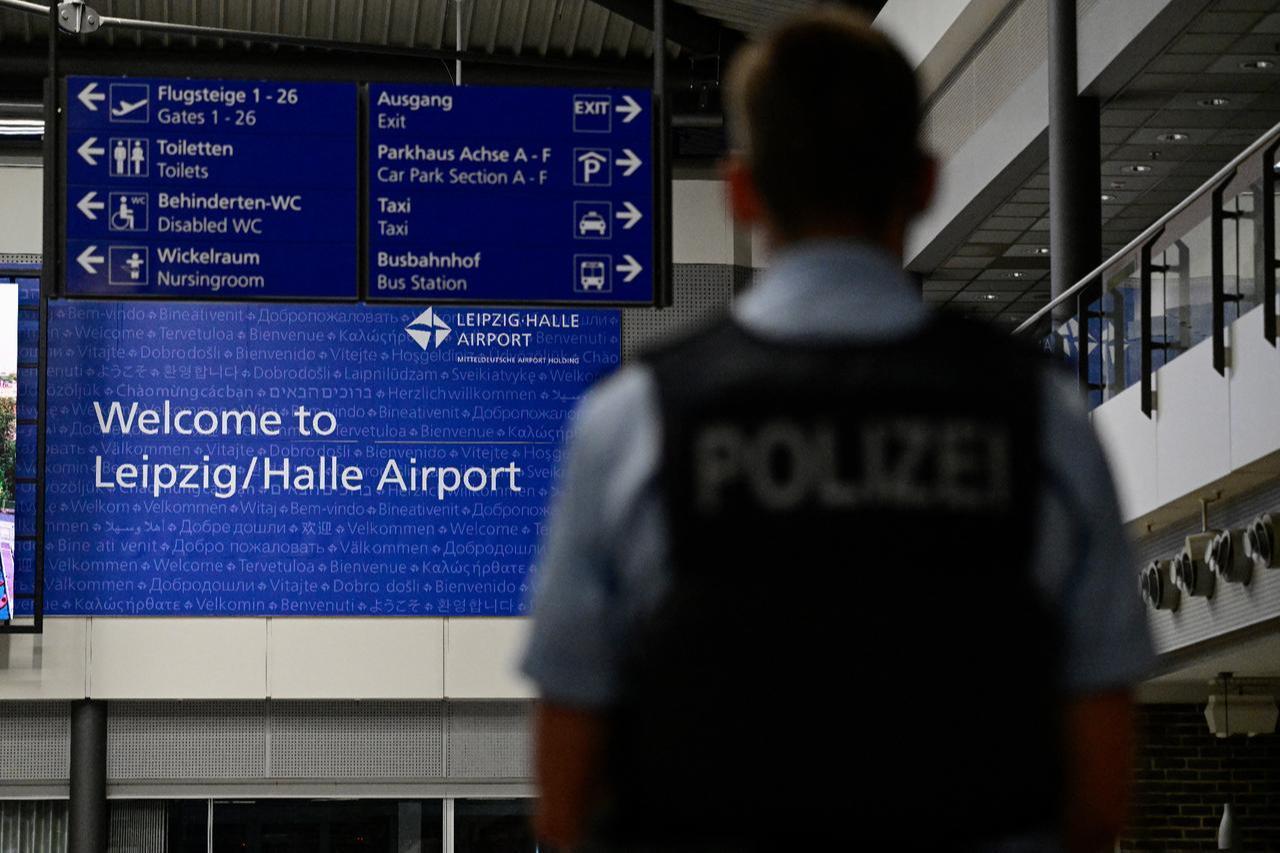
Germany's government on Tuesday formally accused Russian intelligence services of orchestrating an attempted drone attack at Leipzig Airport last month, announcing the closure of Russia's consulate in Bonn, the termination of a Berlin cultural center's operating agreement, and a series of new sanctions and entry restrictions.
Interior Minister Alexander Dobrindt told reporters in Berlin that investigators had concluded the plot was planned by Russian intelligence services and executed by low-level operatives.
He said the equipment involved, including the drone's configuration, its components, explosives and ignition systems, matched patterns seen in other Russian hybrid operations across Europe.
"An overall assessment of the attempted attack ... fits into the known pattern of Russian hybrid operations in Europe," Dobrindt said, adding that intelligence findings pointed to individuals acting on behalf of Russian state entities.

Foreign Minister Johann Wadephul, appearing alongside Dobrindt, said he had summoned Russia's ambassador to formally protest and inform Moscow of Berlin's response.
"The Russian Consulate General in Bonn will close on Sept. 18," Wadephul said, adding that the agreement governing the Russian House in Berlin, a Soviet-era cultural center long regarded by Western officials as a possible front for intelligence activity, was being terminated.
Wadephul said Germany had briefed its European Union and NATO partners on the decisions and had secured their backing. He said Berlin would push for new EU sanctions listings targeting Russian individuals over hybrid attacks, tighten entry controls for Russian nationals, and increase pressure on what he called Russia's "shadow fleet."
NATO Secretary General Mark Rutte said the alliance stood in full solidarity with Germany, describing the Leipzig incident as a Russian hybrid attack and saying he had discussed it directly with Chancellor Friedrich Merz.
"The evidence is clear," Rutte wrote on the social media platform X, welcoming the measures Berlin had announced. He said NATO would continue strengthening its ability to deter and defend against what he termed "malign actions" targeting alliance members.
"Russia's attempts to intimidate us, to undermine our unity and our willingness to support Ukraine are futile and will fail," Rutte said, reaffirming what he called NATO's "unwavering" support for Ukraine and "ironclad" commitment to collective defense.
German authorities said last week that the attempted attack, which targeted a Ukrainian Antonov cargo plane at Leipzig Airport, was more serious than initially reported. Officials said the drone involved had been rigged with explosives and that investigators now believe multiple drones, rather than a single device, were used in the plot.
The newspaper Welt am Sonntag also reported that the discovery of a weapons cache near Berlin had hardened the government's stance toward Moscow. Germany's domestic intelligence agency, the BfV, assessed that the cache had been stashed for Russian operatives who could be directed by Moscow to carry out assassinations, according to the report.
The Russian Embassy in Berlin had not issued a statement on the allegations. Moscow has previously denied involvement in acts of sabotage, espionage or planned assassinations in countries supporting Ukraine, accusing Western governments of fueling what it has called "anti-Russian paranoia."


 Set as preferred source
 Set as preferred source


 1 min read
 1 min read