Newsletters


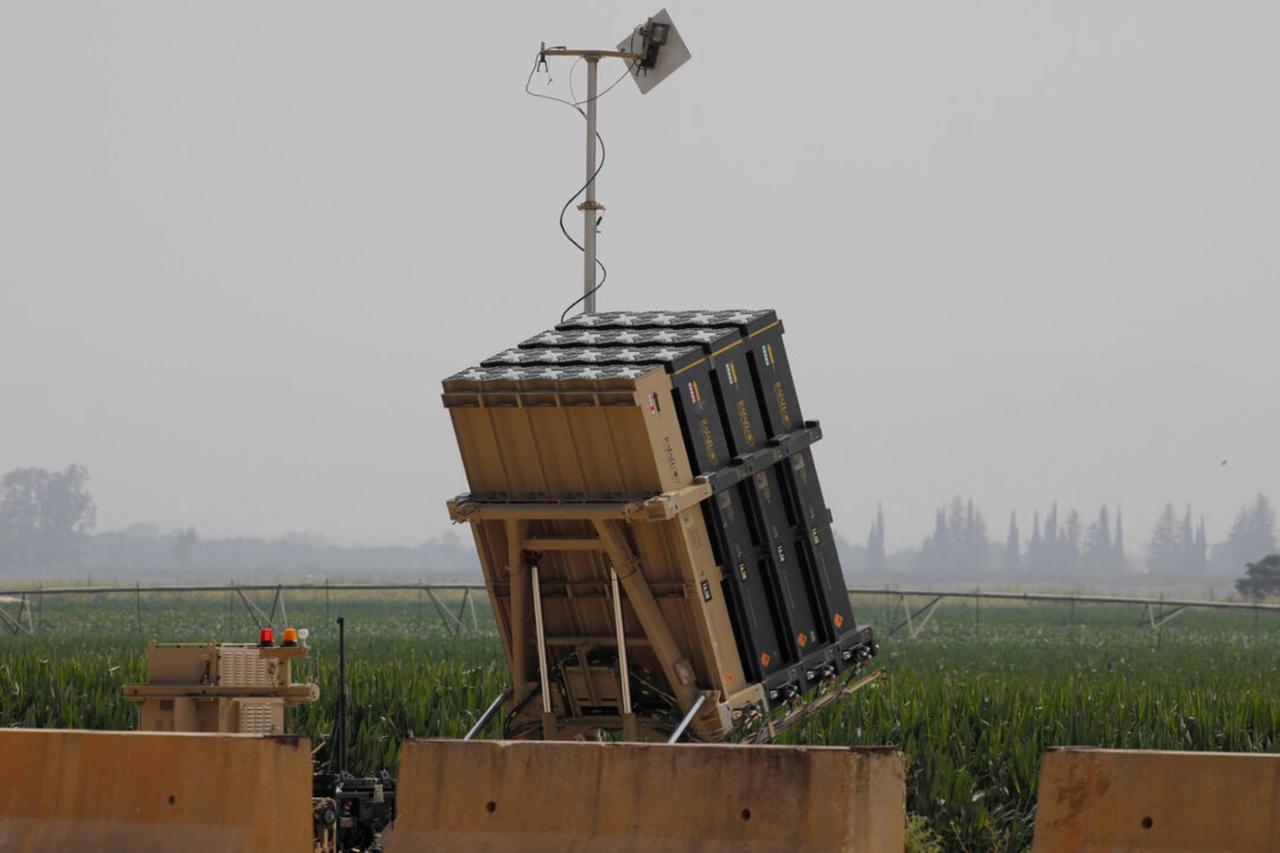


Greek newspaper Documento published an investigation linking Israel Aerospace Industries (IAI), a key contractor behind Greece's planned "Achilles Shield" air and missile defense system, to Cytrox, the company that developed the Predator spyware at the center of Greece's illegal wiretapping scandal.
In a report headlined "Shield for Russia, Not Türkiye," Documento examined the Achilles Shield project through the lens of the Israeli companies' history, control over the system's source code, and Greece's growing technological dependence on Israel.
The report said IAI held a 31% stake in Cytrox in 2017, the year the company developed the Predator spyware, and had a representative on Cytrox's board.
The Greek media outlet said Cytrox later became part of the Intellexa network linked to former Israeli intelligence officer Tal Dilian and that Predator was at the center of the scandal in Greece involving the surveillance of politicians' and journalists' phones.
The newspaper argued that IAI's history warrants further scrutiny given its role in Greece's multibillion-euro air defense project.
Military sources cited in the Documento report said the critical part of Achilles Shield, comprising sensors, interceptor systems and the command-and-control center, would have its "keys" remain in Israel's hands.
"The government has managed to make us dependent on Israeli diplomacy," the sources who spoke to Documento said.
The same sources noted that even the United States never purchased the system, saying this was partly because Washington could not fully control it and partly because Israel would not hand over the critical technology in its entirety.
The Greek media outlet said this comparison raised further questions about how much authority Greece would ultimately have over the system's source code and command-and-control infrastructure.
Former Ambassador Vasilis Bornovas, cited in the report, said access to source code is a central issue in the procurement of similar weapons systems generally.
Bornovas argued that not all elements of Achilles Shield are aimed directly at Türkiye, saying a significant part of the system was designed with Russia and "a potential threat from the north" in mind.
He said that Türkiye and Israel have maintained relations since 1948, that current tensions between Ankara and Tel Aviv may not be permanent, and noted that both countries possess strong militaries.
Themis Tzimas, a law professor at the University of Nicosia, criticized the process by which a defense agreement of Achilles Shield's scale was advanced without sufficient public disclosure, calling it a case of "the dissolution of national defense."
The news site 902.gr, affiliated with the Greek Communist Party (KKE), separately reported that the Achilles Shield system could expose Greece to new risks rather than strengthening its security, noting that Israeli officials had conducted a detailed survey of Greek military infrastructure to determine where the system's components would be deployed, giving Israel, in the outlet's assessment, extensive knowledge of Greece's critical military facilities.
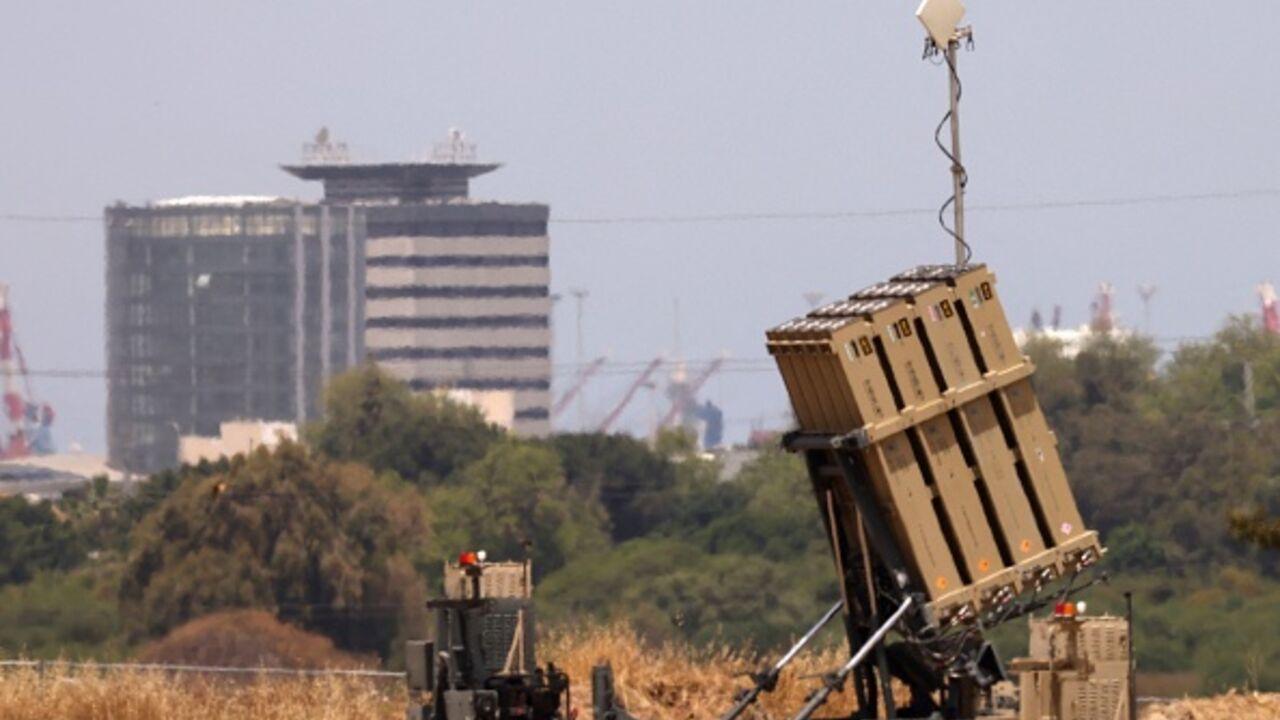

The Documento report follows earlier confirmation from Moshe Patel, director of the Israeli Missile Defense Organization, that Greece will not receive the source code for Achilles Shield's command-and-control system, a disclosure that triggered criticism from Greek opposition parties and press outlets.
Asked by Kathimerini whether Greece would have access to the source code, Patel said, "No. Because the source code was not included in the usage license of the agreement. However, I repeat, we are there to provide support and maintenance, as well as any kind of help and whatever else may be needed in the future."
Greek Defense Minister Nikos Dendias had said in July that procurement of systems for the Greek Armed Forces would not proceed without source code access, telling reporters, "Becoming 'hostages,' be it even to the friendliest foreign country or ally, is absolutely impossible."
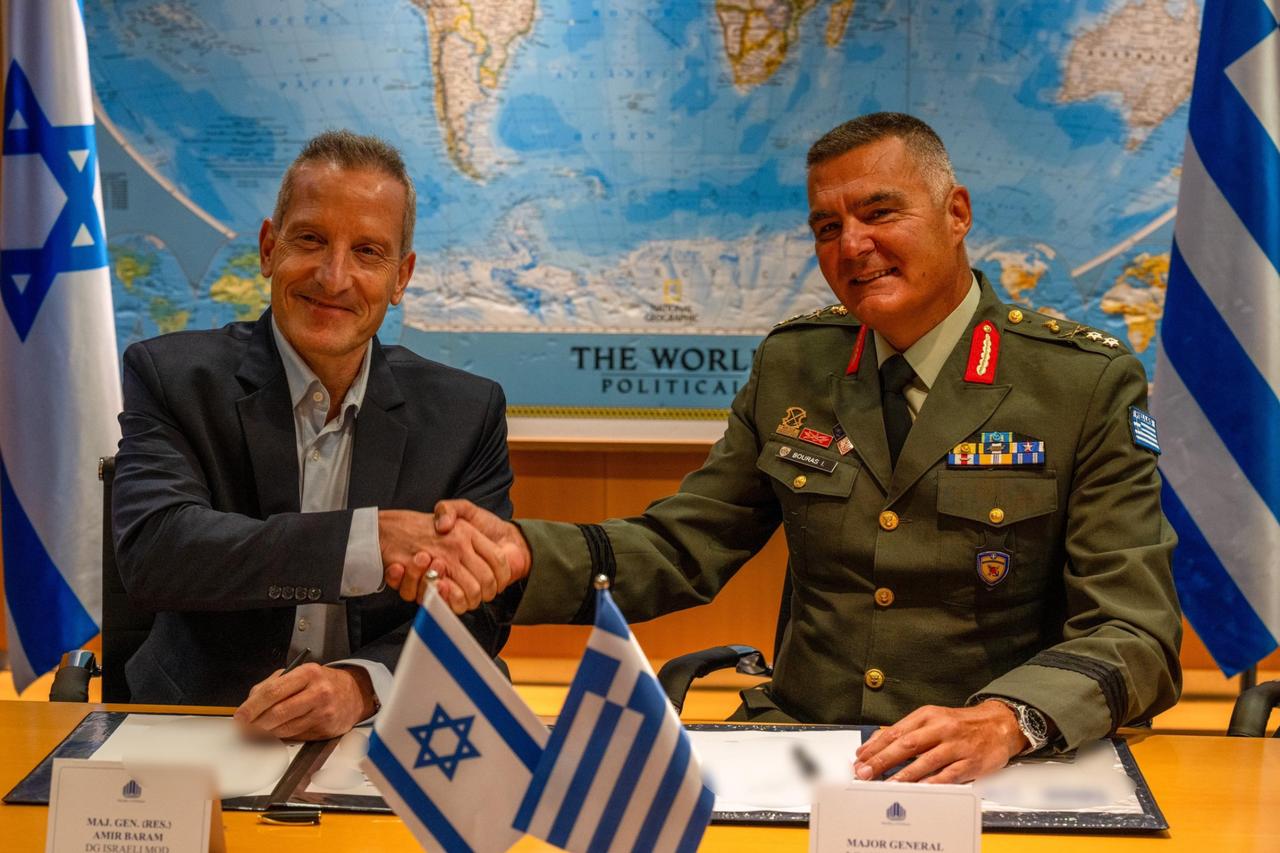
Israel and Greece signed the approximately €3 billion Achilles Shield agreement in Tel Aviv on Aug. 31, combining Rafael's Spyder and Barak MX systems with the David's Sling system and ELM-2084 radars to create Greece's first integrated, multi-layered air defense network.
A separate €26 million deal covers Rafael's Drone Dome systems for protecting strategic sites against drones. The agreement includes roughly 25% domestic industrial participation for Greek companies, according to Patel.
Former Greek Finance Minister Yanis Varoufakis has called the agreement "shameful," while Türkiye Today columnist Arda Mevlutoglu has separately argued the deal's sensor architecture, including the ELM-2084 radar, could give Israel "a much richer picture of military activity on Türkiye's western and southern approaches" if closely integrated with Greek and Greek Cypriot systems, describing it as part of an emerging Israeli "re-containment" strategy toward Türkiye.


 Set as preferred source
 Set as preferred source


 2 min read
 1 min read