Newsletters


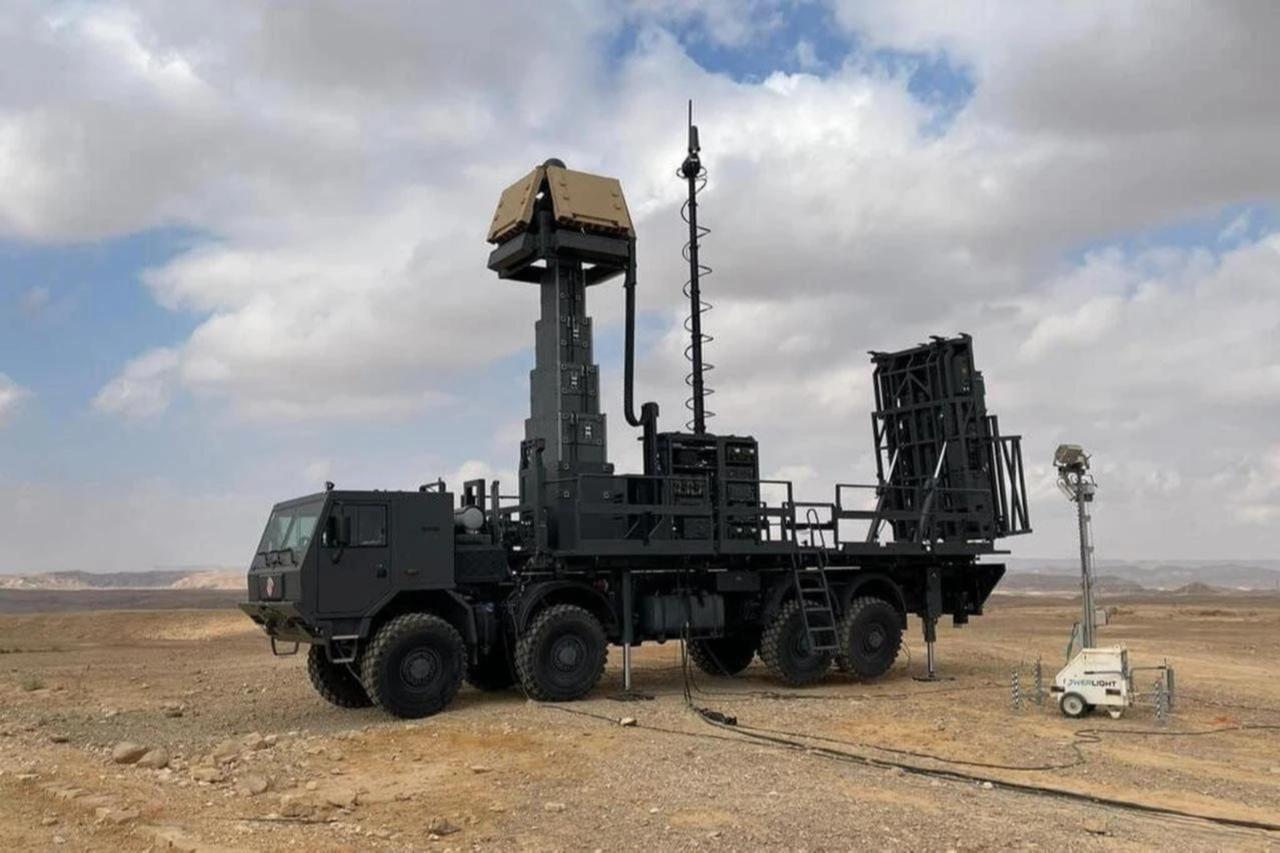


Greece’s Communist Party, or KKE, has asked the government to disclose who will control the source code and operational systems behind the nearly €3 billion ($3 billion) “Achilles Shield” air defense network Athens agreed to purchase from Israel.
In a parliamentary question submitted to Defense Minister Nikos Dendias, the KKE also called for the Aug. 31 agreement with Israel to be canceled and for the full deal, including its annexes, to be presented to parliament.

The party asked who would hold operational and technical control over the command-and-control, or C2, system described as the core of Achilles Shield.
“Who will own the source code?” the KKE asked, seeking clarification on Greece’s rights to access the software, operate the system and make changes to its source code.
The party also requested details on provisions covering operation, maintenance, modernization and technical support.
KKE warned that the deal could make the Greek Armed Forces more dependent on Israel’s defense industry and military planning.
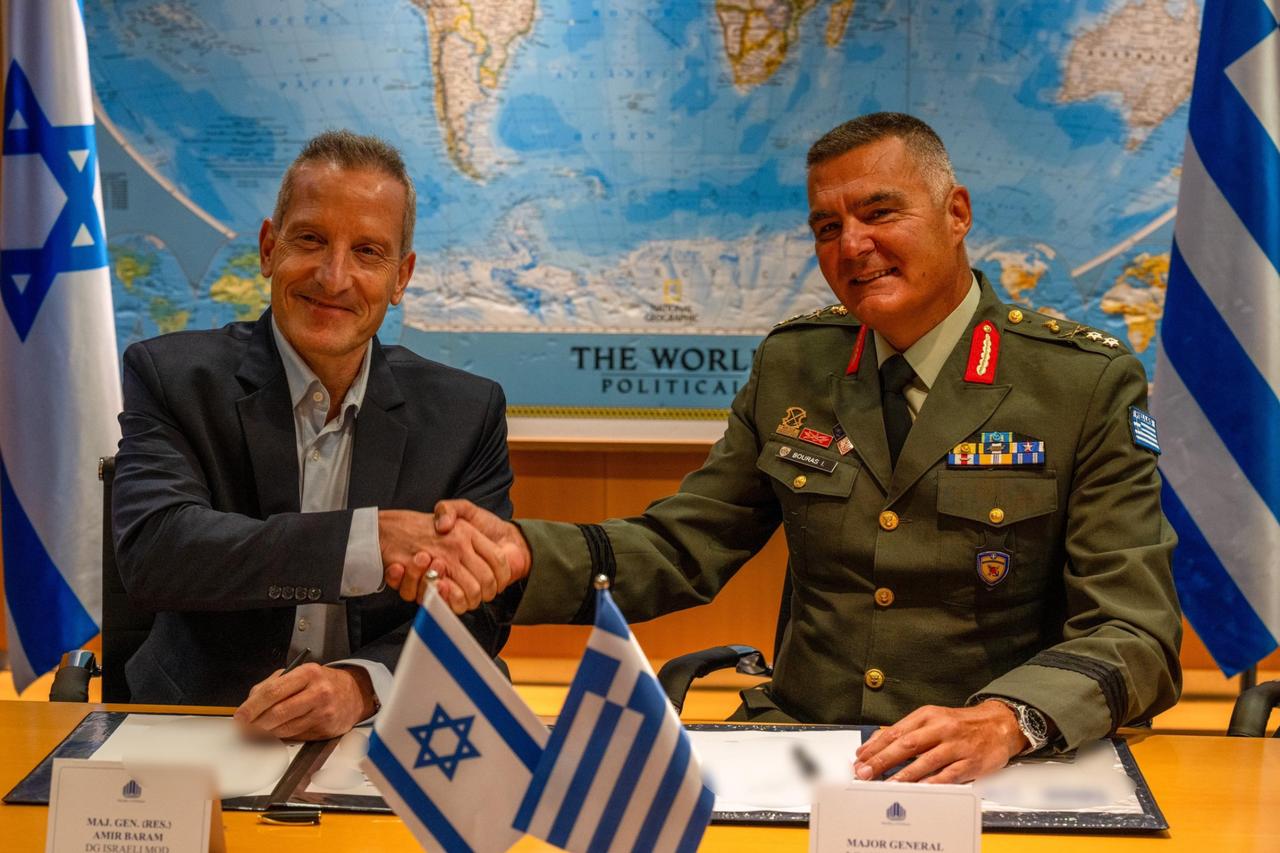
Israel and Greece signed the roughly €3 billion Achilles Shield agreement in Tel Aviv on Aug. 31.
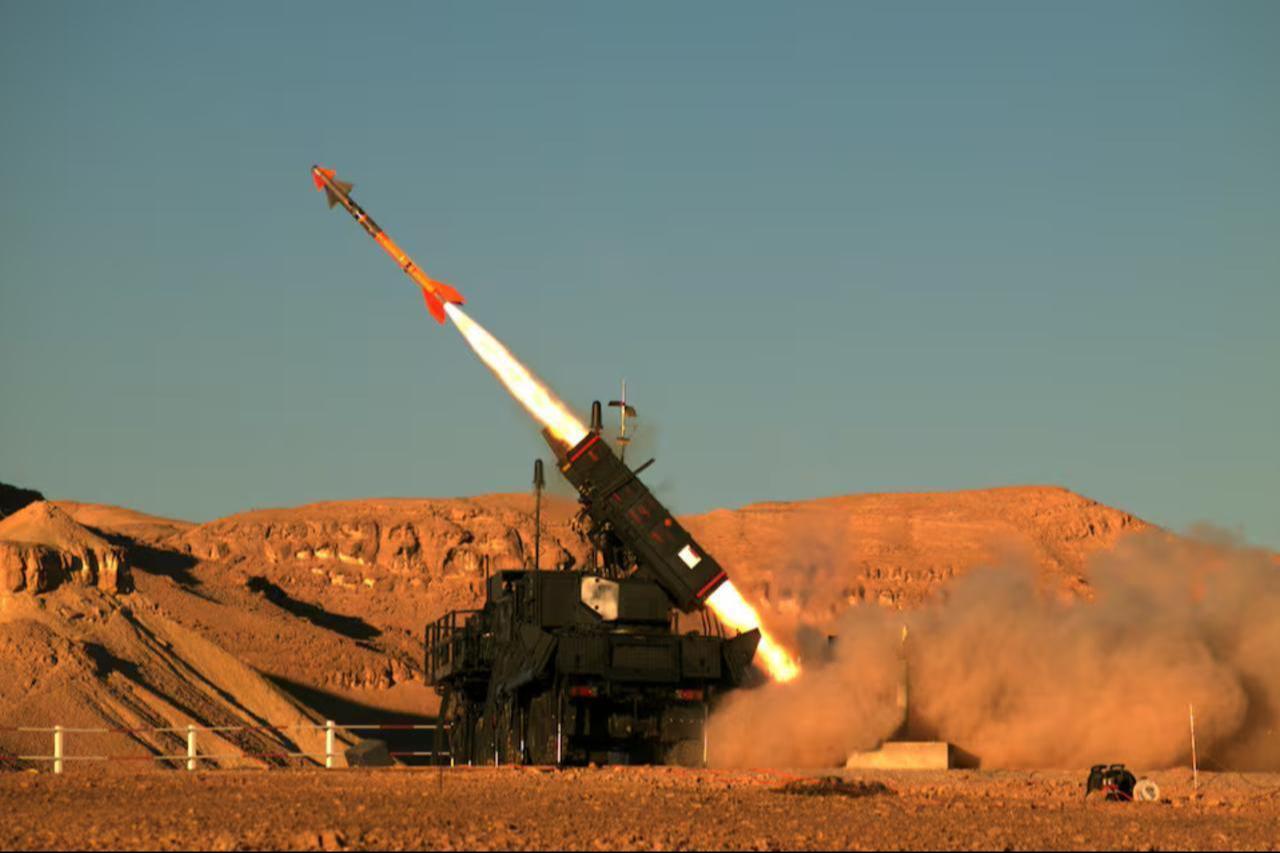
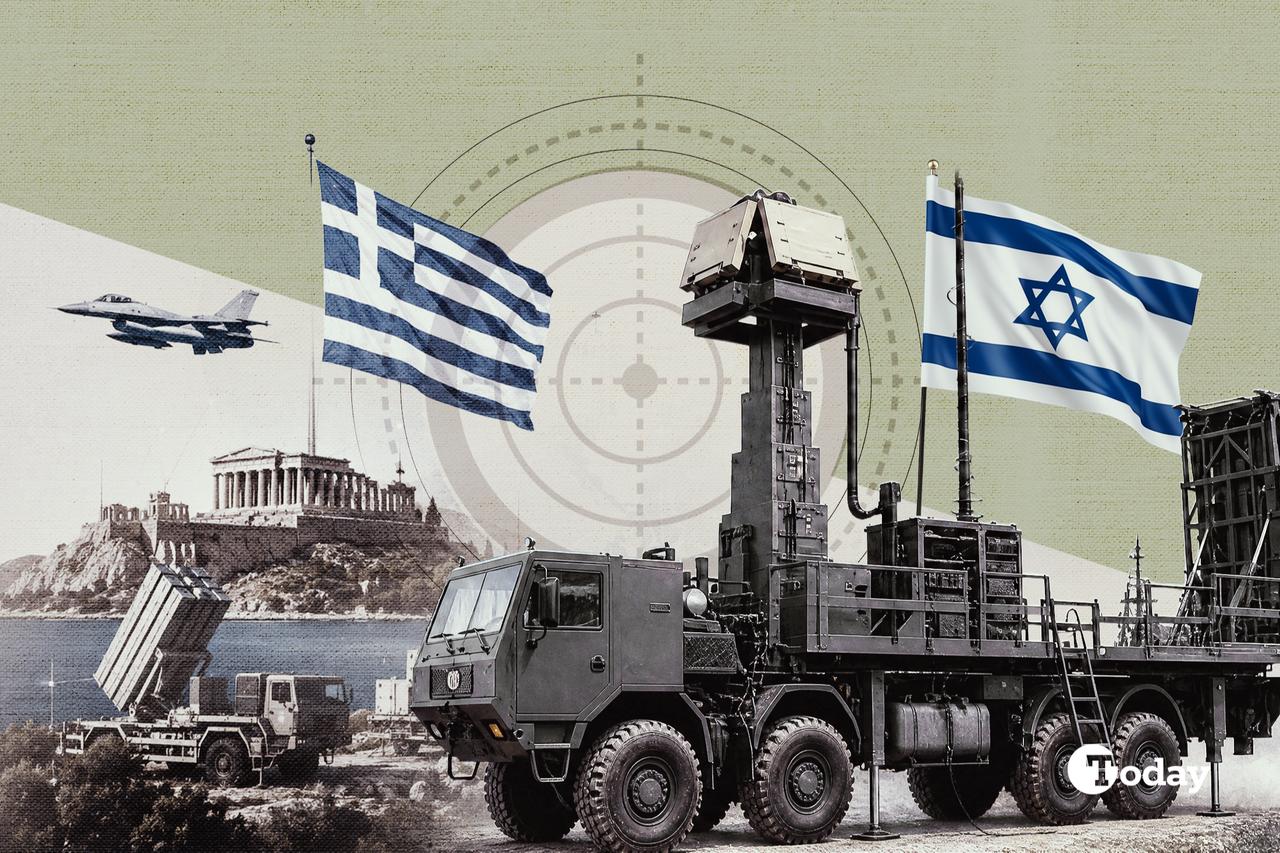
Under the deal, Israel is expected to establish a multilayered air defense network in Greece, including Rafael’s David’s Sling and Spyder systems, Israel Aerospace Industries’ Barak MX system and IAI’s MMR multi-mission radars for air control.
The agreement also includes a new national command-and-control system to be developed under Rafael’s leadership.
Opposition parties in Greece have argued that the deal would increase the country’s defense dependence on Israel, impose additional costs on Greek taxpayers and tie Athens’ regional policy more closely to Israel.
Former Greek Finance Minister Yanis Varoufakis called the agreement “shameful,” accusing Greece’s ruling class of tarnishing the country through the deal and describing Israel as a “genocidal Apartheid state.”
Greek media commentary has also raised concerns over the agreement’s cost, technological and strategic dependence on Israel, and its potential impact on Athens’ position in the Middle East.


 Set as preferred source
 Set as preferred source


 2 min read
 1 min read