Newsletters





Gulf nations cannot rely solely on the United States and other international alliances for their security and need to become more self-sufficient, a Qatari Foreign Ministry spokesperson said Monday at the Hili Forum in Abu Dhabi.
"We need to realize in the Gulf that having international forces in the region, having a strategic alliance with the United States, is very important, but is not enough," Foreign Ministry spokesperson Majed al-Ansari said.
Ansari said the ongoing war involving Iran has underscored the limits of relying on strategic partnerships alone.
"Self-sufficiency when it comes to security is the only way forward. Yes, we need our partners. Yes, we need our allies. But we cannot depend on them alone for our security," he said.


Qatar has served as a key mediator in the U.S.-Iran war while also sustaining heavy Iranian attacks, particularly on its energy infrastructure.
The country hosts the largest U.S. military base in the Middle East. Throughout the conflict, Iran has responded to U.S. strikes by targeting American military sites and regional energy facilities, including in Qatar.
Qatar and other Gulf countries have condemned Iran's attacks on energy and other infrastructure across the region, stressing that the strikes violate international law and the U.N. Charter.
After six months of conflict, the U.S. and Iran remain at a stalemate, with Iran disrupting traffic through the Strait of Hormuz and the U.S. pressing a counter-blockade of Iranian ports.
Alongside mediator Pakistan, Qatar played a key role in securing an April ceasefire and the June Memorandum of Understanding (MoU) between Iran and the U.S., though both agreements have since collapsed.
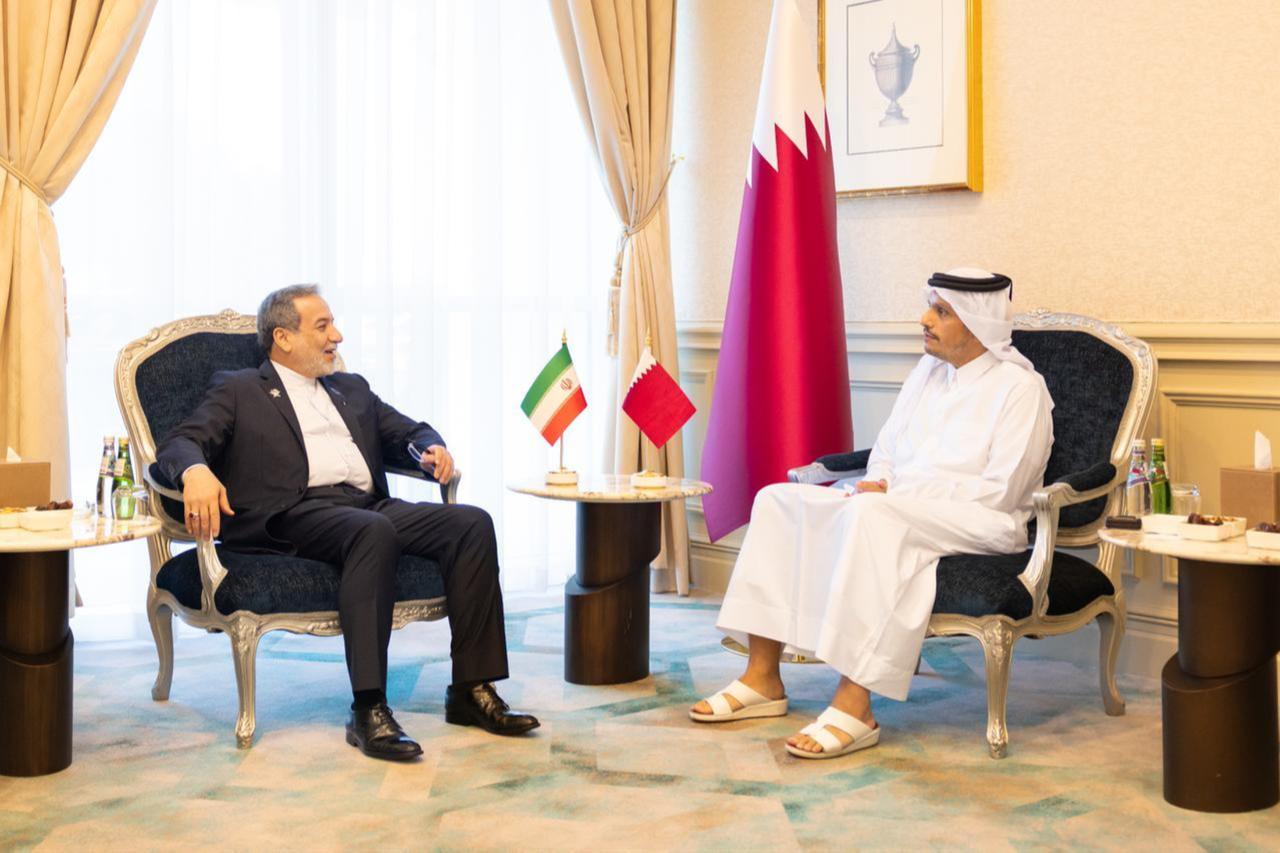
Last month, Qatari Prime Minister and Foreign Minister Sheikh Mohammed bin Abdulrahman Al Thani traveled to Tehran as part of continued mediation efforts, after Iran and Oman, which borders the Strait of Hormuz, said they were discussing a temporary shipping corridor and a joint mine-clearing project.


 Set as preferred source
 Set as preferred source


 1 min read
 1 min read