Sign in
 Newsletters




Hamas accused the Board of Peace of failing to pressure Israel into allowing a Palestinian technocratic committee to enter Gaza, adding to tensions over the stalled implementation of U.S. President Donald Trump's postwar plan for the enclave.
The group's spokesperson, Hazem Qassem, described the board's inability to secure the committee's entry as a sign of its "dismal weakness." The committee, headed by Ali Shaath, has been waiting in Cairo for months, with Israel yet to approve its deployment.
Qassem urged the committee to publicly explain what was preventing it from taking up its responsibilities and called on all parties to facilitate its entry into Gaza so it could begin relief and reconstruction work.
Hamas also reiterated its readiness to hand over all governing responsibilities, in line with the proposed transition to Palestinian technocratic administration.
The Board of Peace stepped up pressure on Israeli Prime Minister Benjamin Netanyahu's government over its failure to implement key commitments under the ceasefire agreement.
Board of Peace senior envoy Nickolay Mladenov sent Netanyahu a letter warning that the U.S-led body could return its mandate for overseeing Gaza's postwar recovery to the United Nations if Israel continued blocking the agreed transition arrangements.
The letter, sent Tuesday, stressed that the board was not seeking additional Israeli concessions but wanted Netanyahu to honor commitments already made under Trump's 20-point peace plan and the October 2025 ceasefire agreement.
The unresolved measures include allowing the National Committee for the Administration of Gaza (NCAG) to enter the enclave, deploying an International Stabilization Force (ISF) and permitting vetted Palestinian police recruits to travel to Egypt for training.
The committee was established to take over civilian administration from Hamas, while the international force and a new Palestinian police structure are expected to handle security arrangements.
However, Israel has yet to approve the necessary arrangements for these bodies to begin operating.

The dispute follows Hamas' agreement in July to a roadmap covering the transfer of governing authority to the NCAG and the group's disarmament.
In an interview published Nov. 20, senior Board of Peace adviser Josh Gruenbaum accused political elements within Netanyahu's government of holding up the transition, warning that the board could hand responsibility back to the UN if Israel refused to honor its commitments.
He also argued that the absence of an international stabilization force and a functioning Palestinian police force had prevented the planned disarmament process from moving forward.
On Nov. 9, the Board of Peace separately warned that Israeli delays in approving humanitarian supplies and fulfilling commitments under the Sharm El-Sheikh Humanitarian Protocol had aggravated Gaza's humanitarian crisis.
Israel and Hamas reached a ceasefire agreement in October 2025 under Trump's plan, but implementation of its remaining provisions has stalled. Israel continues to control 70% of Gaza.
According to the latest figures released by Gaza's Health Ministry, Israeli violations of the ceasefire have killed 1,705 Palestinians and injured 6,163 since the agreement took effect.
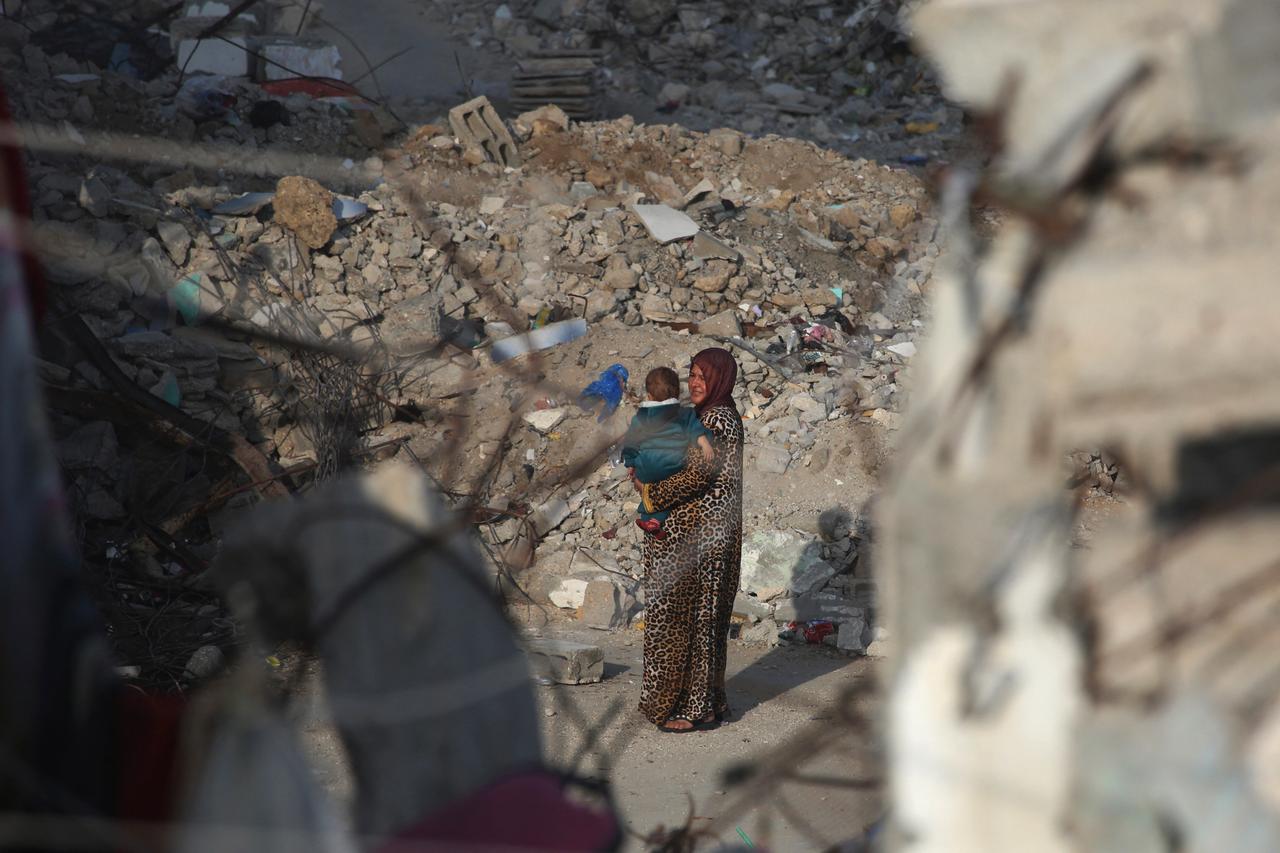
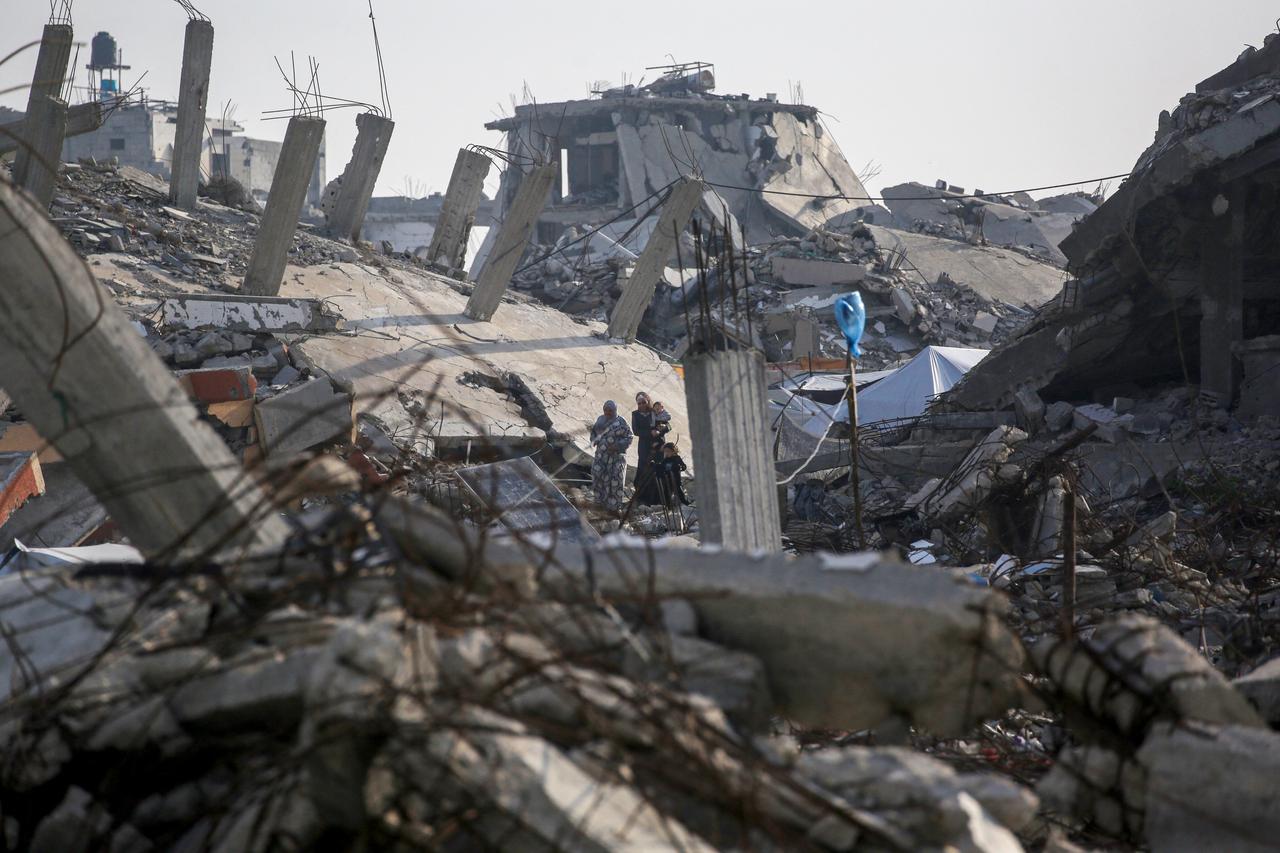
Israel's war on Gaza since October 2023 has killed 75,000 Palestinians and injured more than 176,000, most of them women and children, while destroying 90% of the enclave's infrastructure.


 Set as preferred source
 Set as preferred source


 1 min read
 1 min read