Newsletters




U.S. President Donald Trump’s Board of Peace is set to unveil a six-month, $2.45 billion recovery plan for Gaza at a meeting of member countries Wednesday, laying out a 66-project framework for rebuilding the territory after the war, according to a report.
The proposal covers temporary housing, rubble removal, hospital repairs, economic recovery and the deployment of a multinational security force. It estimates physical damage in Gaza at $35.2 billion and projects that full recovery and reconstruction will cost about $71.4 billion over the next decade, Axios reported, citing a copy of the plan.
Representatives from 35 countries are expected at the Wednesday morning briefing to discuss the plan, including EU officials and several member states that are not part of the Board of Peace. Trump senior adviser Jared Kushner and White House envoy Steve Witkoff are scheduled to speak.
The 66 projects are divided into six areas, including infrastructure development, human development, economic acceleration, digital transformation, legal affairs, and peace and security.
Infrastructure accounts for the largest share at roughly $1 billion, including about $400 million for temporary shelters, $275 million for rubble and unexploded ordnance clearance, $50 million for hospital rehabilitation and $30 million to repair Gaza’s damaged roads.
The plan also covers repairs to border crossings, electricity and water systems, 25,000 portable solar-power kits and the permanent filling of tunnels beneath sites needed for priority reconstruction projects.
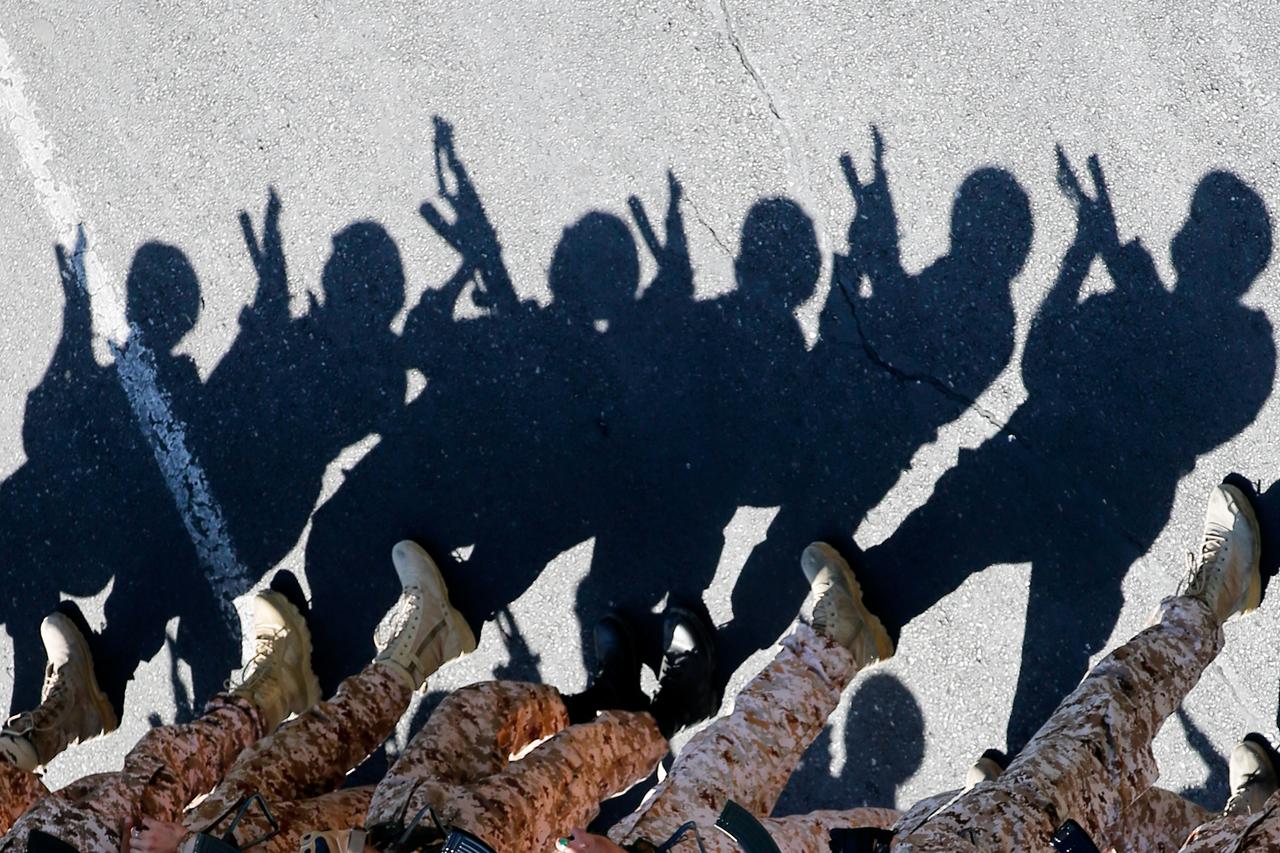
Security projects account for roughly $885 million, including about $275 million for a permanent hardened site in Rafah capable of supporting 5,000 International Stabilization Force (ISF) personnel and another $140 million for recruiting, training, equipping and deploying a multinational security contingent.
Another $120 million would support the mobilization of Palestinian police. Thousands of Palestinians from Gaza have been selected and vetted for the new force, but Israel has blocked them from leaving Gaza for training in Egypt.
The plan also sets aside $20 million for a weapons buy-back program to encourage Hamas and other armed groups to surrender weapons and ammunition for safe disposal.
Around $400 million is earmarked for insulated caravans for Palestinians living in tents, while the United Arab Emirates would fund a pilot "Emirati Neighborhood" in Rafah designed to house 50,000 people with independent utilities. The plan also allocates roughly $300 million for health, education and welfare programs.
The proposal also seeks to rebuild Palestinian administrative and economic infrastructure, with projects including digital IDs and payments, 4G connectivity, electronic health and education systems, small-business grants and a new Gaza investment fund.

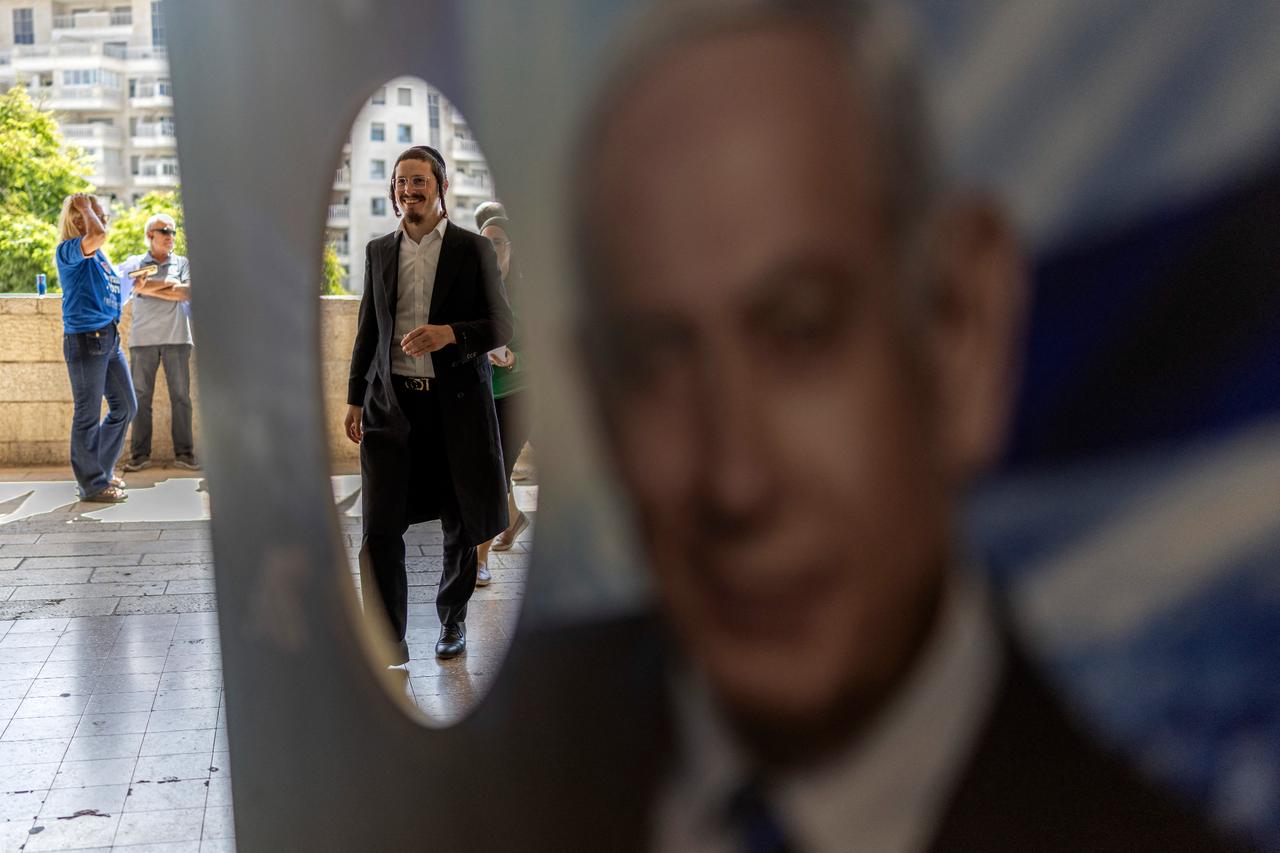
However, the plan still depends on cooperation from Israel and Hamas. Israel has agreed in principle to parts of the proposal but has held off on implementation, mainly due to domestic political considerations ahead of the elections, according to the report.
Hamas has also agreed in principle to disarm, but that commitment has yet to be tested, while Israel has refused to implement a 14-day ceasefire before the demilitarization process begins.
The Board of Peace hopes the recovery process can begin after Israel’s Oct. 27 elections and the formation of a new government, although a caretaker government and political stalemate could further delay implementation.
Funding is another hurdle, as the Board of Peace and the Palestinian technocratic government have not yet secured the full $2.45 billion needed for the six-month program. Board officials said that the entire amount does not need to be available immediately and expect donors to fund individual projects once political obstacles are cleared.
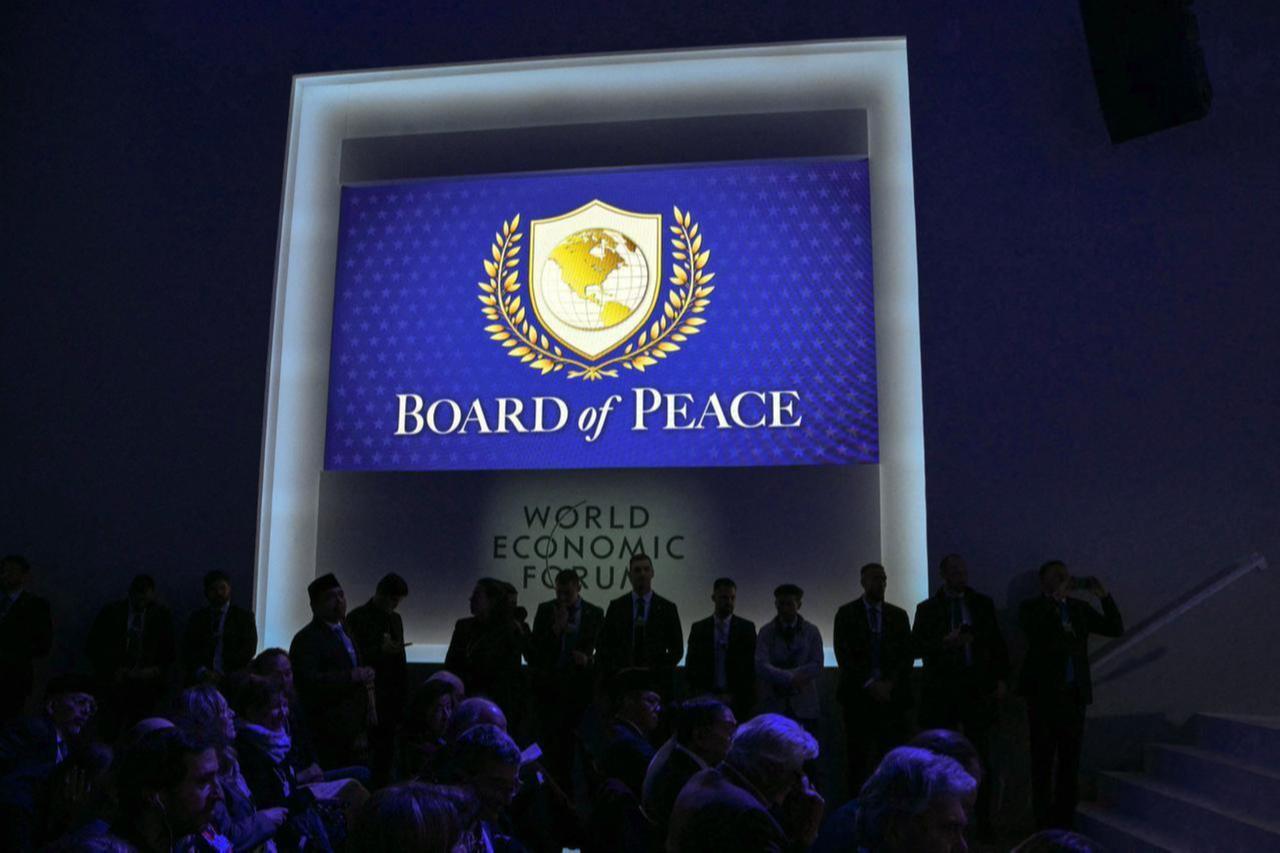
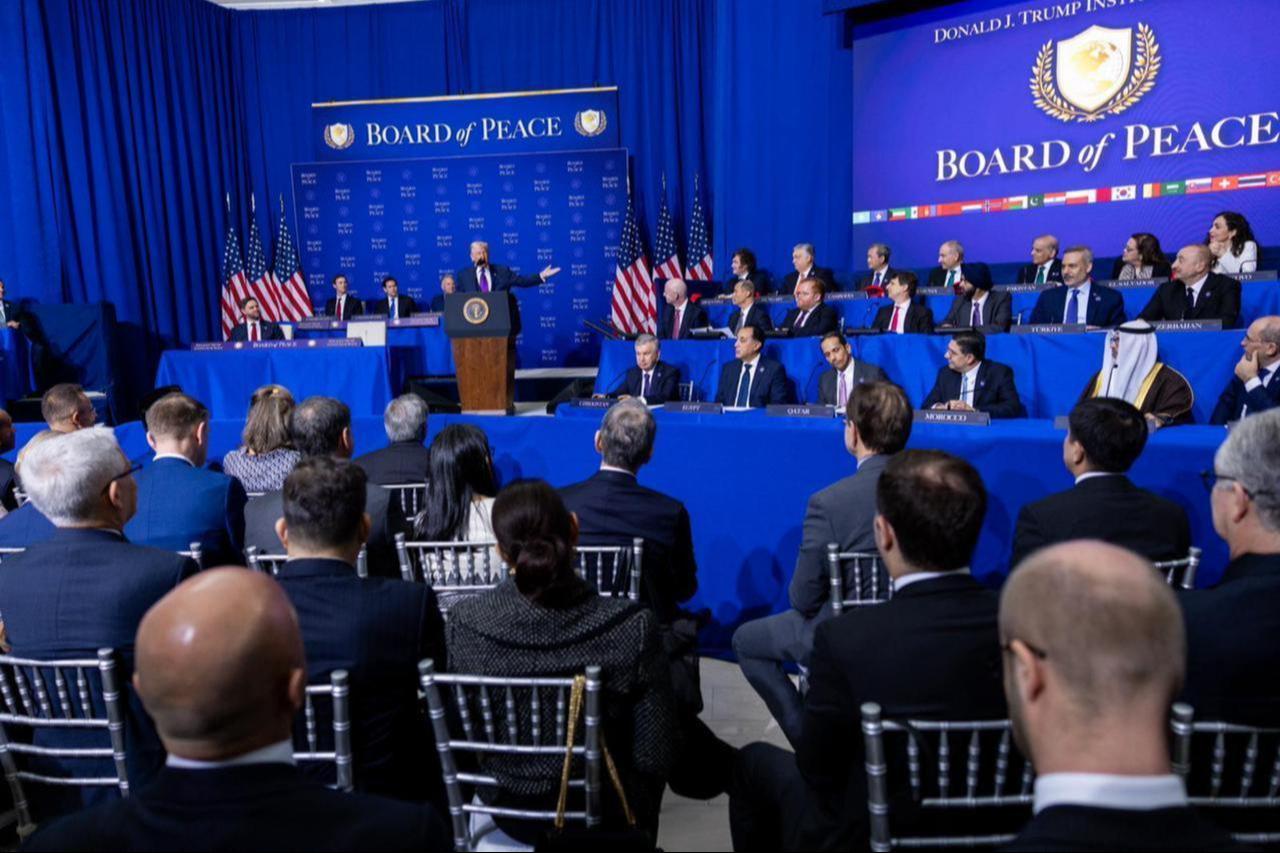
The Board of Peace was created as part of Trump’s broader Gaza plan and was formally established as an international organization in January 2026. Trump signed its founding charter on Jan. 16, while the charter was formally launched at a ceremony in Davos on Jan. 22. The U.N. Security Council had previously welcomed the board under Resolution 2803, adopted in November 2025.
The board now includes 28 countries, with Trump serving as chairman. Its structure includes an executive board, a High Representative for Gaza and the National Committee for the Administration of Gaza, a Palestinian technocratic body tasked with handling the territory’s day-to-day administration.
The board held its inaugural meeting in Washington in February, where founding donors and countries contributing to the ISF signed declarations backing implementation of Trump’s Gaza plan.


 Set as preferred source
 Set as preferred source


 1 min read
 1 min read