Newsletters


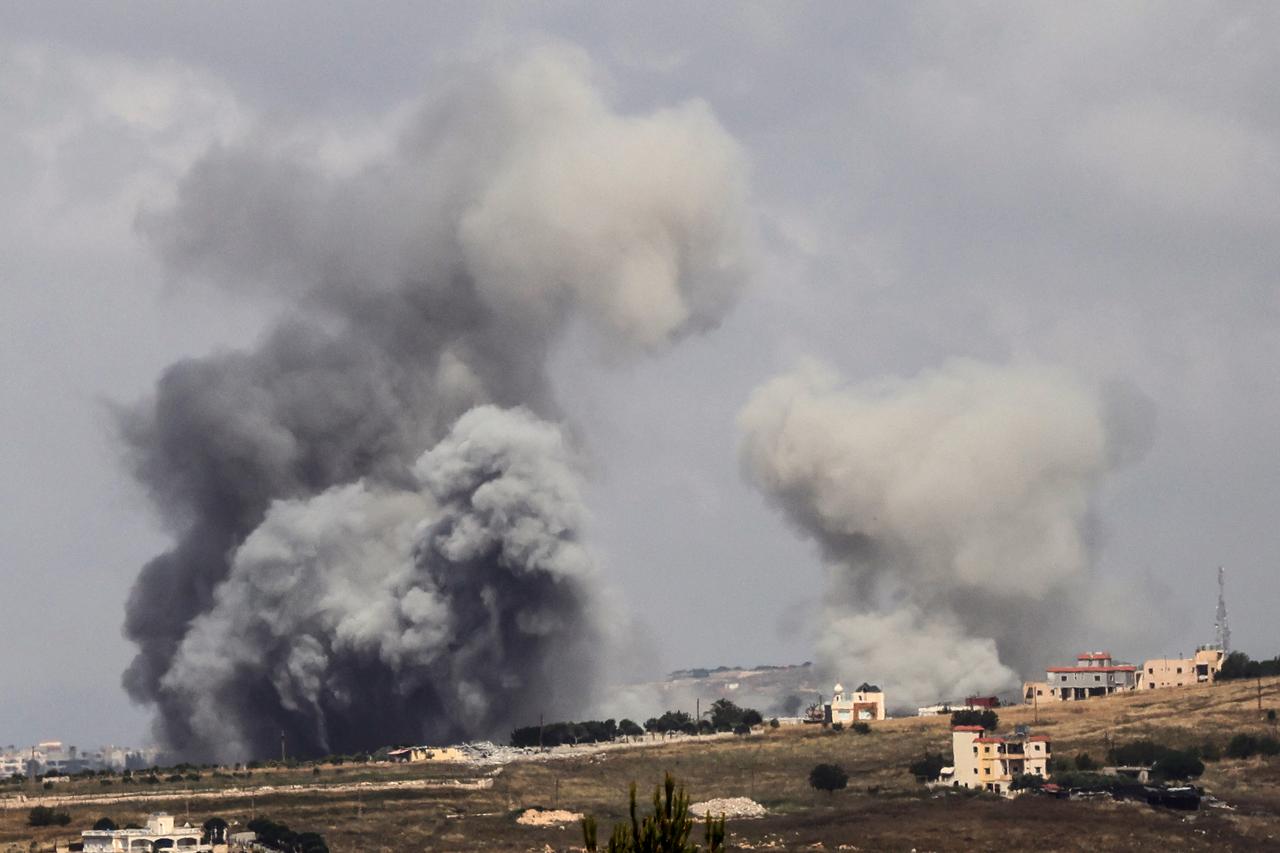


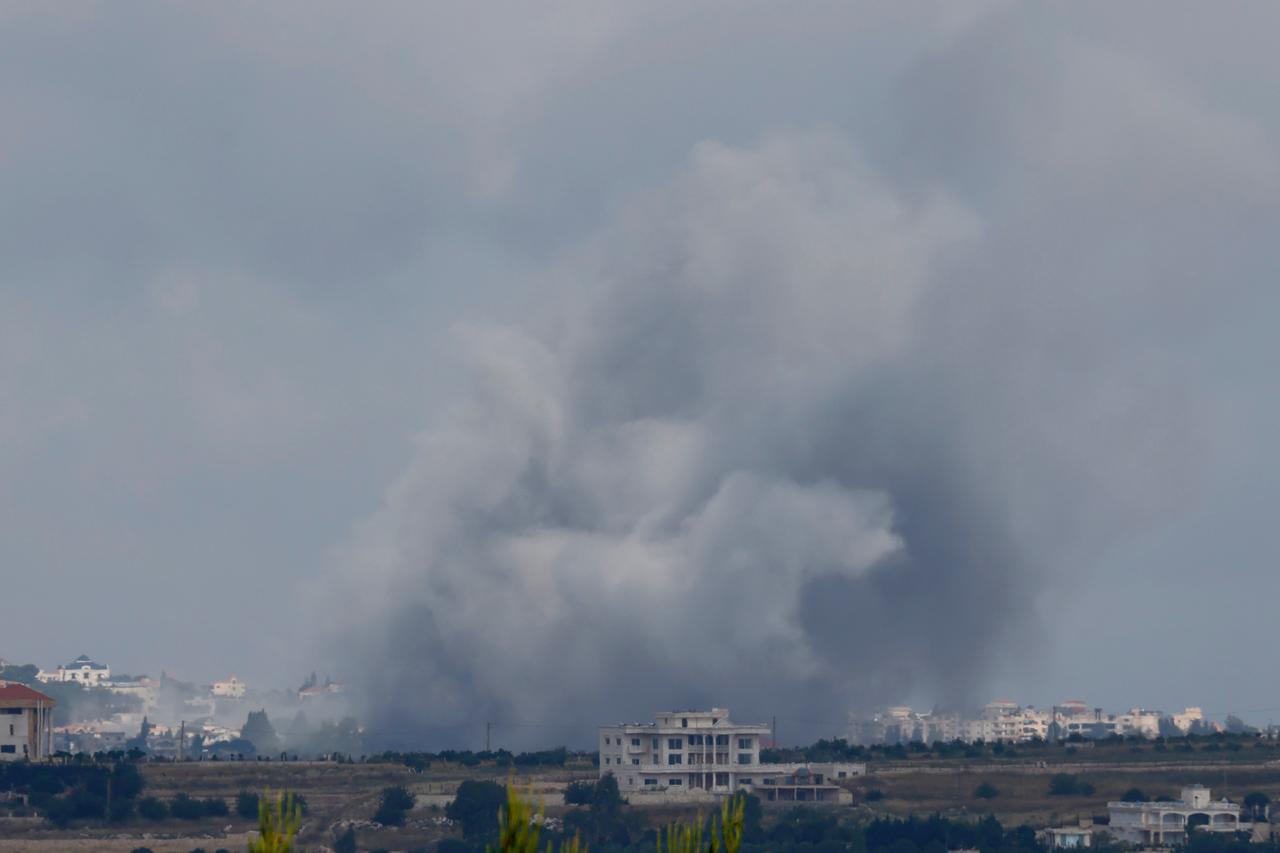
Israeli forces have pushed north of Lebanon's Litani River and moved closer to the southern city of Nabatieh, while the Lebanese army has pulled back from positions in the area over security concerns, Lebanese military sources said.
Troops advanced through the town of Yahmur and entered the areas of Eastern Zawtar and Shaqif Arnoun, extending Israel's presence beyond the Litani River. As the advance continued, Lebanese forces withdrew from nearby positions to protect personnel.
A senior Lebanese military source told Anadolu Agency that army units are no longer present in areas where Israeli forces have moved in, although the source declined to specify how many positions had been vacated.
The source added that the Lebanese army's immediate priority is maintaining stability inside the country as political debate continues over negotiations with Israel.
The latest escalation comes despite a ceasefire repeatedly extended through U.S.-mediated talks. Israel launched a large-scale air campaign against Lebanon on March 2 before expanding ground operations in the south. Lebanese authorities later said the conflict had displaced more than 1 million people.
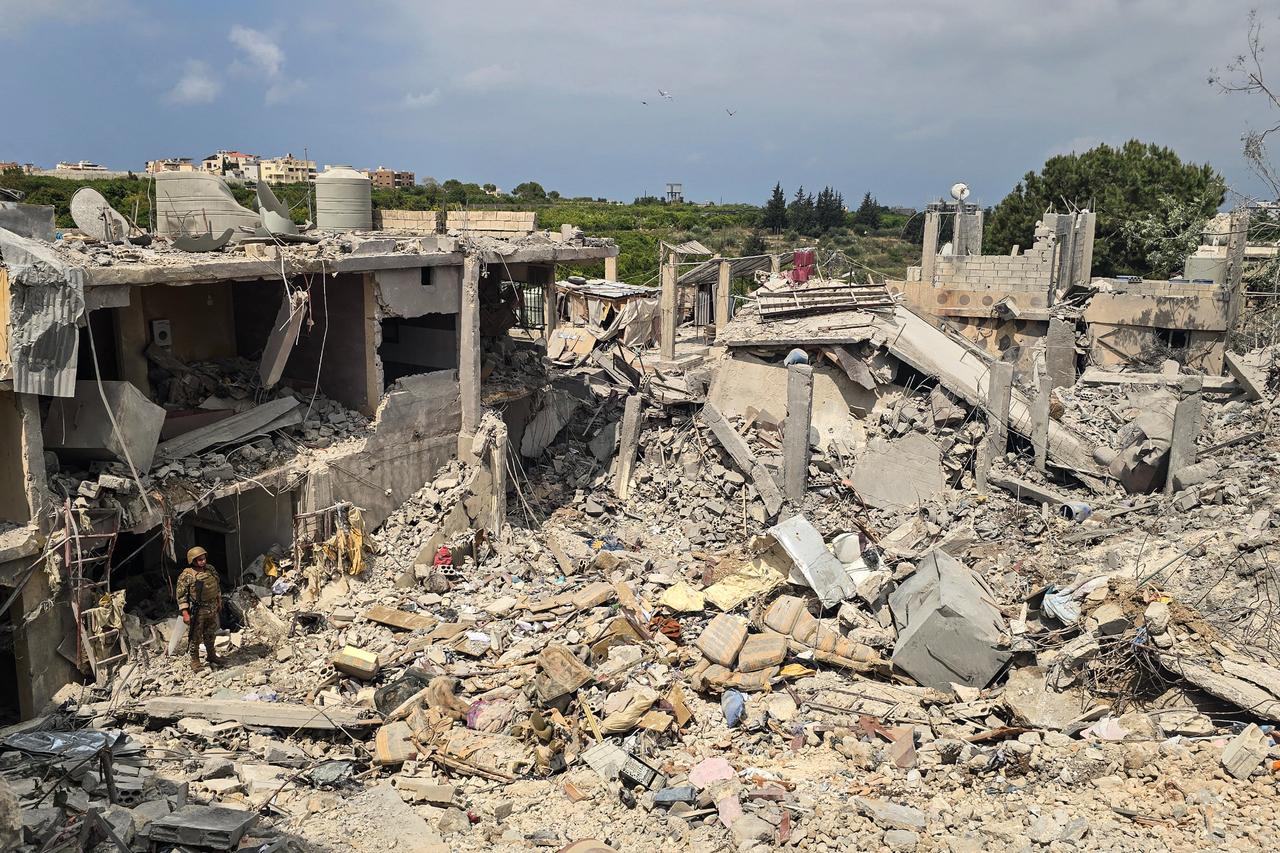
A fresh wave of Israeli attacks in southern Lebanon on Saturday killed at least five people and wounded 15 others, including two soldiers, while the death toll from Israeli strikes since March 2 rose to 3,371, according to Lebanon's Health Ministry.
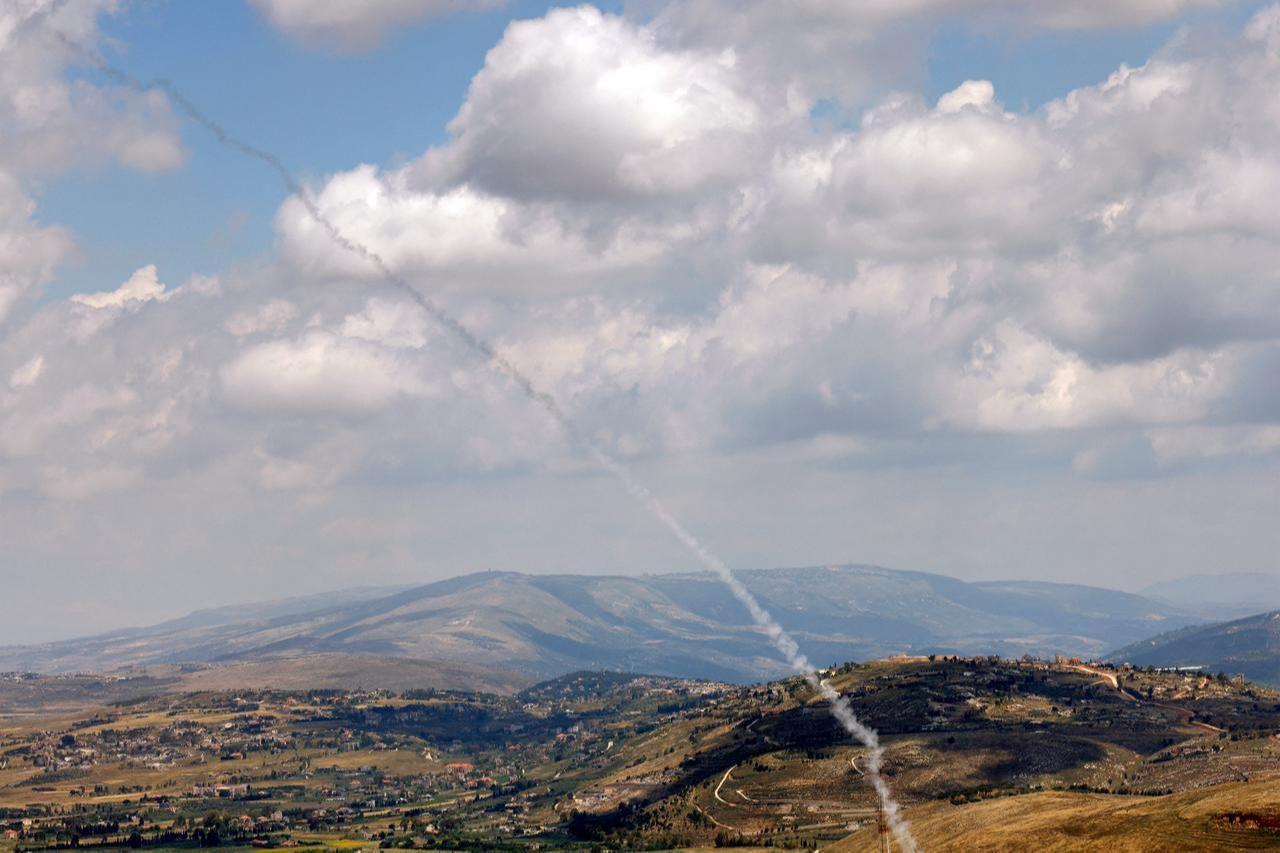

Lebanese Prime Minister Nawaf Salam described Israel's actions as a "dangerous and unprecedented" escalation and called for intensified diplomatic efforts to secure a ceasefire.
"What we have witnessed over the past two days goes beyond Israel expanding the scope of its attacks and crossing north of the Litani River," Salam said in Beirut. "Israel has adopted a comprehensive policy of destruction that goes beyond targeting specific locations in Lebanon."
Salam argued that Israel's actions amount not only to a violation of Lebanese sovereignty but also an attempt to erase the country's history, while insisting that security cannot be achieved through destruction and military attacks.
Salam also defended ongoing U.S.-mediated negotiations with Israel, saying the Lebanese state is conducting the talks on behalf of all citizens.
"There is no guarantee the negotiations will succeed, but this is the least costly option for Lebanon and our people," he said. "Does negotiation mean surrender? No."
According to Salam, the Lebanese delegation remains focused on securing and preserving a ceasefire while working to prevent the country from becoming an arena for broader regional conflicts.
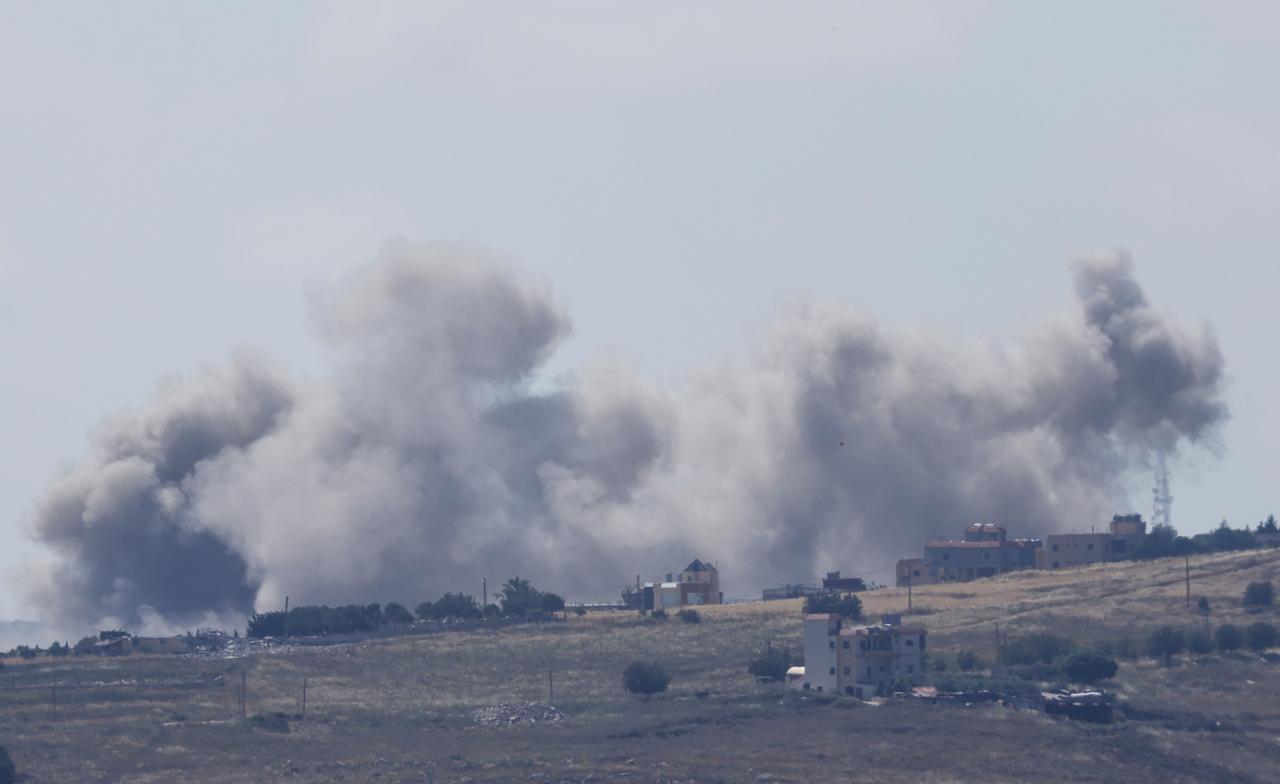
Meanwhile, Israeli public broadcaster KAN reported Friday that Israel rejected a Lebanese demand for the withdrawal of Israeli troops from southern Lebanon during U.S.-mediated talks involving military representatives from both sides.
According to the report, Israeli officials told mediators that forces would remain in place. The discussions also touched on the possibility of a broader ceasefire arrangement that could include talks on Hezbollah's weapons.
KAN reported that Lebanese and Israeli military officials are not holding direct talks, with messages relayed through U.S. mediators.
During the discussions, Lebanon sought clarification on Israeli references to "imminent danger" and "response to threats" as grounds for military operations. Israel, meanwhile, pushed for direct communication between the two armies and cooperation on the disarmament of Hezbollah.
Prime Minister Benjamin Netanyahu said on Thursday and Friday that Israeli forces had crossed the Litani River and established "positions of control."
The remarks sparked criticism from Israeli security officials, who argued that publicly revealing operational details served no military purpose and could put troops at risk, according to KAN.
Some officials also viewed the comments as politically motivated ahead of upcoming elections, the broadcaster reported.
The Israeli military has not officially announced any operation beyond the Litani River.


 Set as preferred source
 Set as preferred source


 1 min read
 1 min read