Newsletters


The world's largest tanker operator warned Monday that commercial shipping through the Strait of Hormuz would not resume for at least "a couple of weeks, if not a month," even after the U.S.-Iran deal.
Jotaro Tamura, chief executive of Mitsui OSK Lines (MOL), which operates more than 900 ships, including over 200 crude oil, petroleum, and chemical tankers, cited unresolved mine threats, unclear transit protocols, and a history of "false starts" as Iranian vessels reportedly began passing through the former blockade zone and the U.S. Navy prepared drone-based mine-clearance operations.
He told the Financial Times (FT) that commercial operators needed the deal to be "material and translated into the real situations in the Strait of Hormuz" before resuming crossings.
"What will have to come into place is not just a simple agreement between the relevant countries, but it has to be material and translated into the real situations in the Strait of Hormuz, so that shipping lines can make themselves comfortable to go through," Tamura said.
MOL confirmed Monday that the deal being finalized had not changed its view.
Tamura also said he opposed Iran's plans to impose maritime service fees after the 60-day free-passage window, arguing that such charges would contravene international regulations that guarantee freedom of navigation.
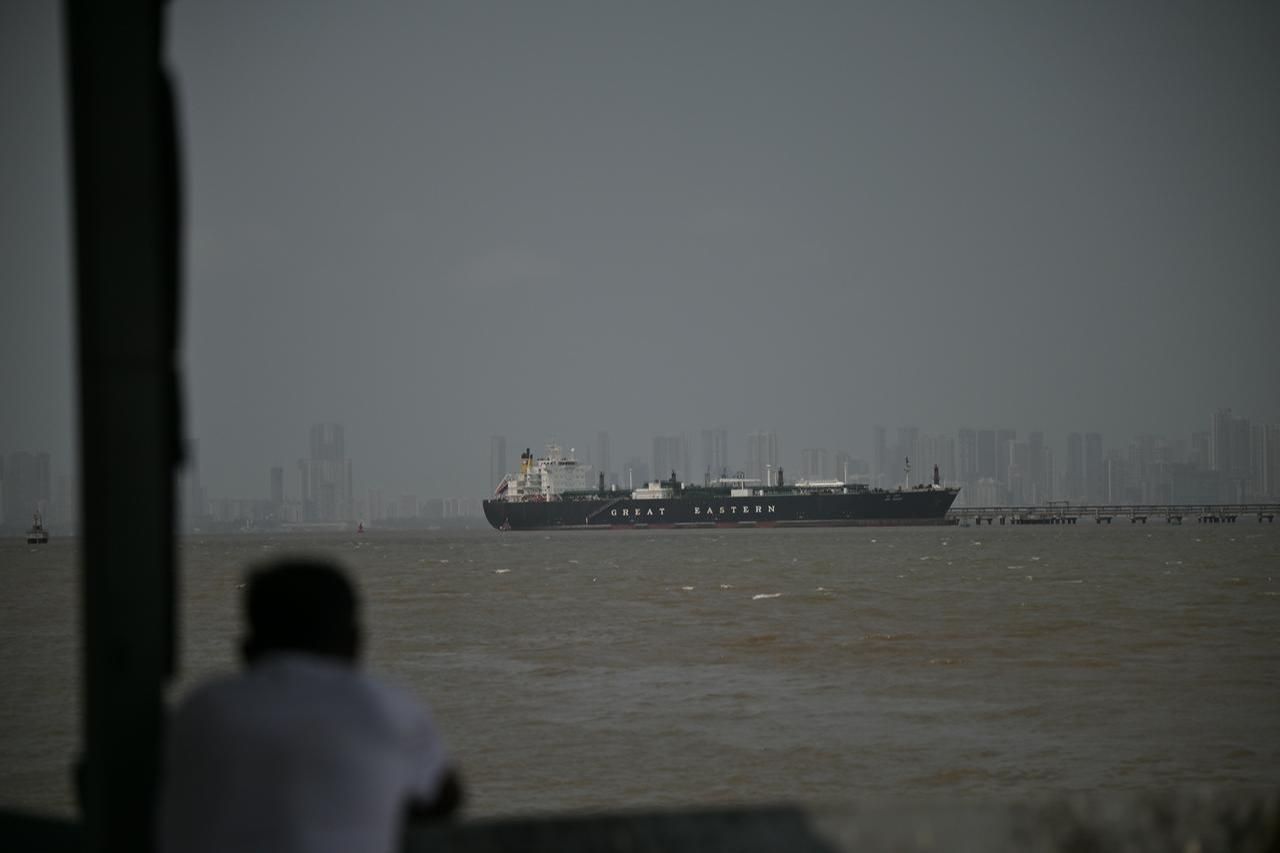

Iran's semi-official Fars News Agency reported late Monday that several Iranian vessels had passed through the former blockade zone without incident following Trump's order to lift the naval blockade.
According to Fars, an Iranian VLCC crude tanker moved from open waters toward Iranian ports after clearing the blockade zone, a livestock feed carrier also transited toward Iran, and an oil tanker laden with Iranian crude sailed through the Sea of Oman toward its export destination.
Trump said Monday the strait was "already partially opened" and that vessels were conducting mine-hunting operations in the waterway.
He also said he expected to ask European leaders to help clear mines, saying it "wouldn't hurt to have a ship or two up here from a few countries."
France's President Emmanuel Macron said Paris was prepared to dispatch mine-clearing vessels within a few days of a confirmed peace deal.
Britain said last month it could deploy mine-hunting drones as part of a multinational Hormuz security mission.
The pace of resumption of full commercial traffic hinges substantially on the mine threat.
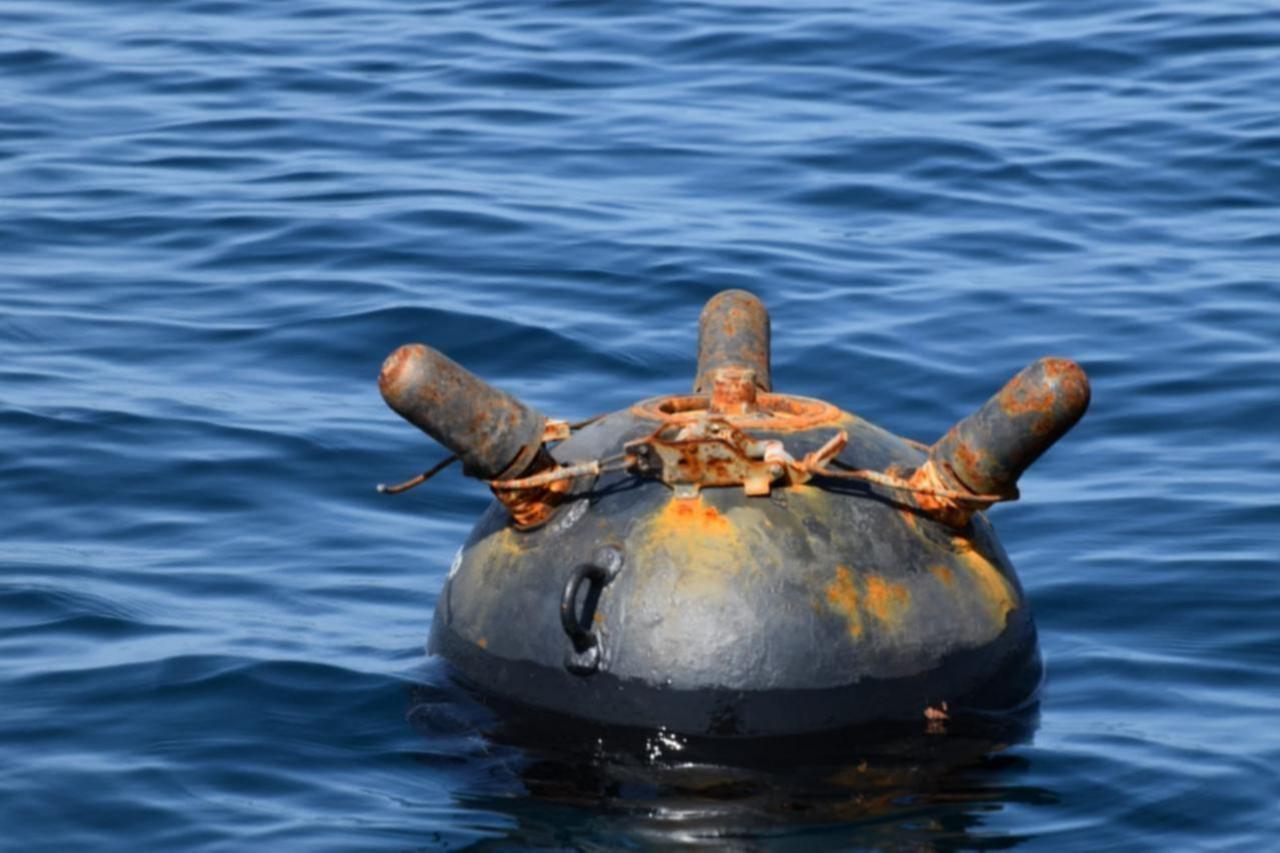
Secretary of State Marco Rubio told Congress earlier this month that Iran had mined large segments of the strait. Before the war, U.S. intelligence agencies estimated Iran held approximately 5,000 mines of varying types, from surface-floating varieties to sophisticated seafloor weapons using combinations of magnetic, seismic, pressure and acoustic sensors.
The New York Times reported that it was not clear if Iran had laid any mines in the strait, with scores of ships having transited the waterway during the conflict without hitting mines. The U.S. Central Command (CENTCOM) said in March that it had attacked 16 Iranian mine-laying vessels near the strait, though the impact of those strikes remained uncertain.
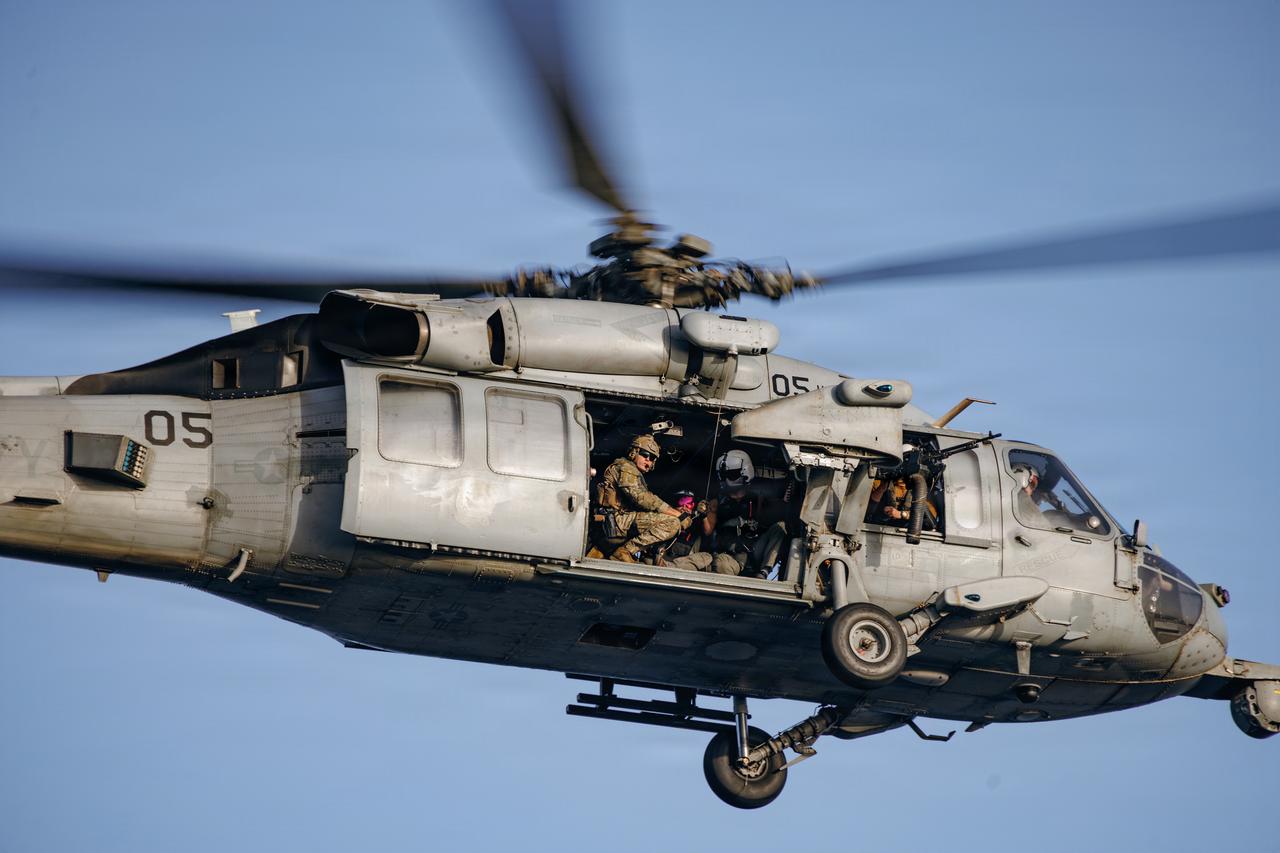
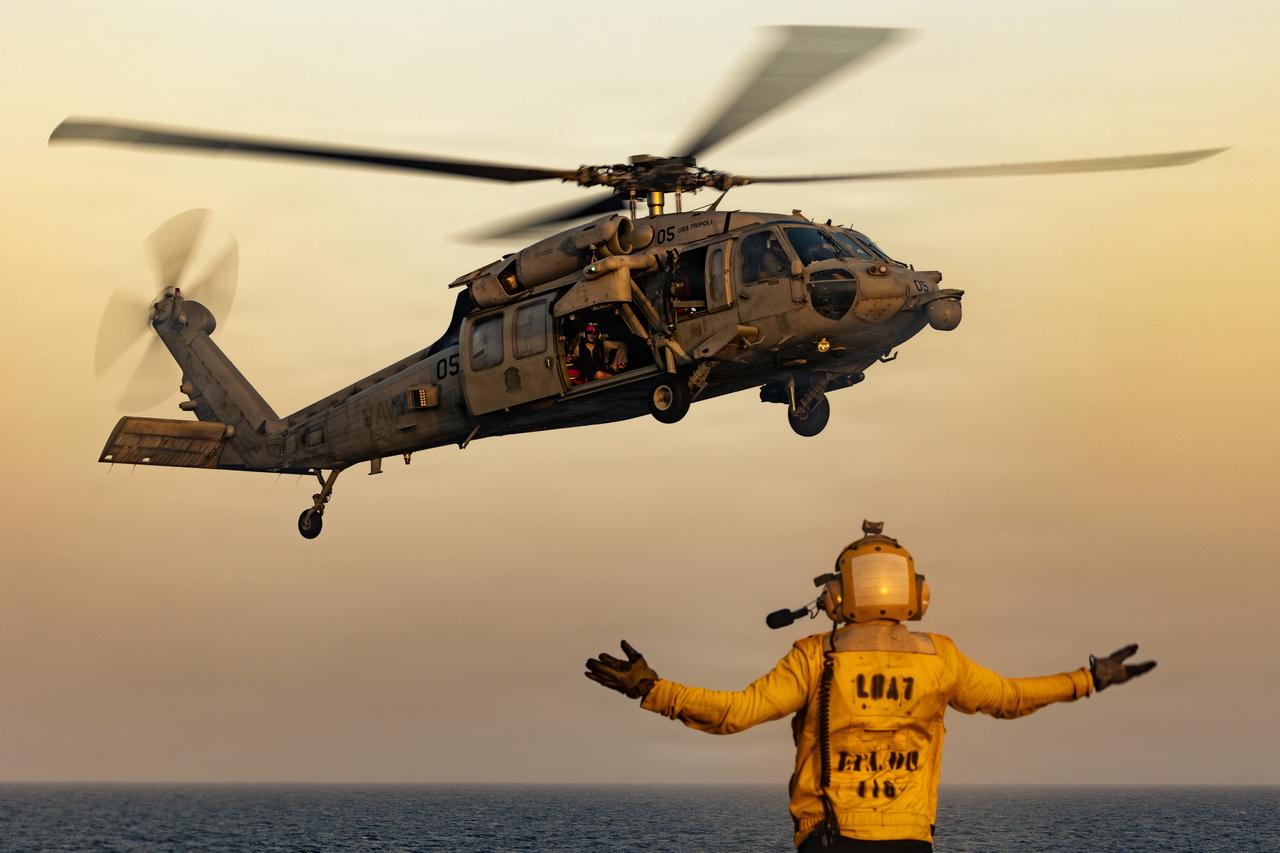
The U.S. Navy has decommissioned most of its Avenger-class minesweepers and replaced them with steel-hulled littoral combat ships that remain outside mined areas and deploy helicopters and drones to locate mines. Those drones include the Common Unmanned Surface Vehicle (CUSV) for mine-sweeping and the Knifefish underwater drone for sonar-based seafloor mapping.
Advanced modern mines present additional complications. Some advanced mines can detect the sound of mine-sweeping equipment and dive deeper to avoid having their tethers cut, while others feature ship counters set to detonate after a specified number of vessels pass nearby.
"It's as painstaking as it might sound, given that mines, if they're on the sea floor, you have to differentiate from rock outcroppings, detritus in crowded shipping lanes, things tossed overboard for decades or centuries," Scott Savitz, a senior engineer at RAND who worked for the Navy's mine warfare command, told the New York Times.
Pentagon and U.S. officials said Monday it was too early to say what would happen to the more than 50,000 U.S. troops assigned to the Iran mission following Friday's scheduled signing ceremony.
Two aircraft carriers and scores of fighter jets in the region are expected to remain on standby for at least several more days while officials assess whether the initial deal holds.
"We'll make sure the military option is there," Defense Secretary Pete Hegseth said Sunday on CBS's Face the Nation, adding that military might will stay as long as necessary.
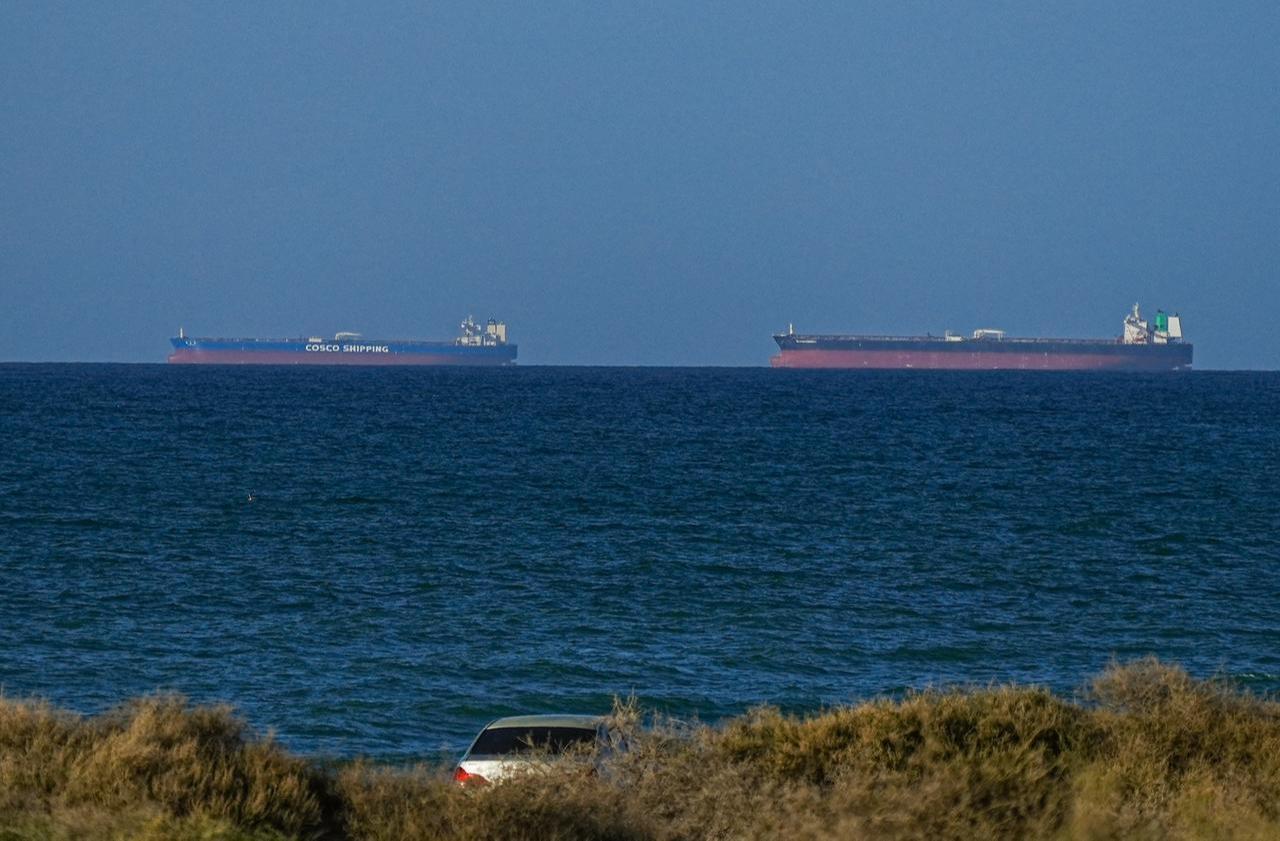
Multiple shipping companies and owners called Monday for the International Maritime Organization (IMO), the U.N. shipping body, to coordinate the exit of approximately 500 vessels waiting to transit the strait out of the Persian Gulf.
IMO Secretary-General Arsenio Dominguez said the body was "assessing the feasibility for vessels to transit and conduct the trade safely and securely, avoiding possible hazards like mines as well as congestion which could lead to accidents," and said work was continuing on a safe evacuation corridor for seafarers stranded in the Gulf for more than 100 days.
Hapag-Lloyd, one of the world's largest container lines, said the peace deal was "encouraging" and hoped its vessels stuck in the strait would be able to leave "this weekend."
Philip Belcher, marine director of Intertanko, the tanker industry's association, cautioned that "a careful approach should be undertaken" and that vessels should conduct their own "ship-specific" risk assessment before sailing.
Jakob Larsen of Bimco, the world's largest international shipping association, reiterated Monday that the security situation remained "very risky" for transit.
Frontline CEO Lars Barstad said vessels would start moving "very quickly once a deal is signed," but called for "clearer language around the transit protocol." Five Frontline tankers remain stranded in the Persian Gulf.
Before the war, approximately 135 ships transited the strait daily, carrying more than a fifth of the world's oil and LNG supply, along with significant volumes of grain, grain inputs and consumer goods destined for the Gulf.


 Set as preferred source
 Set as preferred source


 2 min read
 1 min read