Newsletters


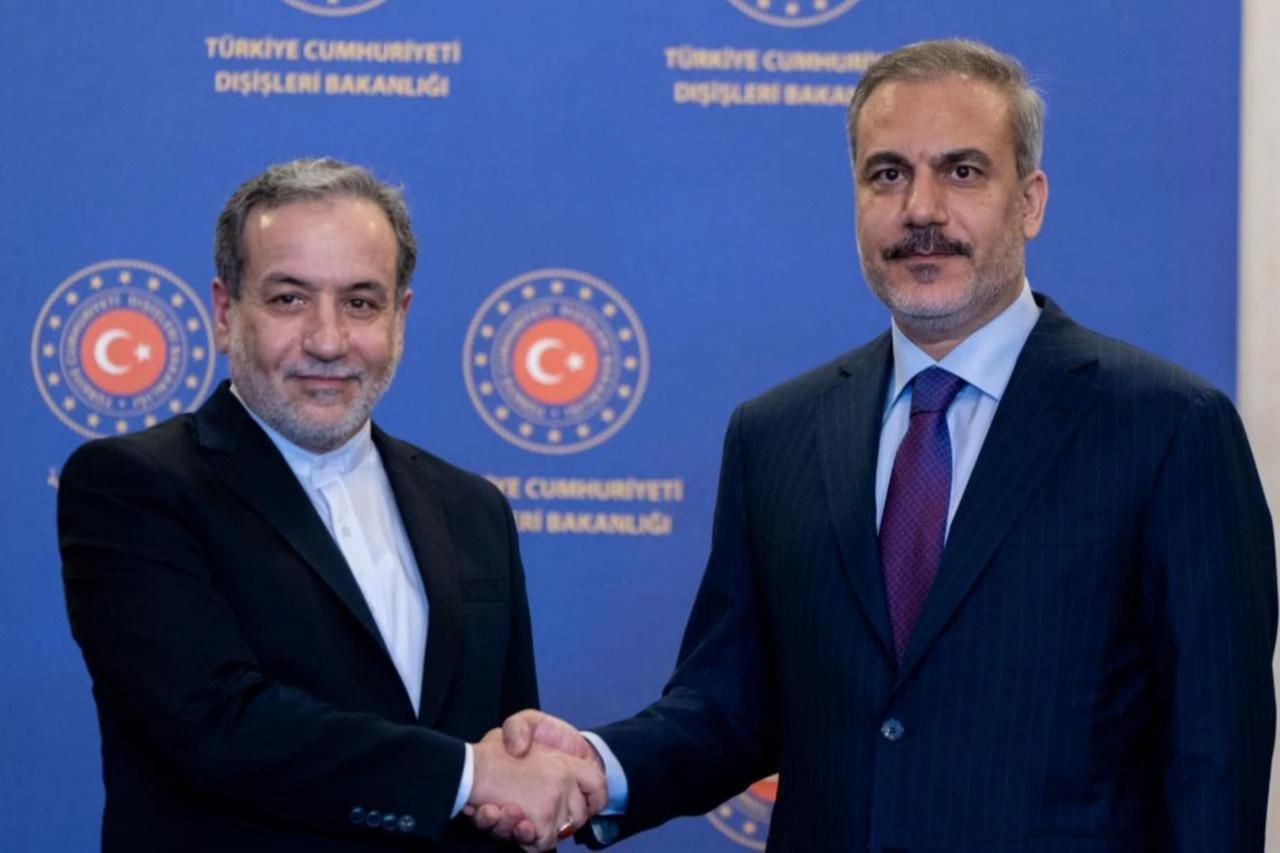


Turkish Foreign Minister Hakan Fidan spoke by phone Monday with his Iranian counterpart Abbas Araghchi to discuss the latest developments in negotiations over reopening the Strait of Hormuz and maintaining the ceasefire, Turkish Foreign Ministry sources said.
The call focused on the current status of talks on both issues, according to the sources.
The Strait of Hormuz has seen escalating tensions amid the U.S.-Iran war, raising fears of disruptions to shipping and global energy supplies despite diplomatic efforts to reach understandings on freedom of navigation through the strategic waterway.
Fidan also held separate telephone calls Monday with Kurdish Regional Government (KRG) President Nechirvan Barzani and Prime Minister Masrour Barzani to discuss the latest regional developments, Turkish Foreign Ministry sources said.
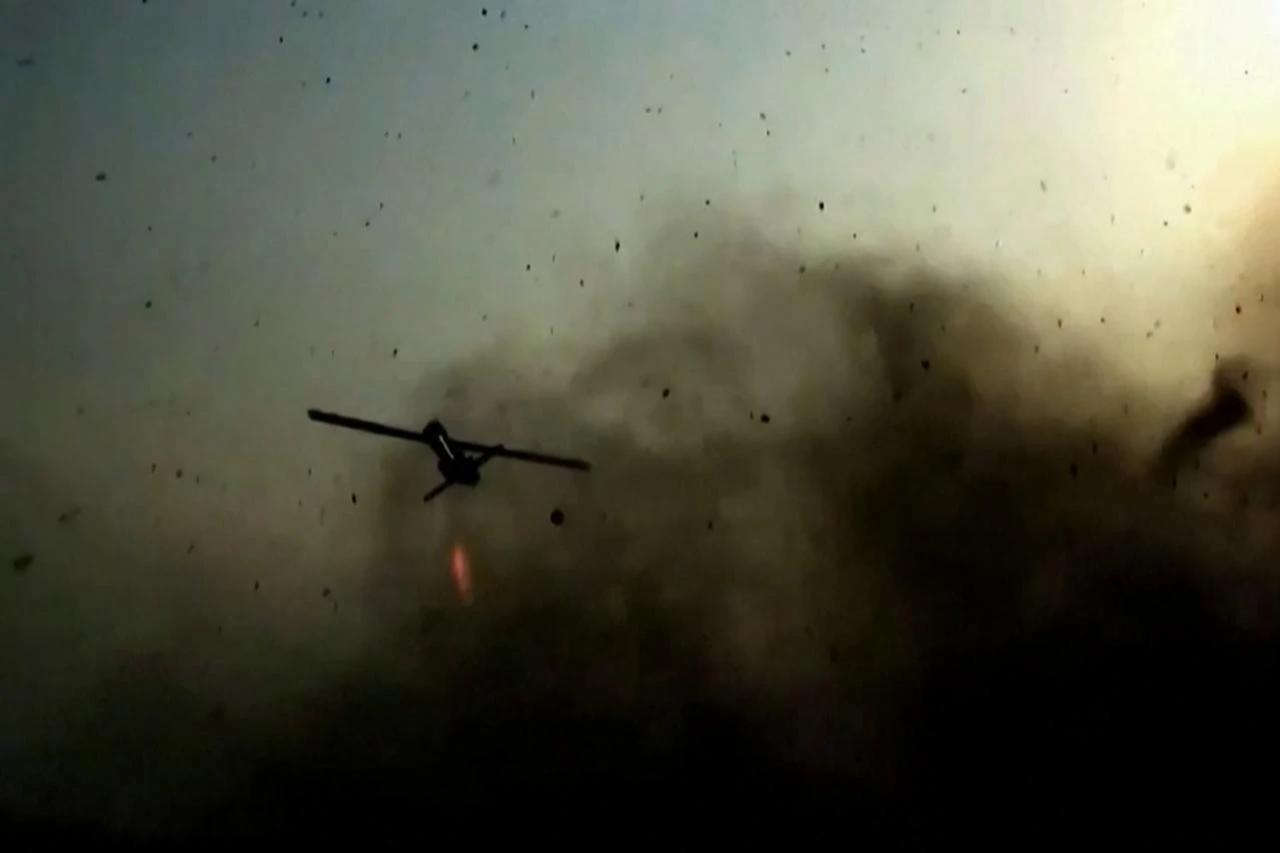
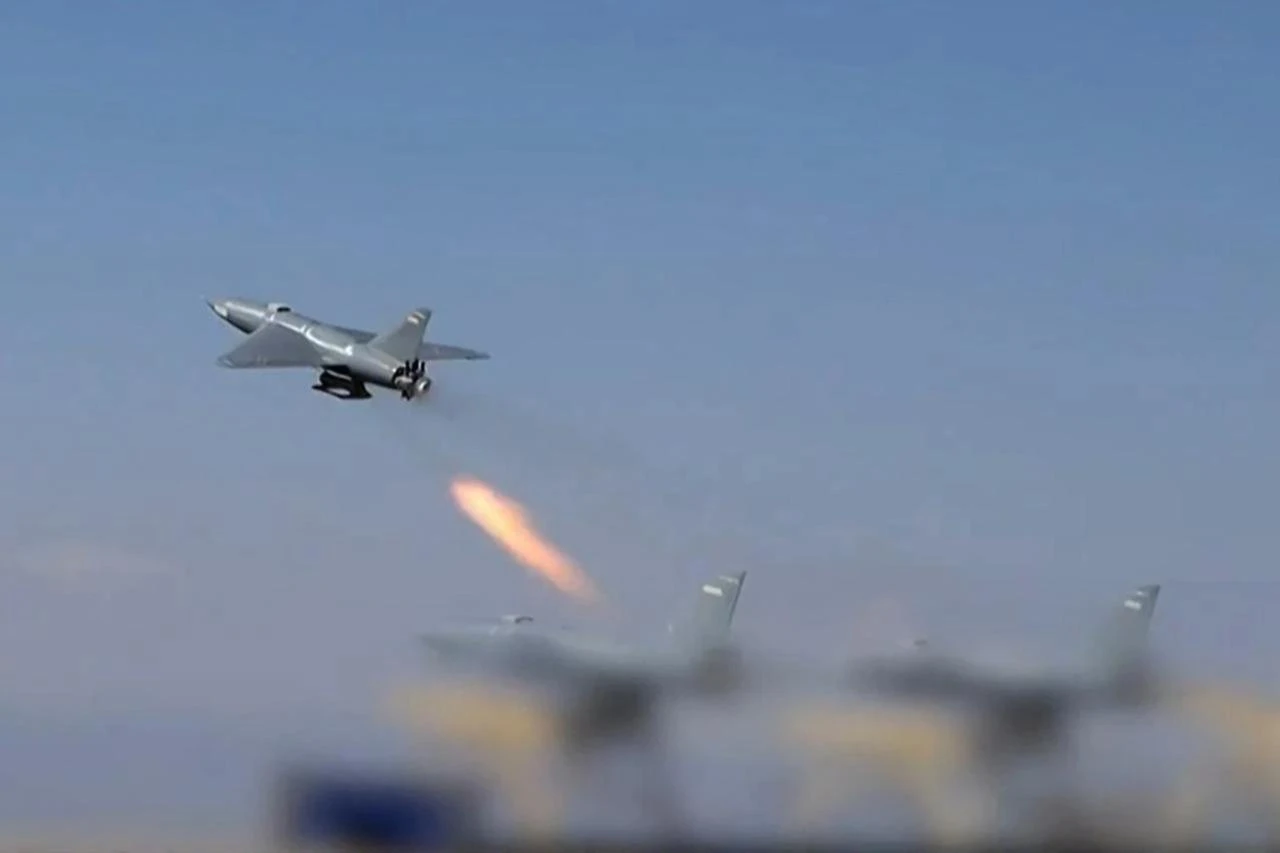
The calls came after Iraq requested an official clarification from Tehran over a drone attack targeting the residence and private office of Masrour Barzani.
Iraqi Foreign Minister Fuad Hussein discussed the attack with Araghchi in a phone call, the Iraqi Foreign Ministry said in a statement.
The ministry said the attack was carried out using Hadid-110 drones.
Hussein said Iran had “previously justified” attacks in the KRG region by citing the presence of Iranian opposition parties or factions there.
The latest attack, however, directly targeted the regional premier’s residence, creating a “dangerous precedent” that could heighten tensions and threaten regional stability, he said.
Hussein condemned the “unjustified attack” and requested clarification of Iran’s official position, stressing that such actions constitute a “dangerous escalation” with negative consequences for Iraq’s security and regional stability.
According to the Iraqi statement, Araghchi expressed surprise over the attack and said he had no information indicating that it had been launched from Iranian territory.
He said there was “no justification” for such actions given the “positive and strong relations” between the Iranian government and the KRG, particularly the region’s two main political parties.
Hussein called on Tehran to issue an “official statement” clarifying its position on the attack and identifying the parties or reasons behind it.
Araghchi said Iran rejects any action that could “fuel escalation or destabilize the region” and promised to issue an official statement outlining Tehran’s position on the incident.
The development came amid high regional tensions since February, when Israel and the United States launched coordinated attacks on Iran’s military, nuclear and energy infrastructure.
Tehran responded with missile and drone attacks on Israeli and U.S. targets across the region.
On June 18, Iran and the United States signed a memorandum of understanding through Pakistani and Qatari mediation, ending hostilities and beginning negotiations toward a final agreement.
The talks later stalled over disputes about maritime security and freedom of navigation through the Strait of Hormuz, a critical export route for Gulf oil and gas.


 Set as preferred source
 Set as preferred source


 1 min read
 1 min read