

 Newsletters


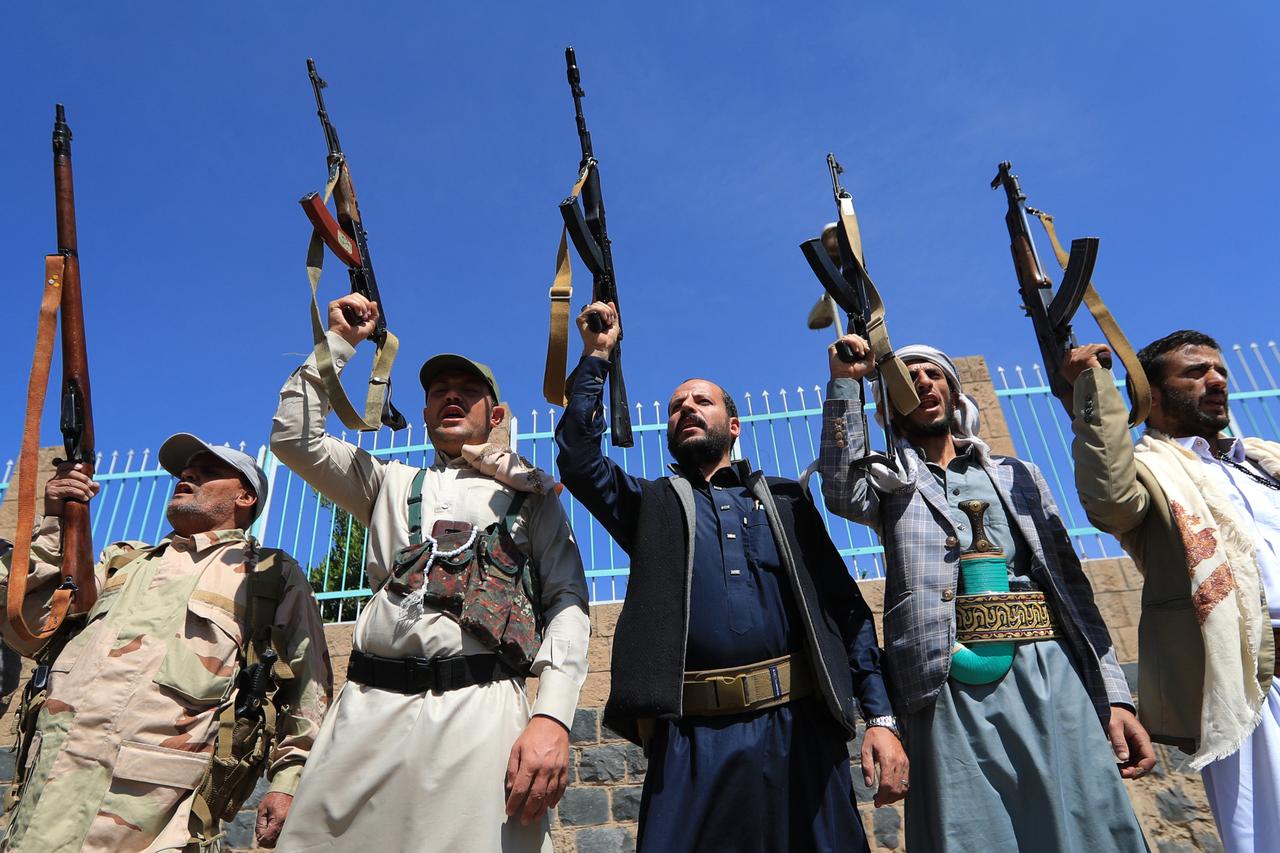


Faced with circulating U.S. media reports of a potential troop deployment to Yemen, the Syrian government has repeatedly issued a swift and unequivocal denial.
Seeking to reassure Riyadh, Damascus reaffirmed its status as a valued ally of Saudi Arabia and fully endorsed its security measures, while firmly maintaining that no Syrian forces will be sent abroad.
However, the reports of deploying Syrian troops to Yemen keep coming, one after another. Strangely enough, all of them cite U.S. officials as their sources. References to Syrian officials, meanwhile, seem to have been added almost as an afterthought, as if the reports needed them for appearances' sake.
The U.S. has been pressuring Damascus on sending troops to Yemen for a while now. As Türkiye Today reported earlier, citing Syrian officials, this story has been developing for several months. But recently, U.S. officials have made their pressure campaign against Damascus increasingly public.
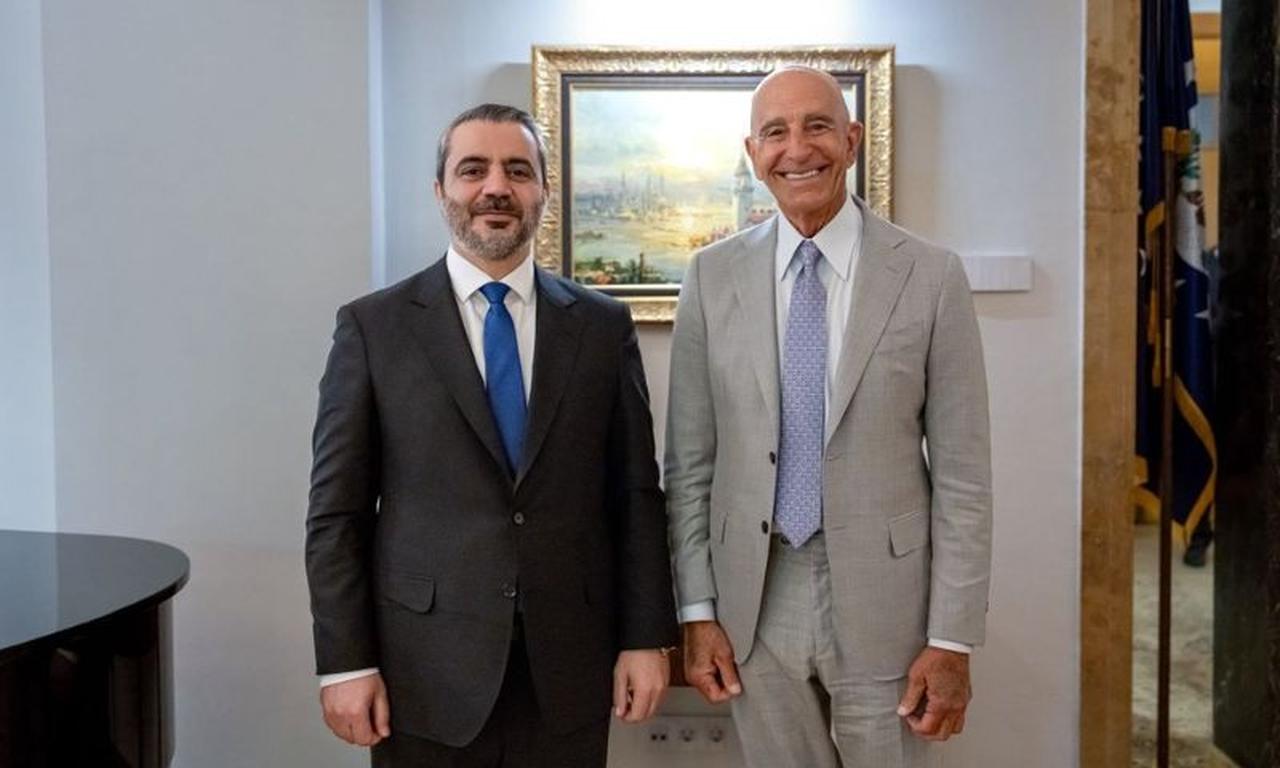
Judging by the language used in Syria's denials of the latest reports, Damascus appears to be trying to draw a clear but polite line without offending the Saudis. Yet Syrian Foreign Minister Asaad al-Shaibani is due to meet U.S. Special Envoy Thomas Barrack today, Oct. 9.
The US pressure on Saudi Arabia to resolve the Yemen issue in parallel with the situation involving Iran was a known issue, according to multiple sources.
Meanwhile, the position of Saudi-backed forces on the ground in Yemen was far from encouraging. This is why the search for additional combat forces, initially focused on tribal areas in Pakistan before that option was quickly abandoned, suddenly shifted to Syria.
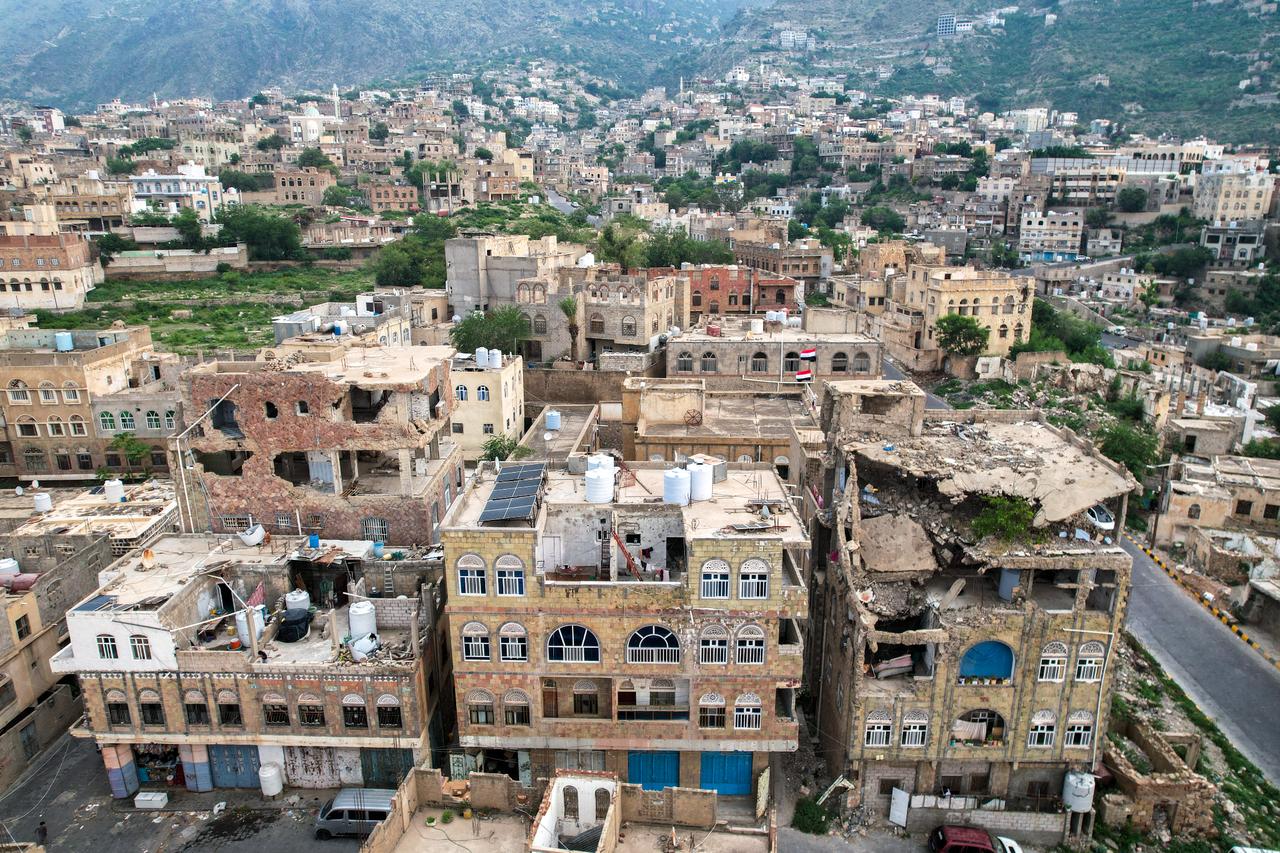
Most of my sources attribute the Saudis' search for additional, battle-hardened forces to the fall of Bab el-Mandeb, the demonstrated inadequacy of forces aligned with the Presidential Leadership Council (PLC), and their inability to contain the threat in Taiz.
According to regional sources familiar with the matter, this is also why pressure on Syria has become more visible.

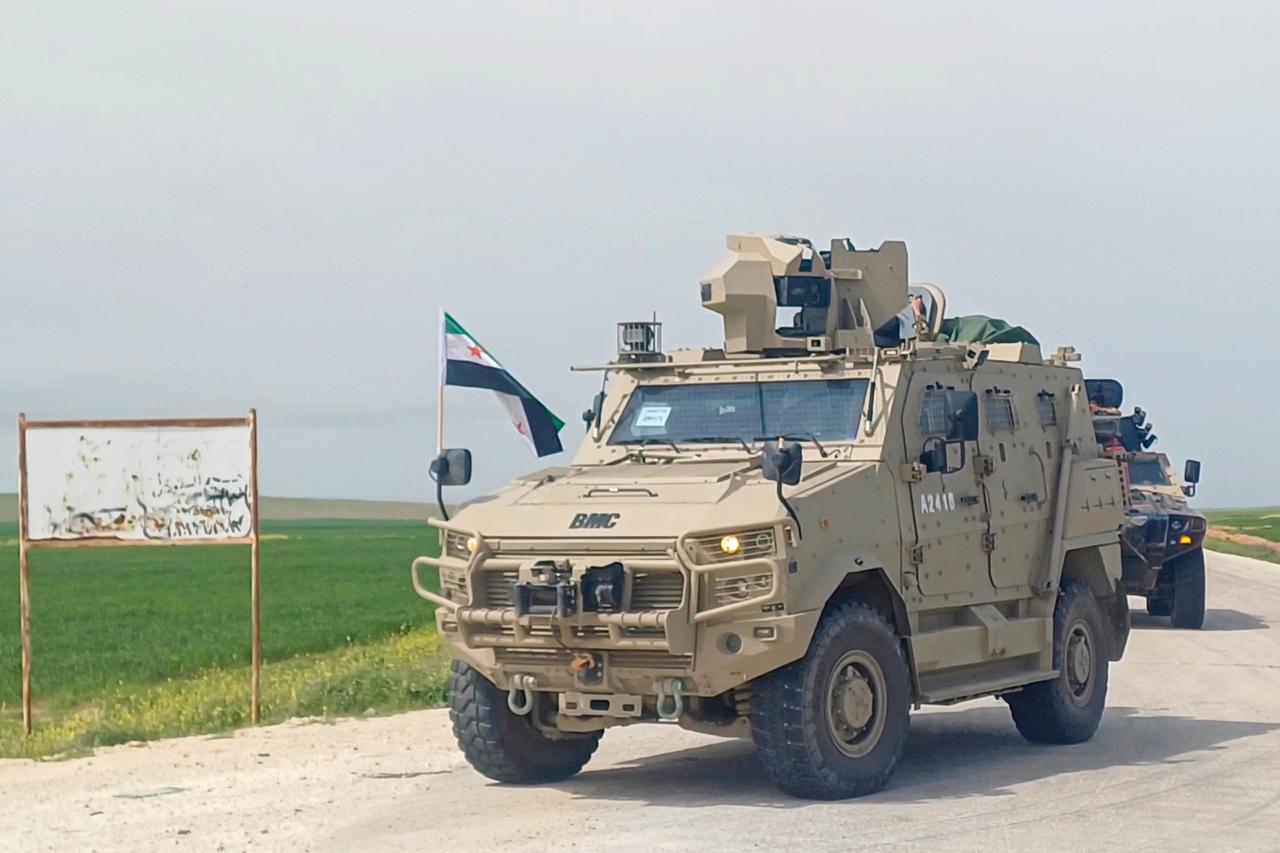
We are looking at a Syria that is rebuilding its army, has entrusted its eastern border to Iraqi security forces for some time, and is still amid restructuring, recruitment and training.
Syria currently lacks both the capacity and the strategic circumstances to mobilize and deploy tens of thousands of troops, as some reports suggest. Given that Syria itself is facing serious equipment shortages, its ability to contribute to Saudi Arabia's defence needs would also be extremely limited.
As for the issue of drone operators, which has featured prominently in speculation, Riyadh has already addressed that need. We are already seeing videos of successful drone strikes in Yemen, and these videos point toward an actor other than the Syrian Hawk Brigade, both in terms of style and operational methods.
Moreover, Saudi Arabia's needs, both for its own defense and for offensive operations inside Yemen, call for far more conventional and effective solutions. In that respect, sending a small number of Syrian drone operators to Saudi Arabia would amount to little more than a symbolic gesture.
In short, Syria currently has little to offer Saudi Arabia, whether for the defense of Saudi territory or for offensive operations in Yemen. Yet pressure from both the U.S. and the Saudis is mounting by the day.
Türkiye, meanwhile, is approaching the issue from a longer-term, more strategic perspective and is keeping its silence. However, it would be difficult to say that Ankara is particularly enthusiastic about the idea.
Deploying a token Syrian force to Saudi Arabia in the near term could offer Damascus a strategic opening to ease regional isolation, as Türkiye Today understands from talks with multiple regional sources.
Such a symbolic contingent would neither fight in Yemen nor change the balance on the ground. The media attention around its deployment would far outweigh the force itself, and its nature and official status could remain contested.
Ultimately, though, it remains questionable how long Damascus can keep playing for time under U.S. and Saudi pressure. A symbolic gesture could also be followed by a much larger number of individual deployments.


 Set as preferred source
 Set as preferred source


 2 min read
 1 min read


