

 Newsletters





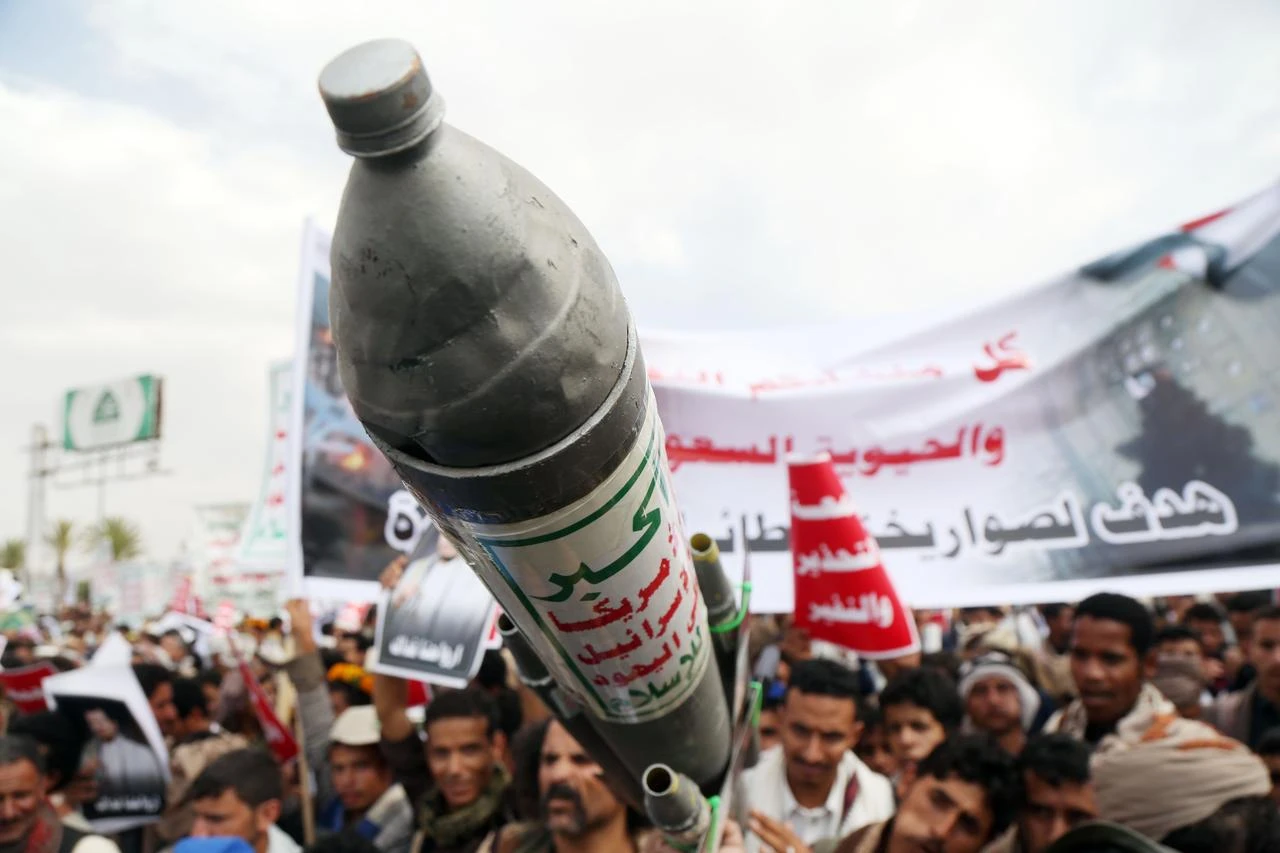
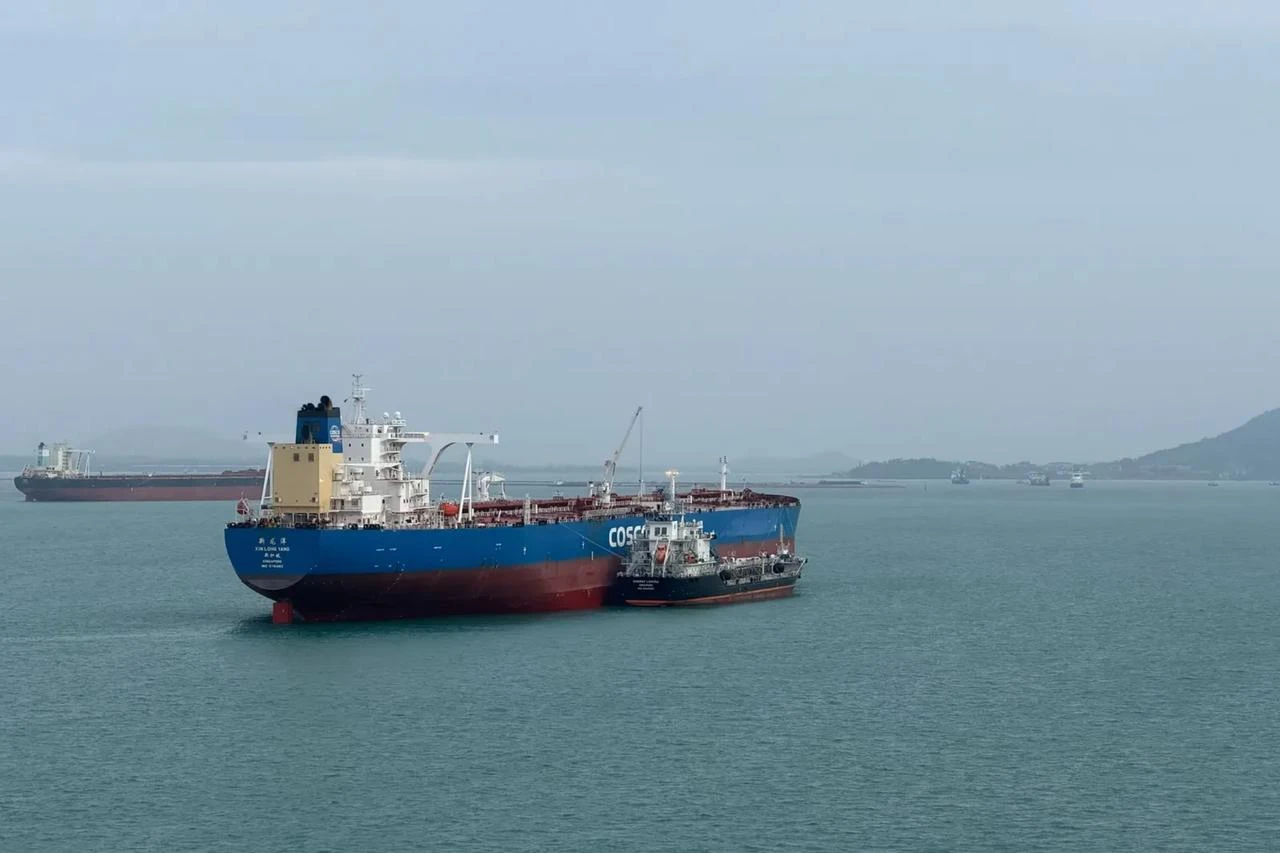
Yemen's Houthi movement said Thursday it had struck two Saudi oil tankers, the Encela and the Laylia, using ballistic missiles, cruise missiles, and drones, alleging the vessels had defied a naval blockade the group declared against the kingdom earlier this week.
The strikes mark the first confirmed maritime action under the Houthis' newly declared embargo on Saudi shipping, an escalation that has already alarmed international energy markets and maritime security agencies.
The Houthis announced the naval blockade on Monday, stating that all vessels loading or discharging cargo at Saudi ports were prohibited from doing so. The Iran-aligned group said the embargo was a direct response to what it described as Saudi aggression, including a strike on Sanaa International Airport. The Saudi-led coalition warned it would respond "firmly" to any enforcement of the blockade.
By Thursday, the group had moved from declaration to action, claiming that the Encela and the Laylia had violated the ban and were therefore legitimate targets. The use of ballistic missiles, cruise missiles, and drones in a single operation mirrors the layered attack profile the Houthis developed during their Red Sea campaign against commercial shipping tied to Israel and its allies during the Gaza conflict.
The United Kingdom Maritime Trade Operations confirmed Thursday it had received a report of an incident approximately 70 nautical miles southwest of Saudi Arabia's Al Shuqaiq. According to UKMTO, the master of a tanker reported being struck by an unknown projectile, which caused a fire onboard that the crew was working to contain. No casualties or environmental damage had been reported at the time.
Saudi Arabia has in recent months significantly expanded its oil exports through the Yanbu terminal on the Red Sea, routing crude through a pipeline to bypass the Strait of Hormuz, where Iran has targeted tankers.
That Red Sea route runs through the Bab el-Mandeb strait, the narrow chokepoint the Houthis have previously threatened to close entirely.
The European Union's naval mission in the region had issued a warning Wednesday advising merchant vessels with links to Israeli, American, or Saudi interests to avoid the Red Sea and Gulf of Aden until the security situation improves.
The U.S. Navy's Joint Maritime Information Center had separately warned that the Houthis had completed preparations to attack shipping and had positioned missiles and drones near Bab el-Mandeb.
Houthi leader Abdul Malik al-Houthi had framed the group's posture in blunt terms earlier in the week: "The equation is airports for airports, ports for ports, and a blockade for a blockade."


 Set as preferred source
 Set as preferred source


 1 min read
 1 min read



