Newsletters





Yemen’s Houthi movement denied on Friday that it has closed the Bab al-Mandeb Strait, stating that its naval blockade is limited to targeting Saudi Arabia, even as at least one tanker owner rerouted a vessel around Africa to avoid the southern Red Sea.
Mohammed Abdul Salam, the Houthis' chief negotiator and spokesperson, dismissed claims of a full waterway shutdown in a post on the social media platform X.
"There is no closure of the Bab al-Mandeb Strait as some promote," he wrote.
"The position of Yemen, as announced by the Yemeni armed forces, is limited to a maritime blockade that only affects the Saudi side, in response to its siege of Yemen and its refusal to accept any fair approach to a solution that guarantees the security, sovereignty and independence of the Yemeni people," the Houthi official added.
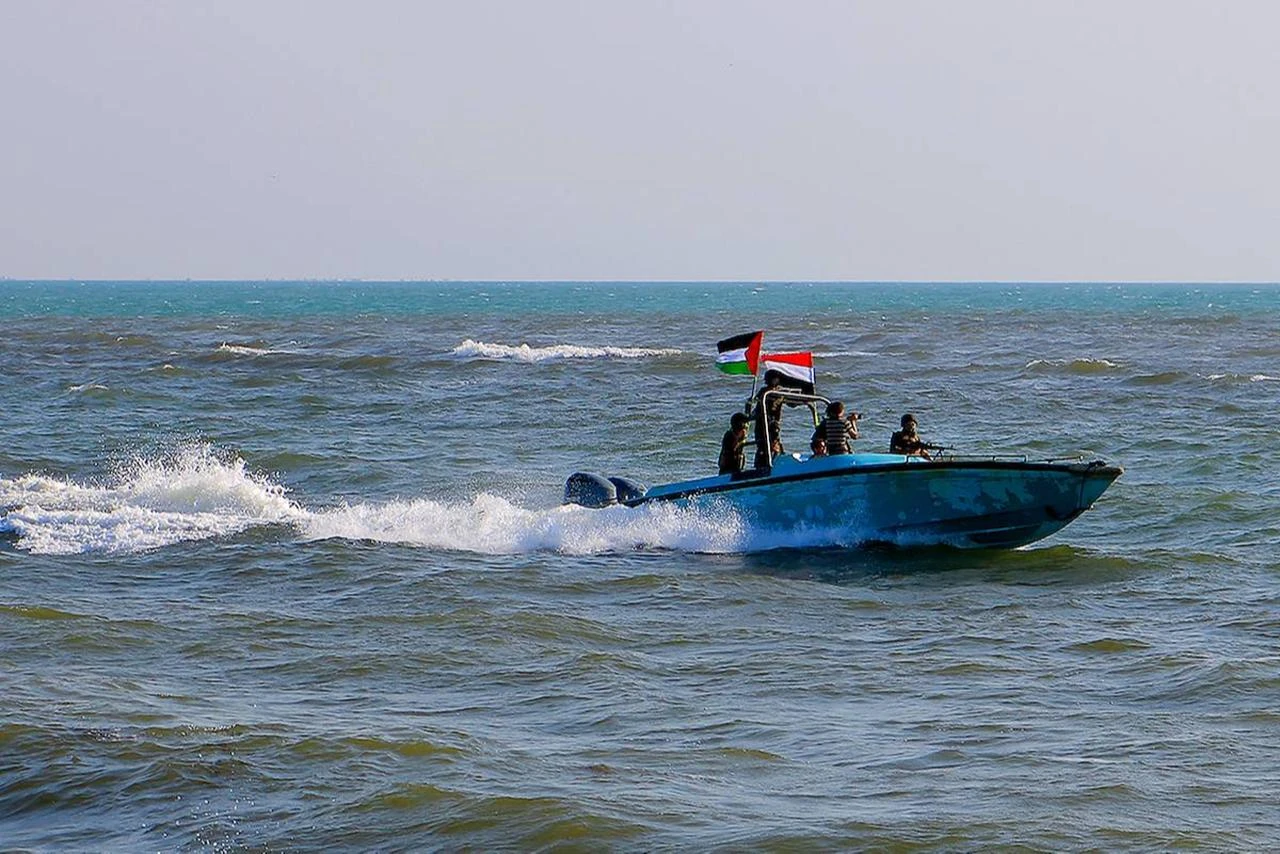

The Iran-aligned Houthis, formally known as Ansar Allah, announced on July 20 that they were imposing a naval blockade against Saudi Arabia, opening a potential new front against the United States in the broader Iran conflict and expanding the threat to global energy supplies and trade beyond the Gulf.
Houthi military spokesman Yahya Saree accused Saudi Arabia of imposing a comprehensive blockade on the Yemeni people for nearly 12 years, plundering the country's resources and besieging its ports and airports by land, sea and air, pushing the suffering of the population to an unbearable point.
The Houthis have launched repeated attacks on vessels in the Red Sea and Gulf of Aden since late 2023, framing the campaign as solidarity with Palestinians in the Gaza war.
Attacks on merchant ships ended with the Gaza ceasefire last October, though at least one Saudi tanker was attacked this week off the southern Saudi port of Jizan, near Yemen, with the Houthis claiming responsibility.

Danish shipping company Torm said Friday that its oil products tanker Torm Innovation would sail to Asia via the Suez Canal and around the Cape of Good Hope, avoiding the southern Red Sea, following the Houthi warnings to shipping.
"Given the security situation in the southern part of the Red Sea, the vessel is sailing via the Suez (Canal) and around the Cape to Asia. This reflects our cautious approach to crew safety, which remains our highest priority," a Torm spokesperson who spoke to Reuters said.
Torm has suspended transits through the southern Red Sea since January 2024, the spokesperson said, adding that "only after careful case-by-case assessment we had a few vessels transiting this summer."
The company said it will continue to monitor the situation closely as it develops.
The Torm Innovation loaded about 500,000 barrels of naphtha at the Saudi Red Sea port of Yanbu, with Japan as its destination, according to shipping data and trade sources cited by Reuters.
The vessel was sailing through the northern Red Sea on Friday with its destination listed as the Suez Canal.
Fuel shipments to buyers in Asia routed through the Suez Canal are estimated to add roughly 30 days of journey time if vessels are unable to continue via the Bab al-Mandeb gateway in the southern Red Sea, which leads into the Gulf of Aden.
A closure of the Bab al-Mandeb Strait would remove a critical alternative to the Strait of Hormuz for Saudi Arabia and heighten fears of supply shortages, particularly given the concurrent Iran conflict.
Red Sea shipping traffic has not fully recovered since Houthi attacks off Yemen's coast began in November 2023.
The earlier spate of attacks caused volumes transported through the Suez Canal to drop more than 50% since 2023, and last year they hit their lowest levels in at least 50 years, according to Suez Canal Authority data.


 Set as preferred source
 Set as preferred source


 1 min read



 1 min read